






Lion Paw Foot Table
A lion paw foot table brings unmistakable classical presence to a room, grounding heavy timber and gilded bronze in sculptural animal forms.
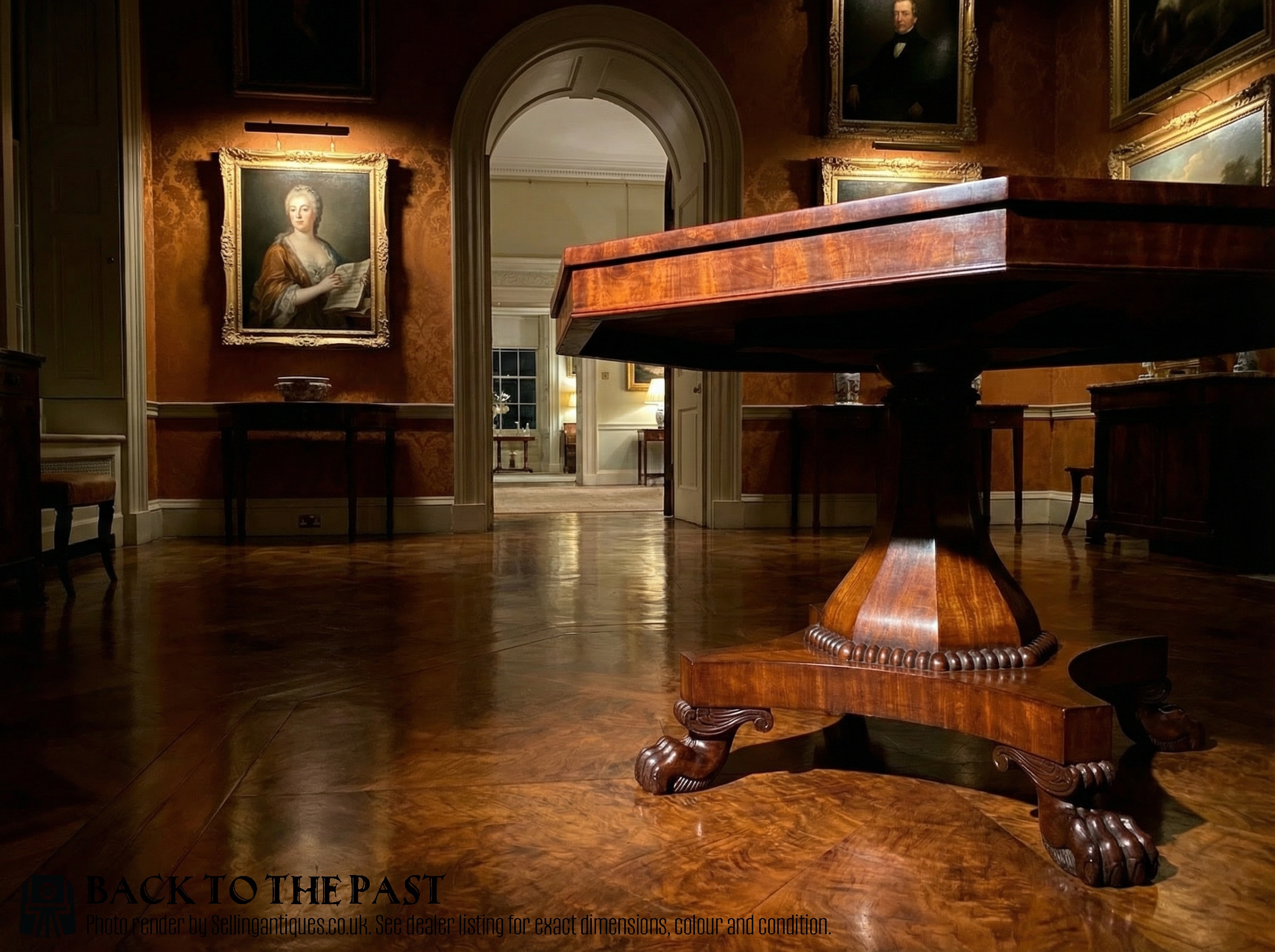
Lion Paw Foot Table
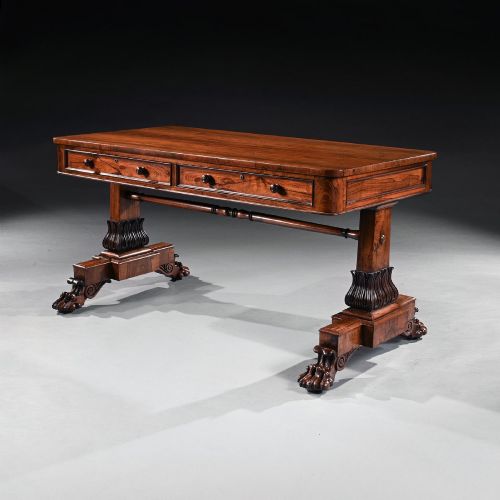
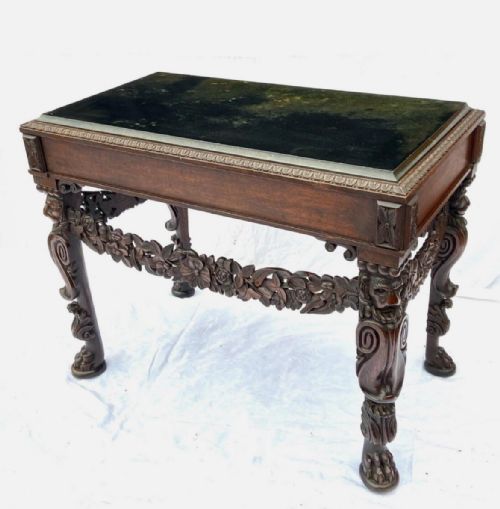
A lion paw foot table unites surface and support through carved or cast claw supports, appearing across centre tables, dining tables, writing desks, and side tables. These pieces span the eighteenth century, the Regency and George IV periods, the Victorian era, and into the early twentieth century.
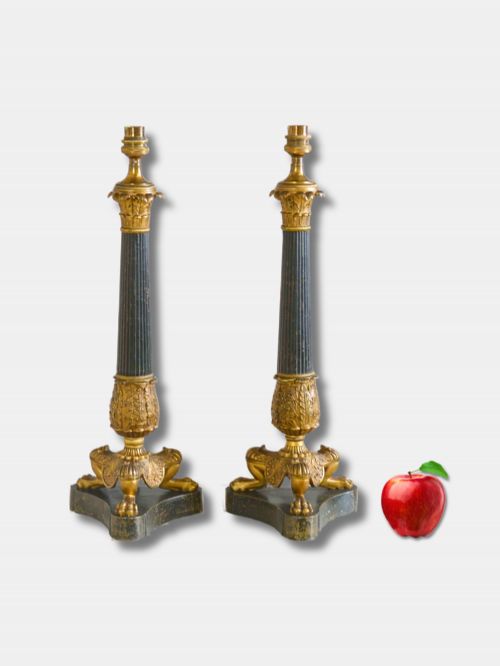
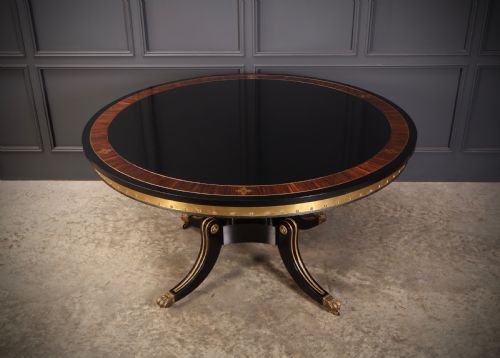
The materials recorded on this page include mahogany, rosewood, kingwood, oak, ebonised wood, marble, brass, ormolu, gilt bronze, and silver-plated metal. Forms range from library tables and card tables to sofa tables, console tables, and table lamps with lions paw feet.
Origin and stylistic revivals shape what meets the eye, with French Empire, Regency Style, and Irish Rococo Revival examples sitting alongside nineteenth century and 1920 pieces. Buyers find both large dining surfaces and smaller accent furniture sharing this distinct foot design.
How they were made
Cabinet makers utilised dense hardwoods such as mahogany, rosewood, and kingwood, often figuring the grain with flame patterns or inlaying surfaces with brass. These timbers provided the structural integrity required to support heavy tops, whether solid mahogany, marble, or ebonised wood.
Metalwork played a structural and decorative role, employing cast ormolu, patinated bronze, gilt bronze, and brass for column lamps and table mounts. Carvers also worked directly in oak and rosewood, rendering the lion mask and paw details by hand on console tables and library desks.
Even table lamps get in on the act, letting a pair of heavy brass paws stand guard on a side cabinet.
What varies in quality
The distinction between tiers rests upon the crispness of the carving and the fidelity of the metal casting. Sharp definition in the fur, claws, and knuckles of a lion paw foot separates a piece executed by a skilled workshop from a softer, more generalised rendering.
Material selection and structural harmony also drive the hierarchy. The depth of flame mahogany figure, the weight of an ormolu mount, and the integration of the foot design into the overall pedestal or leg geometry determine the calibre of the piece.
Gillows
The Lion Paw Foot Table Glossary
- Ormolu
- Gilded bronze produced by applying a mercury-gilding amalgam to cast bronze. This technique creates a durable, luminous metallic surface seen on decorative mounts and lamps.
- Centre table
- A freestanding table designed to be viewed from all sides rather than pushed against a wall. These pieces frequently feature circular or hexagonal tops supported by central pedestals.
- Sofa table
- A rectangular table traditionally placed in front of or beside a sofa, fitted with drop leaves on either side. They often incorporate trestle supports or pillar bases ending in paw feet.
- Ebonised wood
- Timber stained or treated to imitate ebony, providing a deep black finish. It gained popularity during the nineteenth century, sometimes contrasted with brass inlay.
- Card table
- A fold-over table designed for gaming, featuring a hinged top that opens to reveal a baize-lined playing surface. They rely on sturdy leg construction to support the unfolding leaf.
Lion Paw Foot Table: Frequently Asked Questions
What periods do these tables come from?
The pieces span from the eighteenth century through the Regency, George IV, and Victorian periods, extending into early twentieth-century revivals. Each era brings its own interpretation of classical motifs.
Craftsmen across these periods adapted the lion paw foot to changing interior fashions, from formal dining rooms to intimate libraries.
Where were lion paw foot tables placed?
Centre tables and library tables stood in the middle of principal reception rooms, while console tables fitted against walls beneath mirrors. Writing desks and card tables occupied studies and drawing rooms.
Smaller iterations, such as sofa tables, sat beside seating arrangements to hold books, lamps, or writing materials.
How do I care for antique timber and ormolu?
Polished hardwoods require gentle dusting with a dry, soft cloth and occasional application of appropriate wax to nourish the grain. Moisture and direct sunlight should be avoided to protect the finish.
Ormolu mounts and bronze elements need only light dusting with a dry brush, steering clear of abrasive metal cleaners that can strip the gilding.
How do I distinguish Regency pieces from later revivals?
Original Regency and George IV pieces display construction methods, timber selections, and carving depths characteristic of early nineteenth-century workshops. Revivals from the late nineteenth century and 1920 often replicate these classical proportions using contemporary joinery.
Examining the underside, secondary woods, and wear patterns helps clarify the age of the piece.