



Heavy Carved Oak Table
These heavy carved oak table examples offer substantial timber construction and rich historical styling for any room.
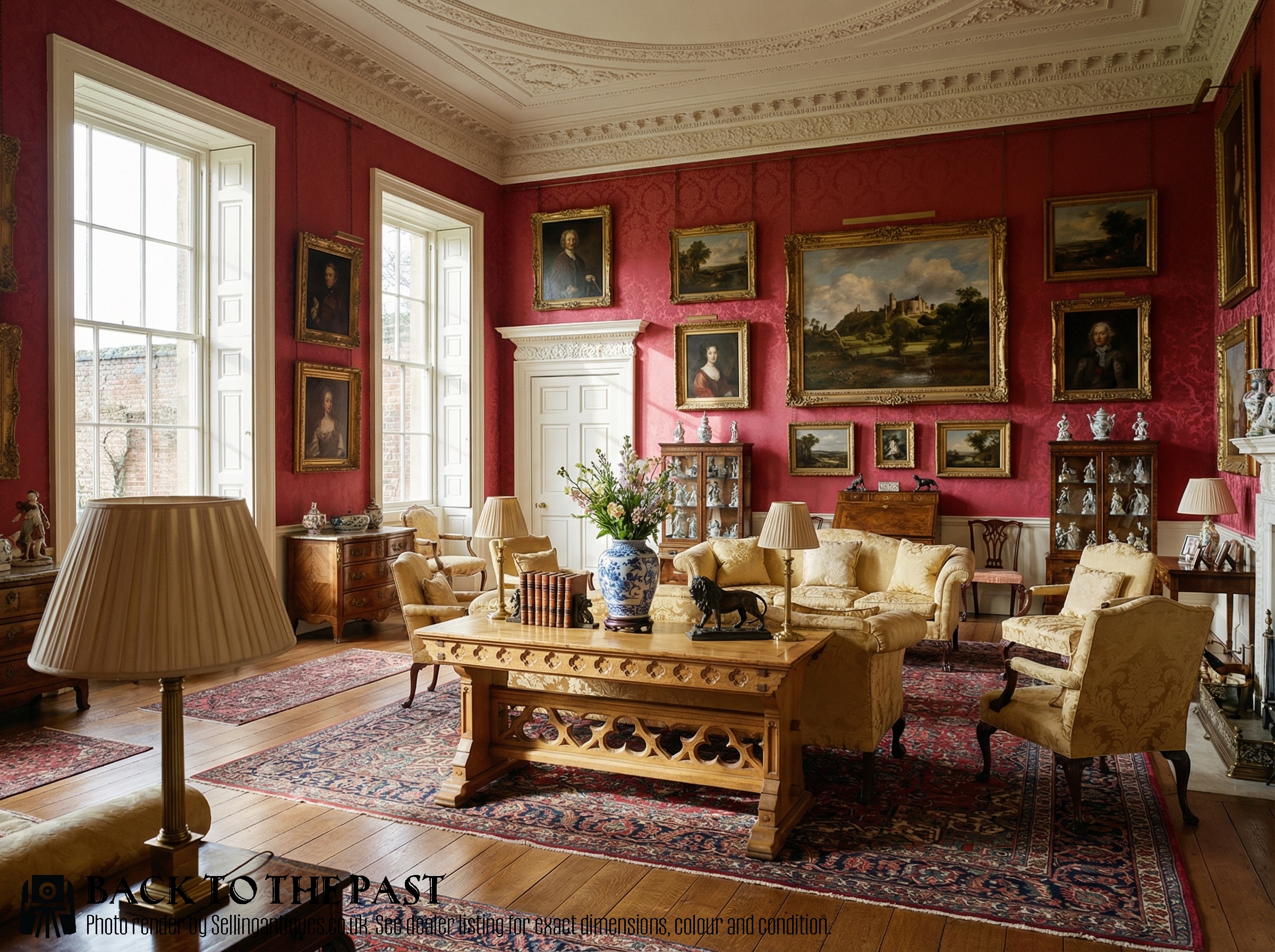
Understanding the heavy carved oak table
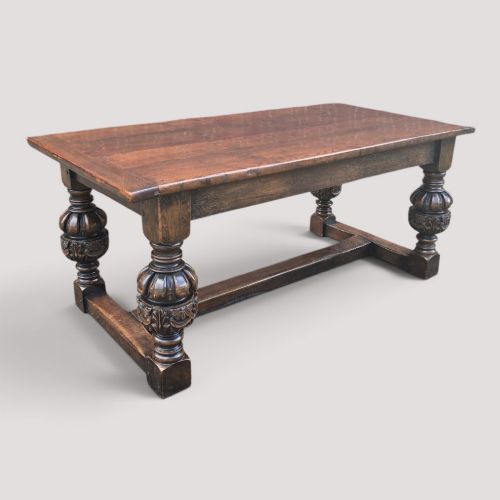
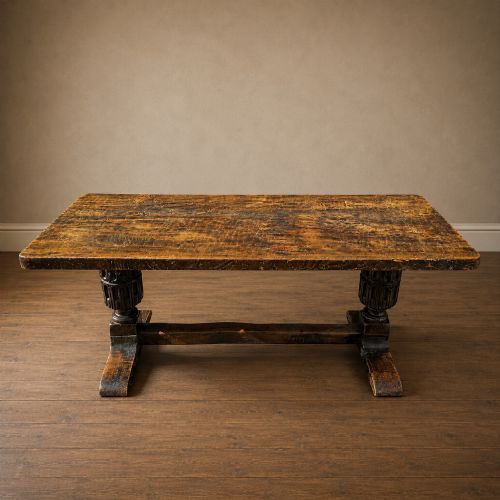
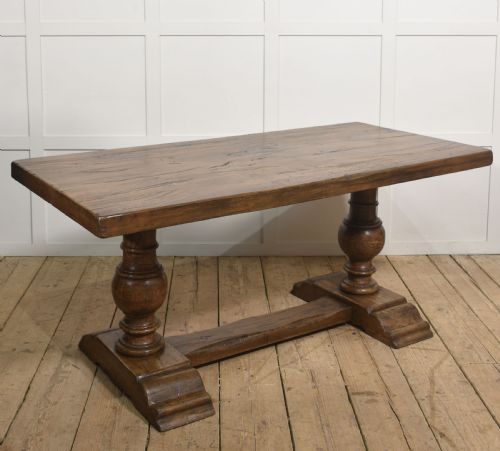
A heavy carved oak table delivers solid timber construction built for enduring utility and bold decorative presence. Buyers searching for a heavy carved oak table encounter substantial dining tables, centre tables, hall tables, breakfast tables, and refectory formats.
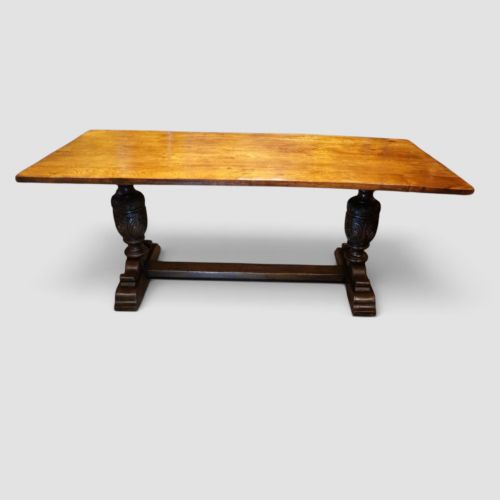
The pieces visible across the records span the Victorian era, the 1860s, 1870s, 1900, and a 1930s revival piece. These examples frequently draw upon Jacobean revival and Gothic revival styles.
Most pieces you meet here belong to the Victorian period, displaying characteristic deep relief carving, robust proportions, and architectural support structures. Earlier stylistic references, such as seventeenth-century styles, appear through later revivalist interpretations.
Materials and construction methods
Every piece relies entirely upon solid oak, selected for its dense grain and structural strength. Workshops utilised thick timber planks for the tops and structural framework, ensuring the heavy weight characteristic of these forms.
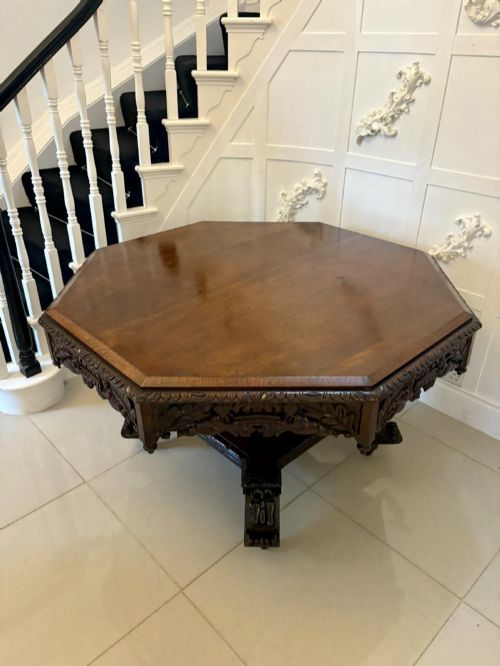
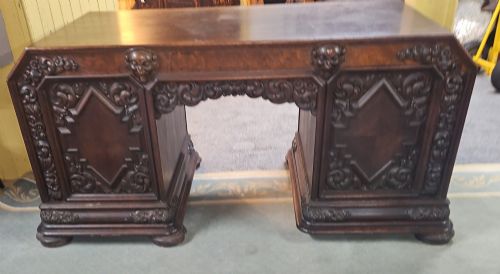
Joinery techniques combined traditional pegged mortise and tenon joints with substantial turned or carved supports. Carvers worked directly into the solid timber to create high-relief friezes, floral motifs, leaf decoration, and figural elements such as lion heads.
Retail Price Guide 2026
Typical UK retail prices for heavy carved oak table, calculated from the Sellingantiques database of over a million retail prices indexed since 2003. This retail price guide relies exclusively on Sellingantiques data; no external sources or auction records are used, so the figures do not describe the wider market.
Lion heads peer out from beneath the polished tops of these tables, keeping a silent, watchful eye on generations of dinner guests.
Distinctions in quality
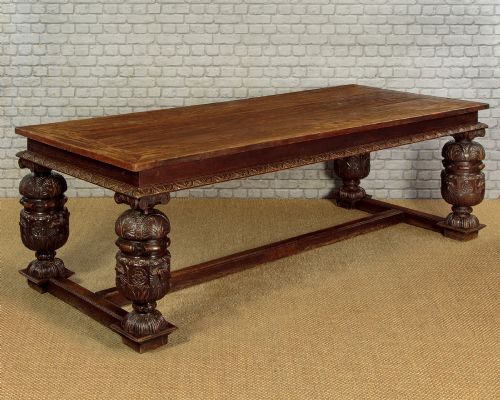
Quality rests on the depth and precision of the timber carving, distinguishing crisp hand-chiselled detailing from simpler moulded work. The complexity of the structural supports, ranging from plain legs to bulbous turned pedestals or solid figural pilasters, elevates the piece.
The choice of timber grain and the integrity of the original joints determine structural longevity. Superior examples maintain balanced proportions despite their heavy mass, integrating ornate friezes seamlessly into the overall architecture of the table.
The Heavy Carved Oak Table Glossary
- Jacobean Revival
- A nineteenth-century design style that imitates the robust, dark oak furniture of the early seventeenth century. It frequently incorporates geometric moulding, turned bulbous legs, and strapwork carving.
- Refectory Table
- A long, narrow dining table traditionally used in monastic dining halls. These surfaces use substantial stretcher rails near the floor to provide rigidity across a long span.
- Frieze
- The decorative horizontal band situated immediately beneath the top of the table. On these pieces, this section often carries carved floral, leaf, or figural ornamentation.
- Bulbous Support
- A heavy, swollen turned leg or pedestal column resembling an elongated melon or vase. This form is common in revivalist furniture to project an air of Tudor or Stuart massiveness.
- Gateleg Table
- A table with hinged drop leaves supported by legs that swing out like a gate. This construction allows the surface area to expand or contract according to domestic needs.
Frequently Asked Questions
How do I clean a heavy carved oak table?
Dust the deep recesses of the carving regularly using a soft-bristled brush to prevent dirt accumulation. Apply a traditional beeswax periodically to nourish the timber and maintain a soft sheen without building up synthetic residues.
Avoid placing these pieces near direct heat sources or strong sunlight, which can dry out the oak and cause the solid timber tops to split. Use felt pads beneath hot dishes or damp glassware to protect the polished surface.
Where should I place a heavy carved oak table?
These pieces demand adequate floor space and structural support due to their considerable weight and substantial proportions. A dining room or spacious hallway serves as an ideal setting where the carved friezes and sturdy legs remain fully visible.
Ensure the room has stable humidity levels to preserve the solid oak construction. Positioning the table away from radiators prevents the timber from warping over time.
How do I identify Victorian oak pieces?
Victorian examples often display dark finishes, dense oak grain, and deep relief carving influenced by Gothic or Jacobean revivals. Look for structural elements like lion heads, floral friezes, and thick turned supports typical of nineteenth-century craftsmanship.
Examine the underside and joints for tool marks and timber ageing consistent with the mid to late nineteenth century. Revival pieces may borrow seventeenth-century motifs while retaining the heavier proportions favoured by Victorian makers.
Can I use a refectory table for daily dining?
These sturdy oak surfaces were originally engineered for communal dining and heavy daily use. Their solid timber construction handles regular family meals with ease, provided proper care is taken with the finish.
Check the leg clearance underneath the frieze to ensure comfortable seating for your chairs. The fixed stretchers on certain models require diners to position their legs carefully.