



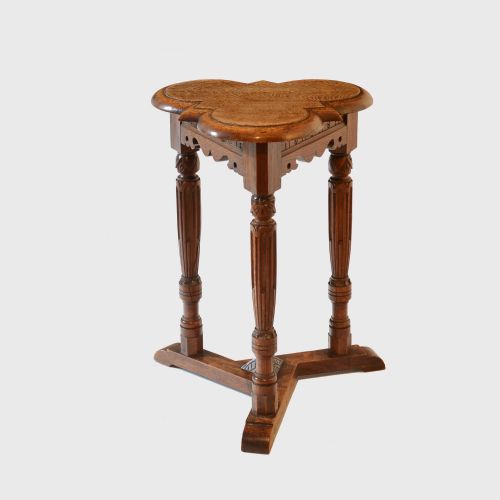

Gothic Oak Side Table
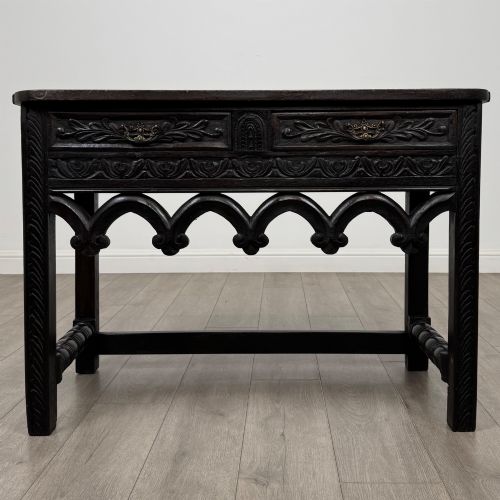
A gothic oak side table brings heavy timber, pointed arches and rich ecclesiastical carving straight into a modern hallway or living space.

Gothic Oak Side Table
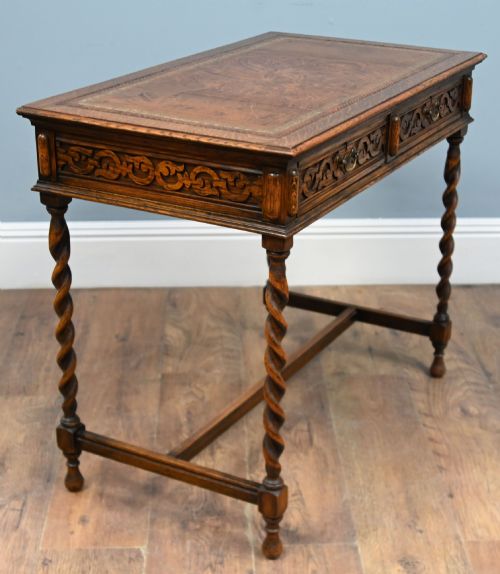
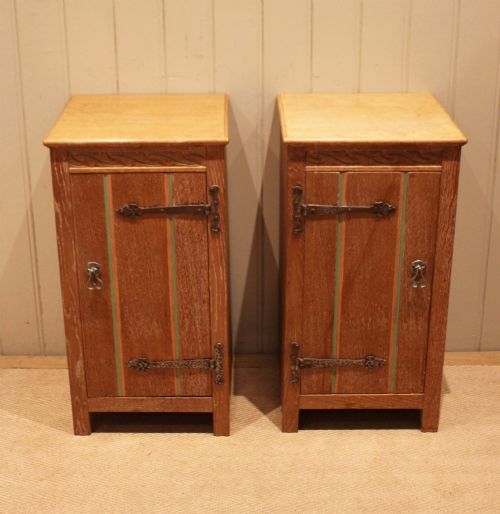
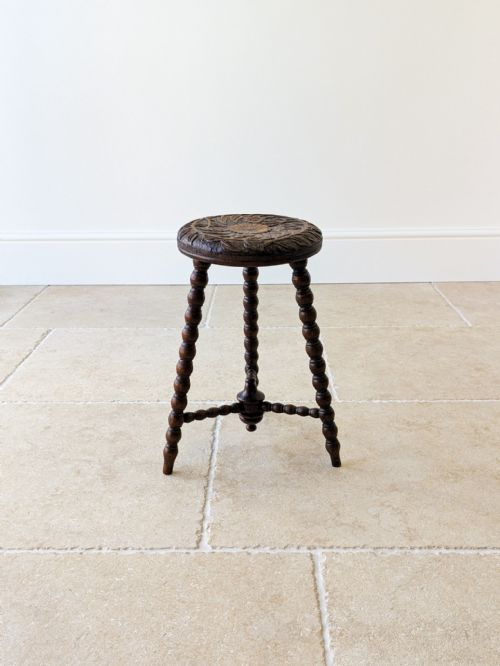
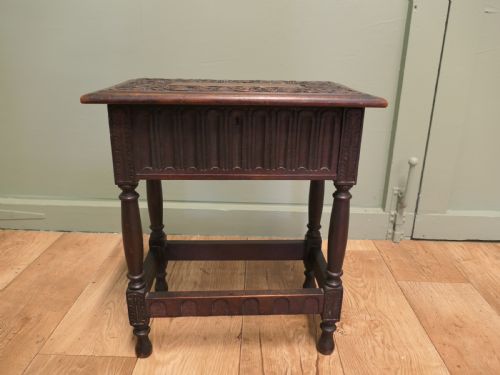
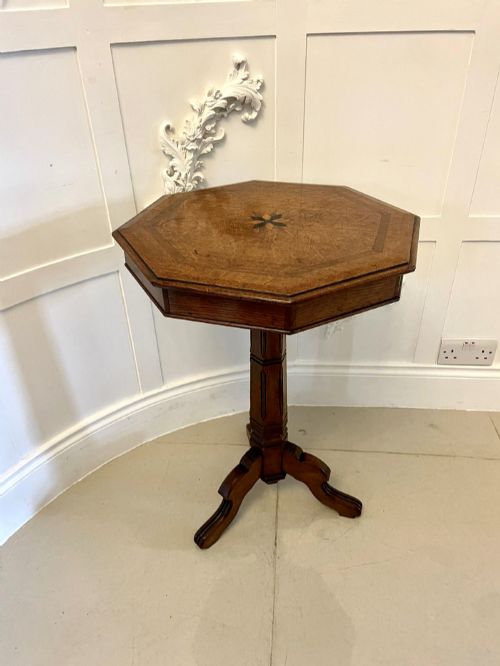
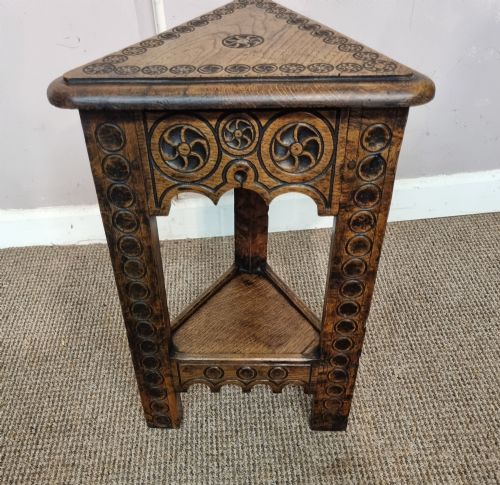
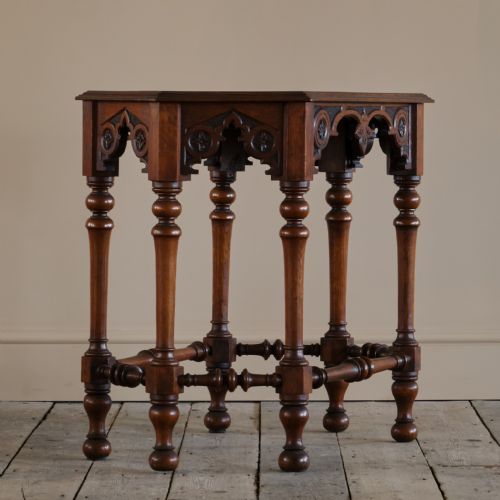
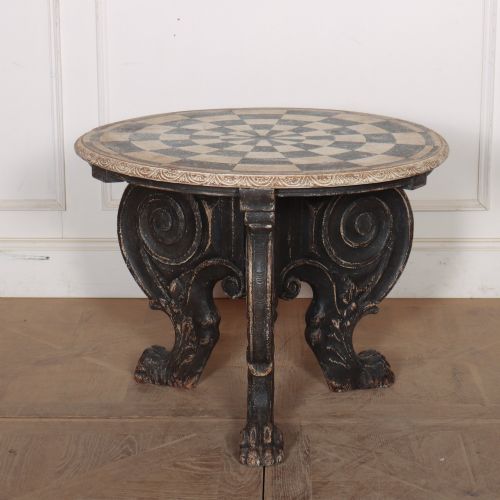
A gothic oak side table draws on architectural revival styles from the nineteenth century, including Gothic Revival and Jacobean Revival aesthetics. The pieces appearing in this category span the nineteenth century up to the early twentieth century, taking forms such as side tables, console tables, desks, and occasional tables.
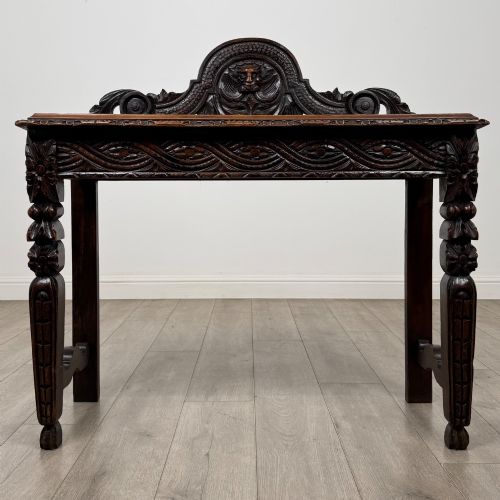
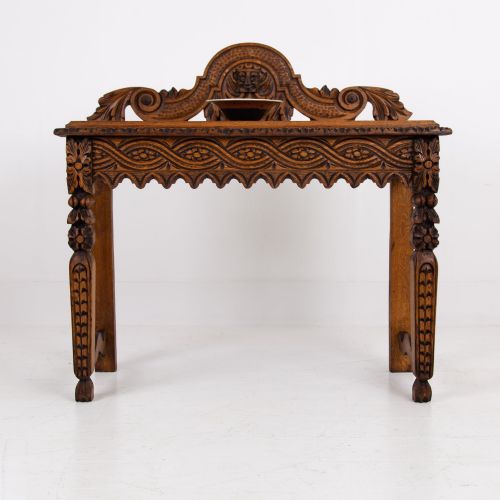
The version most commonly encountered in this selection is the nineteenth-century Victorian carved oak side table, often displaying Scottish regional character. These items frequently feature architectural motifs or Green Man details carved into the solid timber.
Materials and Construction
Construction relies entirely upon solid oak, sometimes bleached or finished with brass hardware. The structural framework often incorporates heavy underframes, fluted square legs, or tiered shelving.
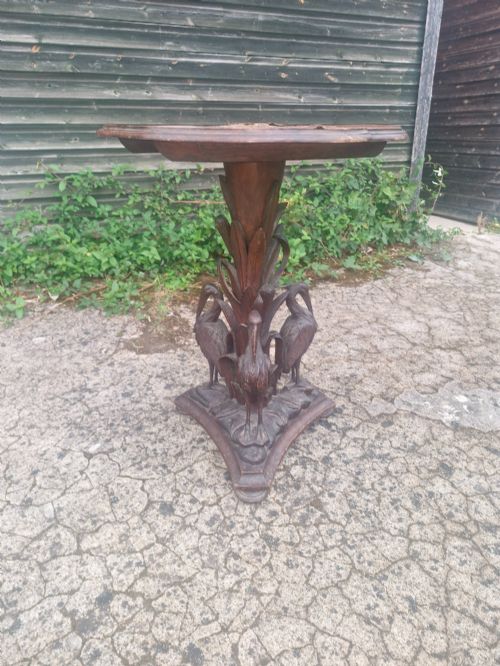
Carving defines the surface work, utilising traditional hand tools to shape foliage, tracery, and figurative elements directly into the dense grain of the wood. Certain examples integrate contrasting elements such as marble tops alongside the primary oak framework.
Gothic Oak Side Table Retail Price Guide 2026
Typical asking prices for gothic oak side table among the pieces listed under this phrase on Sellingantiques today, from the lower quarter to the upper quarter. They describe what is for sale here now, not the wider market.
Several tables stare back at you from the hallway with carved Green Man foliage spilling directly from their mouths.
Judging Quality
Quality rests upon the depth, crispness, and ambition of the carved ornament, separating plain utilitarian items from heavily embellished architectural forms. Pieces featuring sculptural figural work like the Green Man display a higher grade of artisan input than simple geometric mouldings.
The selection of the timber and the integrity of the joinery dictate durability, with substantial solid oak structures holding more weight and presence than lighter occasional formats.
The Gothic Oak Side Table Glossary
- Gothic Revival
- An architectural and decorative style popular during the nineteenth century that mimics medieval ecclesiastical forms, pointed arches, and heavy tracery.
- Green Man
- A sculptural motif representing a human face entwined with or emerging from foliage, frequently found carved into nineteenth-century oak furniture.
- Jacobean Revival
- A later nineteenth-century furniture style drawing inspiration from the early seventeenth century, characterised by geometric panelling and heavy turned supports.
- Console Table
- A wall-mounted or freestanding narrow table designed to stand against a vertical surface in a hallway or reception room.
- Butlers Tray
- A removable wooden tray with raised sides, historically set upon a folding or rigid wooden stand for serving.
Gothic Oak Side Table: Frequently Asked Questions
Where should I put a gothic oak side table?
These tables suit narrow entrance halls, reception rooms, or landings where their architectural lines and dark timber provide a strong focal point. They function well as lamp tables, display surfaces, or occasional writing desks.
Because the timber is dense and the designs are visually heavy, they anchor a room effectively when placed against plain walls that allow the carved details to stand out.
How do I care for antique oak furniture?
Maintain the finish by dusting with a dry, soft cloth and applying a traditional beeswax sparingly when the wood appears dry. Avoid placing the table near direct heat sources or strong sunlight to prevent the solid oak from splitting.
Keep the indoor climate stable, as sudden changes in humidity can affect older timber and any associated joinery or marble elements.
Are these tables genuinely nineteenth century?
The pieces recorded in this category date from the nineteenth century through to the early twentieth century, produced during periods of strong architectural revivalism. Construction methods, patination on the oak, and traditional hand-carving techniques align with Victorian workshop practices.
Stylistic markers such as Jacobean Revival motifs and ecclesiastical tracery place these items firmly within the historic revival movements of the eighteen-hundreds.
What is a Green Man carving?
A Green Man is a decorative carving depicting a face made of, or surrounded by, leaves and vines, symbolising rebirth and the spirit of vegetation. Victorian makers adopted this medieval motif enthusiastically for ecclesiastical and domestic furniture.
Finding this detail on a side table or console indicates a more elaborate piece intended to showcase the carver's skill within the Gothic Revival style.