

Brown Oak Writing Table
A brown oak writing table offers a rich, figured timber surface that brings warmth to any study.
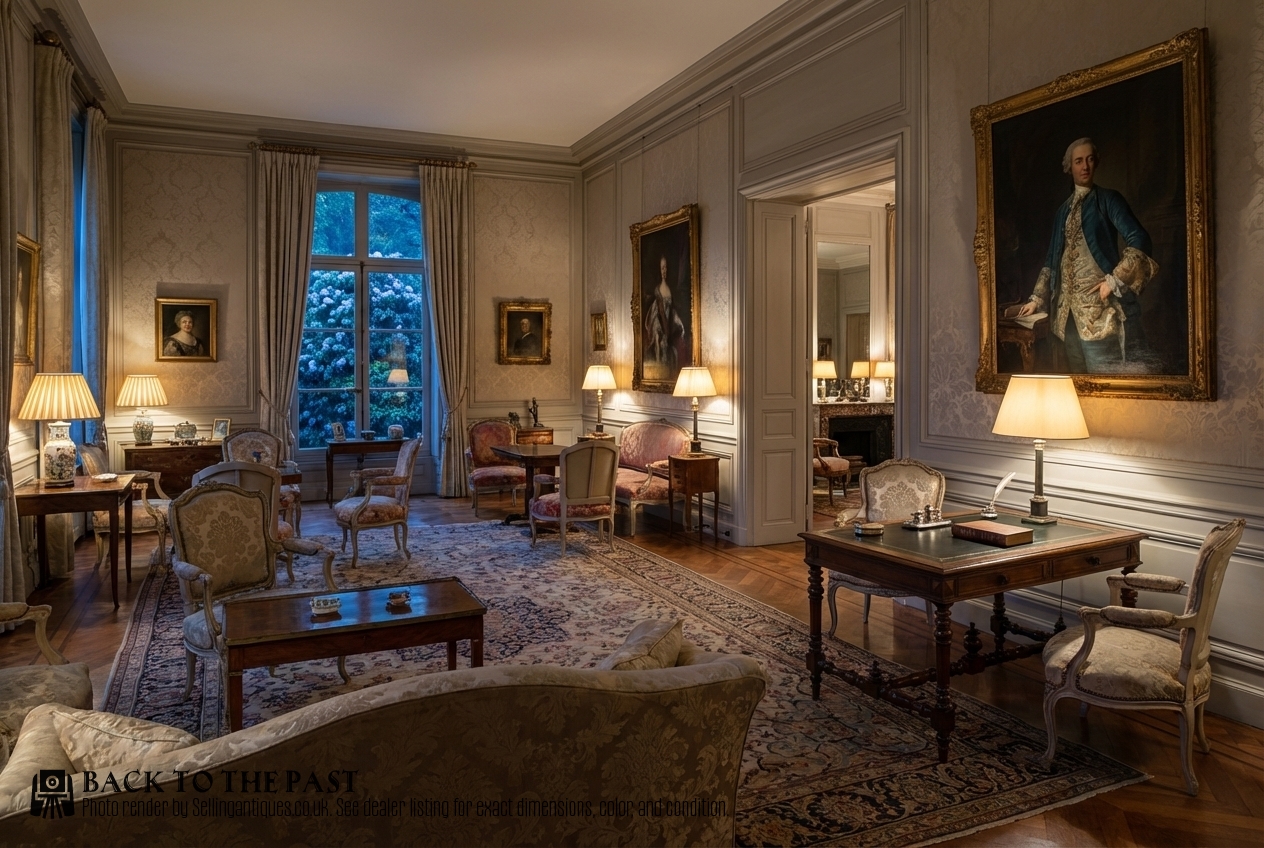
Brown Oak Writing Table
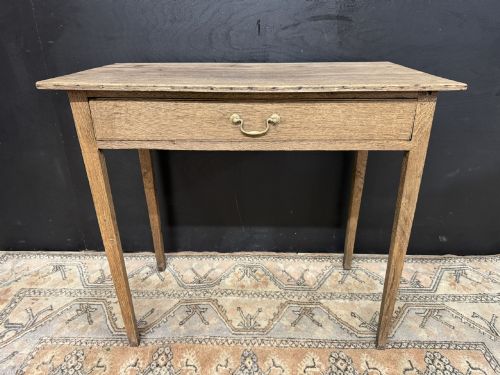
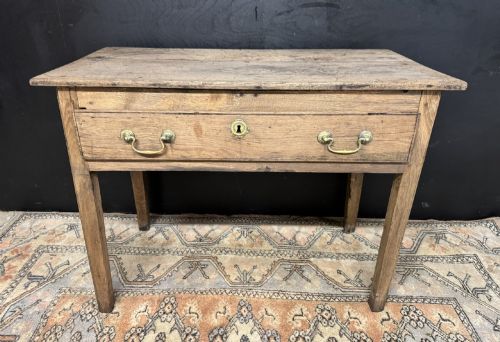
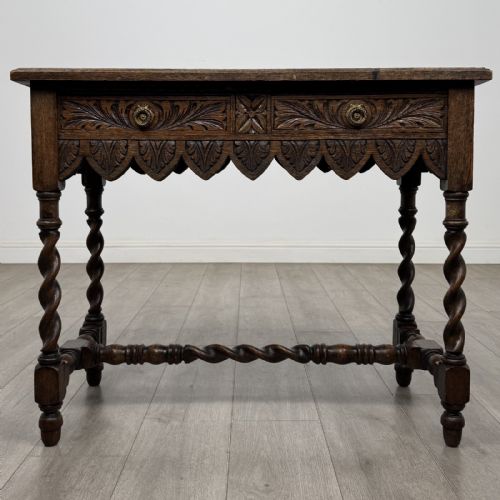
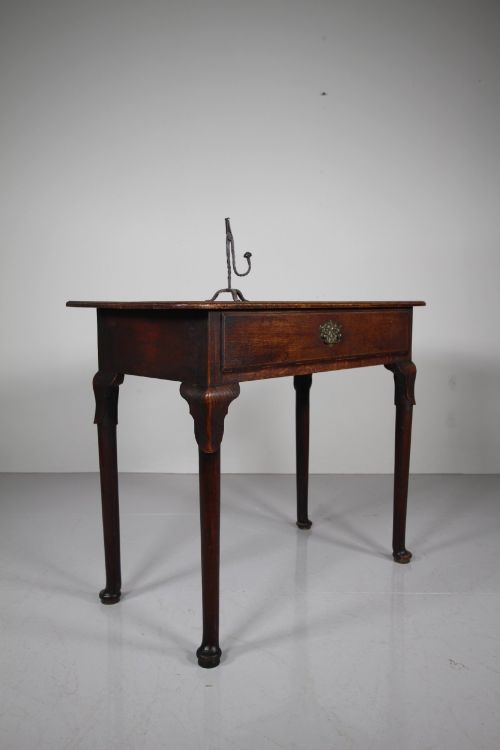
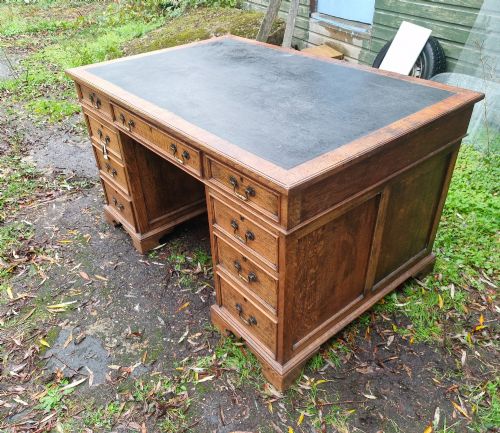
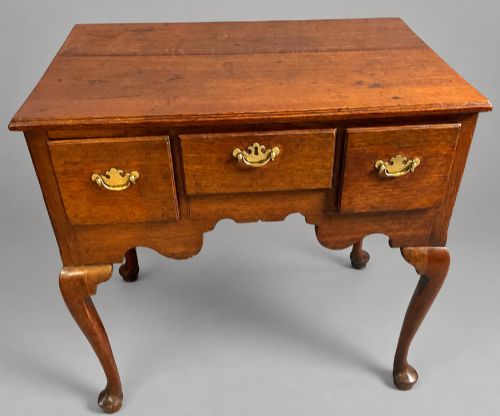
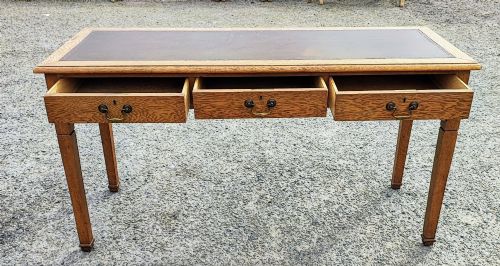
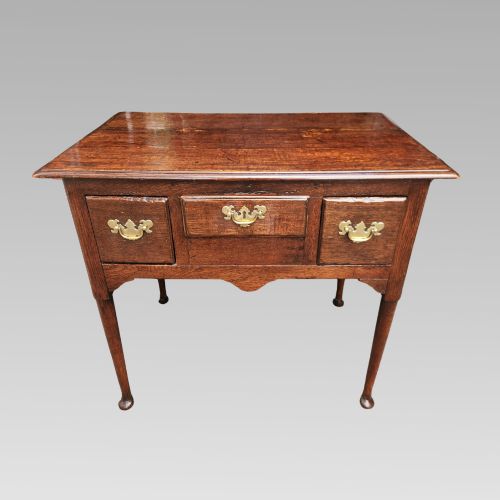
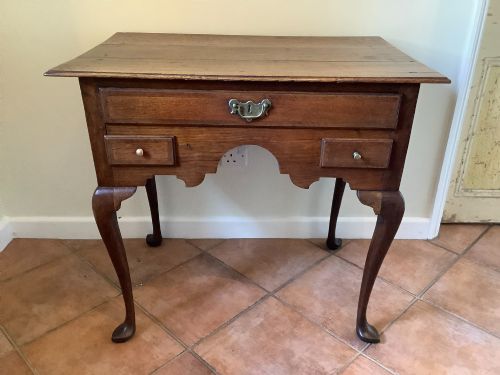
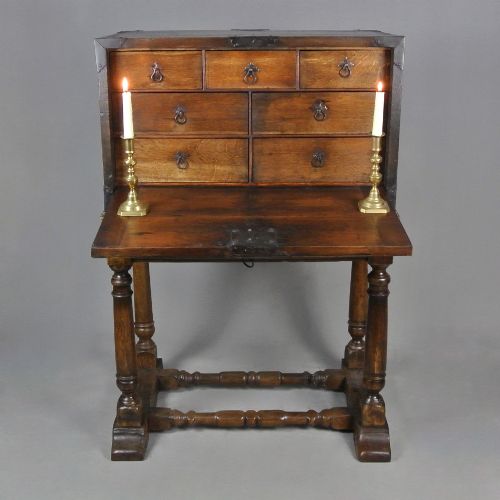
A brown oak writing table is a dedicated piece of furniture designed for correspondence and paperwork, constructed primarily from oak displaying deep natural colouration. These tables span several centuries, appearing in forms such as compact lowboys, kneehole desks, and larger library tables.
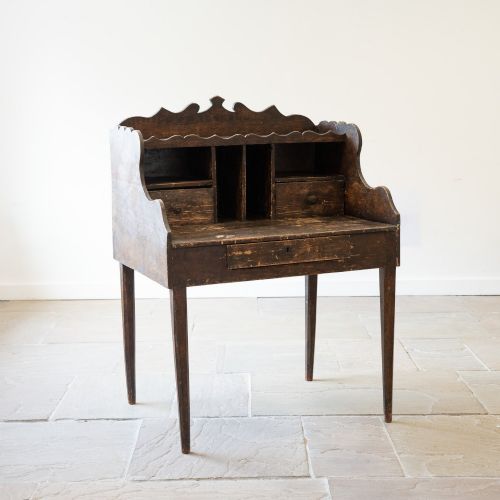
The pieces on this page originate from periods ranging from the late seventeenth century through the Georgian and Victorian eras into the twentieth century, including Edwardian and Art Deco examples. Buyers will frequently encounter side tables with fitted drawers, pedestals with multiple compartments, and simpler writing desks from these periods.
Materials and Construction
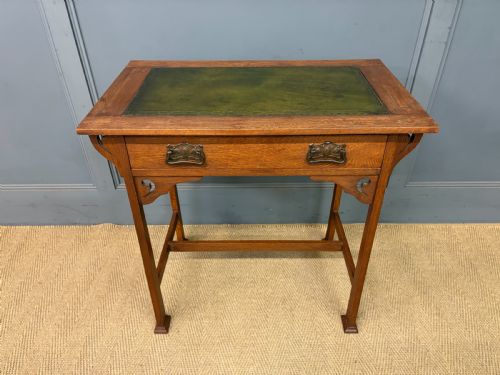
Makers utilised solid oak timber, frequently chosen for its durability and distinctive grain pattern, occasionally pairing it with burr walnut or pollard oak for decorative contrast. Structural framing relied on traditional joinery methods, supplemented by brass handles, iron fittings, and leather inserts set into the writing surfaces.
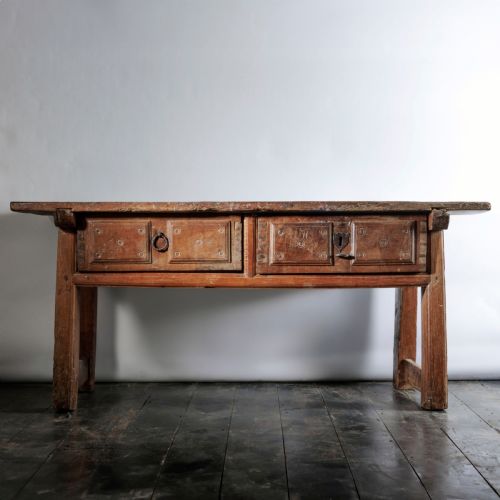
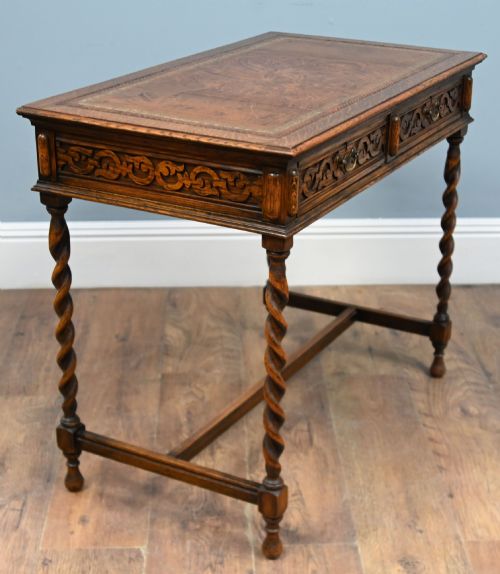
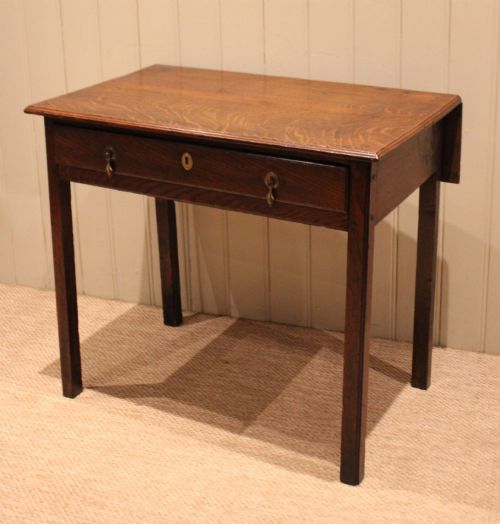
Surface decoration on these tables includes carved details such as linenfold panels alongside simpler turned legs and panelled drawer fronts. Secondary timbers like pine appear in estate desks, while specific examples incorporate drop side flaps or freestanding pedestals designed for placement in the centre of a room.
Brown Oak Writing Table Retail Price Guide 2026
Typical asking prices for brown oak writing table among the pieces listed under this phrase on Sellingantiques today, from the lower quarter to the upper quarter. They describe what is for sale here now, not the wider market.
The listings span from the late seventeenth-century William and Mary period through Georgian, Victorian, and Edwardian eras into 1930s Art Deco.
Distinctions in Quality
Quality in these tables rests upon the selection of the timber, particularly the depth of the brown oak grain and the choice of matching veneers. Superior examples display careful timber selection where the grain follows the contours of the desk top and drawers.
Construction standards also set pieces apart, visible in the precision of the drawer dovetails and the integration of secondary woods like burr walnut. Finer items maintain proportional balance between the legs, apron, and writing surface, alongside well-executed carving rather than mechanical stamping.
The Brown Oak Writing Table Glossary
- Lowboy
- A small table with one or more drawers, originating in the eighteenth century and commonly used as a writing surface or dressing table. These typically stand on slender legs.
- Pedestal desk
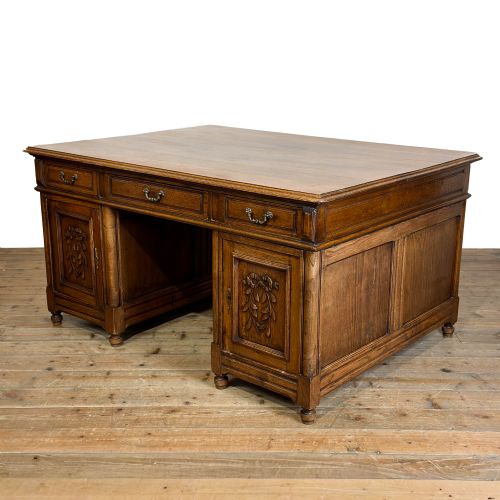
- A heavy desk comprising two banks of drawers supporting a single large writing slab. This form allows storage on both sides when freestanding.
- Library table
- A large freestanding table designed for central room placement, often fitted with a leather writing surface and multiple drawers.
- Linenfold
- A style of wood carving that imitates folded parchment or linen, frequently seen on panels of Edwardian and earlier furniture.
- Pollard oak
- Oak timber taken from trees that have been pollarded, producing a heavily knotted and decorative grain pattern used for veneers.
Brown Oak Writing Table: Frequently Asked Questions
How do I identify an eighteenth-century table?
Eighteenth-century examples often present hand-cut dovetails within the drawer construction and timber showing authentic patination from centuries of use. The proportions tend to follow Georgian design principles with straightforward leg forms and traditional joinery.
Examination of the underside and drawer linings reveals tool marks and construction methods consistent with period workshop practices rather than later machine production.
Where should I place a pedestal desk?
A pedestal desk works best when given sufficient space to allow access to the drawers on both sides, particularly if the piece is finished at the back. These heavy items suit studies or libraries where they serve as a central workstation.
Placement away from direct heat sources protects the timber and any leather writing inserts from drying out and cracking over time.
What is the difference between a side table and a writing table?
A side table primarily serves a surface function against a wall, though many period examples include a fitted drawer suitable for paperwork. A writing table is specifically proportioned for seated work, often featuring a wider knee clearance underneath.
Many tables historically served multiple domestic functions, meaning side tables were frequently utilised for correspondence in smaller rooms.
How do I care for the leather writing surface?
Leather inserts require minimal moisture and regular dusting to maintain their finish without damaging the surrounding oak frame. Conditioning treatments applied sparingly can prevent the hide from becoming brittle.
Avoiding direct sunlight prevents fading of both the leather hide and the surrounding brown oak timber.