
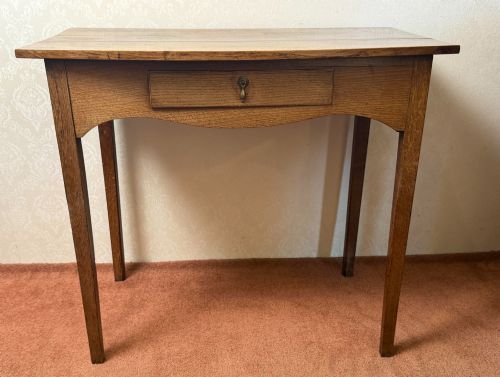
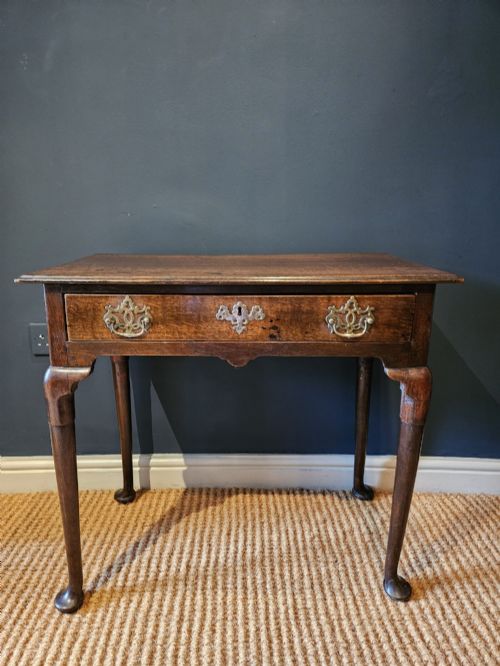
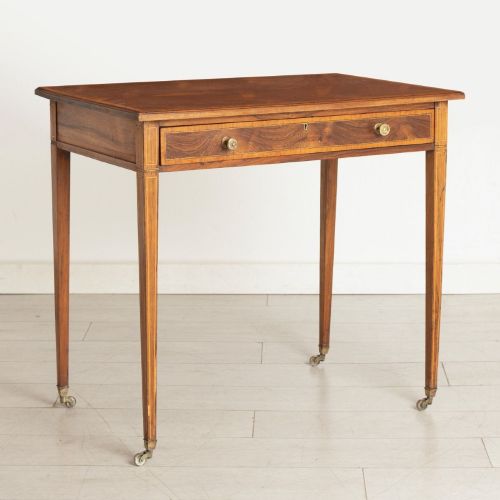
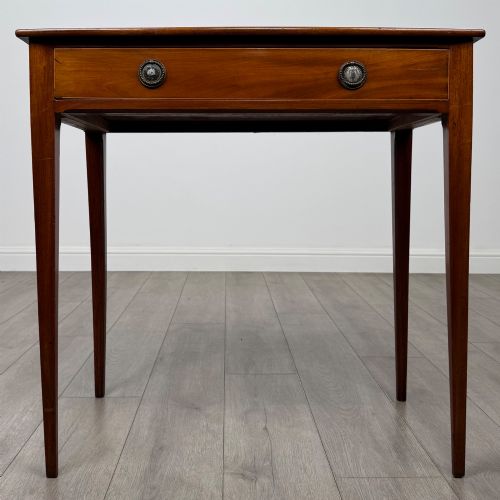
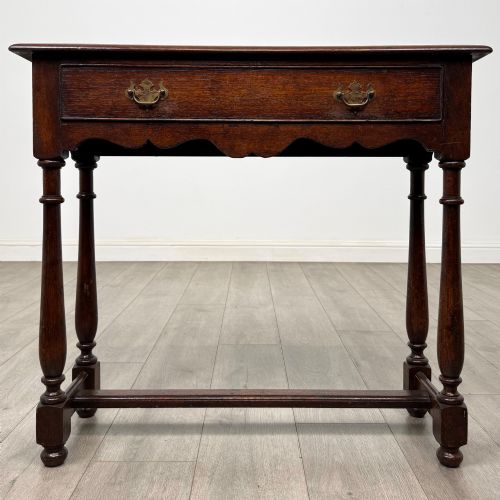

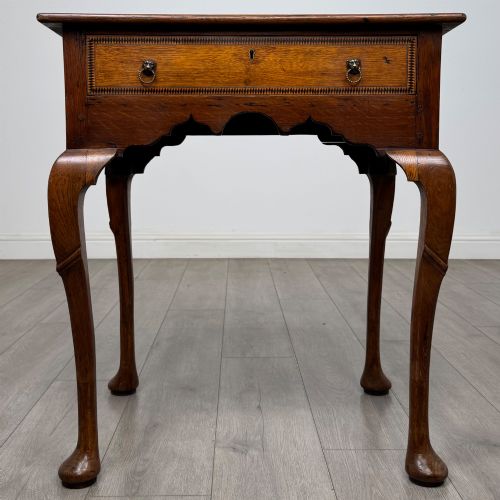
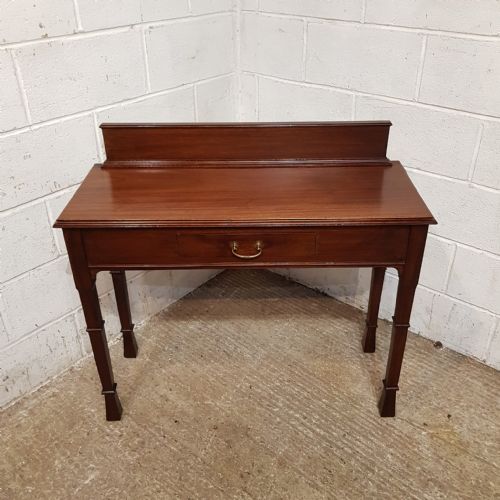
Single Drawer Desk
A single drawer desk brings compact writing space and simple storage into a room without dominating the floor plan.
Single Drawer Desk
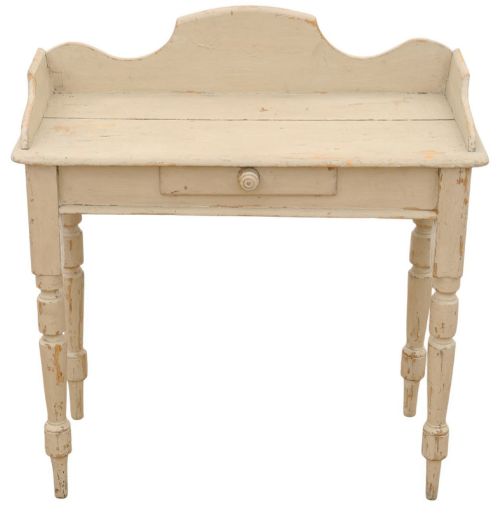
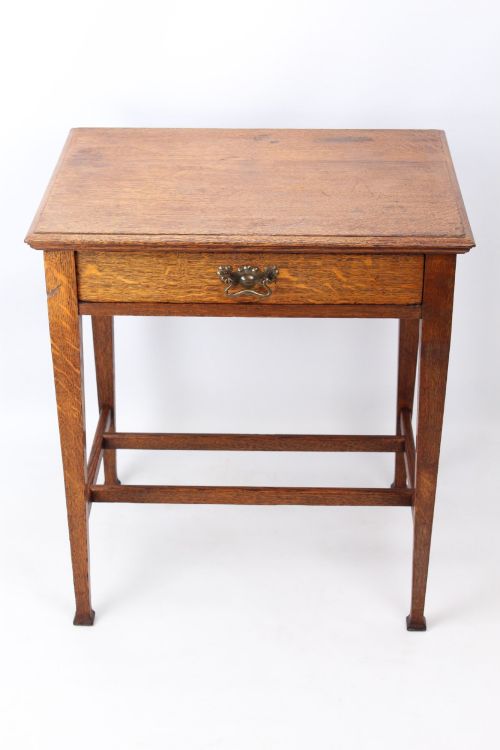
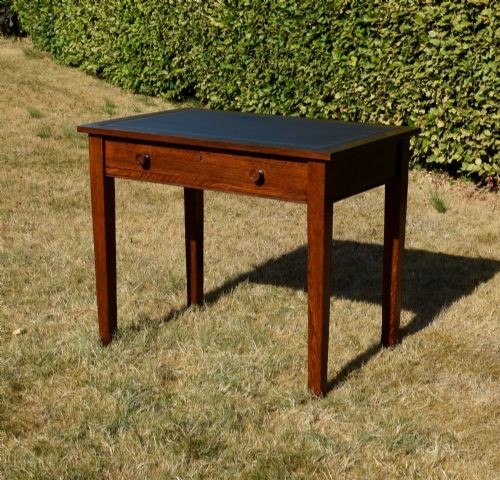
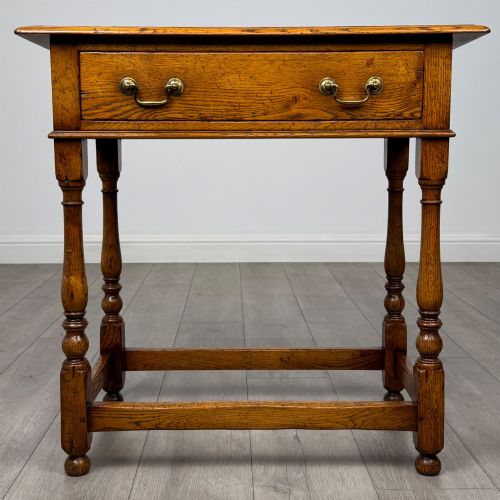
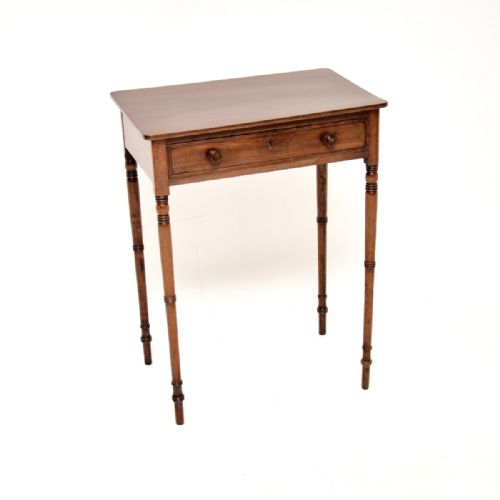
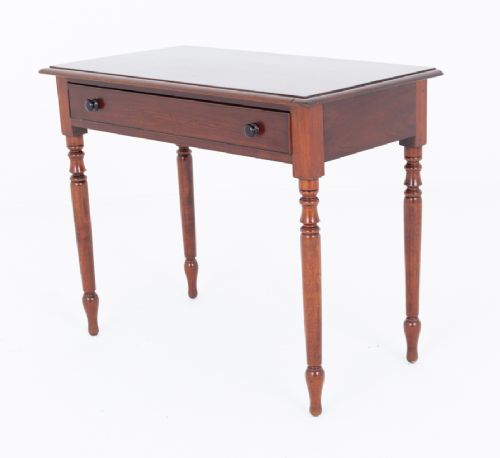
A single drawer desk combines a compact tabletop surface with one frieze drawer underneath for papers and small utensils. These versatile pieces cross several traditional forms, appearing as writing tables, lowboys, console tables, and side tables fitted for practical use.
The versions most commonly met span the Georgian and Victorian periods down to the Edwardian era. Timelines range from sturdy 18th-century examples in oak and walnut through to lighter mahogany and pine constructions of the 19th and early 20th centuries.
Makers designed these items for modest parlours, bedrooms, and halls where a full-sized partner desk proved too large. Their simple elevation and straightforward drawer configuration remain practical for modern laptop use or letter writing.
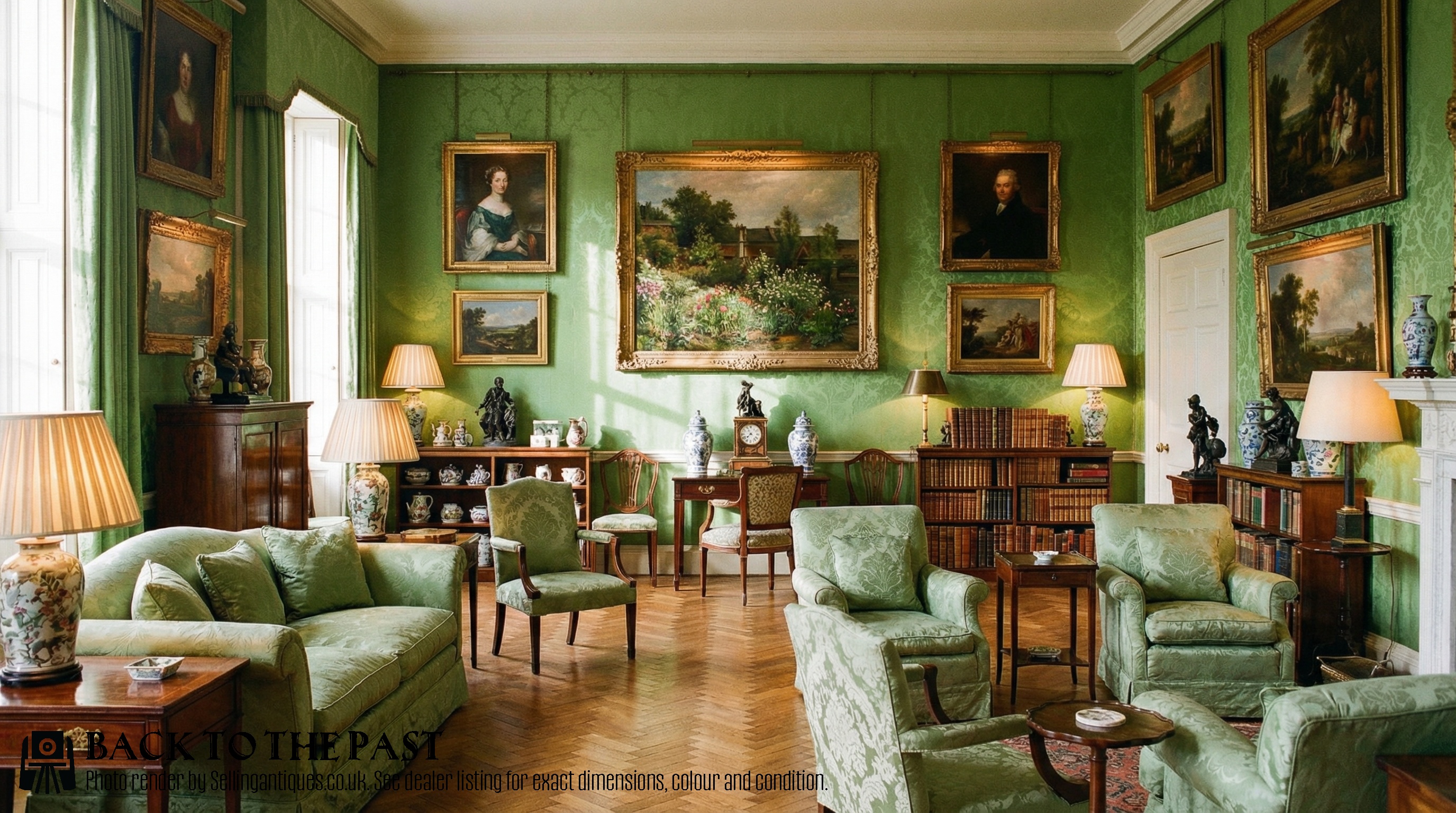
How they were made
Cabinetmakers relied on durable timbers such as mahogany, oak, walnut, pine, and fruitwood to build the frames and carcasses. Selected pieces also incorporate secondary woods, brass handles, leather inserts on writing surfaces, and hand-applied paint finishes.
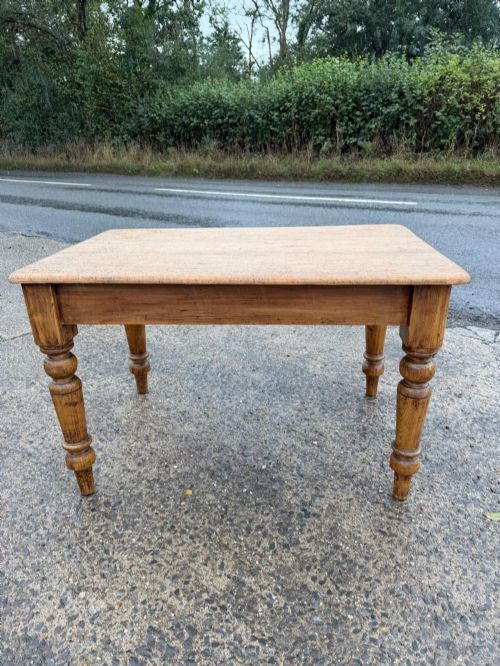
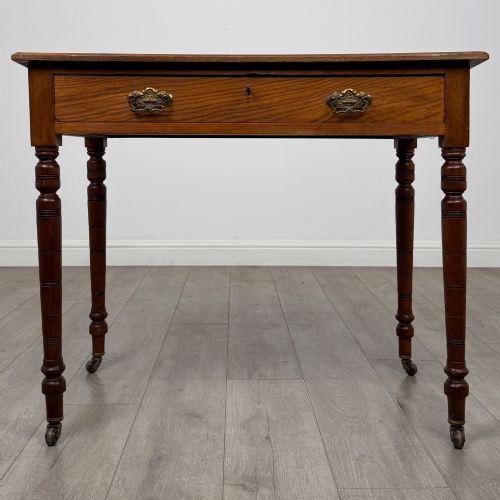
Construction techniques involve traditional jointing for the drawer boxes and legs, ensuring stability without heavy metal bracing. Tables frequently feature a single drawer fitted directly to the front frieze, sometimes accompanied by simple turned or tapering legs.
Single Drawer Desk Retail Price Guide 2026
Typical asking prices for single drawer desk among the pieces listed under this phrase on Sellingantiques today, from the lower quarter to the upper quarter. They describe what is for sale here now, not the wider market.
Some Victorian examples include ceramic castors that let you roll your writing surface across the floor without spilling your ink.
What varies in quality
The choice of primary timber sets the baseline, with finely figured mahogany and dense 18th-century oak sitting at the upper end of cabinet work. Lesser pieces utilise simpler pine or mixed fruitwoods intended for utilitarian domestic service.
Proportion and refinement in the leg turnings and drawer dovetailing separate standard domestic furniture from finer workshop pieces. Original hardware, intact leather writing panels, and untouched aged surfaces elevate the standing of any desk.
The Single Drawer Desk Glossary
- Lowboy
- A small British table with one or more drawers, originating in the late 17th century and often used as a dressing or writing table. These low-standing pieces typically feature cabriole or straight legs.
- Frieze
- The horizontal band running directly beneath the tabletop where the single drawer is housed. It forms the structural centre of the desk's front elevation.
- Dovetail
- A traditional interlocking joint used at the corners of the desk drawer to secure the sides to the front and back. Hand-cut dovetails indicate earlier craftsmanship before mass production.
- Writing Table
- A freestanding table designed primarily for correspondence rather than heavy clerical work. It usually lacks the banks of pedestals found on larger kneehole desks.
Single Drawer Desk: Frequently Asked Questions
What is the difference between a lowboy and a side table?
A lowboy is specifically a low table equipped with one or more drawers, traditionally used for dressing or light writing. General side tables may have drawers or remain entirely flat-topped.
While their silhouettes often overlap in antique inventories, lowboys generally date from the 18th century and exhibit finer cabinetwork.
Can I use a single drawer desk for daily laptop work?
These compact tables provide adequate surface area for modern laptops and notebooks. The single frieze drawer easily accommodates charging cords and small stationery items.
Buyers should check the knee clearance beneath the drawer frieze to ensure comfortable seating height.
How do I date an antique oak desk?
Dating relies on examining the timber grain, drawer construction, and structural hardware. Earlier 18th-century pieces show hand-cut joinery and heavy oak boards, while Edwardian versions feature lighter framing.
Secondary woods and nail types also help pinpoint the manufacturing era between the Georgian and Edwardian periods.
Were all single drawer desks used for writing?
Many pieces served multiple domestic functions, including dressing tables in bedrooms or console tables in hallways. The addition of a fitted drawer simply offered convenient storage for keys, documents, or cosmetics.
Interior compartments and leather inserts provide the clearest indication of a primary writing purpose.