

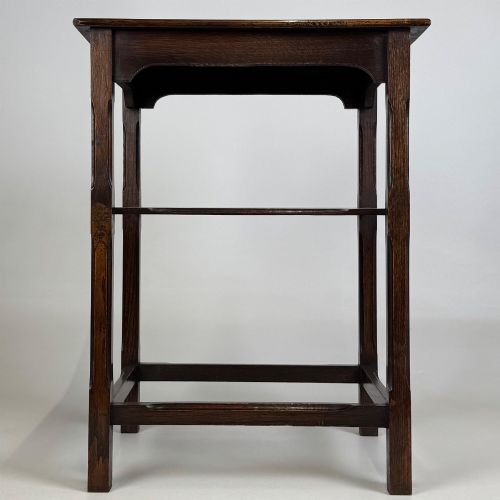
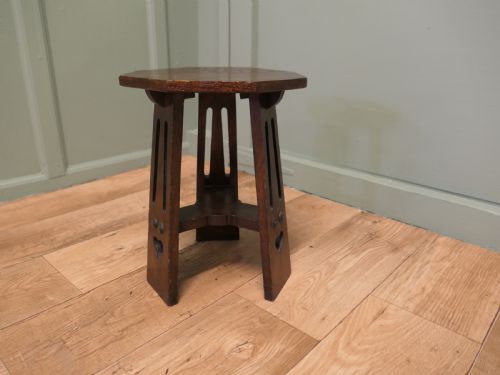
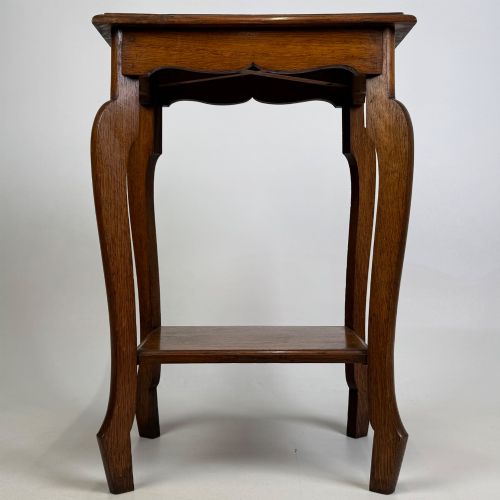
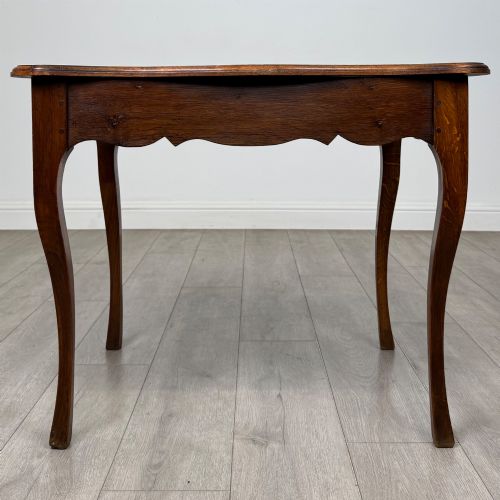
Small Oak Accent Table
A small oak accent table brings sturdy timber and compact proportions to a room, ranging from Edwardian side tables to Georgian tilt-top designs.
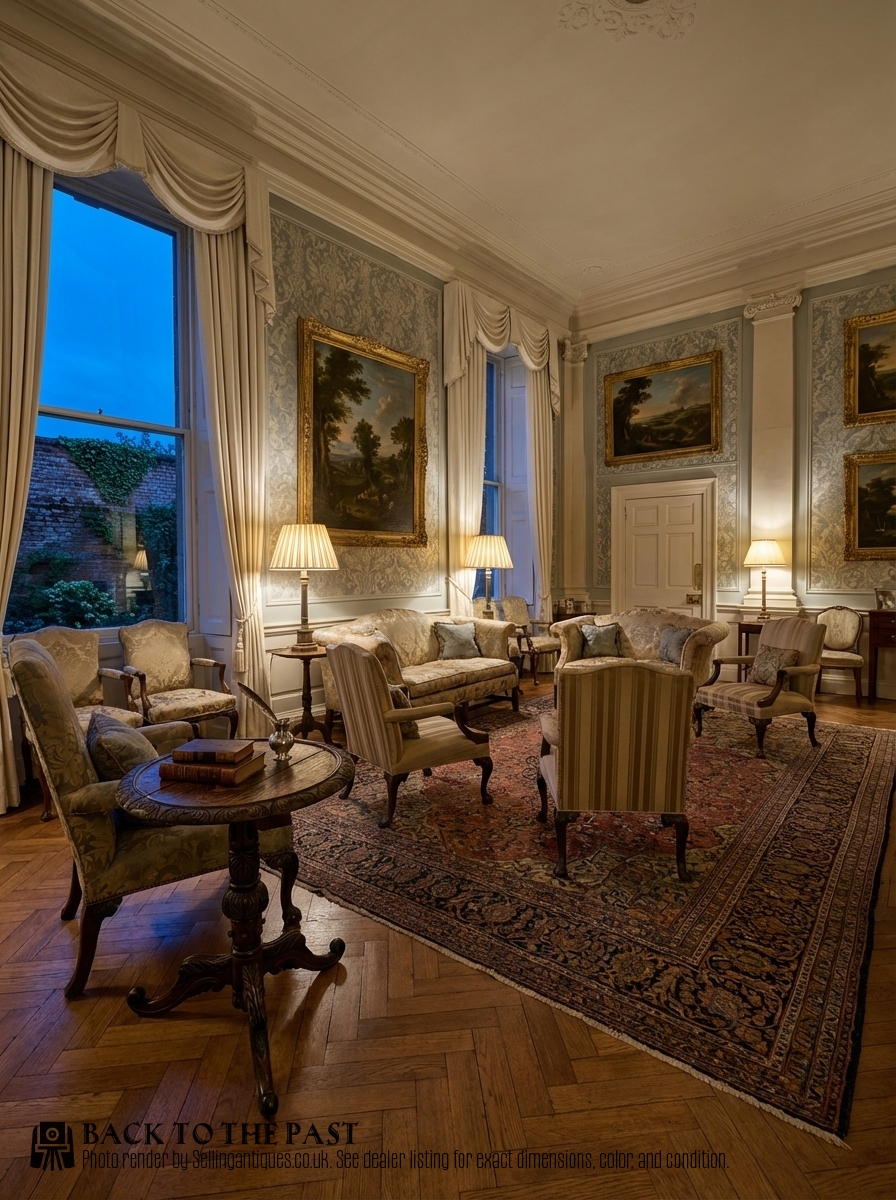
Small Oak Accent Table
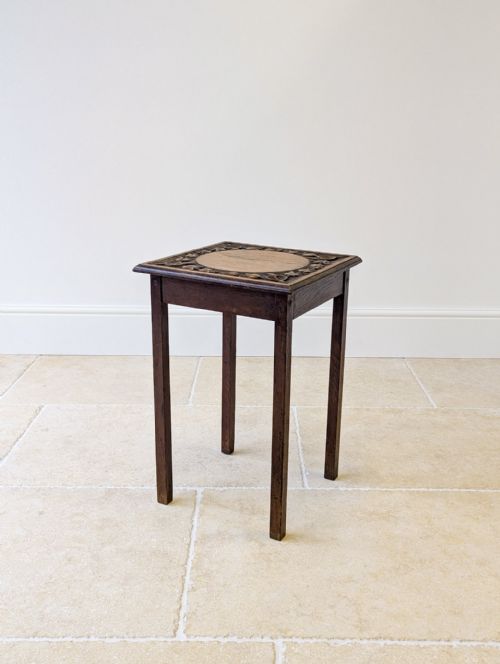
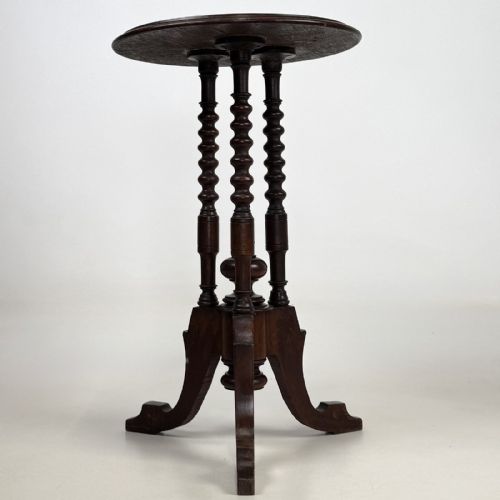
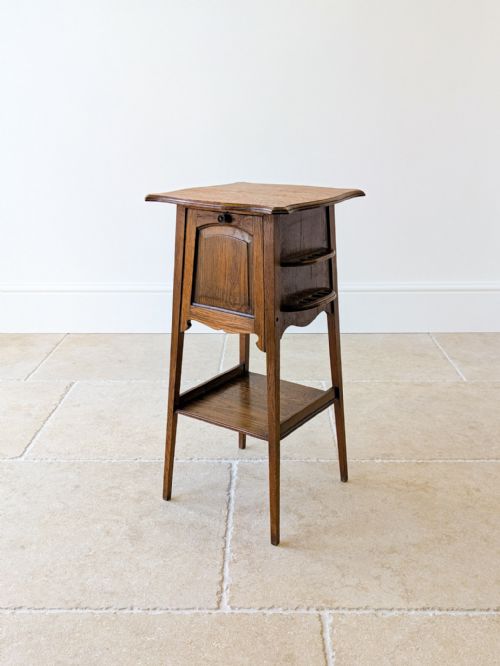
A small oak accent table encompasses side tables, occasional tables, wine tables, and plant stands produced across several centuries. The selections span solid oak, burr oak veneer, and stained wood configurations intended for versatile placement within a room.
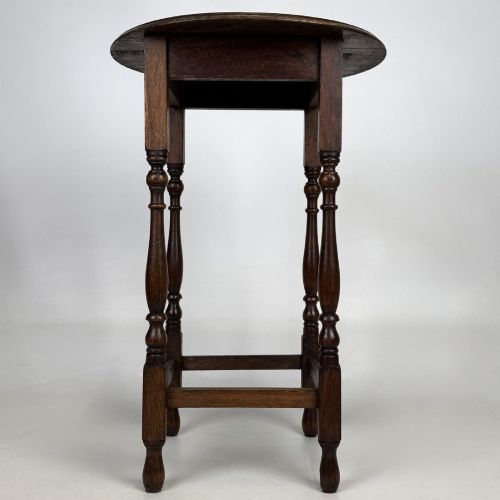
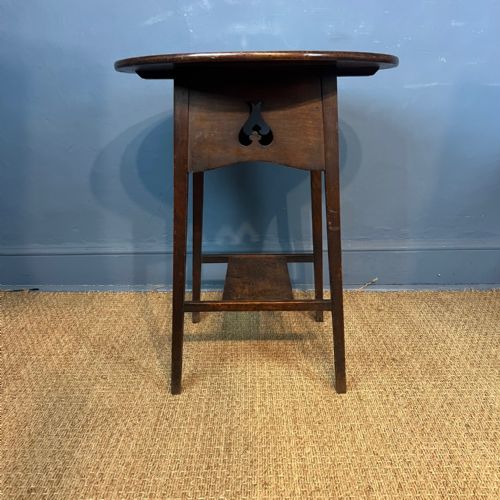
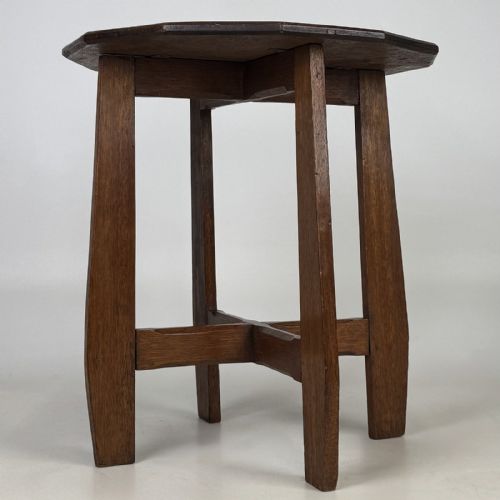
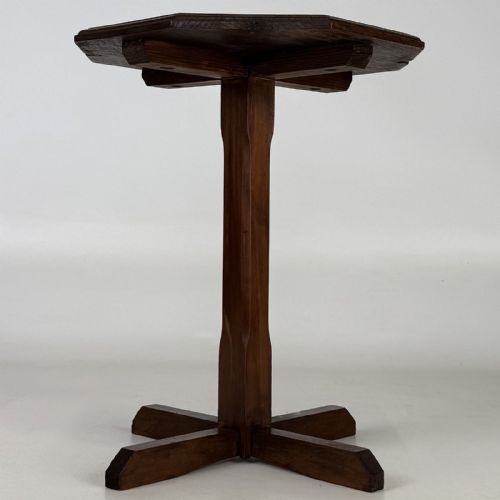
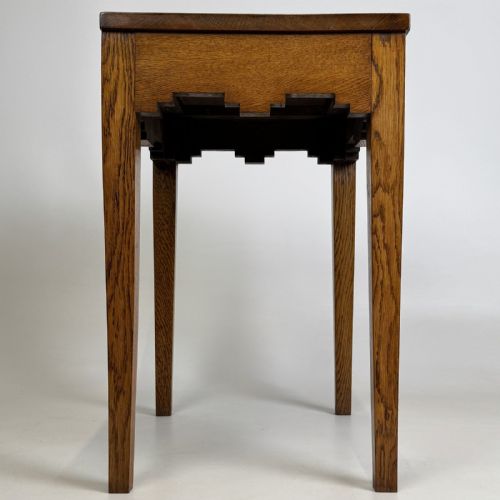
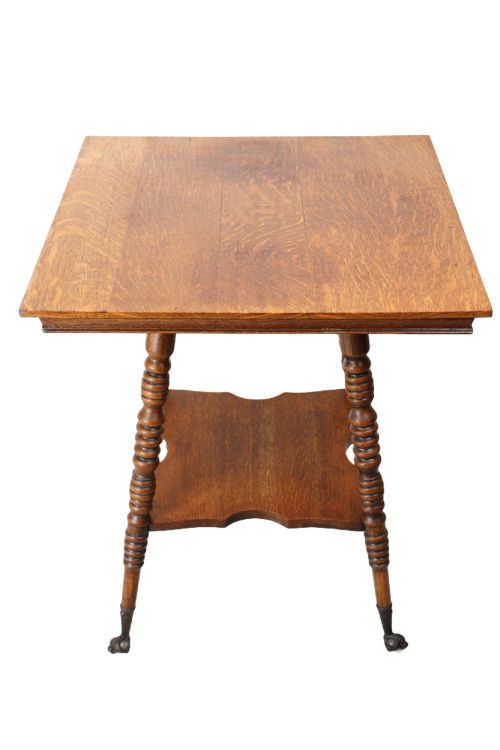
Edwardian side tables and pieces bearing Arts and Crafts or Jacobean Revival styles form a large portion of the selection. These include round tables, octagonal plant stands, and nests of tables utilising straightforward timber construction.
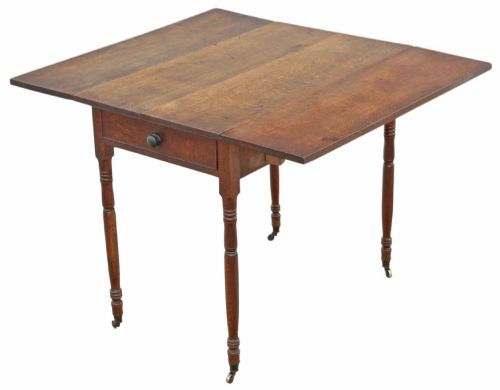
Older examples reach back to the Georgian and 18th Century periods, featuring tripod bases, drop-leaf Pembroke formats, and tilt-top mechanisms. These earlier forms display traditional cabinet-making methods applied to domestic furniture.
How they were made
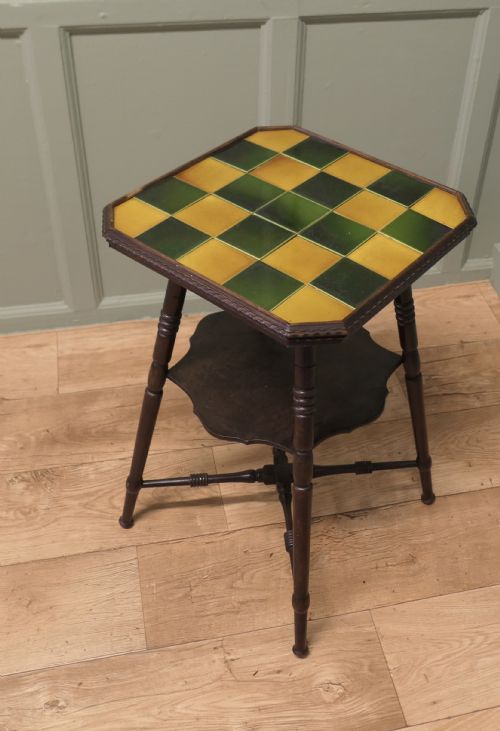
Makers utilised solid oak and burr oak veneer for primary surfaces, often pairing the timber with brass fittings or ceramic tiles inset into table tops. Construction methods rely on traditional joinery to support compact occasional and side tables.
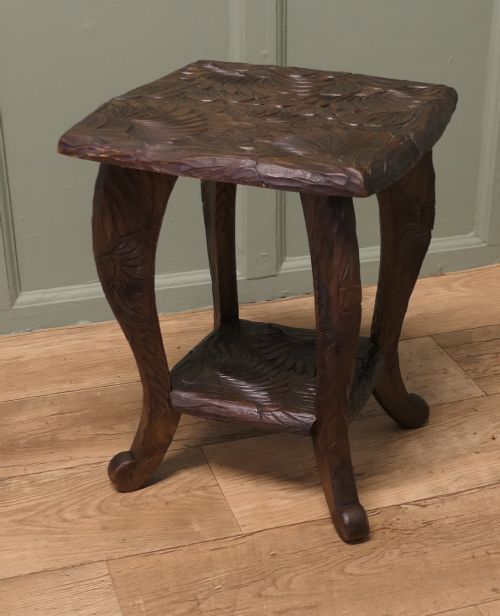
Decorative techniques recorded across the pieces include chip carving, barley twist turnings, and pegged joints typical of Arts and Crafts and revivalist workshops. Stained wood finishes are also applied to alter the natural tone of the timber.
Small Oak Accent Table Retail Price Guide 2026
Typical asking prices for small oak accent table among the pieces listed under this phrase on Sellingantiques today, from the lower quarter to the upper quarter. They describe what is for sale here now, not the wider market.
Several pieces double as plant stands, proving that Victorian ferns needed furniture just as much as tea cups did.
What varies in quality
The standard of timber selection and the complexity of decorative carving define the upper tier of tables. Pieces featuring burr oak veneer or detailed chip carving demonstrate greater ambition in workshop execution.
Structural stability and the choice of supplementary materials, such as inset ceramic tiles or turned wooden supports like barley twists, distinguish standard production items from more unusual specimen tables.
Shapland & Petter·Baillie Scott
The Small Oak Accent Table Glossary
- Cricket table
- A small three-legged wooden table originating from the 18th century, designed to stand firm on uneven floors. These feature a circular top supported by three splayed legs.
- Pembroke table
- A small form of drop-leaf table featuring hinged flaps on either side that can be raised or lowered. They typically include one or two small drawers.
- Tilt-top table
- A pedestal table with a hinged top that pivots to a vertical position when not in use. This mechanism allowed the furniture to be stored flat against a wall.
- Barley twist
- A type of woodturning resembling a helical screw thread. This decorative motif appears frequently on the legs and supports of Edwardian tables.
- Jardiniere stand
- A tall stand or small table designed specifically to hold a plant pot or flower arrangement. Many examples from the Arts and Crafts period utilise this form.
Small Oak Accent Table: Frequently Asked Questions
Where should I place a small oak accent table?
These compact tables fit readily beside armchairs, in narrow hallways, or as lamp and plant stands in reception rooms. Their modest footprints allow them to serve utility roles without dominating smaller spaces.
Because forms range from drop-leaf Pembroke tables to circular tripod bases, they adapt easily to corners or beside seating where surface space is limited.
How do I identify an Edwardian oak table?
Edwardian examples often feature characteristic details like barley twist legs, chip carving, or simple panelled construction. The period embraced both plain utility and revivalist styles.
Makers working in this era frequently produced small side tables, plant stands, and nests of tables in golden or dark oak finishes.
What is the difference between a side table and an occasional table?
Side tables are generally built for a permanent spot beside seating or against a wall, sometimes incorporating drawers for storage. Occasional tables are lighter, more movable pieces brought out as needed.
Both terms describe compact formats in the evidence, though occasional tables frequently lean towards tripod and wine table configurations.
How do Arts and Crafts tables differ from Georgian ones?
Arts and Crafts pieces emphasise honest construction, natural timber grain, and occasionally inset ceramic tiles or handcrafted chip carving. They date predominantly around 1900.
Georgian and 18th Century examples rely on proportion, slender columns, tilt-top mechanisms, and refined cabinet-making rather than the rustic or revivalist ornamentation seen later.