

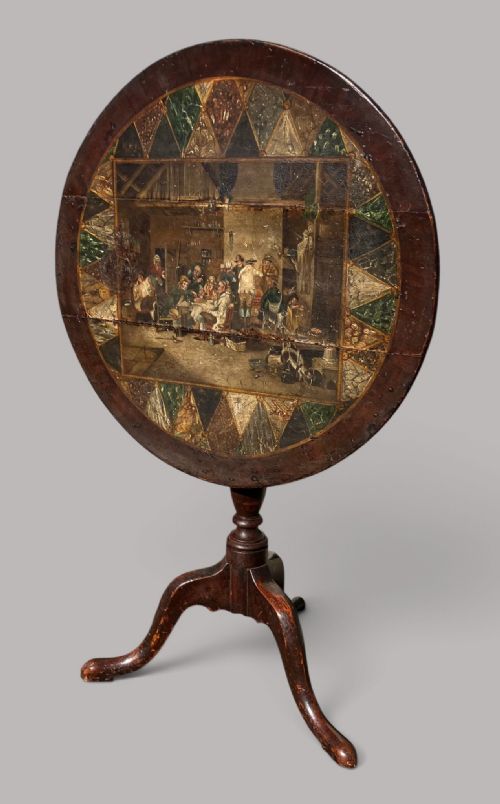
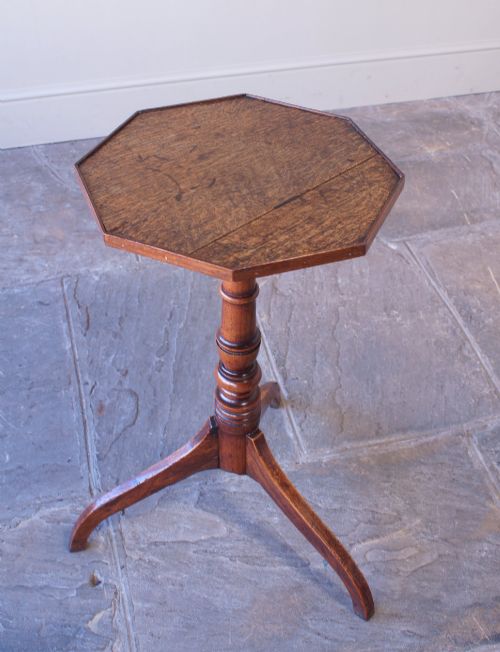
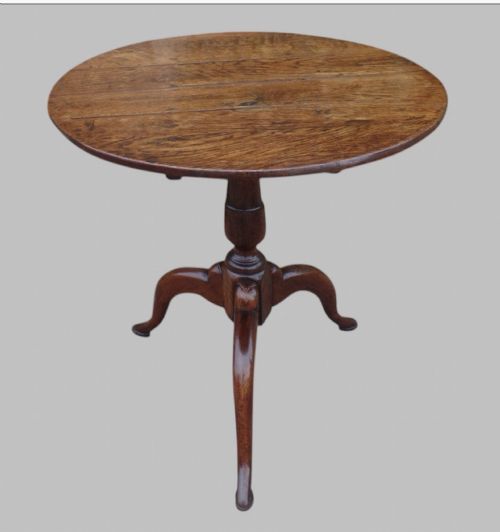
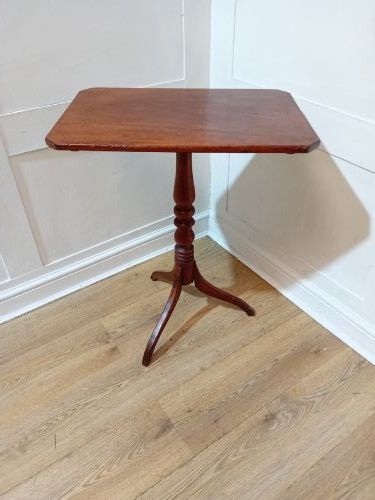
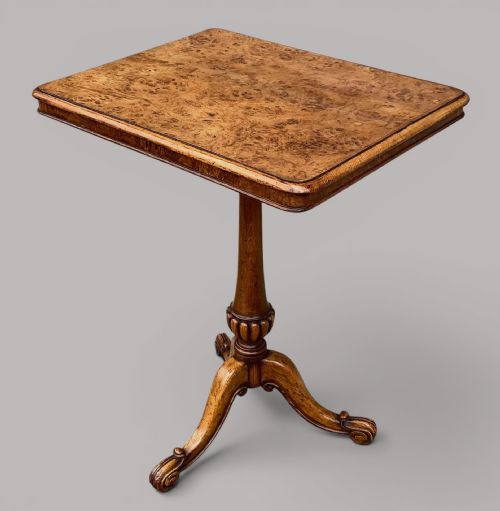
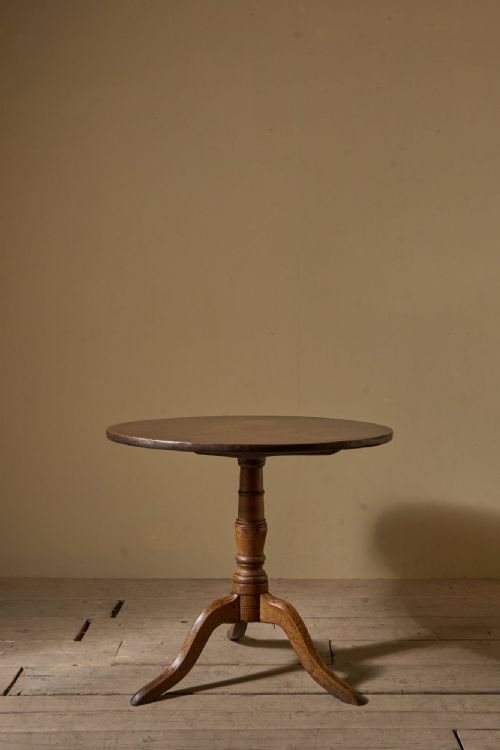
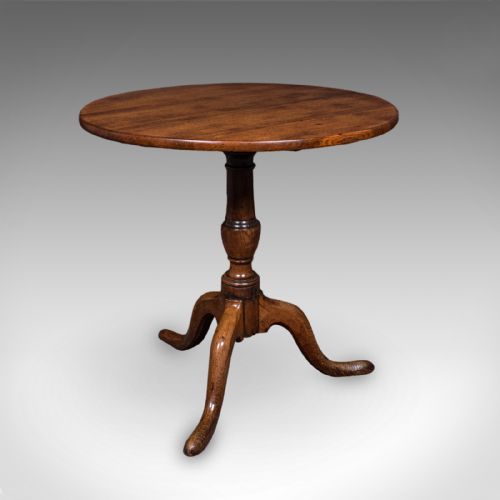
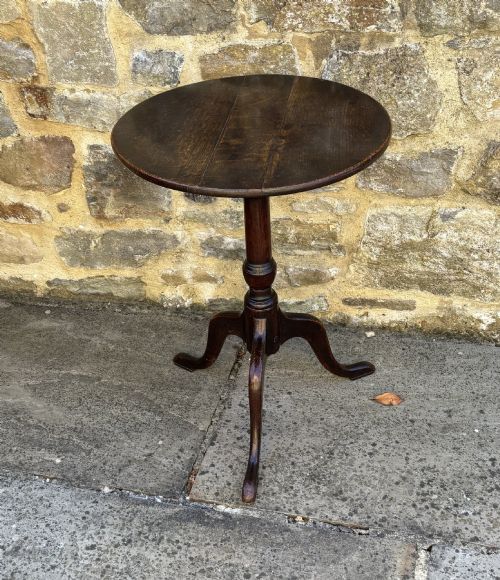

Georgian Oak Candle Stand
A georgian oak candle stand brings honest eighteenth-century utility and sturdy tripod balance into a modern room.
Georgian Oak Candle Stand
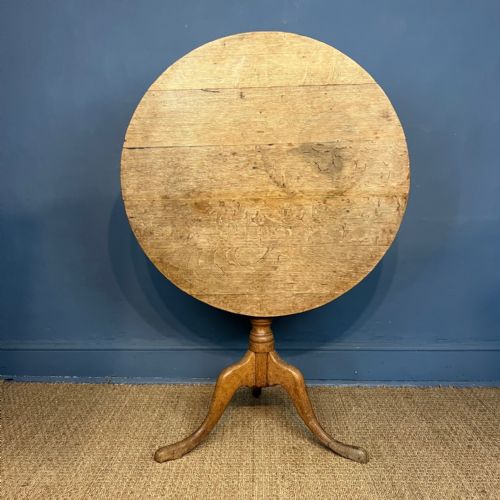
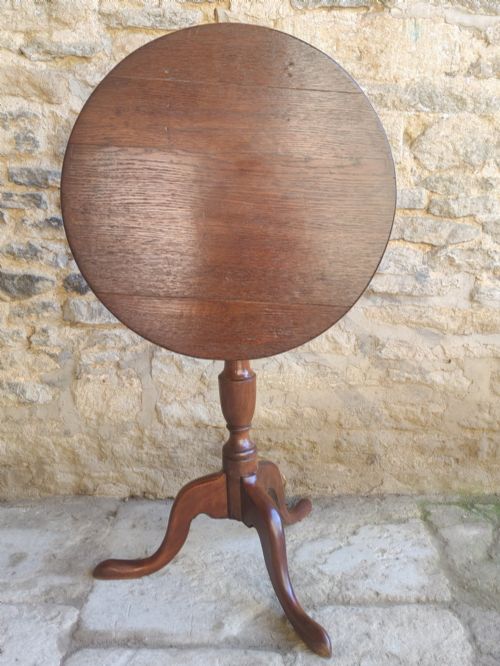
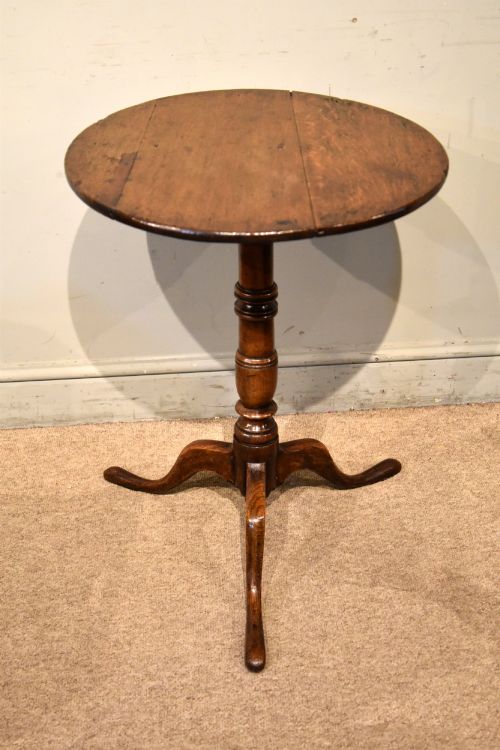
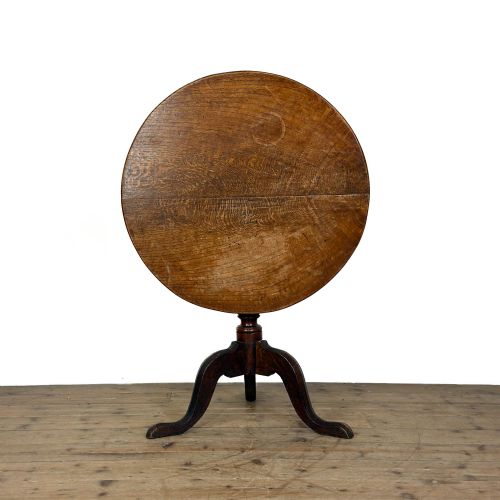
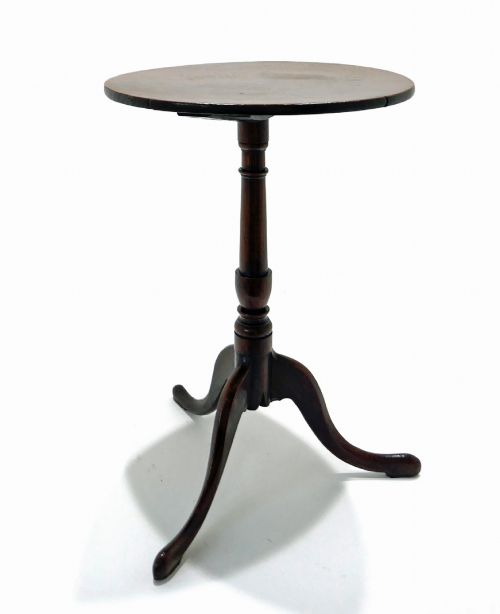
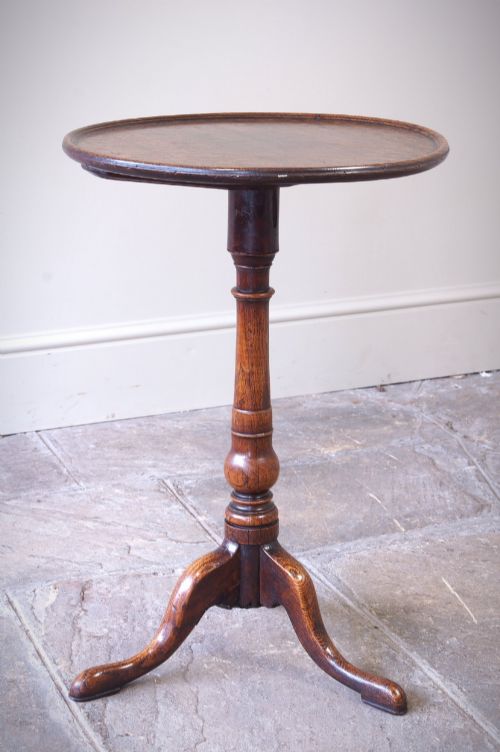
When you search for a georgian oak candle stand, you are looking at compact occasional tables designed to hold a light source or small items beside a chair. The pieces on this page span the eighteenth century and the year eighteen hundred, appearing as tripod tables, side tables, and occasional tables.
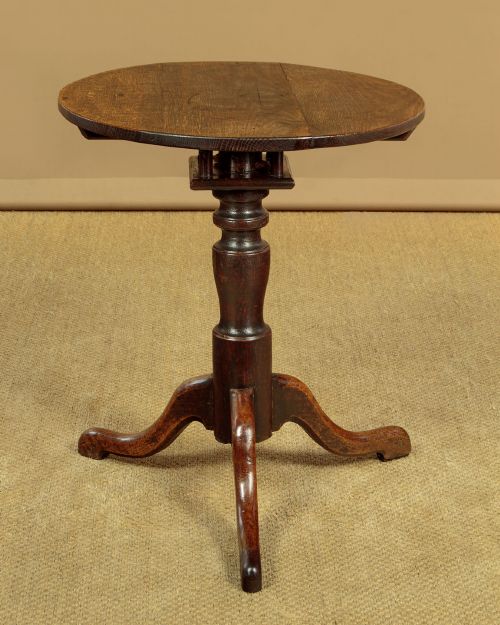
You are most likely to meet circular tops supported by three splayed legs, often featuring tilt-top mechanisms or fixed tops. Their origins trace to English and Welsh workshops working within the Georgian vernacular tradition.
How they were made
Maker-joiners constructed these stands primarily from solid oak, frequently combining it with elm or yew wood for contrasting tops or structural parts. The timber was turned on lathes for columns and shaped by hand for table tops and legs.
Construction relies on traditional joinery techniques, including tenons, pegging, and birdcage or tilt-top pivot mechanisms that allow the top to fold flat when not in use.
Georgian Oak Candle Stand Retail Price Guide 2026
Typical asking prices for georgian oak candle stand among the pieces listed under this phrase on Sellingantiques today, from the lower quarter to the upper quarter. They describe what is for sale here now, not the wider market.
Some tilt-tops fold upright so neatly you half expect them to scuttle off and hide behind the grandfather clock.
What varies in quality
Quality rests in the proportion of the turned column and the balance of the three splayed legs. Finer examples show thoughtful timber selection in the oak or yew top, displaying rich grain rather than heavy knotting.
The integrity of the pivot mechanism and the retention of original feet or toes distinguish superior regional pieces from those with heavy repairs or replaced components.
The Georgian Oak Candle Stand Glossary
- Tripod table
- A small occasional table supported by three legs radiating from a central pillar. This form became popular during the Georgian period for its stability on uneven floors.
- Tilt-top table
- A table with a hinged top that pivots to a vertical position. This allowed the piece to be stored against a wall when not in use.
- Vernacular
- Local or regional furniture making that prioritises practical function and available materials over metropolitan high style. It often employs secondary timbers such as elm alongside primary oak.
- Birdcage
- A timber framework beneath the table top that connects the pillar to the surface. It permits the top to both rotate and tilt.
Georgian Oak Candle Stand: Frequently Asked Questions
What was a candle stand used for?
These stands held portable lighting devices such as tallow candles or oil lamps in eighteenth-century parlours and bedchambers. Their compact size allowed servants to place them close to seated guests.
Today they function effectively as small side tables for resting drinks or small plants beside a sofa.
How do I tell a genuine Georgian stand from a later copy?
Examine the underside of the top and the pegging around the central block for signs of hand tools and period wear. Eighteenth-century construction methods leave distinct marks that differ from nineteenth or twentieth-century machine production.
Look for natural timber shrinkage and patination that develops across centuries of handling.
Are all these tables made entirely of oak?
While oak forms the primary structural material, makers frequently incorporated other native hardwoods. Listings often record combinations of oak with elm or yew wood.
Secondary timbers were often selected for specific parts like table tops or turned shafts based on local availability.
How do I care for an oak candle stand at home?
Keep the wood away from direct heat sources and sudden humidity changes to prevent timber splitting. Regular dusting with a dry cloth helps maintain the surface finish.
Occasional application of traditional beeswax nourishes the grain without building up heavy chemical residues.