
Brown Oak Wine Table
A brown oak wine table brings warmth and rich grain to a room, offering a compact surface suited for a glass or a lamp.
What these tables are
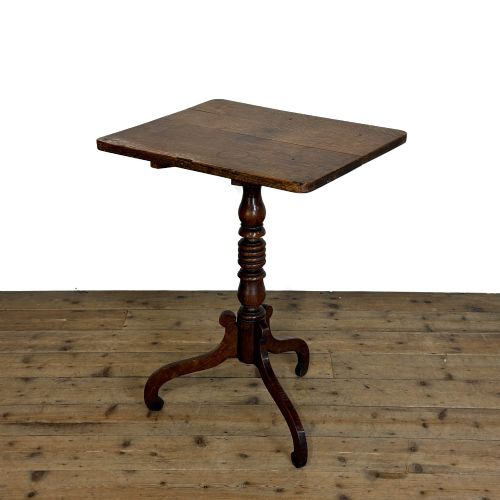
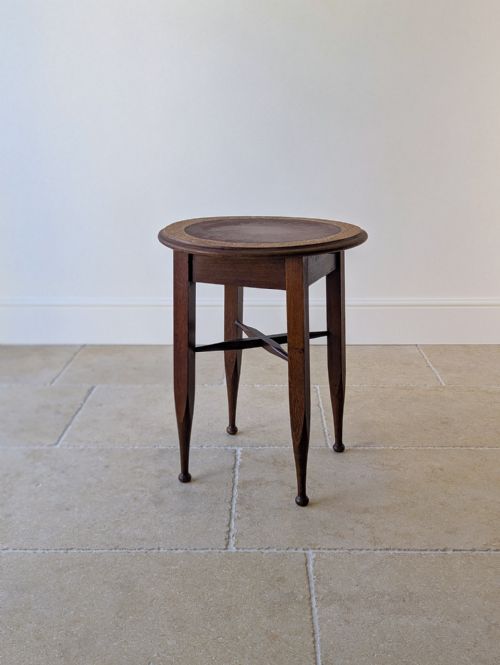
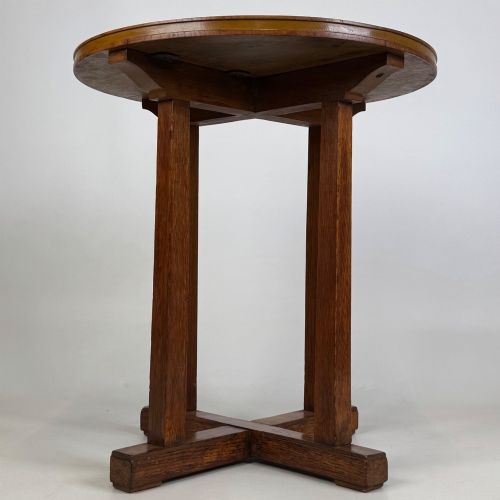
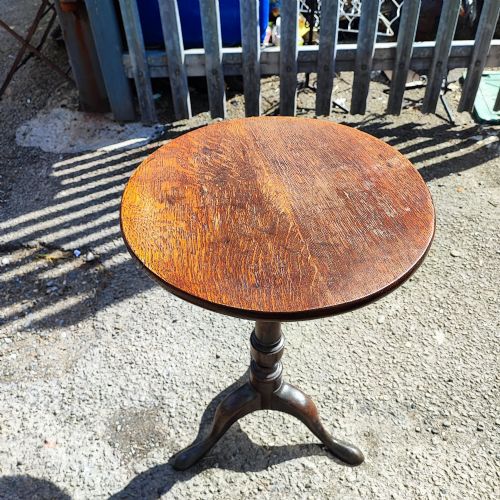
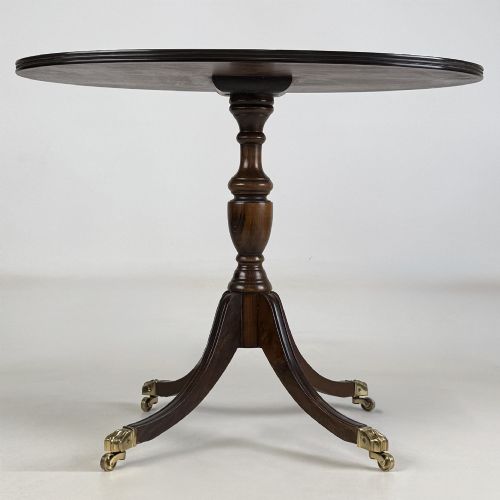
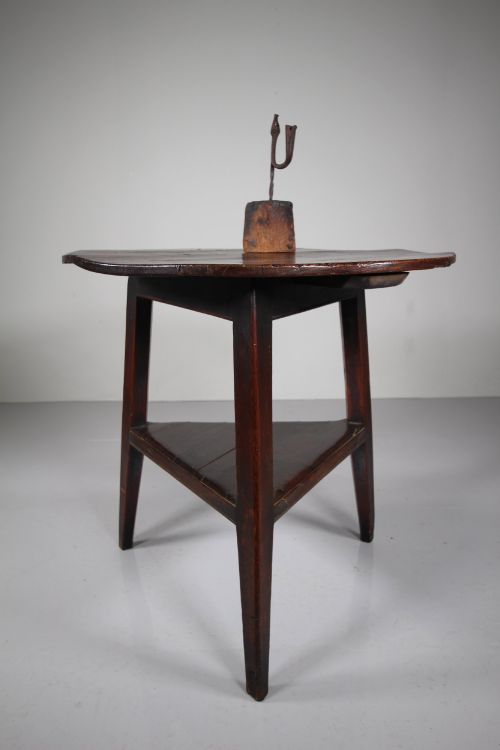
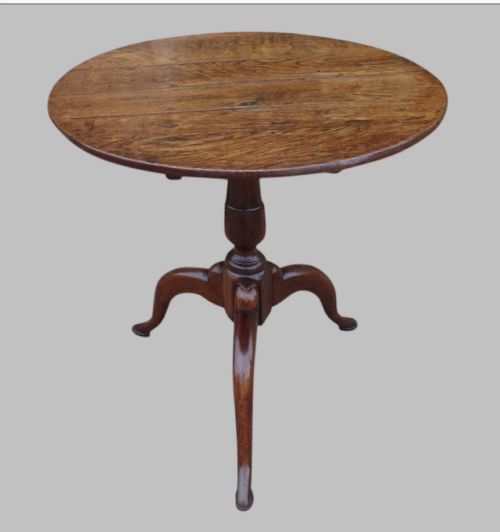
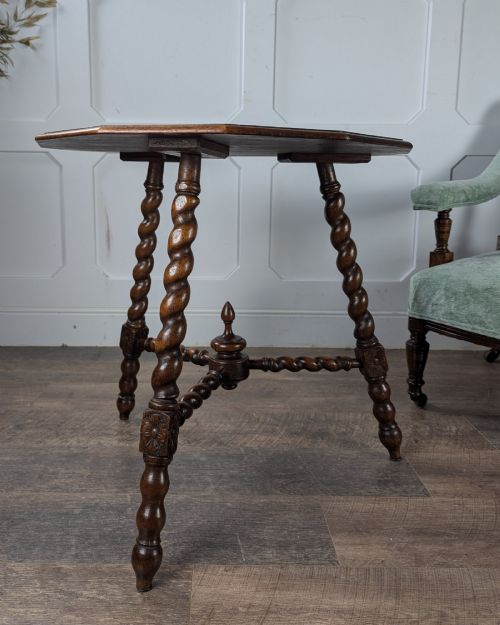
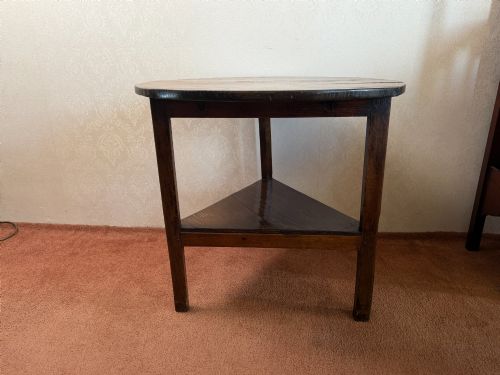
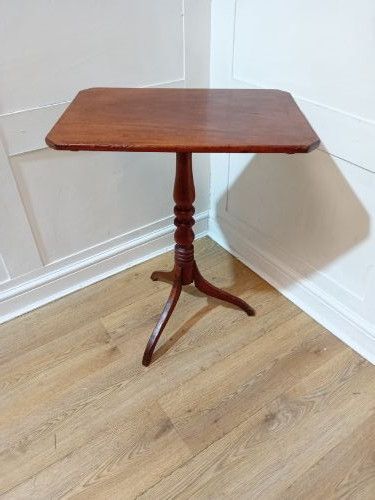
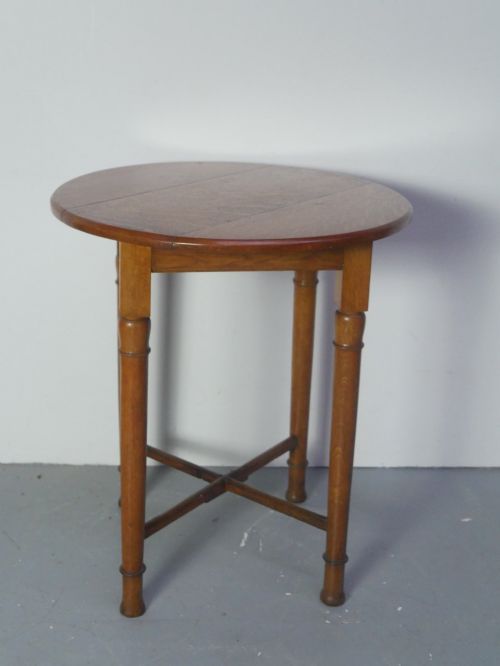
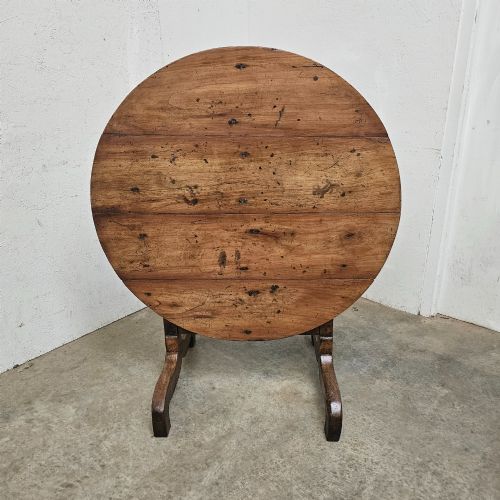
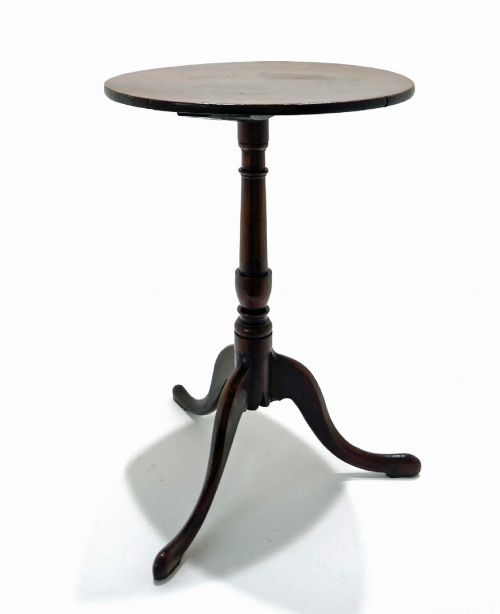
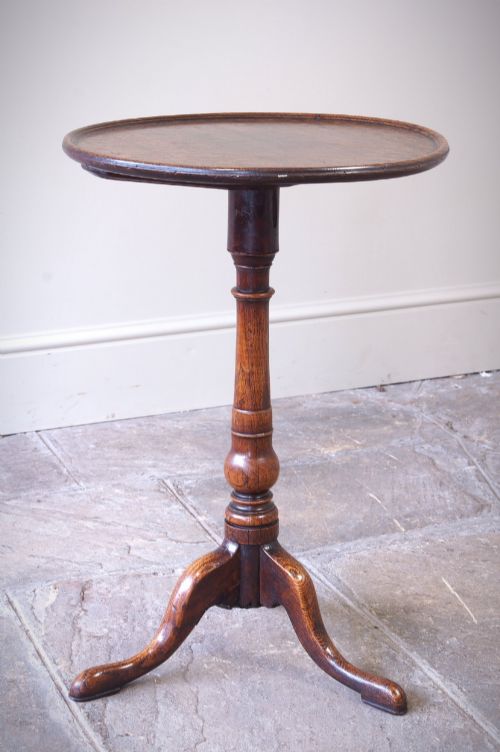
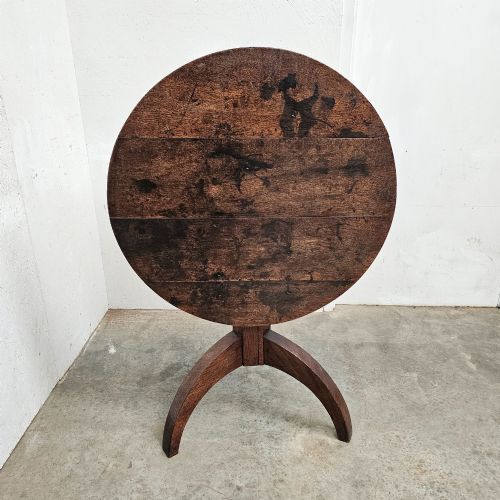
A brown oak wine table appears across Georgian, eighteenth-century, and nineteenth-century periods, taking the form of small occasional tables, side tables, and tilt-top tables. These pieces typically feature tripod bases and slender columns designed for modest spaces.
How they were made
Joiners built these pieces using solid oak, often incorporating fruitwood, burr wood, and marquetry inlay for decorative contrast. Timber selection focused on rich brown tones and distinct grain patterns.
Construction methods rely on traditional carpentry, uniting tripod legs with slender central columns and occasional tilt-top mechanisms. Surfaces receive hand-finishing to highlight the natural qualities of the wood.
Retail Price Guide 2026
Typical UK retail prices for brown oak wine table, calculated from the Sellingantiques database of over a million retail prices indexed since 2003. This retail price guide relies exclusively on Sellingantiques data; no external sources or auction records are used, so the figures do not describe the wider market.
Tilt-top tables spent much of their early lives pressed flat against dining room walls like wooden sentinels waiting for the evening port.
What varies in quality
Quality rests upon the choice of timber and the finesse of the turning on the central column. Superior examples display carefully matched grain and stable tripod construction without clumsy repairs.
The integration of marquetry inlay or burr wood sections dictates the visual hierarchy of the piece. Refinement in proportion and leg profile separates standard utility furniture from finer workshop output.
The Brown Oak Wine Table Glossary
- Tripod base
- A three-legged support system common on small occasional tables to ensure stability on uneven floors. This design allows the table to stand firmly without rocking.
- Tilt-top mechanism
- A hinge arrangement permitting the tabletop to fold vertically when not in use. This feature saved space in period interiors.
- Marquetry inlay
- Decorative patterns formed by fitting contrasting pieces of wood veneer into the primary surface. It adds visual complexity to the tabletop.
- Slender column
- The central vertical shaft connecting the tripod legs to the top. Its turned profile defines the elegance of the silhouette.
Frequently Asked Questions
What is a brown oak wine table used for?
These small tables serve as convenient bedside surfaces or lamp stands in living spaces. Their compact proportions make them versatile additions to various rooms.
Historically, similar tripod tables held drinks or small accessories near seating areas. Today, they function well as accent pieces in traditional and contemporary interiors.
How do I date a Georgian oak table?
Dating relies on examining construction marks, timber characteristics, and hardware where present. Georgian pieces often display hand-turned columns and pegged joints.
Comparing the leg profile and timber finish against known period examples helps narrow the decade. Eighteenth-century pieces typically show distinct patination from age and use.
Where should I place an antique occasional table?
These tables fit easily beside armchairs, sofas, or in narrow hallways where surface space is limited. Their modest footprints prevent them from overwhelming smaller rooms.
Keeping them away from direct heat sources protects the antique oak and veneer from drying out. Proper placement lets the grain and finish remain visible.