
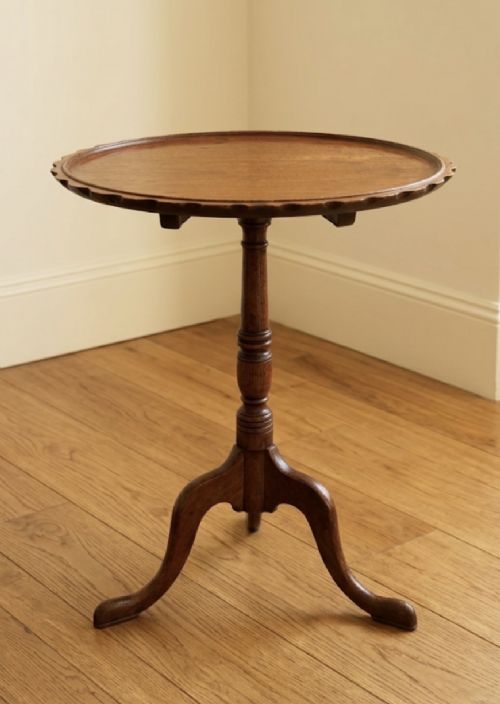


Georgian Oak Pedestal Table
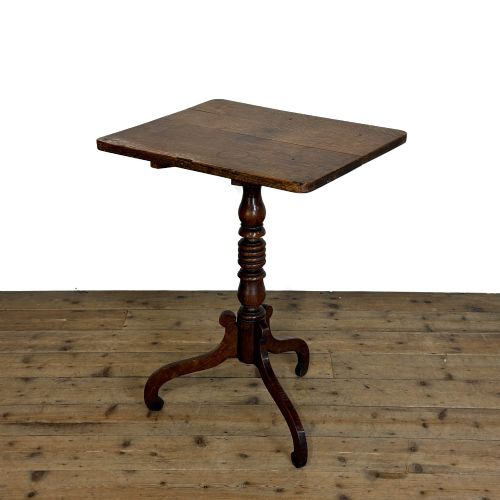
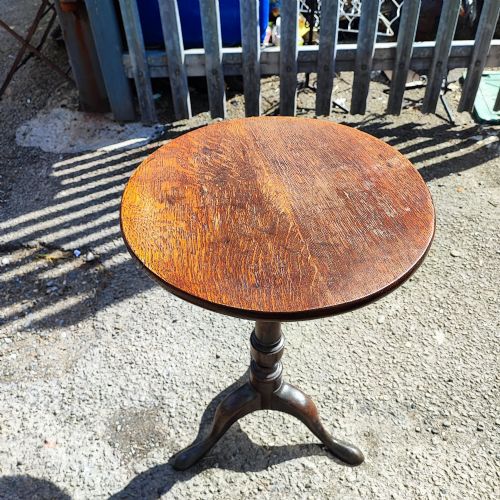
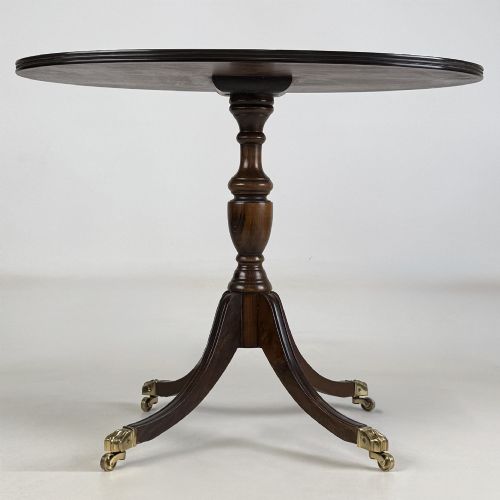
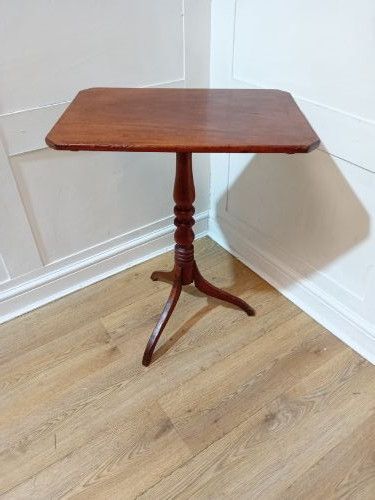
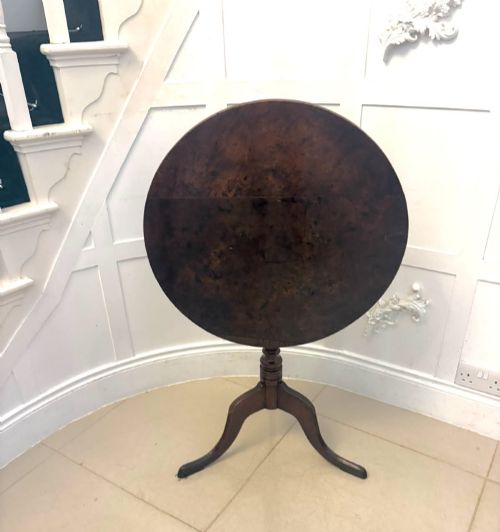
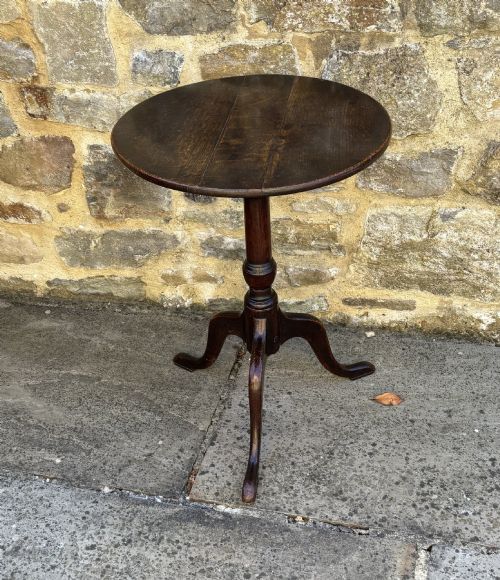
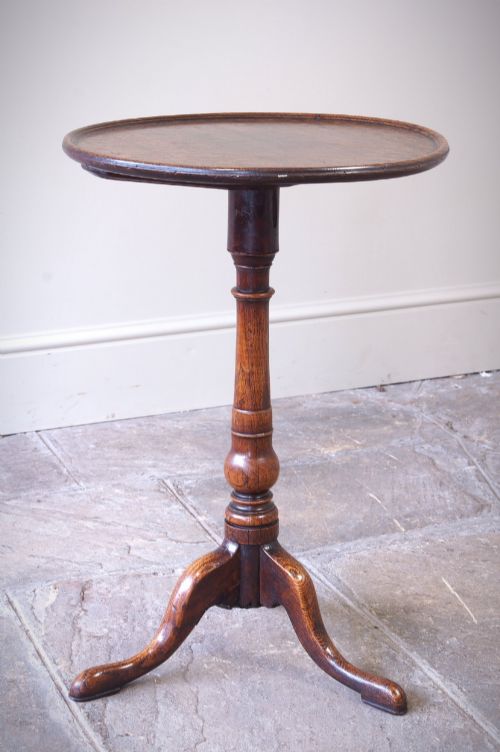
A georgian oak pedestal table brings compact utility and honest country proportion to a room, offering a sturdy central column and a circular top.
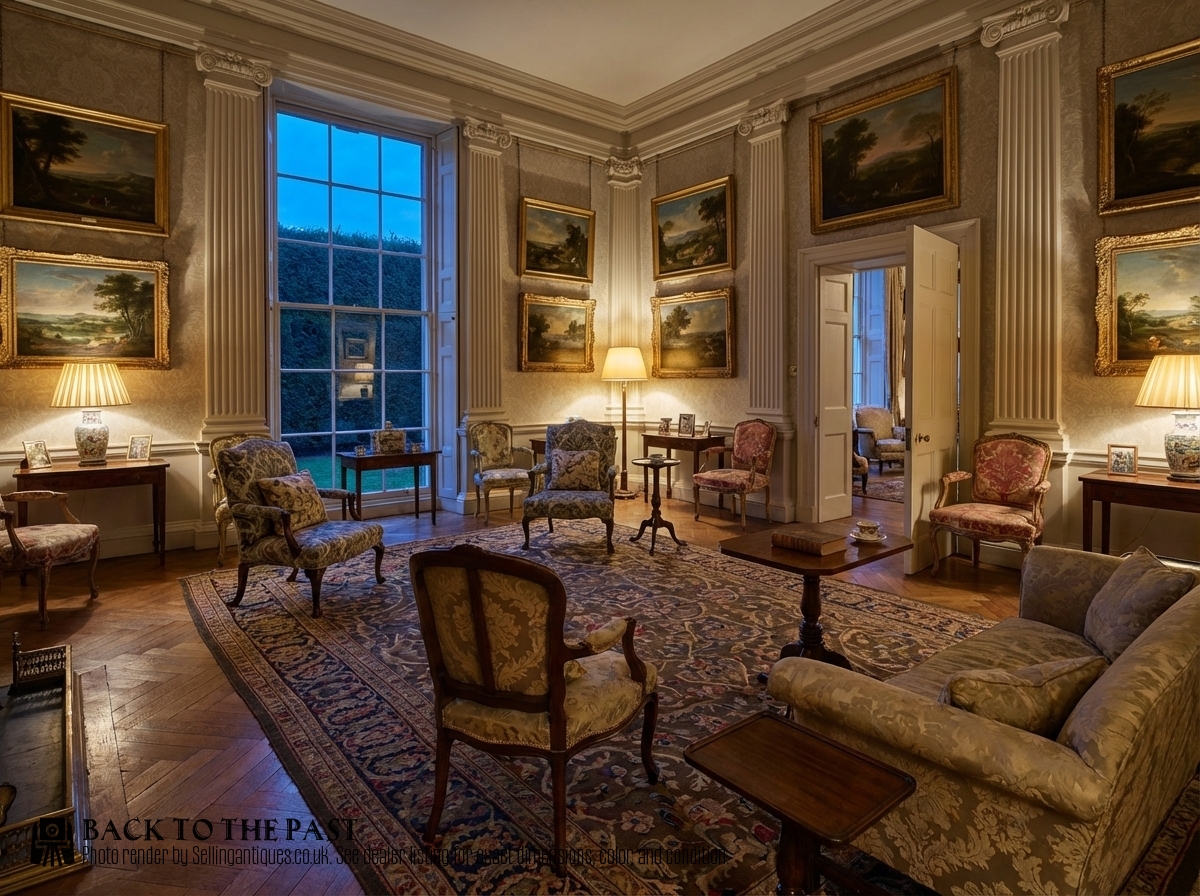
Georgian Oak Pedestal Table
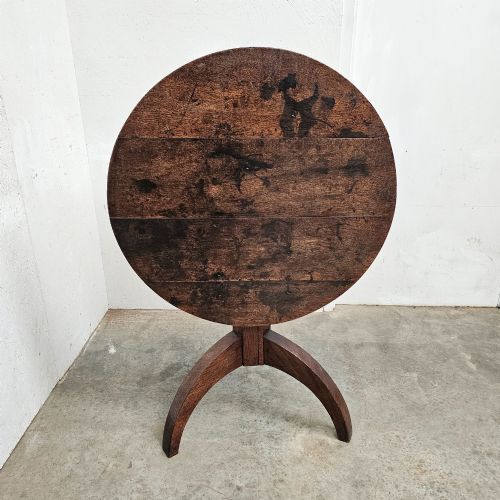
A georgian oak pedestal table typically presents as a tripod wine or lamp table, constructed during the eighteenth or early nineteenth century with a tilting or fixed top. These domestic furnishings served practical functions beside seating, holding candles, books, or small vessels.
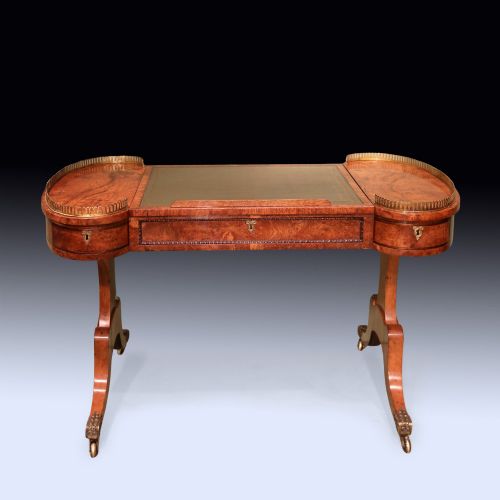
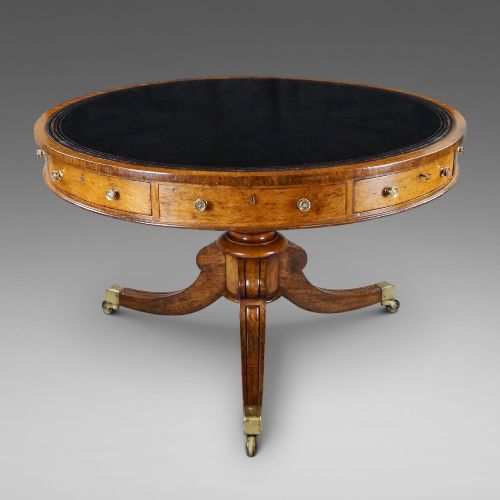
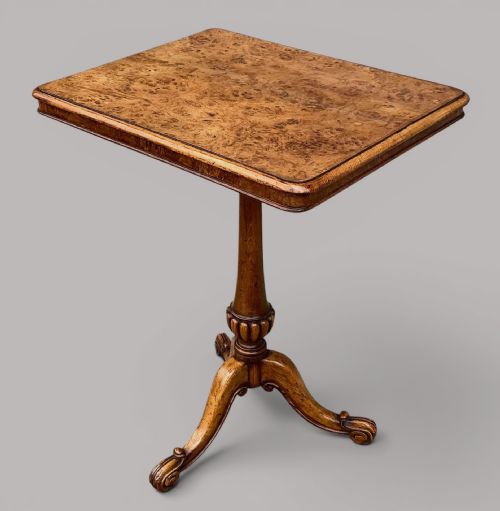
The selections span from strict eighteenth-century vernacular pieces to later nineteenth-century adaptations, featuring occasional tables, card tables, desks, and torchere plant stands. Oak remains the primary timber, often supplemented by elm, walnut, and burr oak figures on the top surfaces.
Materials and construction
Cabinetmakers utilised solid oak for structural stability, turning central pedestals on lathes and shaping three-way tripod legs to ensure a balanced stance on uneven floors. Elm and yew frequently appear alongside oak, providing contrasting grain patterns and durable surfaces for domestic use.
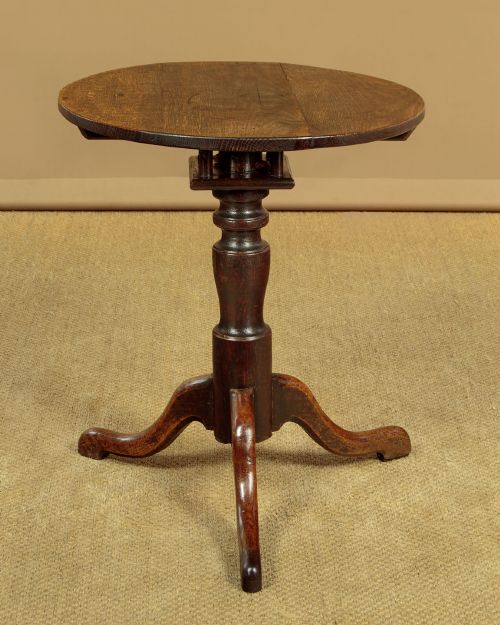
Joinery techniques relied upon pegged mortise and tenon joints for the pillar supports, while tilt-top mechanisms incorporated brass catches and wooden birdcage blocks to pivot the circular tops. Timber selection focused on dense quarter-sawn boards that resisted warping over decades of daily service.
Several tables retain clever birdcage mechanisms that let the top both tilt and spin simultaneously for midnight tea.
Quality differences
Quality rests in the figure of the timber and the crispness of the turned column, where burr oak or pollard oak tops display superior figuring compared to plain stock. The proportions of the tripod legs and the delicacy of the pad feet dictate the visual balance of the piece.
Surface patination separates standard examples from exceptional ones, with natural wax finishes revealing deep honey tones and historical wear. The integrity of the tilt mechanism and the retention of original brass fittings also define the standing of individual pieces.
William Trotter
The Georgian Oak Pedestal Table Glossary
- Tripod table
- A small stand supported by a central pillar resting on three legs. This form gained popularity during the mid-eighteenth century for domestic flexibility.
- Tilt-top
- A tabletop hinged to the central pedestal so it can stand vertically when not in use. This mechanism saved floor space in smaller rooms.
- Vernacular
- Furniture made by regional craftsmen using local traditions rather than metropolitan designs. These objects prioritise practical utility over ornate decoration.
- Burr oak
- Timber harvested from tree growths that produce complex, swirling grain patterns. Cabinetmakers prized this wood for decorative table tops.
- Patina
- The surface sheen and colour developed by wood over centuries through handling, polishing, and exposure to light. It serves as an indicator of age and honest care.
Georgian Oak Pedestal Table: Frequently Asked Questions
How do I date an oak pedestal table?
Dating relies on examining the construction methods, leg profiles, and timber preparation visible beneath the top and around the central pillar. Earlier eighteenth-century pieces often display hand-turned elements with slight irregularities and pegged tenons.
Later nineteenth-century interpretations introduce machine-cut components, standardised brass fittings, and denser mahogany or walnut secondary woods. Nail types and saw marks provide further clues to the period of manufacture.
Where were these tables used?
These pieces functioned primarily as movable surfaces in domestic sitting rooms, libraries, and parlours. Their compact footprints suited placement beside armchairs or near windows for reading and needlework.
In dining settings, smaller tripod versions held candlesticks or decanters before being cleared away. Their portability made them versatile additions to various rooms within a traditional household.
How do I care for antique oak?
Maintenance requires regular application of natural beeswax and gentle buffing with a soft cloth to nourish the dry timber. Avoid placing these items near direct heat sources or strong sunlight, which can cause the wood to split or fade.
Liquids should be kept away from untreated surfaces to prevent staining the historic grain. Simple preventative care preserves the natural patination built up over centuries.