
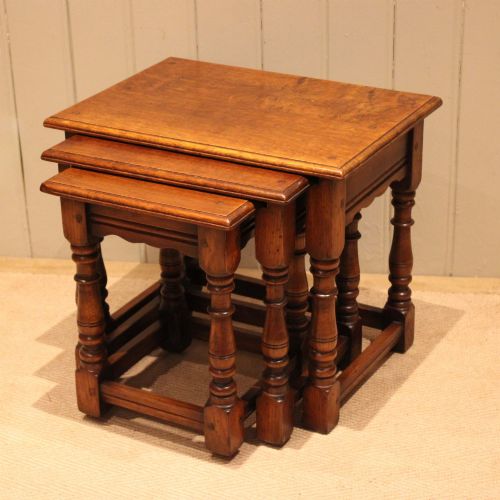
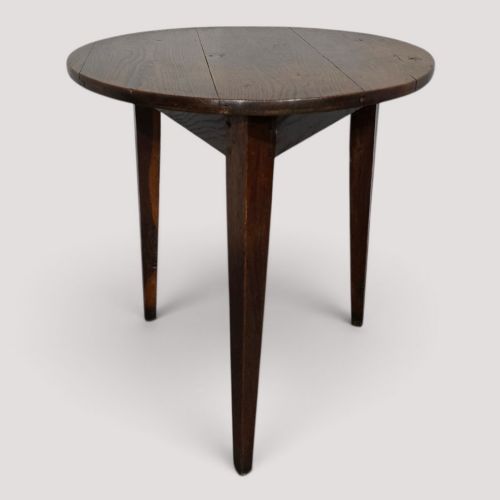
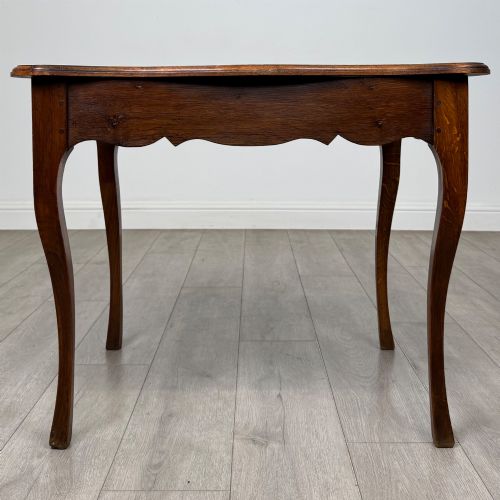
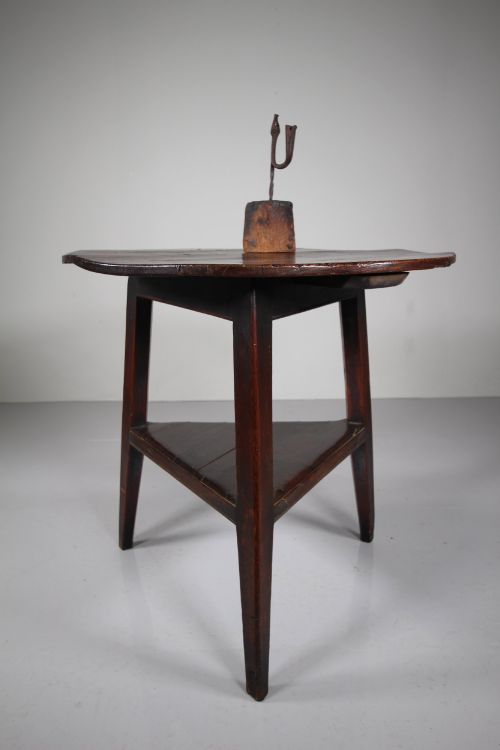


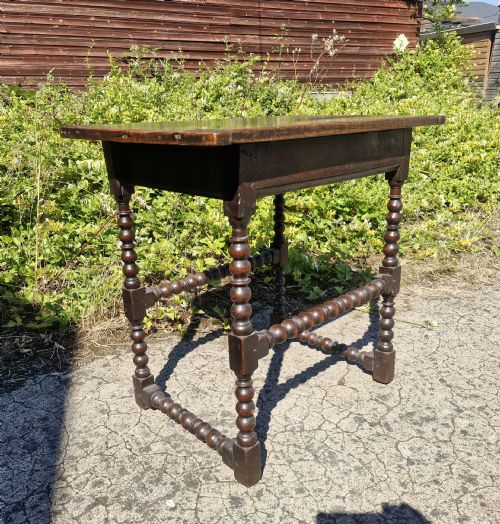
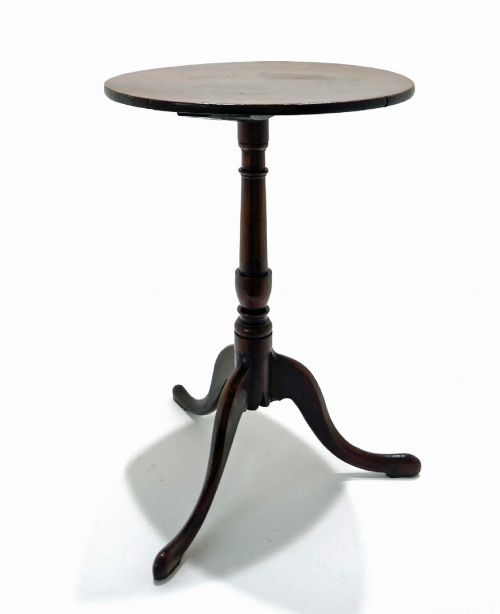
Country Oak Occasional Table
A country oak occasional table brings practical utility and sturdy eighteenth-century character to modern interiors.
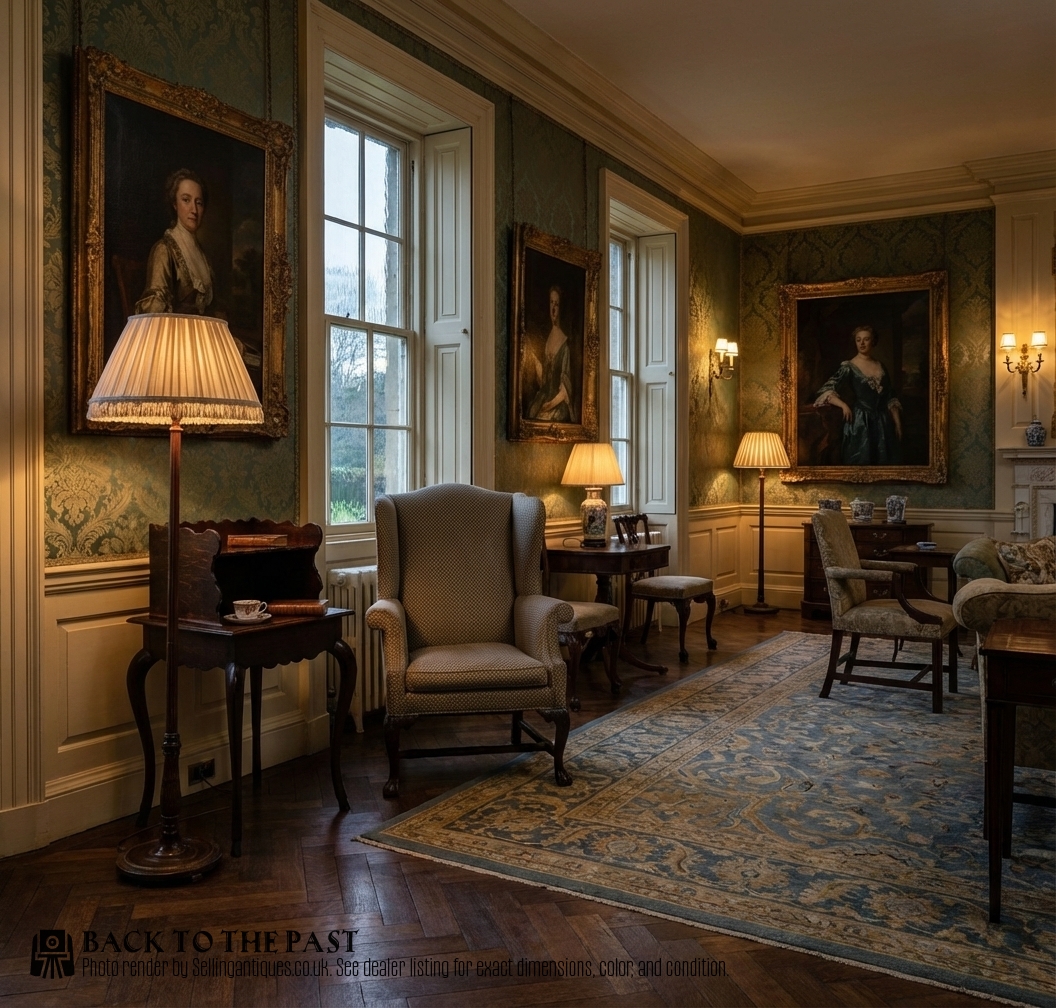
What these country oak occasional tables are
A country oak occasional table represents a versatile class of small domestic furniture designed for flexible placement around the home. These pieces function as side tables, lamp tables, wine tables, or hall tables depending on their specific form and top configuration.
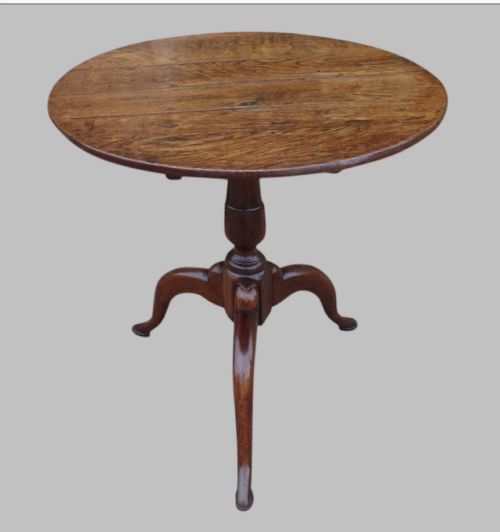
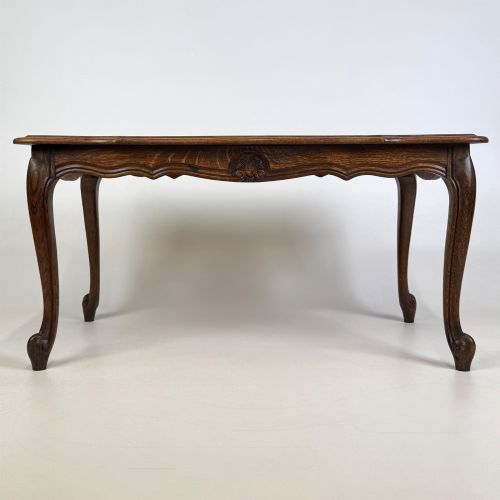
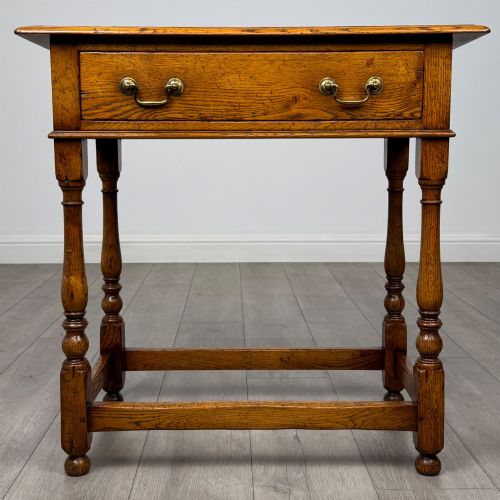
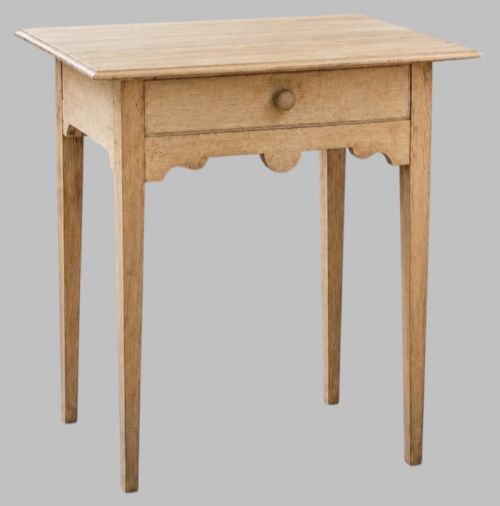
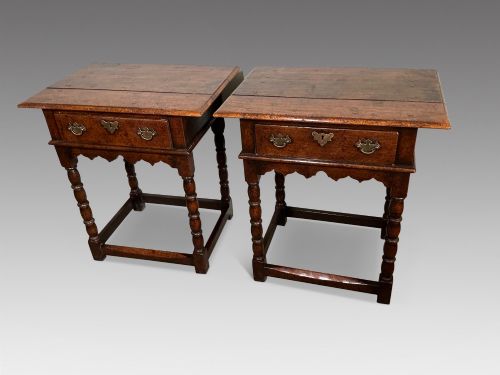
The selection encompasses seventeenth-century roots, eighteenth-century examples, and nineteenth-century pieces from the Georgian and Victorian periods. Side tables and tripod tables dominate the current offerings, featuring timber surfaces supported by single pedestals or structural legs.
English country and Welsh country styles define the regional vernacular of these objects, prioritising utilitarian strength over ornate urban fashion. Buyers encounter simple circular tops, folding mechanisms, and gated frames intended for everyday domestic use.
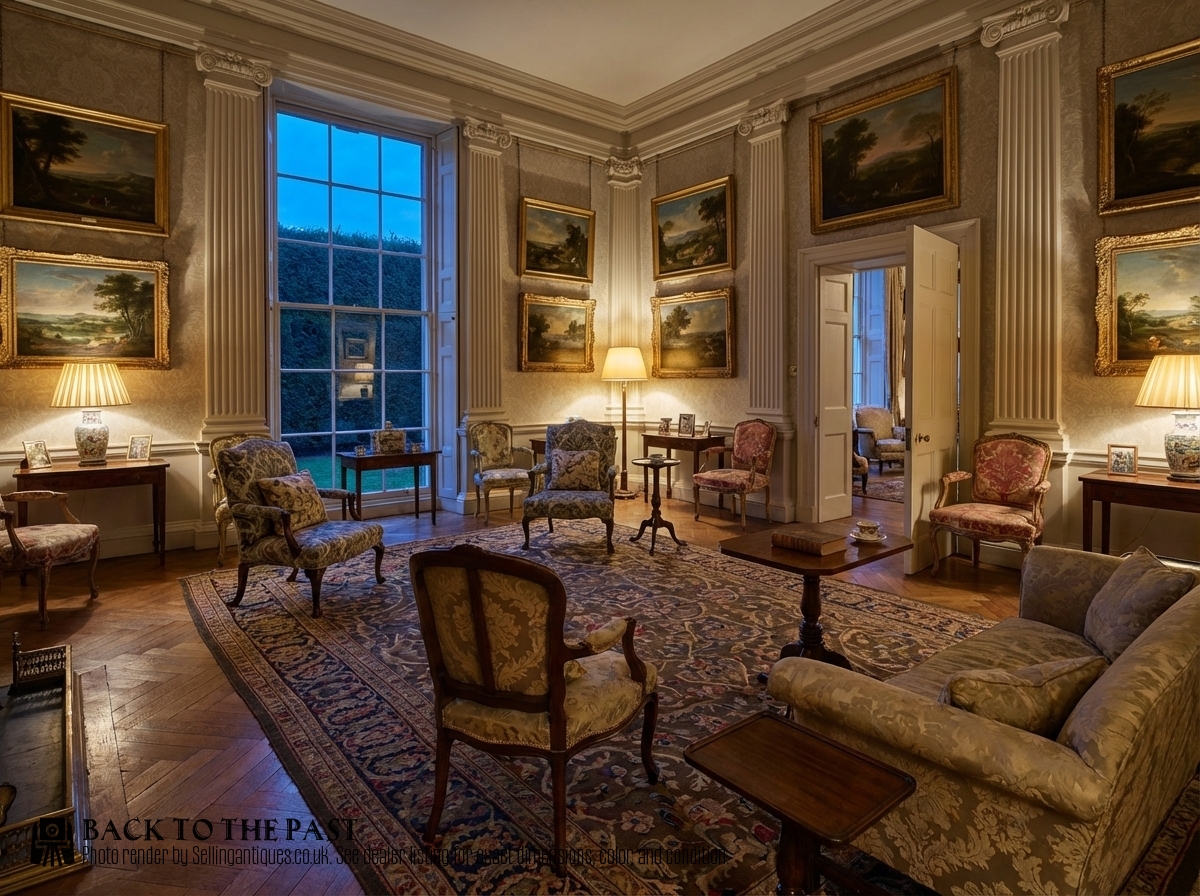
How they were made
Carpenters constructed these tables primarily using solid oak, frequently supplemented with elm for secondary timbers or specific components like table tops. Iron and brass hardware appears in structural fittings, hinges, and folding mechanisms where added support is required.
Construction techniques rely on traditional joinery methods suited to working with dense hardwoods in provincial workshops. Surfaces display the natural grain and polished textures developed through centuries of domestic use and maintenance.
Retail Price Guide 2026
Typical UK retail prices for country oak occasional table, calculated from the Sellingantiques database of over a million retail prices indexed since 2003. This retail price guide relies exclusively on Sellingantiques data; no external sources or auction records are used, so the figures do not describe the wider market.
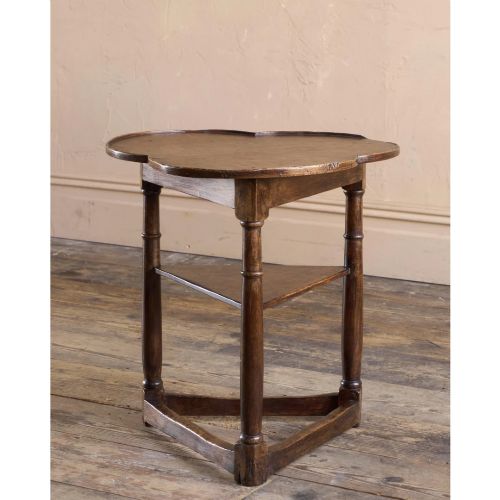
Some tables were built with three legs specifically to stay level on uneven farmhouse floors.
What varies in quality
The distinction between standard examples and superior pieces rests on the choice of timber and the harmony of regional proportions. Tables featuring well-figured oak combined with elm show greater visual depth and structural integrity.
Refinement in turning, leg placement, and the condition of original surfaces determine the standing of an individual piece within the wider tradition of country furniture.
The Country Oak Occasional Table Glossary
- Cricket table
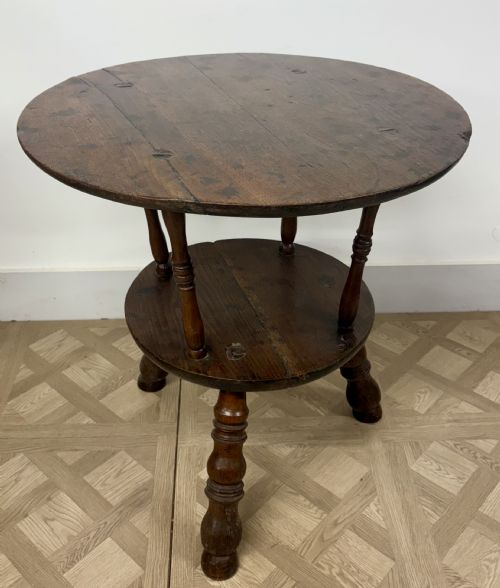
- A small three-legged table, often featuring an oak top and elm legs, designed for stability on uneven floors.
- Gateleg table
- A drop-leaf table where hinged legs swing outward to support the folding leaves when opened.
- Tripod table
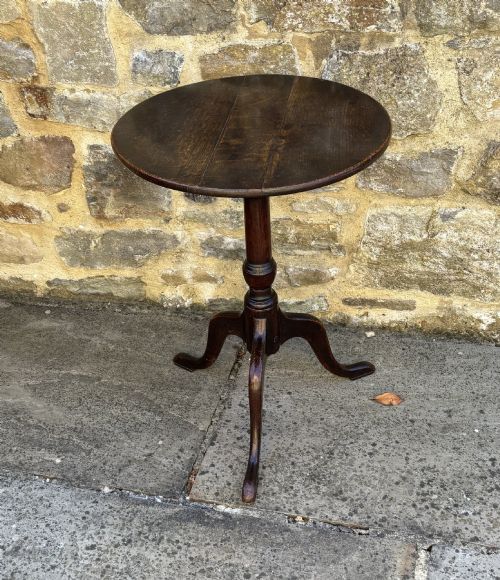
- A standalone piece supported by a central pillar resting on three spreading feet, typically used as a wine or lamp table.
- Occasional table
- A small, movable table intended for specific, intermittent tasks rather than permanent placement.
- Vernacular furniture
- Domestic pieces made by local craftspeople using regional materials, reflecting traditional local designs.
Frequently Asked Questions
What is a country oak occasional table used for?
These tables serve flexible domestic functions, acting as side surfaces for lamps, drinks, or books in living spaces and hallways.
Their compact dimensions allow them to move easily between rooms as household needs change.
How do I tell different periods apart?
Seventeenth-century pieces often display gateleg frames and darker timber tones, while eighteenth-century examples frequently feature tripod bases or simpler side table structures.
Georgian and later nineteenth-century pieces introduce more refined turning and standardised regional proportions.
Are these tables sturdy enough for daily use?
Solid oak and elm construction provides inherent strength, making these tables well-suited for everyday placement in contemporary homes.
The robust joinery developed by provincial makers ensures lasting stability under normal domestic loads.
Where were country tables originally made?
Regional workshops across England and Wales produced these items to supply local farms, rectories, and country houses.
Local craftspeople utilised locally sourced hardwoods rather than exotic imported timbers.