


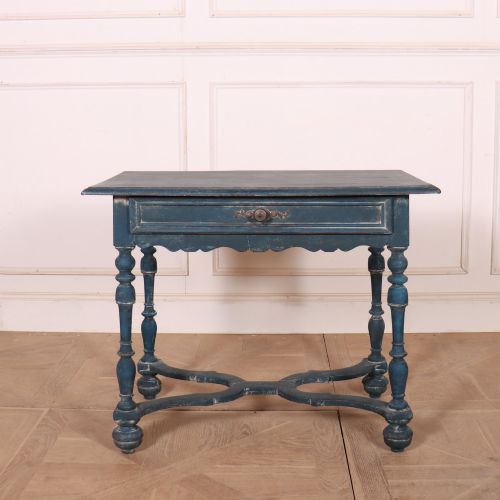
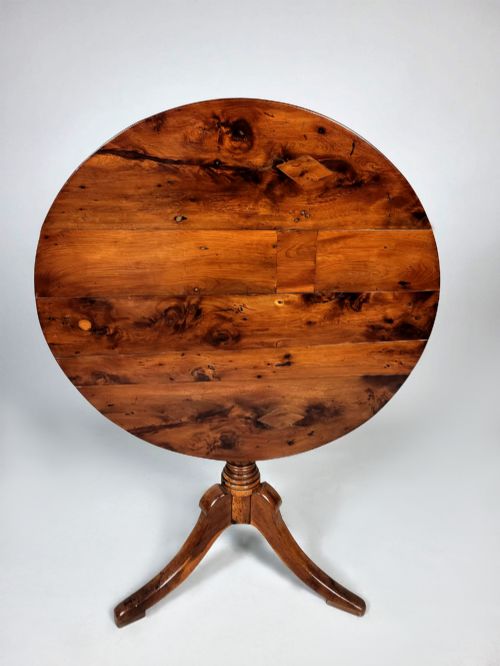

English Country Side Table
When you search for an english country side table, you encounter practical, unpretentious domestic pieces built for daily utility in provincial homes.
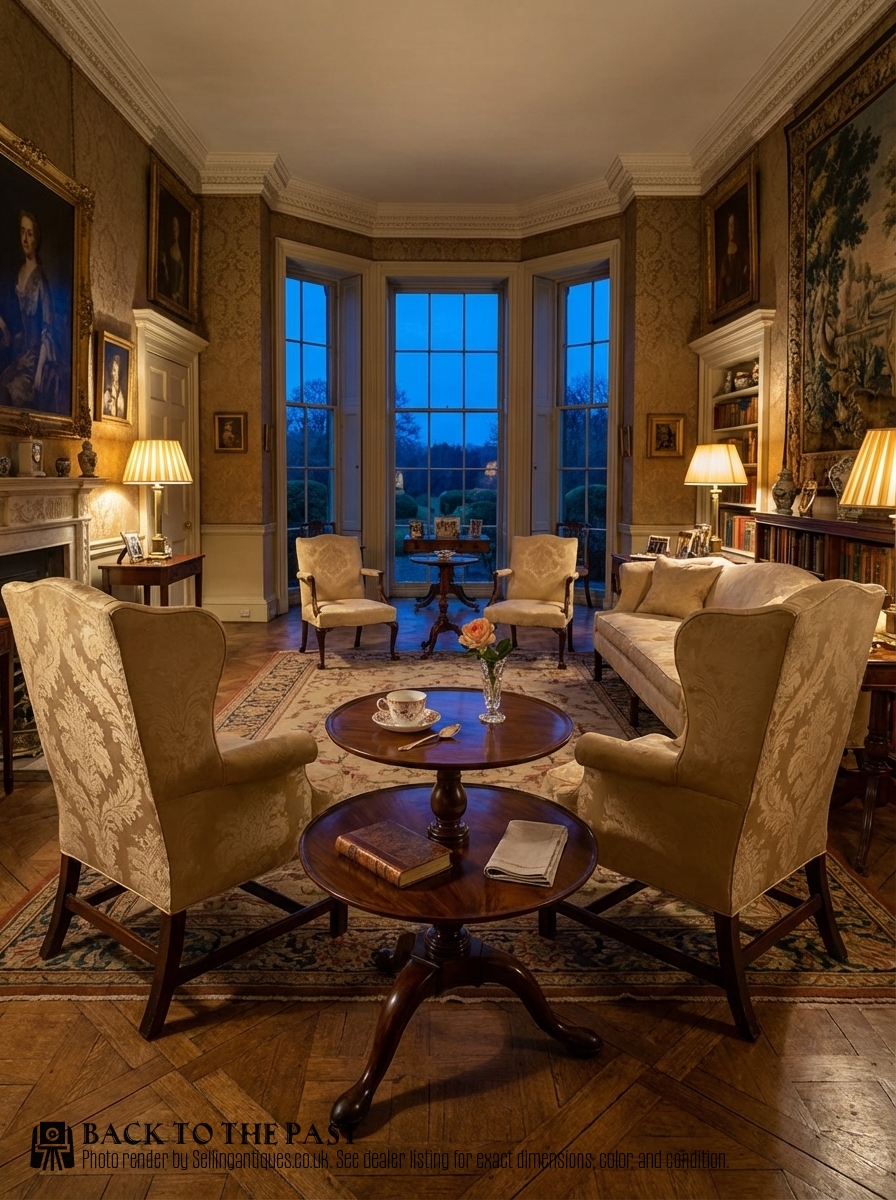
English Country Side Table
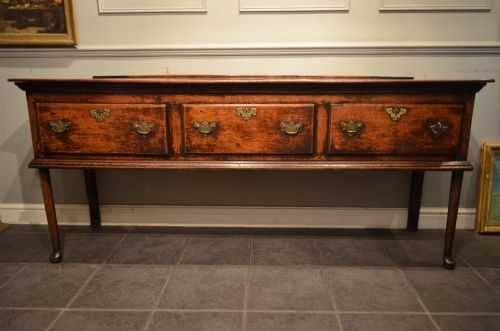
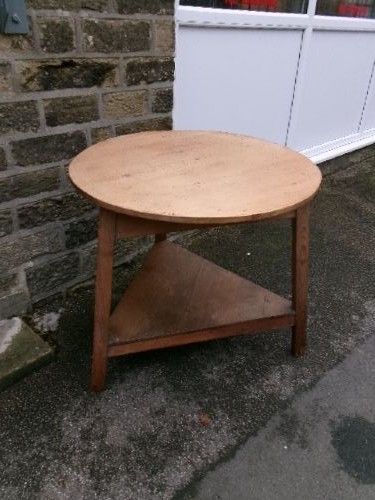
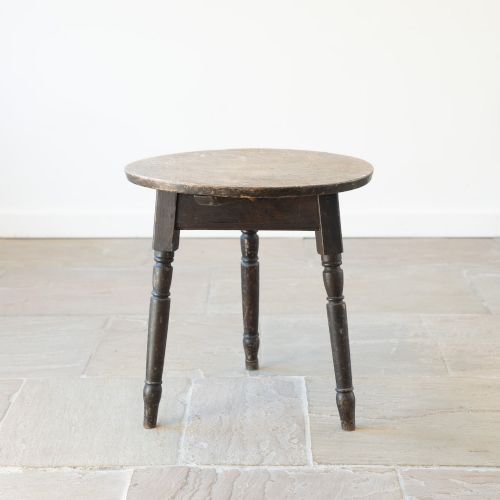
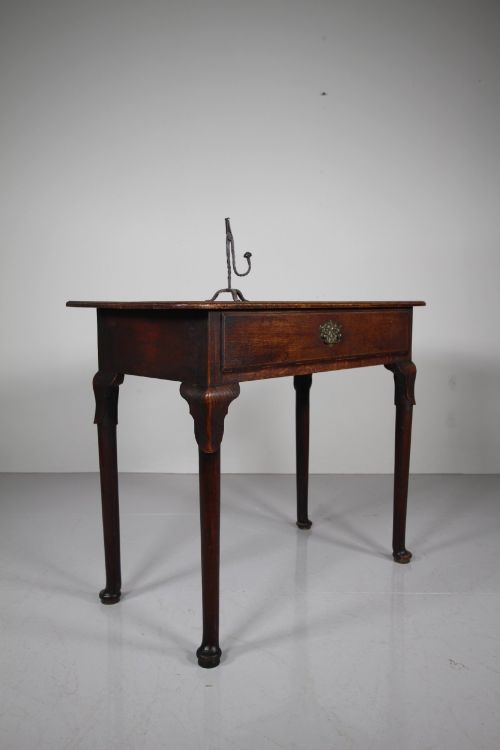
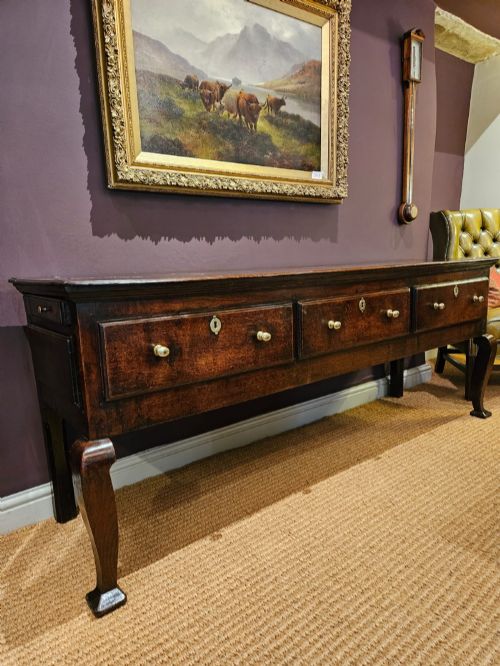
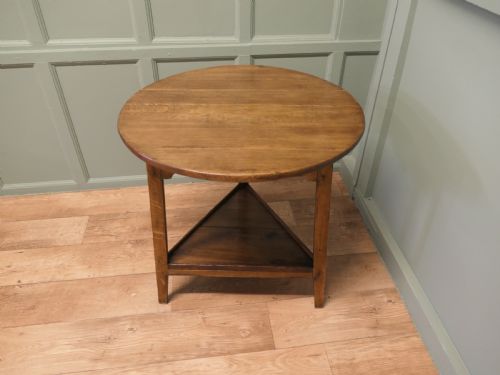
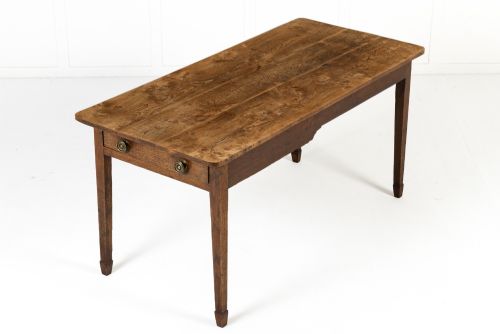
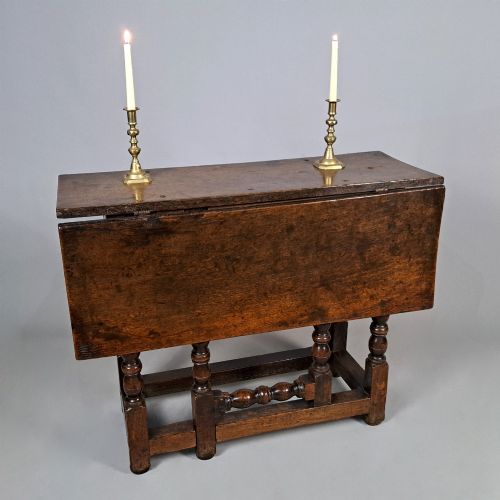
An english country side table encompasses a diverse array of utilitarian wooden furniture made for provincial homes from the seventeenth century through to the Edwardian period. Buyers searching this phrase most frequently encounter sturdy oak, elm, or fruitwood pieces, including tripod cricket tables, lowboys, and gateleg designs.
These items served functional roles in domestic spaces as surfaces for dining, food preparation, or holding lighting in farmhouses and country houses. The selection ranges from modest seventeenth-century jointed forms to nineteenth-century painted pine dairy and prep tables.
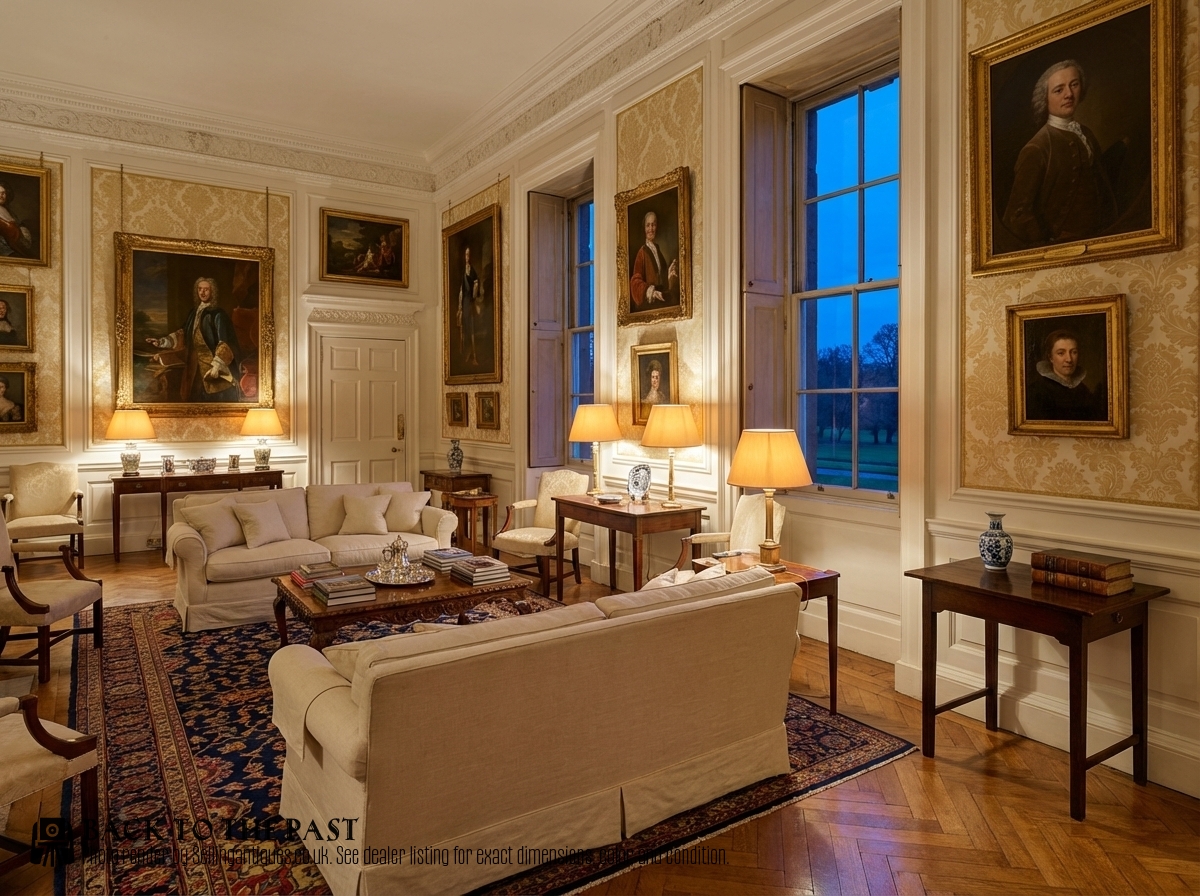
How They Were Made
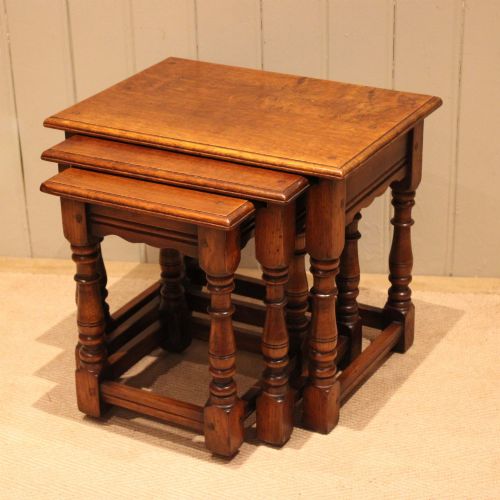
Cabinetmakers and rural joiners relied predominantly on native timbers such as oak, elm, pine, and fruitwoods like yew, often combining multiple woods within a single piece depending on structural needs. Surfaces were shaped using hand tools, resulting in pegged joints, turned legs, and occasionally later applications of paint.
Construction techniques prioritized durability over fine ornament, utilising mortise and tenon joinery for stability under heavy domestic use. Secondary materials like brass drop handles, iron stretchers, and leather tops appear on specific utilitarian forms.
English Country Side Table Retail Price Guide 2026
Typical asking prices for english country side table among the pieces listed under this phrase on Sellingantiques today, from the lower quarter to the upper quarter. They describe what is for sale here now, not the wider market.
Listings feature timbers including oak, pine, elm, fruitwood, and mahogany across pieces dating from the seventeenth to the early twentieth century.
What Varies in Quality
The degree of original survival in the timber and finish largely distinguishes examples at different ends of the spectrum, with untouched patination and early surfaces commanding greater appreciation. Proportion and the integrity of the structural joinery also determine the character of each piece.
Regional variations in turning and timber selection reflect the distinct hands of provincial makers, where simpler workshop output contrasts with more articulated Georgian tripod columns or intricate carving.
The English Country Side Table Glossary
- Cricket table
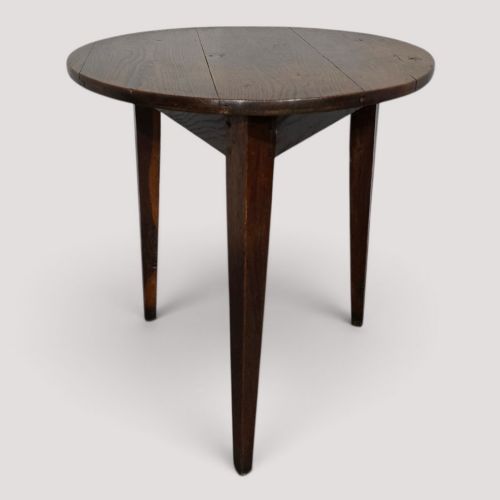
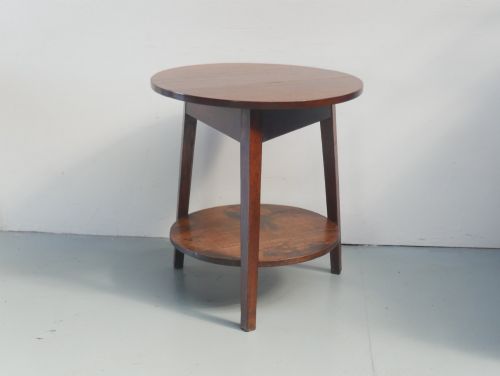
- A small three-legged occasional table typically featuring a round wooden top and splayed legs designed for stability on uneven floors. These utilitarian pieces date frequently from the eighteenth century.
- Lowboy
- A small oak or walnut table featuring one or more rows of drawers beneath the work surface, commonly utilised as a dressing or side table. They often display cabriole or straight legs characteristic of the Georgian period.
- Gateleg table
- A drop-leaf table supported by hinged legs that swing out like gates to hold the leaves when raised. This seventeenth- and eighteenth-century construction allowed surfaces to expand for dining or fold away when not in use.
- Joint stool
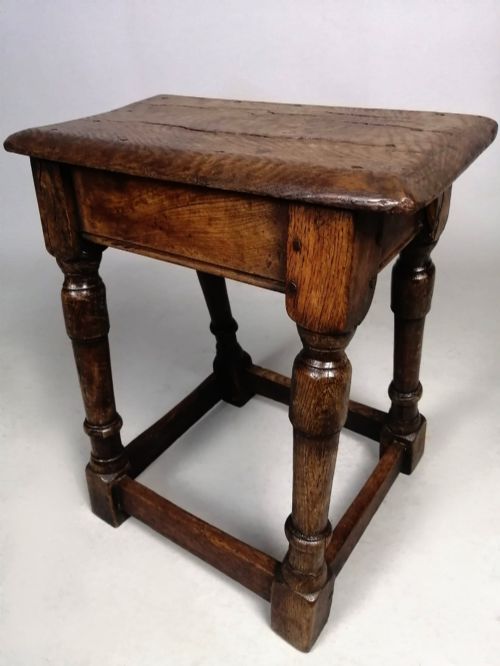
- A sturdy wooden stool constructed with mortise and tenon joinery, sharing construction methods with early tables. They served as flexible seating or low surfaces in domestic interiors.
- Patina
- The surface sheen and colour developed by wood over centuries of handling, exposure to light, and waxing. Collectors value undisturbed patination for the visual depth it brings to old timber.
English Country Side Table: Frequently Asked Questions
How do I date an old wooden table?
Dating relies on observing construction methods, tool marks left by hand planes or saws, and the specific timber species utilised in the frame. Early pieces often feature pegged mortise and tenon joints and hand-turned components rather than modern fixings.
Changes in leg styles, such as the transition from heavy barley-twist turnings to slender cabriole or straight tapered legs, further help narrow down the period of manufacture from the seventeenth through the nineteenth centuries.
Were these tables used in kitchens?
Many provincial tables served practical roles in domestic preparation areas, dairies, and sculleries where robust surfaces were required for daily chores. Pine prep tables, dairy tables, and dresser bases were built specifically for heavy utility in working country houses.
Other lighter forms like tripod tables and wine tables functioned in parlour or bedroom spaces as movable stands for lamps or reading materials.
What is a lowboy used for?
A lowboy functions as a compact side or dressing table equipped with drawers beneath the top surface. Historically placed in hallways or chambers, they provided convenient storage for small personal items while taking up minimal floor space.
In modern interiors, these pieces adapt easily as hallway console surfaces, writing desks, or bedside tables due to their modest proportions.
How do I care for antique oak furniture?
Preserving antique timber involves maintaining stable indoor humidity levels and avoiding direct placement near heat sources or strong sunlight. Regular dusting with a soft cloth prevents particle buildup on the finish.
Occasional application of traditional beeswax feeds the wood and helps maintain its surface sheen without forming artificial film layers that modern polishes leave behind.