

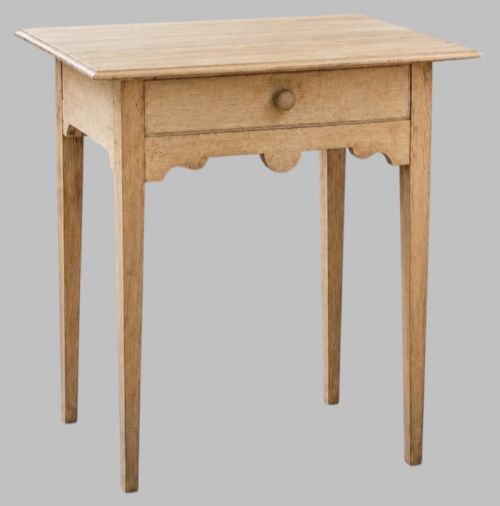
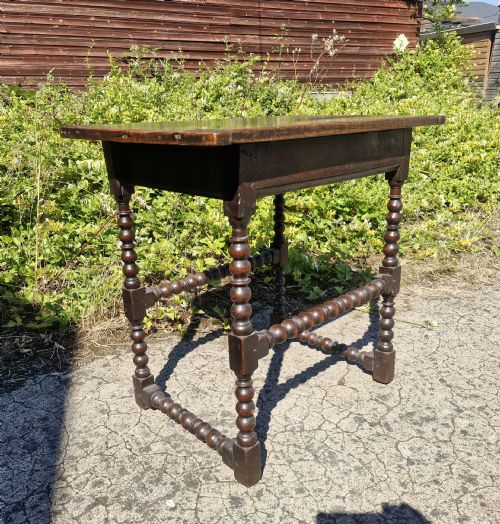
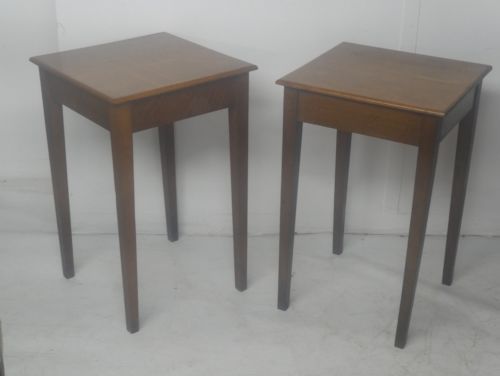
Rustic Oak Occasional Table
A rustic oak occasional table is a sturdy, honest piece of vernacular furniture built for everyday utility.
Rustic Oak Occasional Table
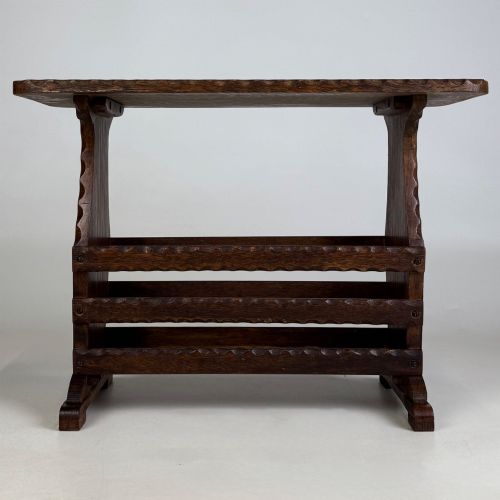
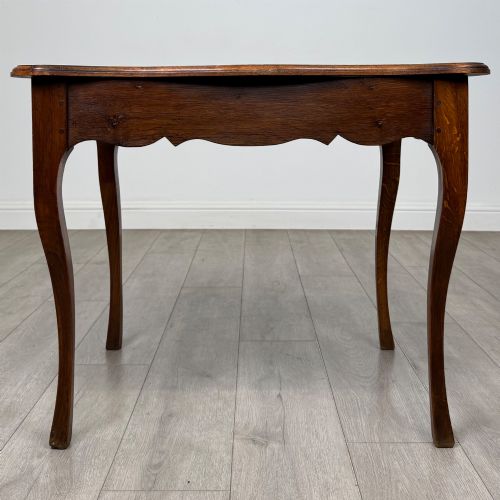
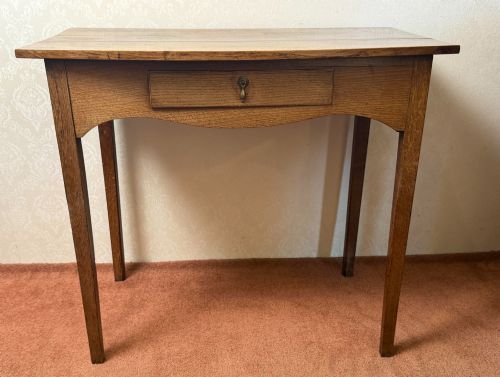
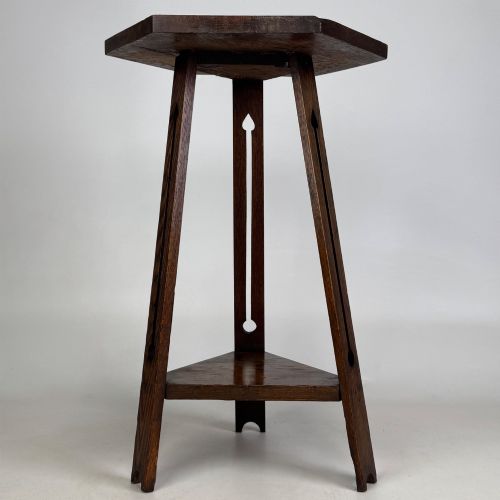
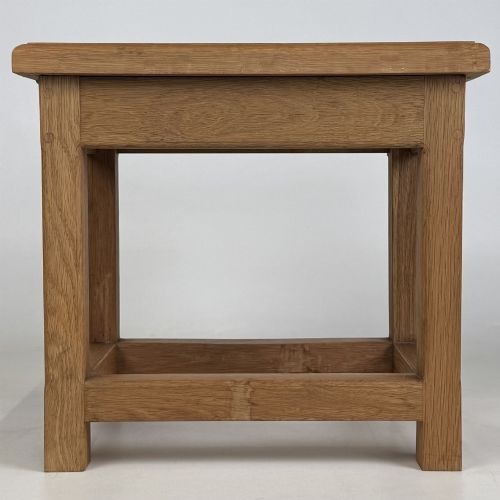
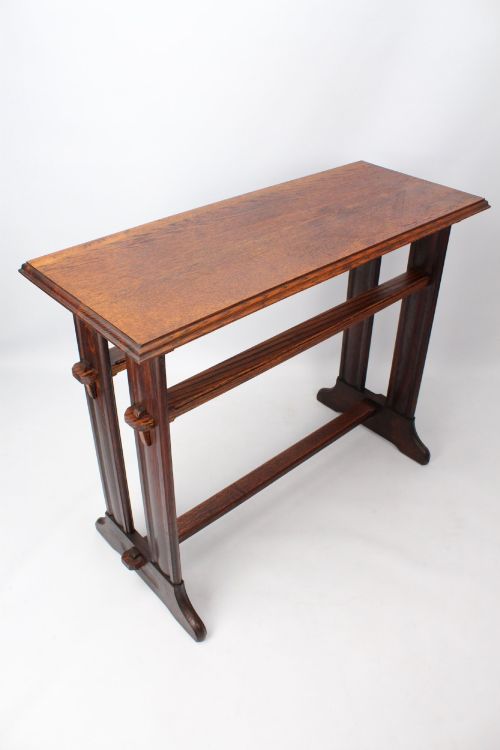
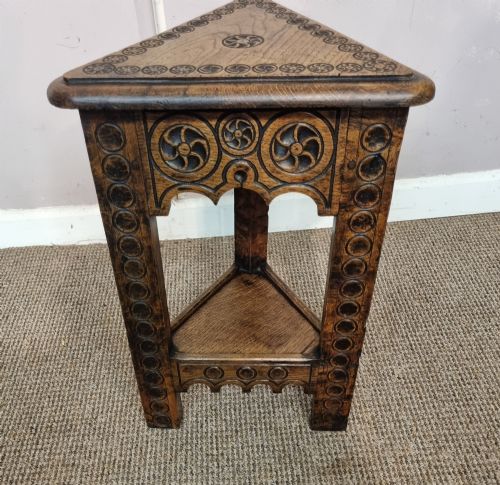
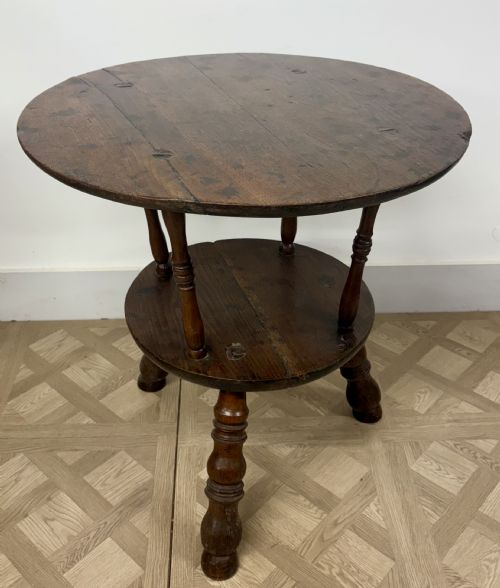
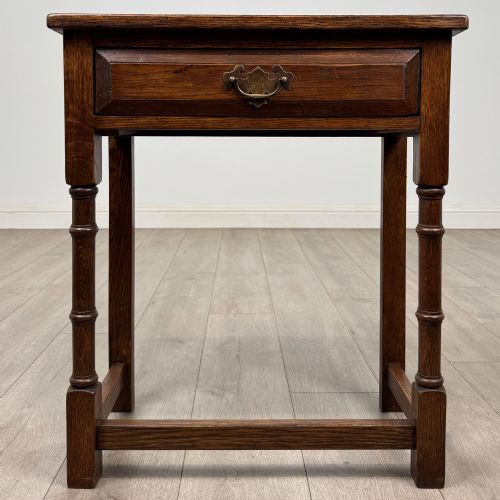
When you search for a rustic oak occasional table, you encounter a wide variety of practical household surfaces built from solid timber across several centuries. The selection includes everything from three-legged cricket tables and tripod wine tables to side tables with fitted drawers and low tavern forms.
The pieces span periods from the seventeenth century through the Georgian era and into the Edwardian and early twentieth centuries. English, Welsh, Scottish and French provincial workshops all contributed to this diverse group of functional furniture.
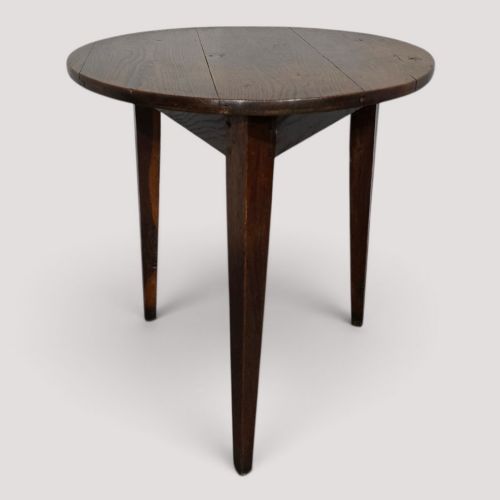
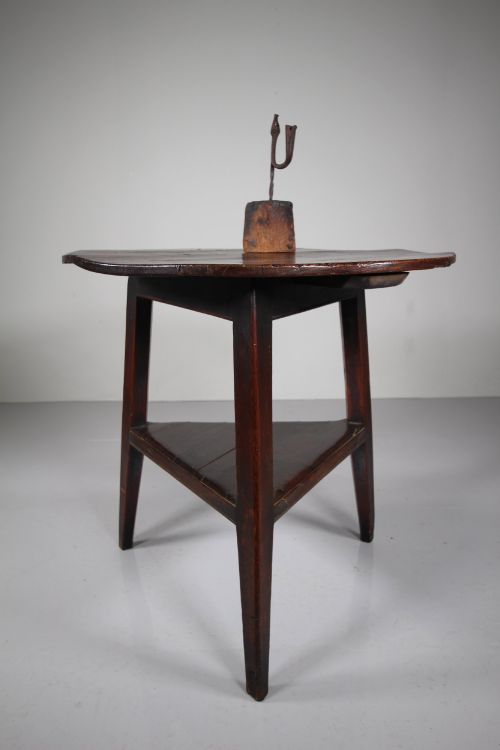
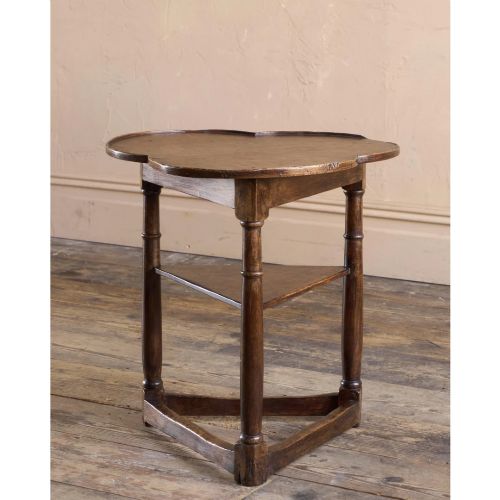
The version you are most likely to meet on this page is the classic cricket table, often featuring a circular or trefoil top supported by three splayed legs. Side tables with plank tops and simple turned legs also appear frequently among these listings.
Factors of quality
The distinction between ordinary and superior examples rests largely on the timber selection and the integrity of the original construction. Pieces fashioned from well-figured oak with rich patination stand apart from those with plain or heavily replaced boards.
Proportion and restraint in design also dictate quality, as does the retention of original surface treatments rather than modern stripping. Untouched period surfaces with deep wax finishes display the ageing process honestly and retain greater character.
Rustic Oak Occasional Table Retail Price Guide 2026
Typical asking prices for rustic oak occasional table among the pieces listed under this phrase on Sellingantiques today, from the lower quarter to the upper quarter. They describe what is for sale here now, not the wider market.
Early triangular lift-top tables provided hidden storage for small valuables while doubling as sturdy footstools by the hearth.
The Rustic Oak Occasional Table Glossary
- Cricket table
- A small, lightweight table traditionally featuring three splayed legs and a circular top. This tripod design ensured stability on uneven flagstone floors.
- Tripod table
- A small occasional table supported by a central pillar above three feet. Many examples feature tilt-top mechanisms for convenient storage.
- Vernacular furniture
- Domestic items built by local craftsmen for everyday use rather than following high-style London fashions. These pieces reflect regional traditions and available materials.
- Gateleg table
- A table with hinged leaves supported by swing-out legs. This design allowed surfaces to expand for dining and fold down against a wall when not in use.
Rustic Oak Occasional Table: Frequently Asked Questions
What is a cricket table?
A cricket table is a small, traditional three-legged table with a circular top. The three-leg design was practical for domestic use because it remained stable on uneven floors without rocking.
These pieces were commonly used beside fires or chairs for everyday tasks. Their simple construction makes them versatile additions to modern rooms.
How do I date an oak table?
Dating relies on observing construction methods, timber preparation, and signs of wear. Hand-cut joinery, pegged joints, and the tool marks left by early saws provide clues to a piece's age.
Hardware such as handmade iron nails or brass pulls also helps narrow down the period. Comparing the style of the turned legs or stretcher base to known vernacular examples confirms the era.
Where were these tables made?
These pieces originated in regional workshops across England, Wales, Scotland, and France. Local craftsmen built them using native timbers to serve specific domestic functions.
Regional differences appear in the leg turnings and timber choices. Welsh and English vernacular pieces often show distinct local carpentry traditions.
How do I care for antique oak?
Antique oak benefits from regular dusting with a soft, dry cloth to prevent grit accumulation. Applying a natural beeswax periodically nourishes the dry timber and maintains the finish.
Keep the furniture away from direct heat sources and dramatic humidity changes to prevent the wood from splitting. Gentle care preserves the historical patination built up over centuries.