
Georgian Oak Lamp Table
A georgian oak lamp table offers honest utility and rustic warmth, making it an essential piece for holding bedside or parlour lighting.
Forms and periods
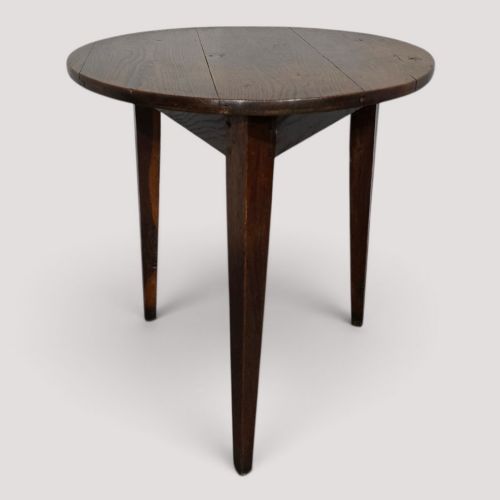
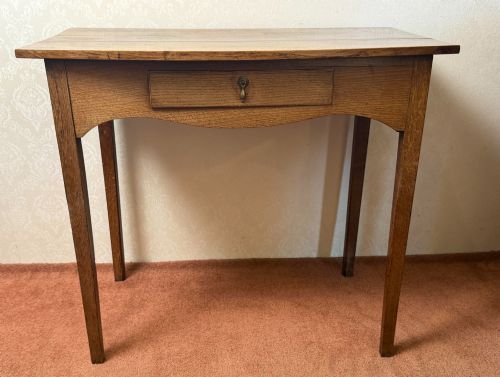
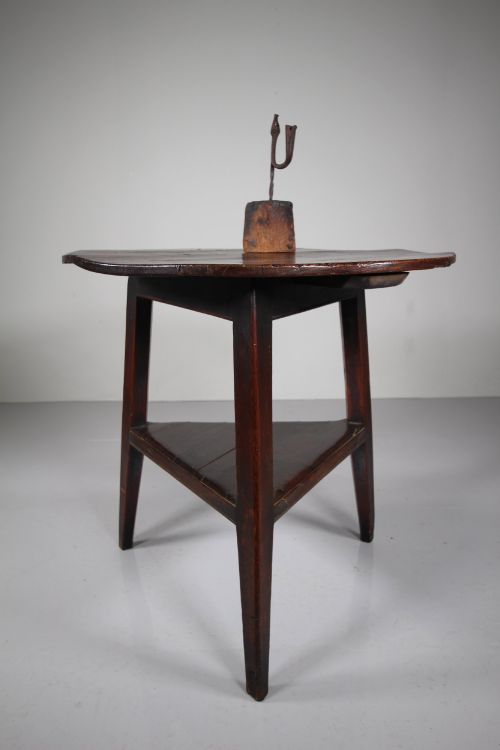
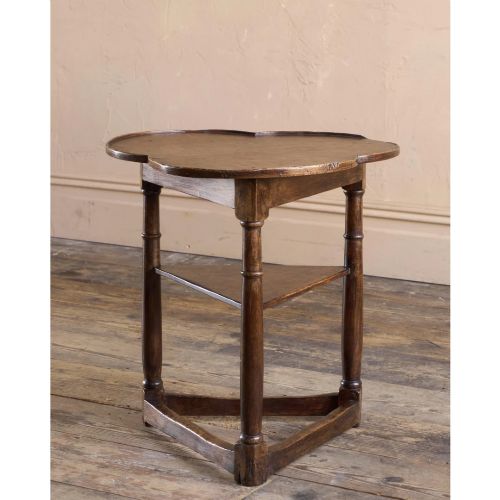
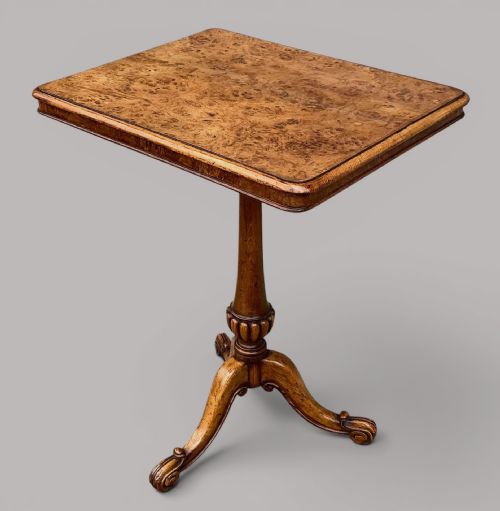
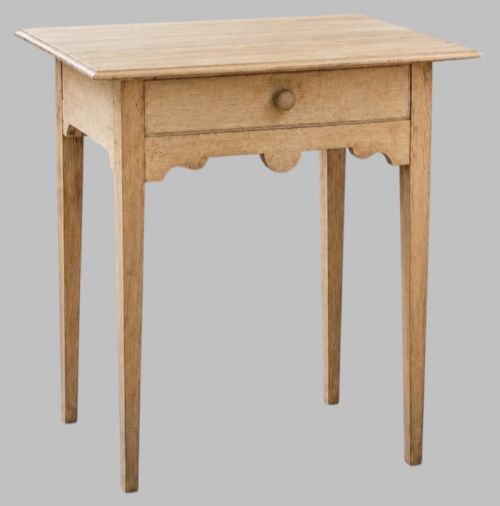
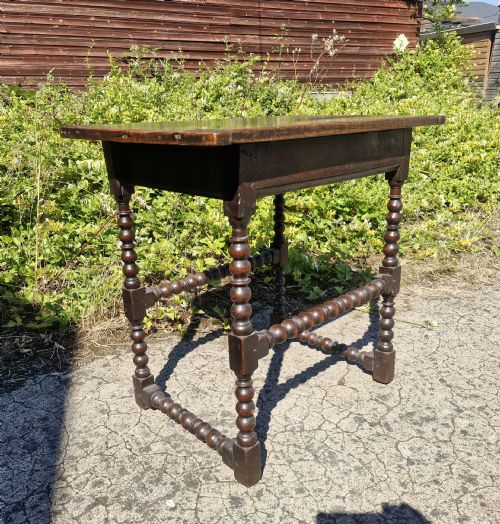
A georgian oak lamp table belongs principally to the eighteenth century and encompasses diverse domestic forms including side tables, tripod wine tables, lowboys, and cricket tables. These pieces emerge from English and Welsh country workshops, reflecting vernacular traditions rather than urban formality.
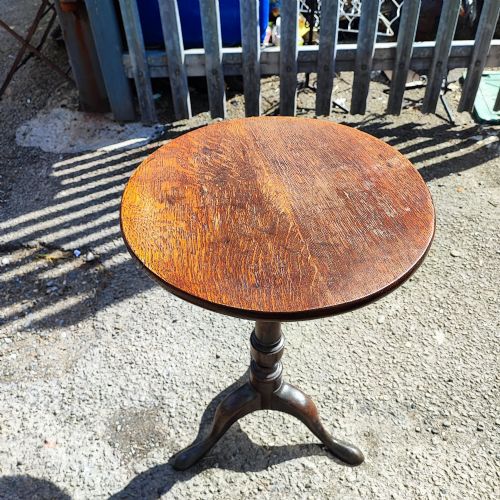
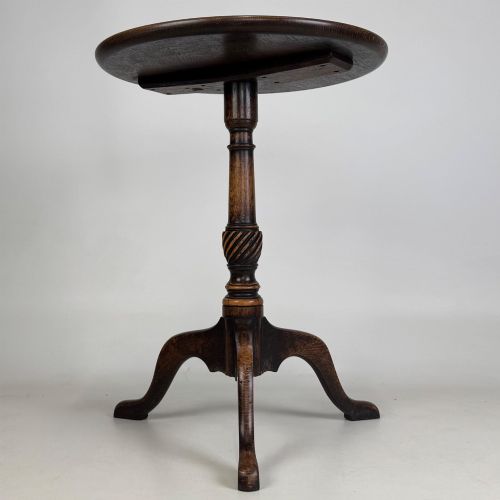
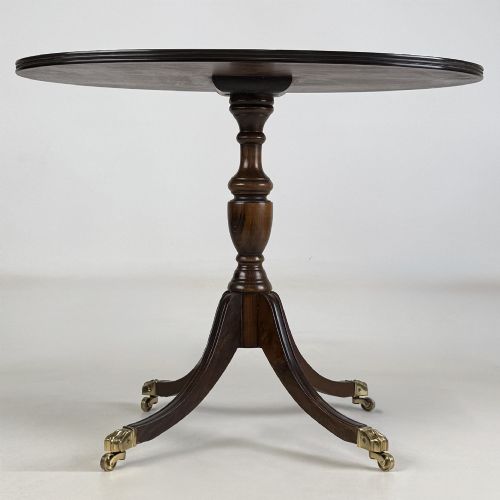
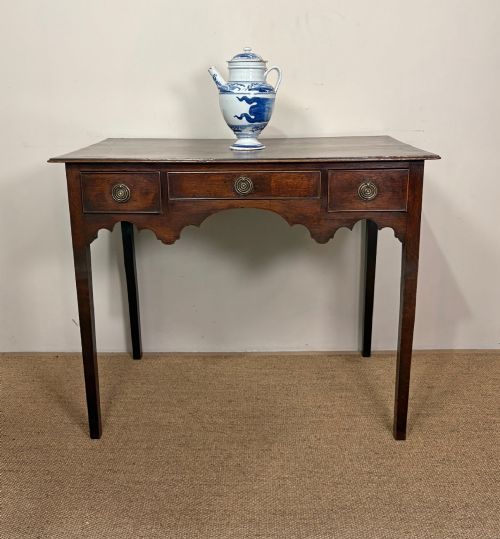
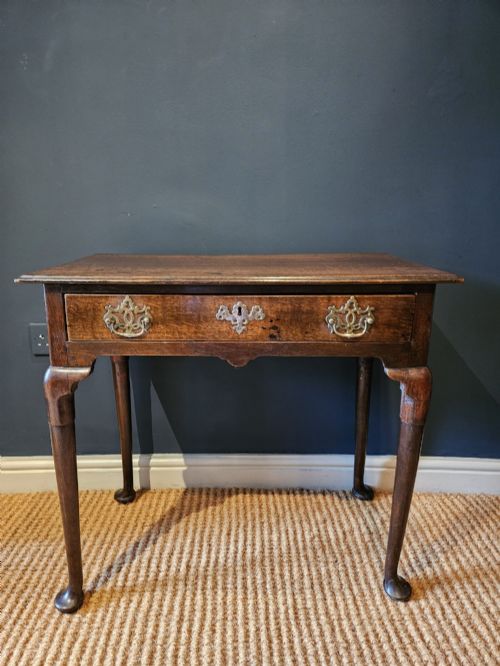
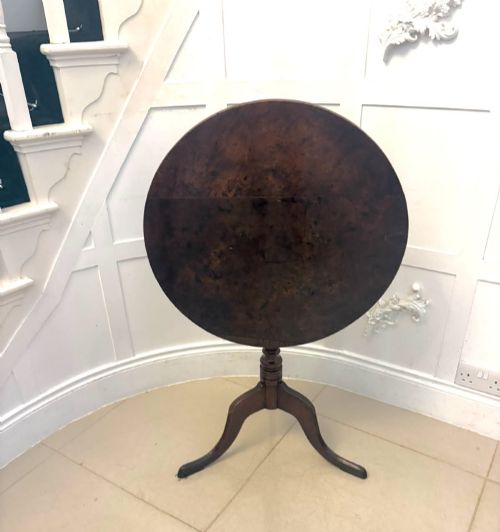
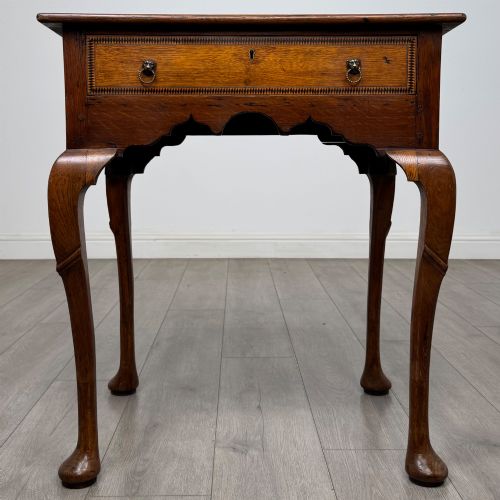
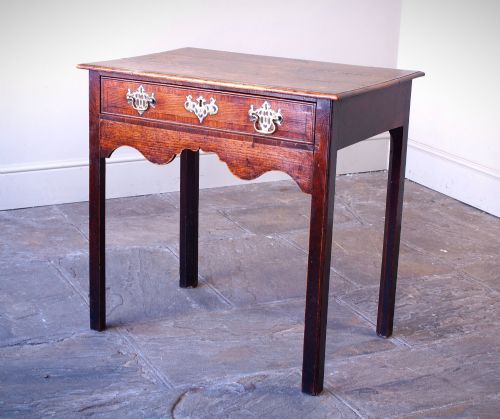
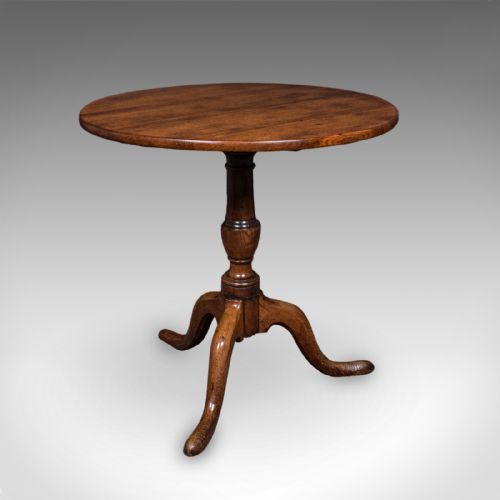
The most frequent encounter on this page is the circular tripod table, often featuring a tilt-top mechanism, alongside rectangular side tables and drawer-fitted lowboys. Such varied formats served multiple household functions, moving effortlessly between tea service, supper, and illumination.
Makers rooted these designs in straightforward utility, employing sturdy oak timbers that withstand daily domestic use while maintaining understated proportions. The aesthetic remains resolutely Georgian Vernacular and English Country, prioritising structural integrity over decorative excess.
Materials and construction
Construction relies upon solid English and regional oak, selected for durability and finished with polished or powdery distressed surfaces. Brass hardware appears on drawer-fitted lowboys, providing functional contrast to the heavy timber grain.
Carpenters utilised traditional jointing methods alongside turned pedestal shafts and tripod legs to support circular or rectangular tops. Tilt-top mechanisms incorporate pivoting wooden catches, allowing the surfaces to stow flat when not in active use.
Retail Price Guide 2026
Typical UK retail prices for georgian oak lamp table, calculated from the Sellingantiques database of over a million retail prices indexed since 2003. This retail price guide relies exclusively on Sellingantiques data; no external sources or auction records are used, so the figures do not describe the wider market.
Some tables tilt vertically to hide flat against walls like wooden sentinels when supper is finished.
Judging quality
The distinction between ordinary and exceptional pieces lies in timber selection, proportion, and the retention of original structural elements. Finer examples display rich surface patination and balanced turning on pedestal stems, whereas lesser pieces show disproportionate scaling or heavily replaced tops.
Workmanship in the joinery dictates longevity, with tight joints and well-fitted drawer construction marking superior country cabinet-making. Original brasses and unaltered tilt mechanisms elevate an example above those altered or heavily restored over subsequent centuries.
The Georgian Oak Lamp Table Glossary
- Lowboy
- A small dressing table or side table fitted with one or more drawers, typically set upon slender cabriole or straight legs. These versatile pieces frequently double as lamp or hall tables.
- Tripod table
- A small occasional table supported by a central pillar above three splayed legs. This construction prevents wobbling on uneven floorboards.
- Tilt-top
- A tabletop hinged to its pedestal so the surface pivots vertically for storage. This mechanism is common on eighteenth-century wine and candle tables.
- Cricket table
- A small three-legged round table with a wooden top and deep apron beneath. The three-legged design ensures stability on flagstone floors.
- Vernacular
- Architecture and furniture created from local traditions and materials by regional craftsmen. These objects reflect practical utility rather than prevailing metropolitan fashions.
Frequently Asked Questions
What is a georgian oak lamp table used for?
These tables originally served for holding candles or lamps, alongside holding wine or tea during evening gatherings in country houses. Today, they function primarily as accent furniture beside armchairs or beds.
The sturdy oak construction allows them to support modern lighting, books, and decorative objects while maintaining their historical charm.
How do I tell an 18th-century table from a reproduction?
Examine the timber surfaces for genuine age-related patination, tool marks, and historical wear patterns that modern staining cannot replicate. Eighteenth-century pieces also utilise period joinery techniques like hand-cut dovetails.
Inspect the underside of the top and the internal framing for consistency in wood movement and oxidation. Authentic examples display the natural shrinkage and minor irregularities of period hand-working.
Why do some tripod tables tilt?
The tilting mechanism allowed eighteenth-century households to store tables flat against walls when rooms required cleared floor space. This practical feature was standard on round wine and occasional tables.
The pivoting wooden catch underneath locks the top horizontally when in use, demonstrating clever domestic engineering.
Where were these tables made?
Regional workshops across England and Wales produced these oak tables using locally sourced timber. Country cabinet-makers adapted metropolitan styles to suit rural domestic requirements.
This regional independence resulted in varied leg turnings and apron details unique to specific British shires.