
English Oak Side Table
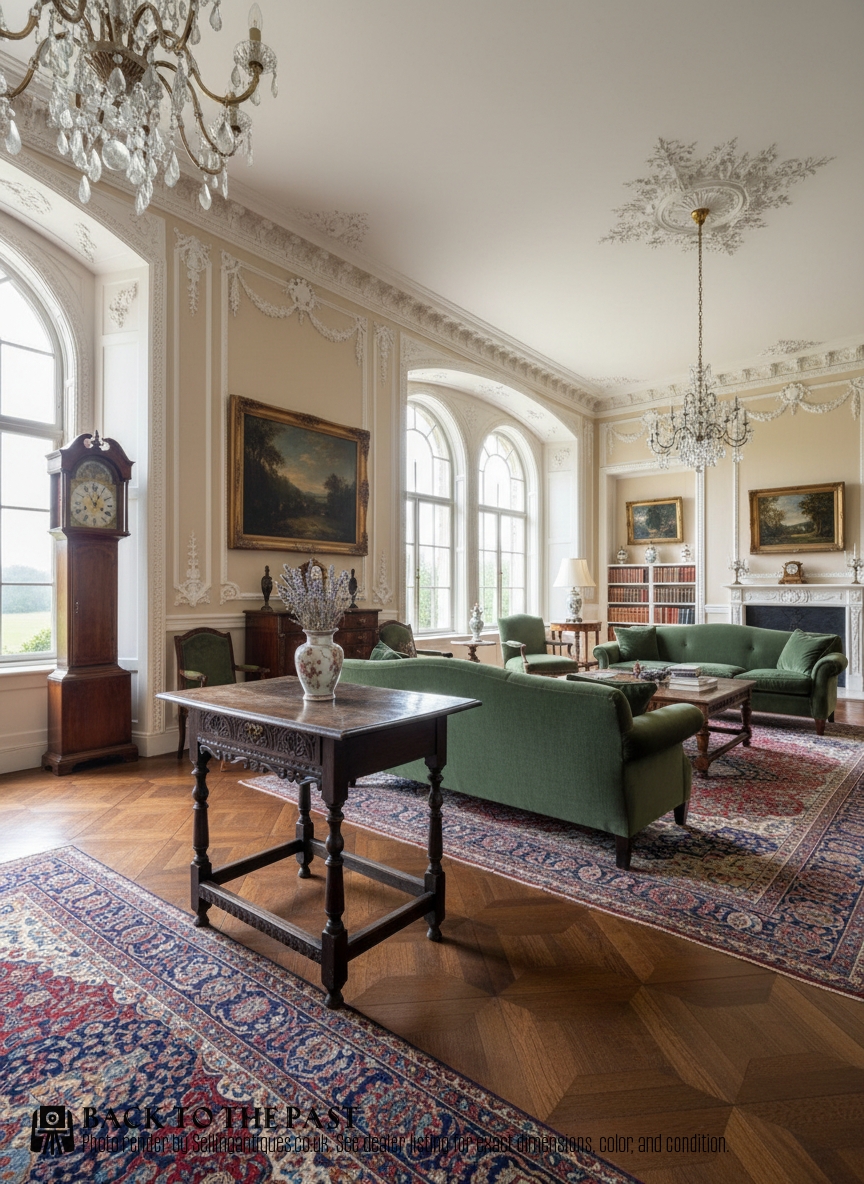
An english oak side table brings centuries of functional domestic utility and honest provincial craftsmanship directly into a modern interior.
English Oak Side Table
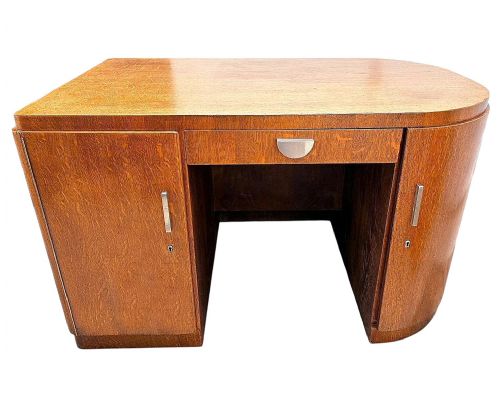
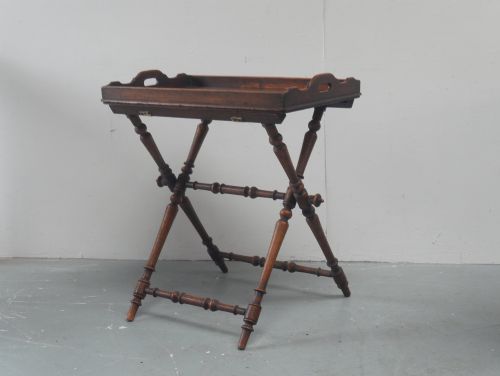
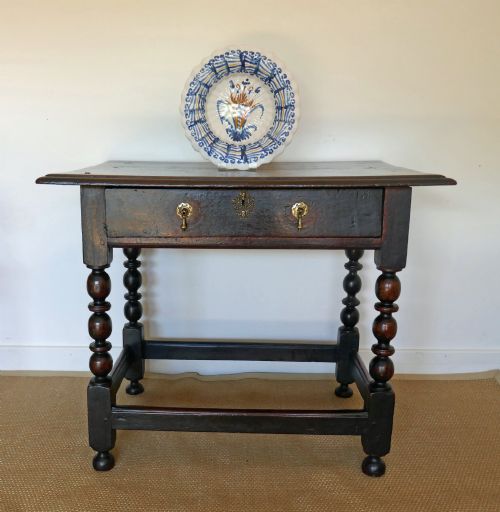
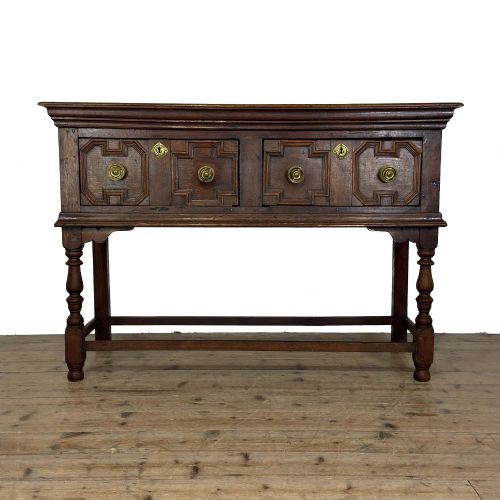
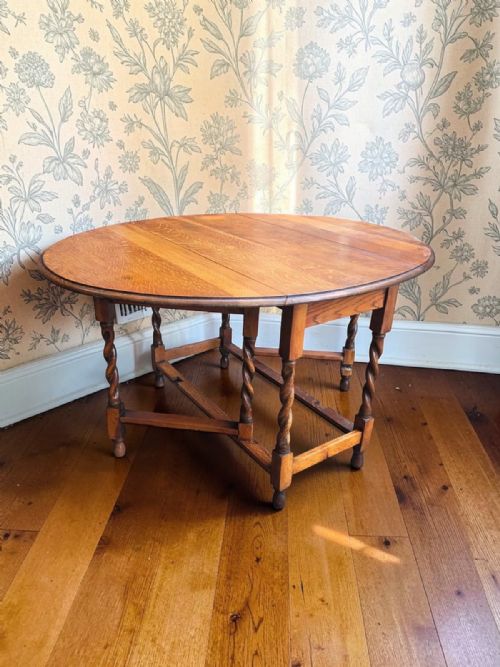
The english oak side table spans multiple centuries of domestic woodworking, appearing in forms ranging from simple provincial lowboys to seventeenth-century joined boards with bobbin turned legs. These pieces originate primarily from regional workshops and country houses where timber availability dictated local cabinet-making traditions.
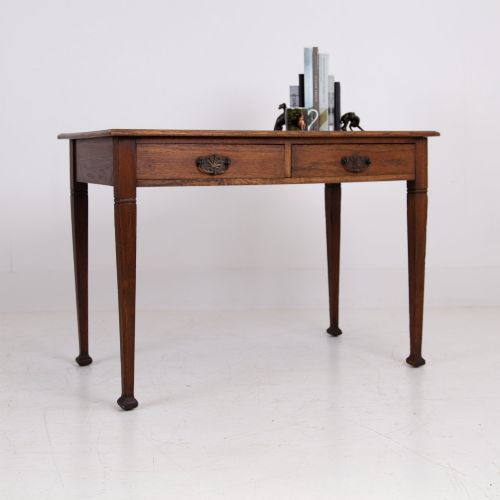
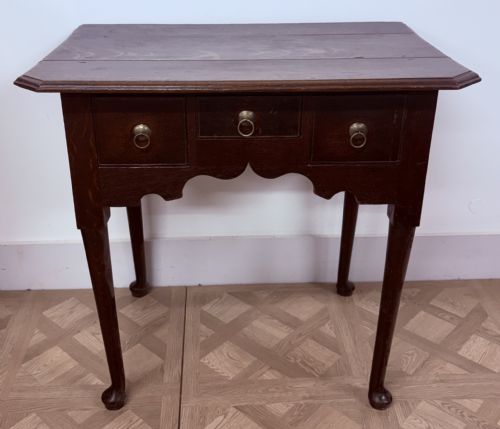
Surviving examples frequently show utilitarian roots as serving surfaces, writing desks, or lowboys with single drawers. Buyers encounter seventeenth-century joined designs alongside later Georgian iterations and twentieth-century revival pieces from the Arts and Crafts tradition.
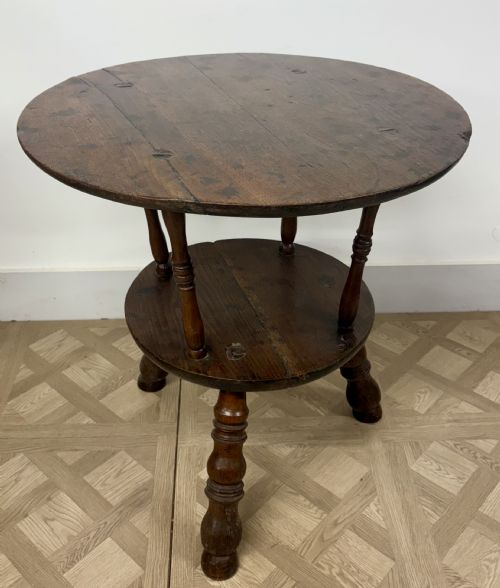
Regional variations display distinct structural traits, such as plank tops secured with wooden pegs or multi-drawer configurations supported by stretchers. The selection on this page reflects domestic utility across the Stuart, Georgian, and subsequent revival periods.
Materials and Construction
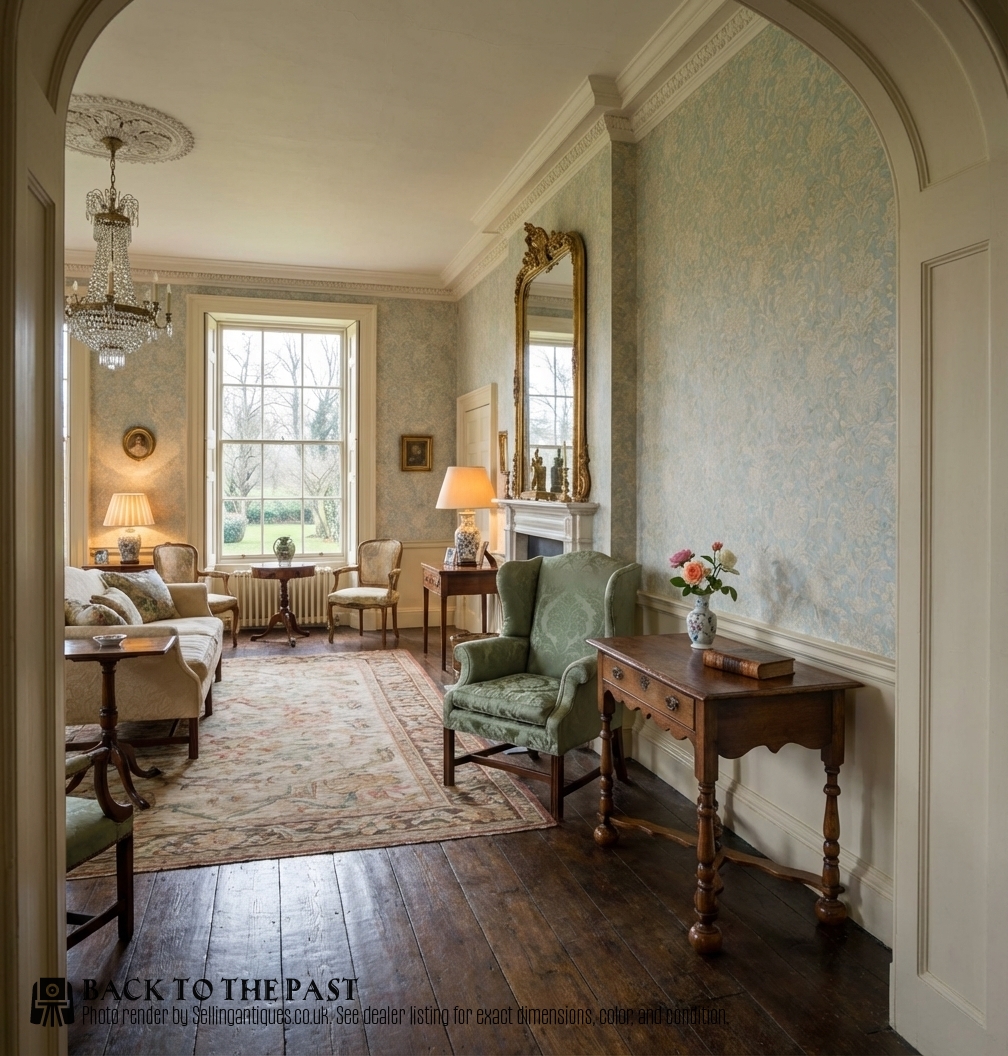
Makers relied predominantly on solid native oak, occasionally supplemented by secondary timbers such as fruitwood, elm, or beech in drawer linings and internal framing. Boards were cleft and planed by hand, resulting in visible grain patterns and irregular widths that reveal early conversion techniques.
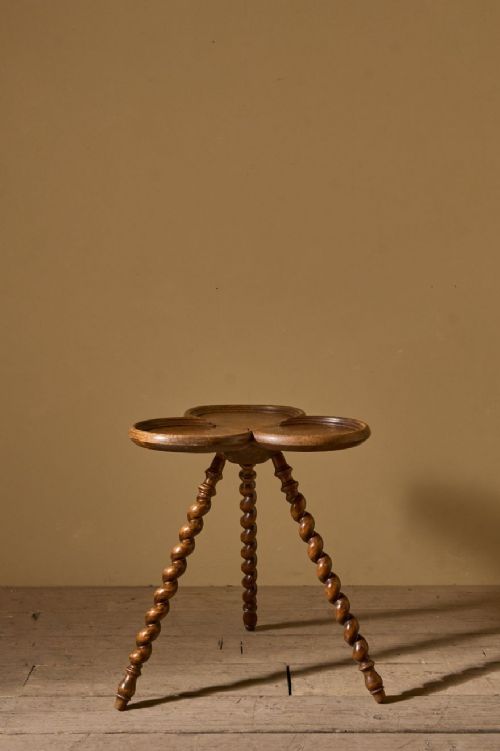
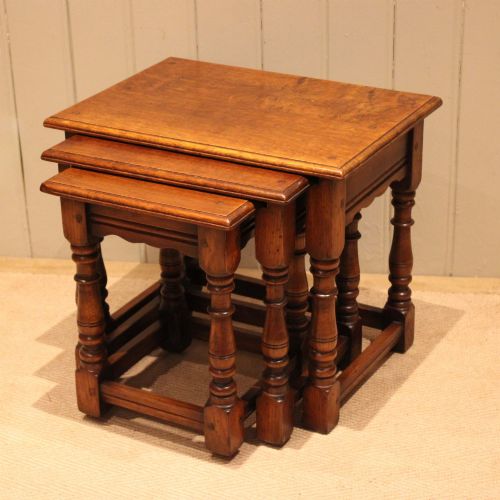
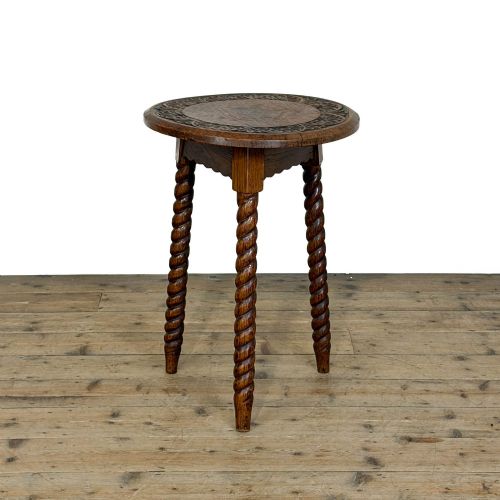
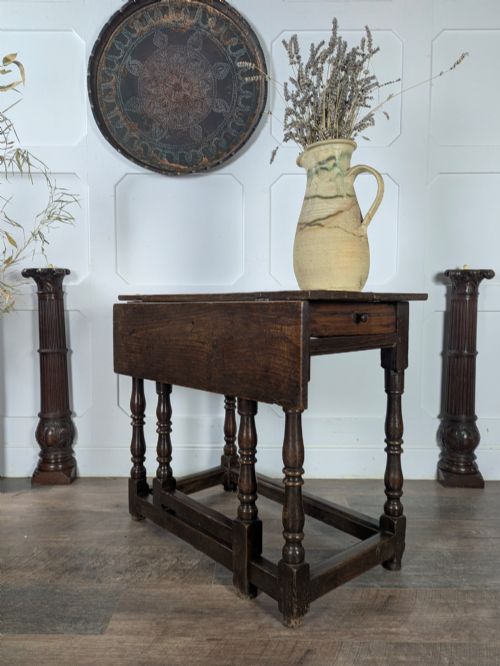
Joinery depended on mortise and tenon frames secured with wooden dowels rather than iron nails, allowing the timber to expand and contract naturally. Turned components such as barley twist or bobbin legs were shaped on pole lathes, while hardware typically consisted of brass drop handles on small backplates.
English Oak Side Table Retail Price Guide 2026
Typical asking prices for english oak side table among the pieces listed under this phrase on Sellingantiques today, from the lower quarter to the upper quarter. They describe what is for sale here now, not the wider market.
Several tavern tables carry the quiet scars of spilled ale and centuries of enthusiastic elbows on their scrubbed oak tops.
Evaluating the Pieces
Quality rests in the integrity of the structural frame and the retention of original surface patination developed through generations of use. Tables that retain their original plank tops, uncompromised stretchers, and period drawer linings command greater interest than those altered by extensive timber replacement.
The crispness of hand-turned legs and the subtlety of carved drawer fronts distinguish regional vernacular work from later revival copies. Surface colour varies from deep golden honey tones to dark brown, with untouched wax finishes outperforming heavily stripped examples.
Hubert Simpson of Kendal
The English Oak Side Table Glossary
- Lowboy
- A small table with one or more drawers and cabriole or straight legs, used originally as a dressing or writing table. These low tables frequently served secondary functions in eighteenth-century bedchambers.
- Joint stool
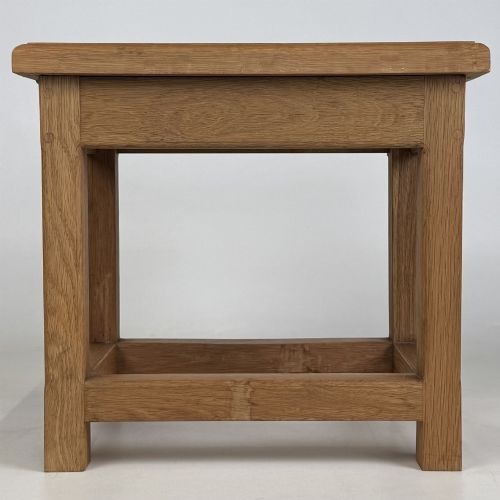
- A sturdy wooden stool constructed with pegged mortise and tenon joints rather than turned legs inserted into a seat. They often double as occasional side surfaces in contemporary settings.
- Gateleg table
- A drop-leaf table featuring hinged flaps supported by swinging legs that pivot outward like a gate. This mechanism allows the surface area to expand or contract according to domestic needs.
- Bobbin turning
- A form of lathe-turned decoration consisting of a series of rounded spheres or discs resembling spools of thread. This technique appears frequently on seventeenth-century frames.
- Cricket table
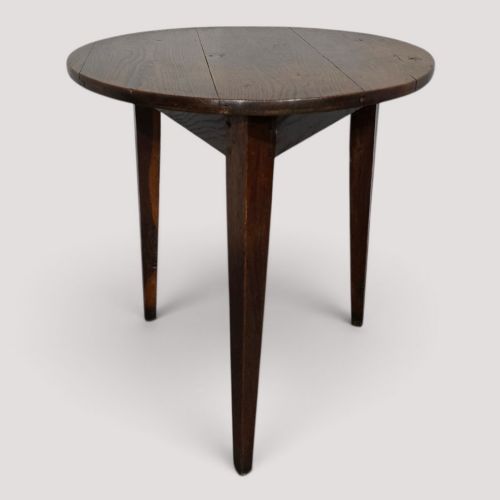
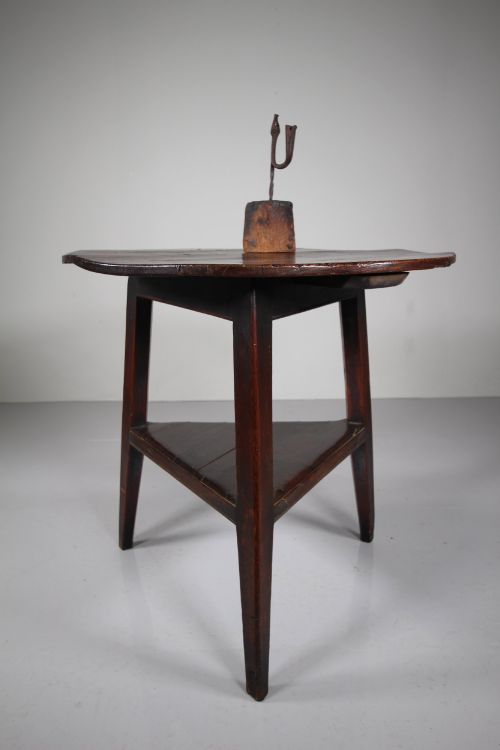
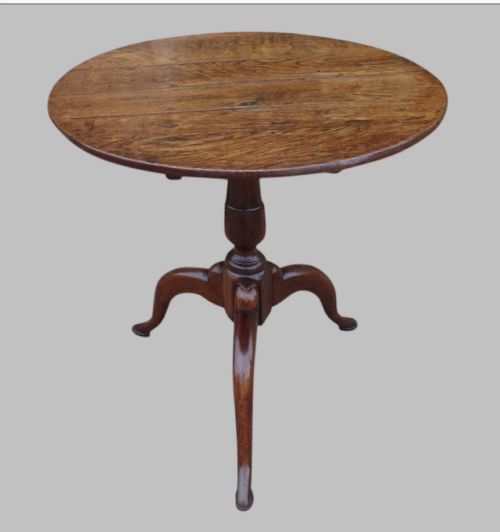
- A small three-legged occasional table with a round top, historically used on uneven flagstone floors. The tripod base ensures stability on irregular surfaces.
- Tavern table
- A robust utilitarian table featuring a heavy plank top and sturdy stretcher base built for heavy commercial use. These pieces show high resistance to daily wear.
English Oak Side Table: Frequently Asked Questions
How do I date an oak side table?
Dating relies on observing construction methods, such as hand-cut dovetails, tool marks on the underside of planks, and the profile of turned legs. Seventeenth-century examples typically feature heavy frames and pegged joints, whereas Georgian pieces adopt lighter proportions and refined mouldings.
Hardware placement and timber shrinkage patterns also provide chronological markers. Original drawer construction without modern plywood or machine-cut screws confirms greater antiquity.
What is a lowboy used for today?
A lowboy functions effectively as a compact hallway console, a bedside table, or a writing desk in smaller rooms. Its shallow depth and single or multiple drawers provide convenient surface space without overwhelming limited floor areas.
In living spaces, these tables accommodate table lamps or display decorative objects while keeping domestic clutter stored out of sight within the drawers.
Are these tables suitable for daily use?
Solid oak construction provides exceptional durability, making these tables well-suited for everyday placement in high-traffic areas. Regular waxing maintains the moisture balance of the timber and protects the historic surface from minor spills.
Placing coasters beneath hot cups or wet glasses preserves the vintage finish and prevents water marking on aged polish or raw timber.
How do I maintain the wood finish?
Maintenance requires occasional application of traditional beeswax using a soft cloth, followed by gentle buffing to restore the natural sheen. Avoid silicone-based sprays and keep antique timber away from direct heat sources and strong sunlight.
Consistent indoor humidity prevents the oak boards from splitting or warping over seasonal temperature shifts.