

Georgian Oak Wine Table
A georgian oak wine table offers compact utility and rustic character, serving as a versatile small stand for lamps or drinks.
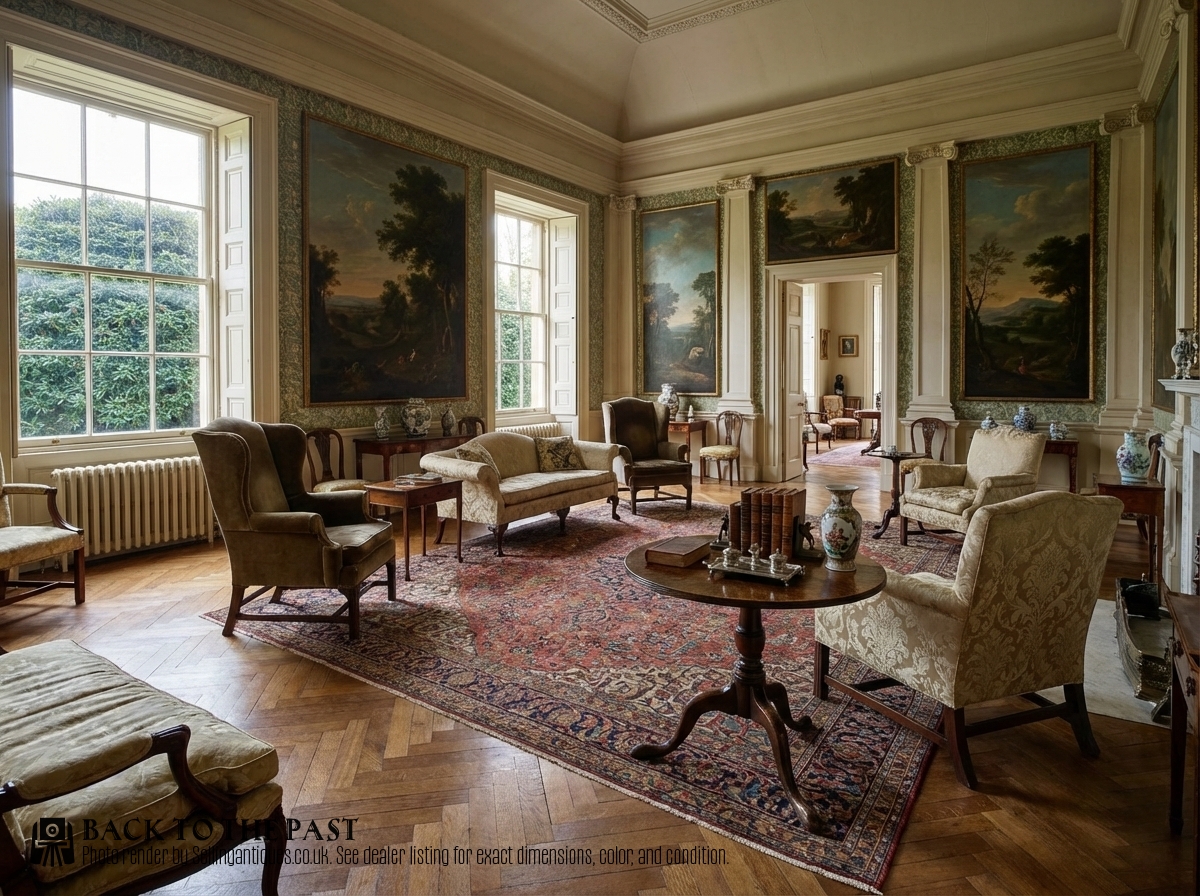
Georgian Oak Wine Table
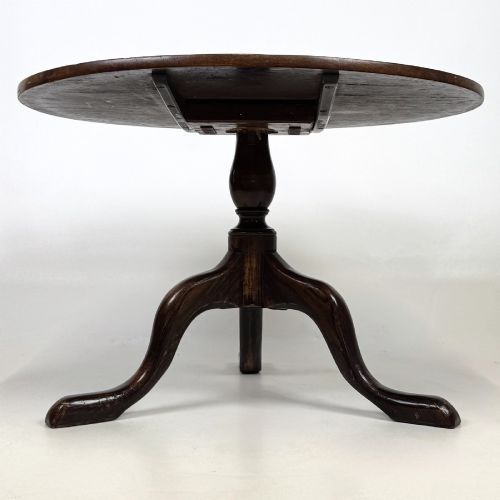
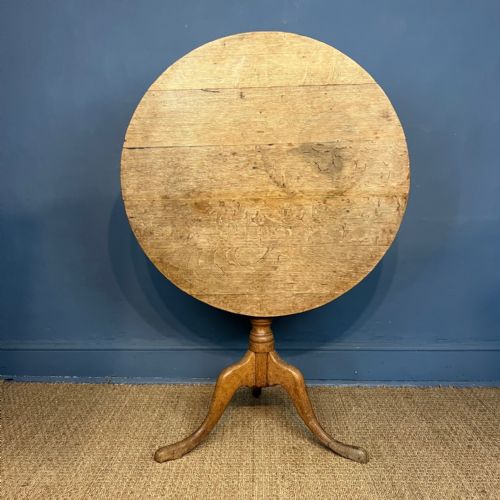
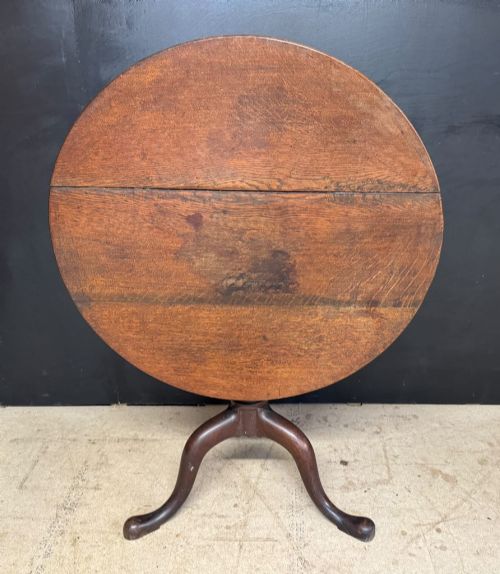
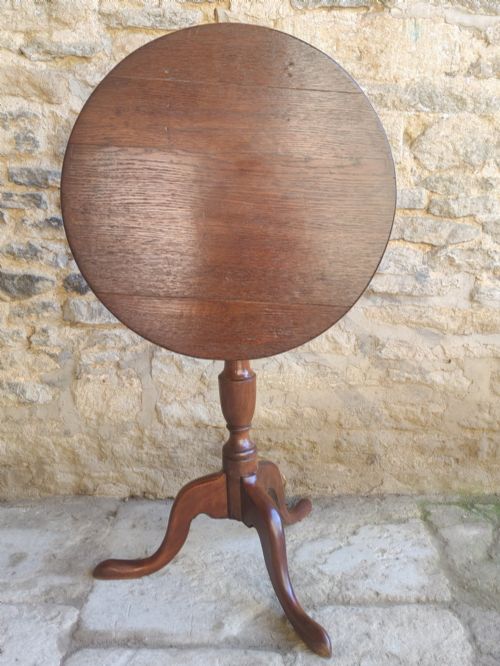
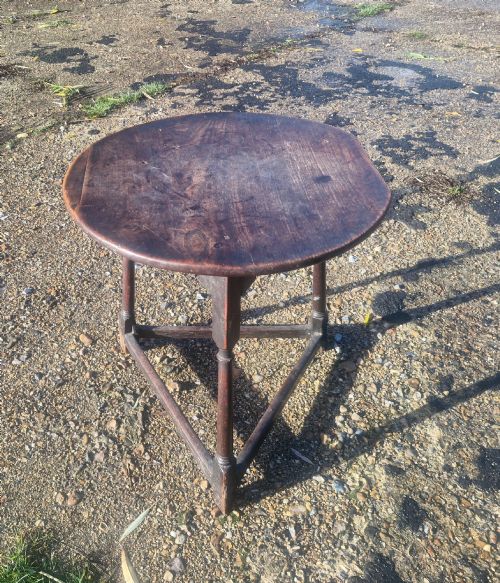
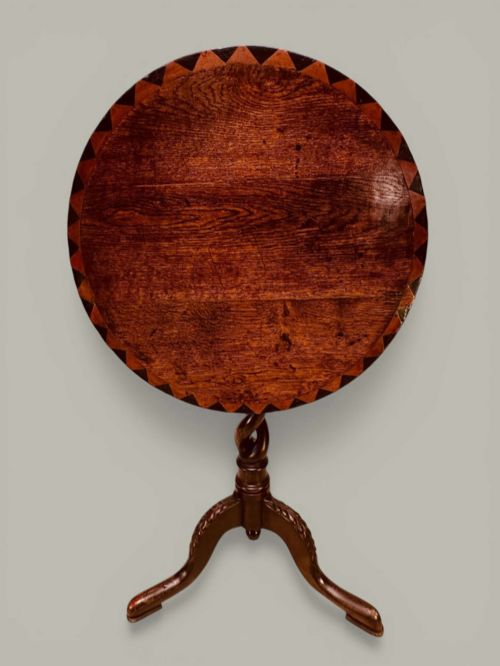
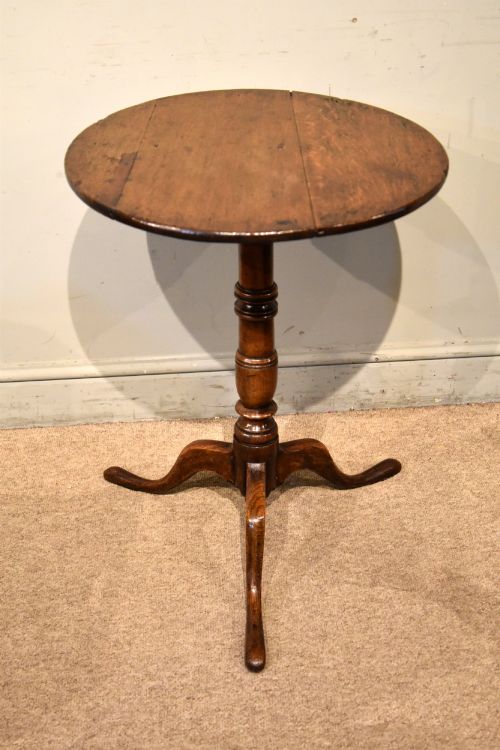
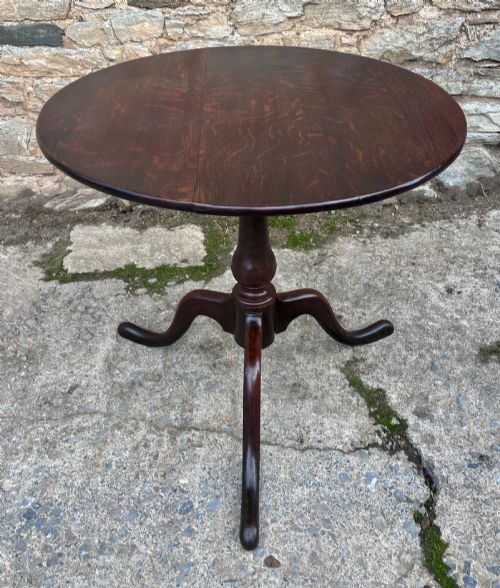
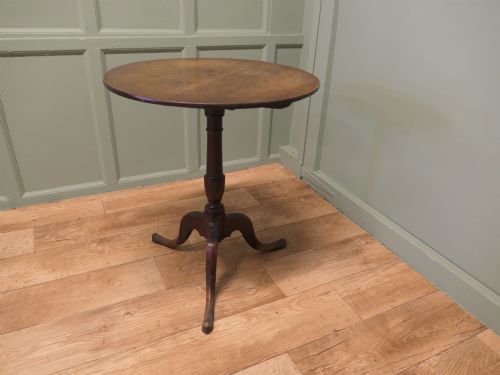
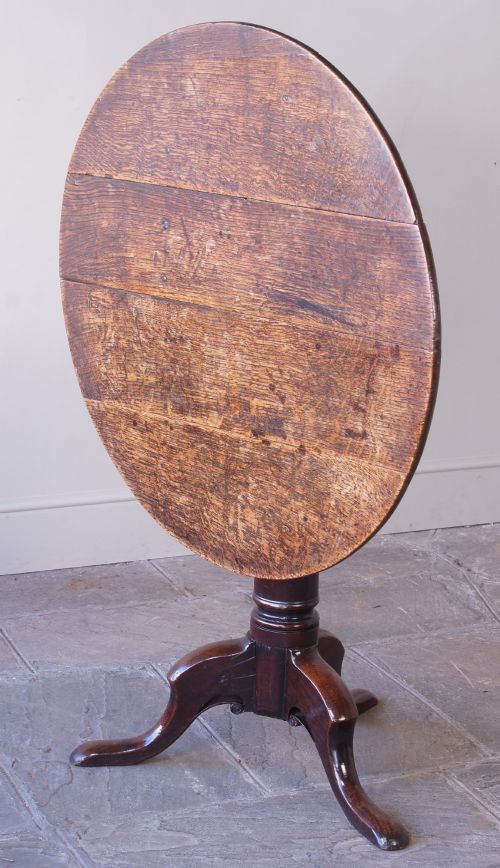
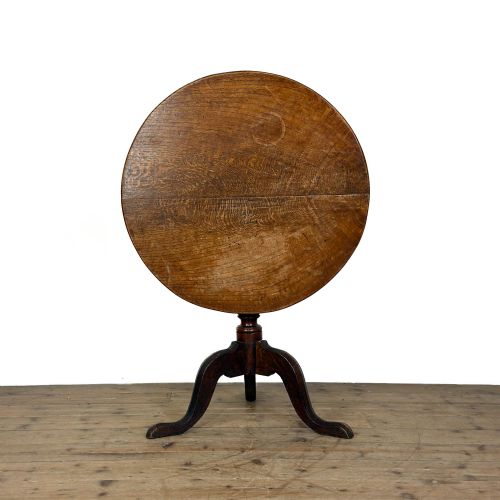
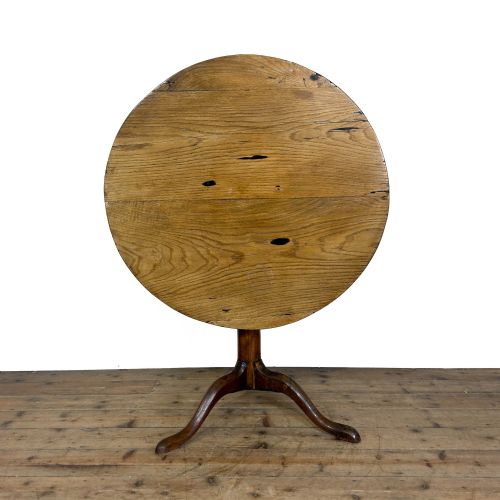
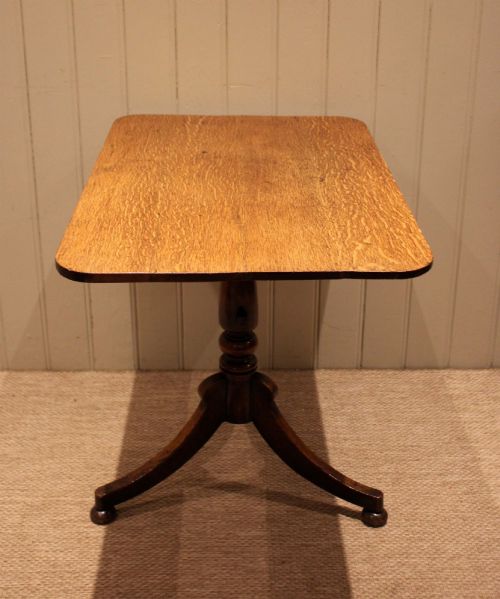
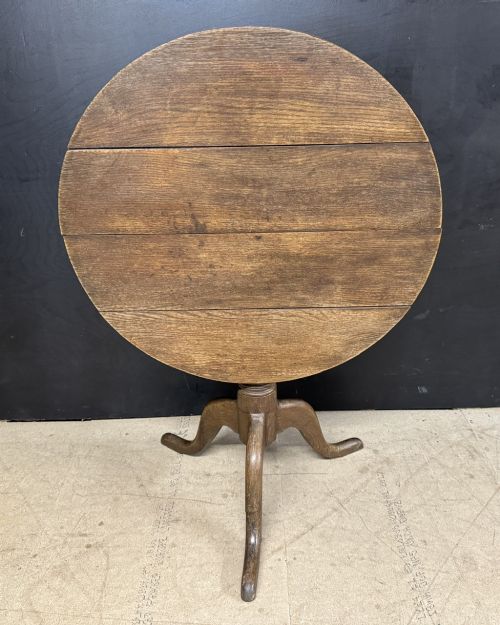
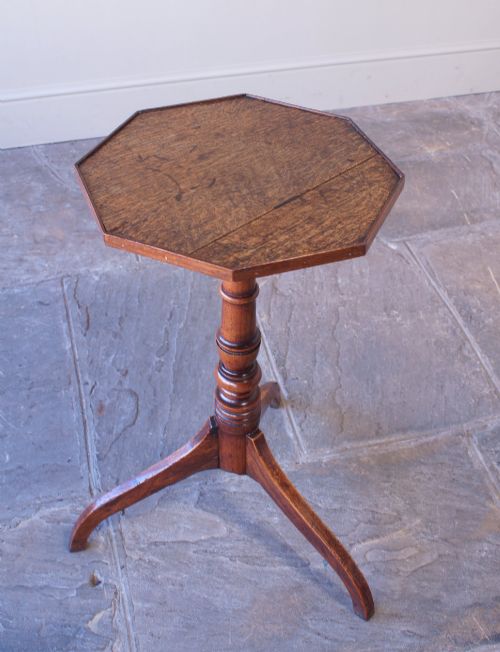
When you search for a georgian oak wine table, you encounter small tripod bases supporting circular or segmented tops designed for portability and daily use. The most common form on this page dates from the eighteenth century, featuring a slender central column and three splayed legs.
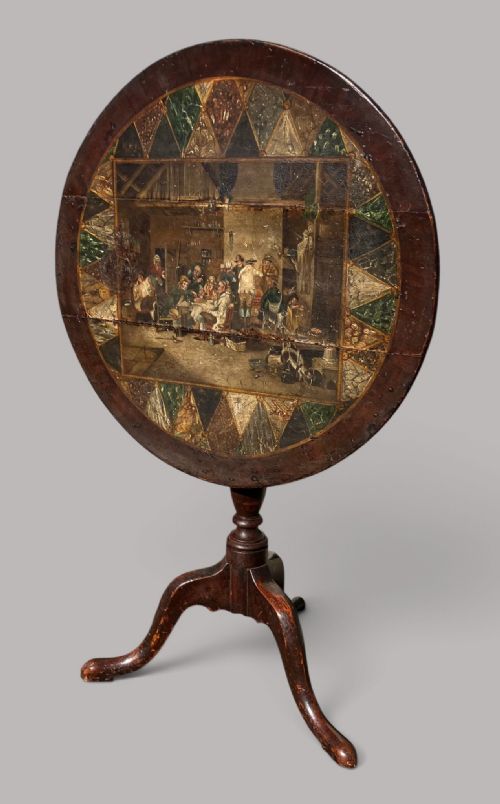
Many examples incorporate a tilt-top mechanism, allowing the surface to fold vertically when not in use against a wall or in a corner. These country-made pieces span the Georgian and Regency periods, often utilising local timber like elm or fruitwood alongside domestic oak.
Beyond standard wine stands, the category overlaps with related occasional forms such as cricket tables and small candle stands. Their modest proportions make them practical for modern interiors as independent lamp or side tables.
Materials and construction methods
Cabinet makers built these tables primarily from solid English oak, frequently selecting burr oak veneers or figuring to accentuate the circular table tops. Secondary timbers such as beech, elm, and fruitwood appear in the turned pedestals and structural legs.
Tripod bases typically join the central column through pegged or dovetailed joints, while tilt-top variants rely on a wooden birdcage mechanism or a simple block hinge with a brass catch. Surface finishing was achieved through hand planing and traditional waxing rather than modern varnishes.
The grain configuration of a single plank top often determined the stability of the dish top, which was hand-carved or turned on a lathe to create a slight raised rim.
Georgian Oak Wine Table Retail Price Guide 2026
Typical asking prices for georgian oak wine table among the pieces listed under this phrase on Sellingantiques today, from the lower quarter to the upper quarter. They describe what is for sale here now, not the wider market.
Several tilt-tops still bear the faint circular ring marks of long-departed wine glasses, recording their lively past social duties.
Distinctions in craftsmanship and condition
Quality in a georgian oak wine table depends on the proportional balance between the slender column, the spread of the tripod legs, and the thickness of the top. Superior examples display refined turning on the pedestal and a well-fitted mechanism that allows the tilt-top to rest flat without excessive wobble.
Surface patination separates standard specimens from exceptional ones, with deep natural wax build-up and warm honey tones indicating age and gentle use. The integration of figured timber, such as burr oak or contrasting yew wood elements, elevates the visual interest of the piece.
The integrity of the original joints at the base dictates structural longevity, as poorly executed repairs to the leg attachments diminish the balance of the tripod.
The Georgian Oak Wine Table Glossary
- Tripod table
- A small standalone table supported by three legs radiating from a central pedestal. This configuration prevents rocking on uneven historic floorboards.
- Tilt-top
- A hinged table surface that rotates to a vertical position when not in use. This design saved floor space in smaller domestic rooms.
- Cricket table
- A small round table with three legs and a lower triangular under-tier shelf. It represents an early form of vernacular English occasional furniture.
- Dish top
- A circular tabletop carved with a raised rim around the edge. This feature prevented glassware or bottles from sliding off.
- Patina
- The surface sheen and colour developed over decades through handling, polishing, and natural oxidation. It serves as an indicator of age and honest preservation.
Georgian Oak Wine Table: Frequently Asked Questions
What was a wine table used for?
These small tables held decanters, glasses, or candles beside seating areas during the eighteenth and nineteenth centuries. Their light construction allowed servants to move them easily around a drawing room.
Today, they function well as compact lamp stands or bedside tables in tighter spaces where a larger piece would overwhelm the room.
How do I spot a tilt-top mechanism?
Look underneath the circular top for a wooden block hinge, often secured with a small wooden or brass peg. When released, the top pivots ninety degrees to stand flat against the central column.
Original mechanisms should operate smoothly without excessive looseness in the pivot point.
Are all these tables from the Georgian period?
The listings span the eighteenth century through the Victorian era and into later revival styles. While many originate from the George III period, country makers continued producing similar vernacular designs well into the nineteenth century.
Differences in leg turning and timber finishing help distinguish earlier vernacular pieces from later revival work.
What is burr oak?
Burr oak comes from a growth deformity on the tree that produces swirling, highly figured grain patterns. Cabinet makers prized this wood for table tops because it created a decorative, mottled visual texture.
It was often used selectively on prominent surfaces while structural elements utilised straight-grained oak.