
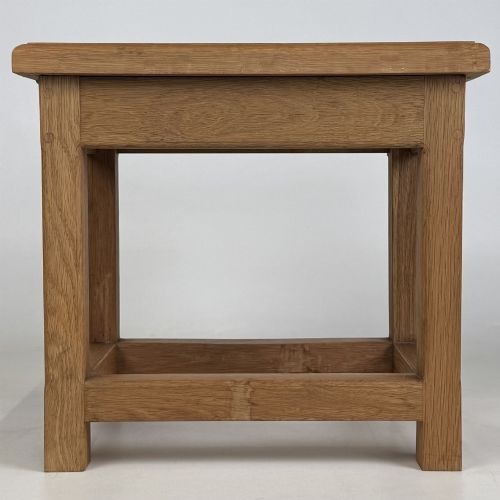
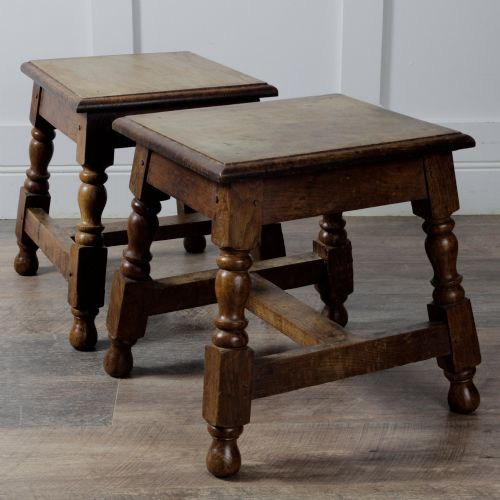
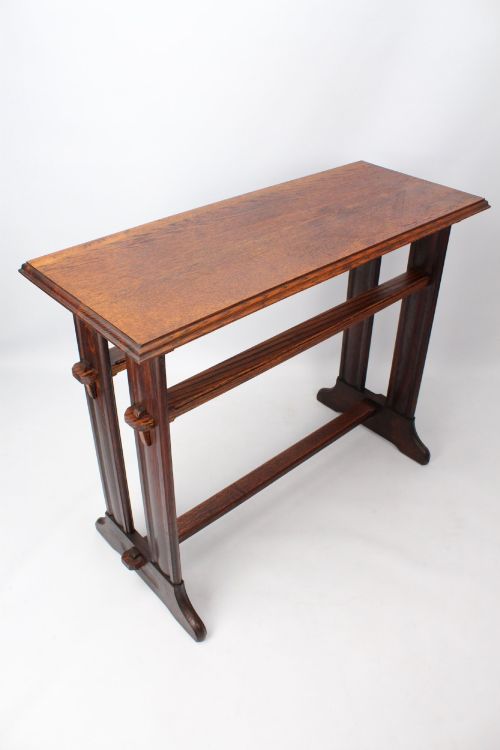
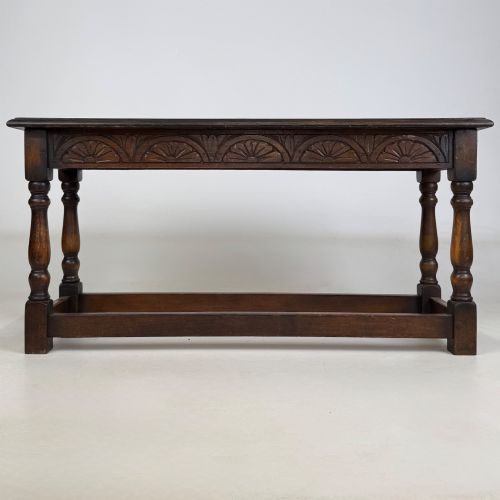
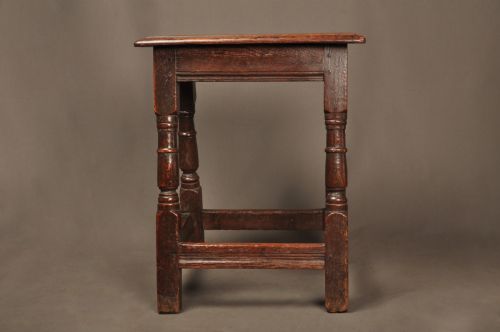
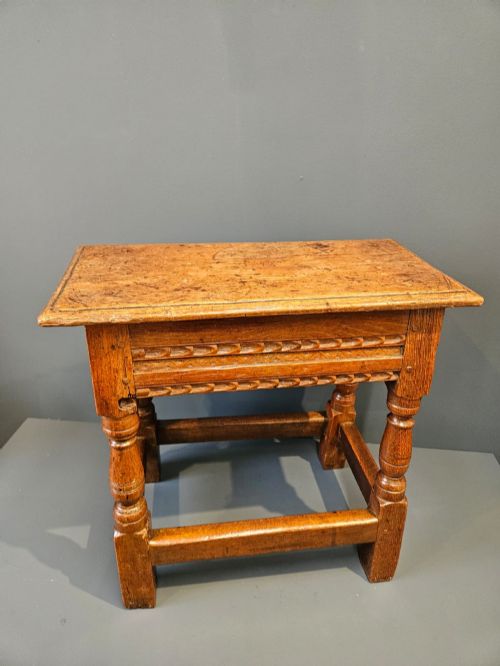
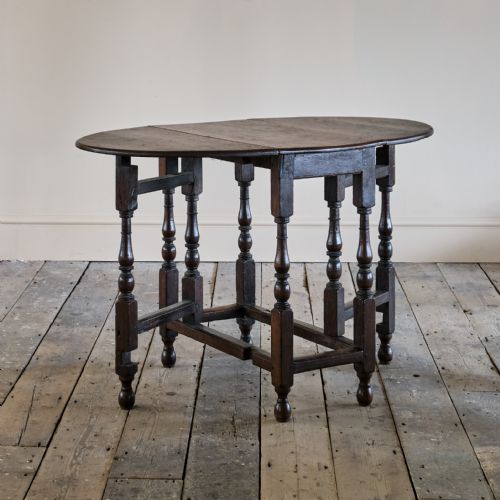

Antique Oak Joint Table
An antique oak joint table brings solid timber framing and centuries of domestic history straight into a room.
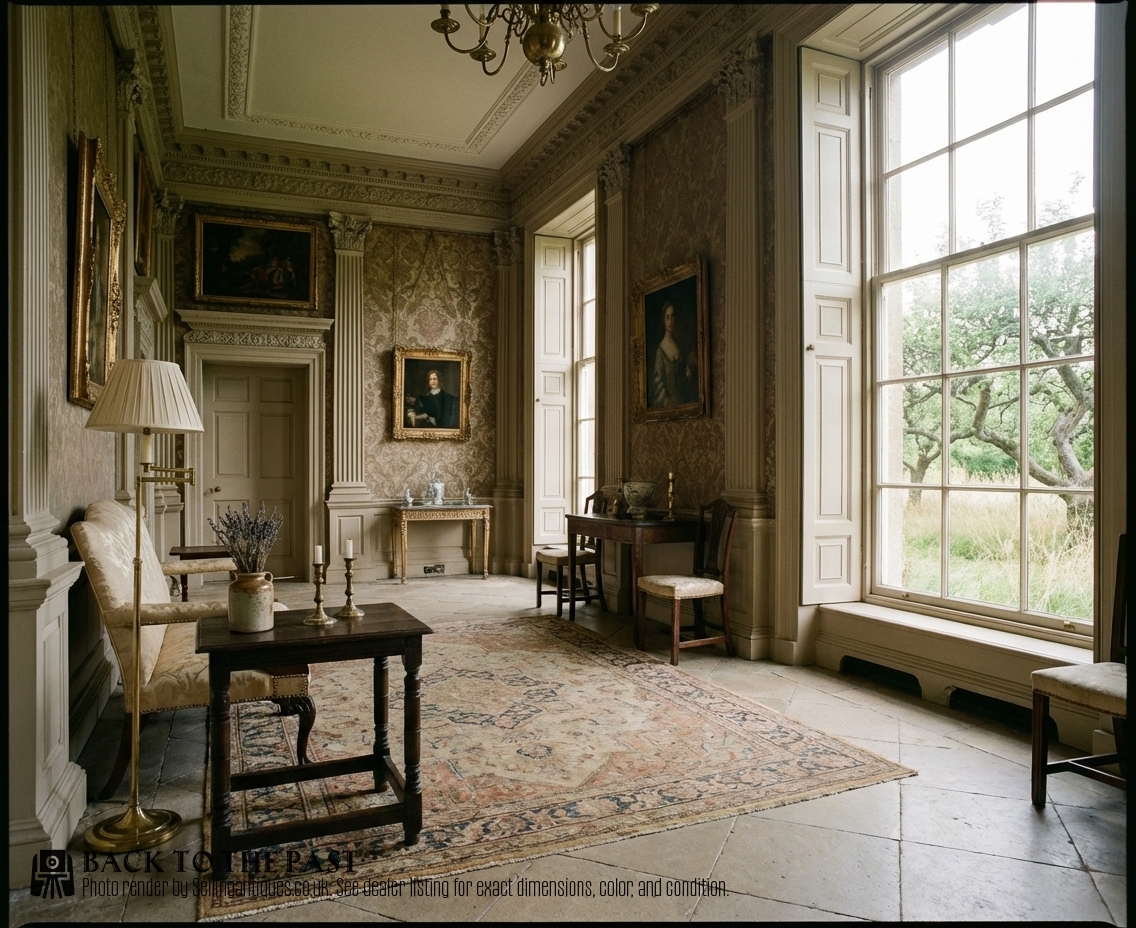
Antique Oak Joint Table
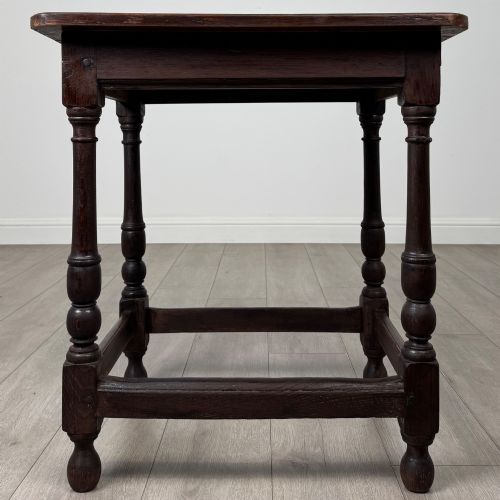
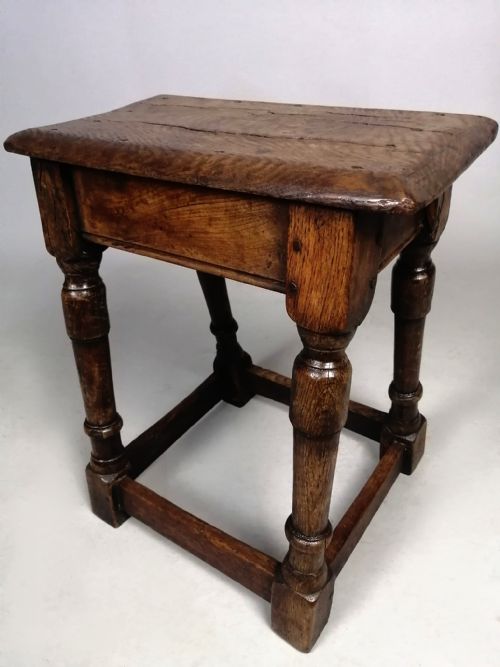
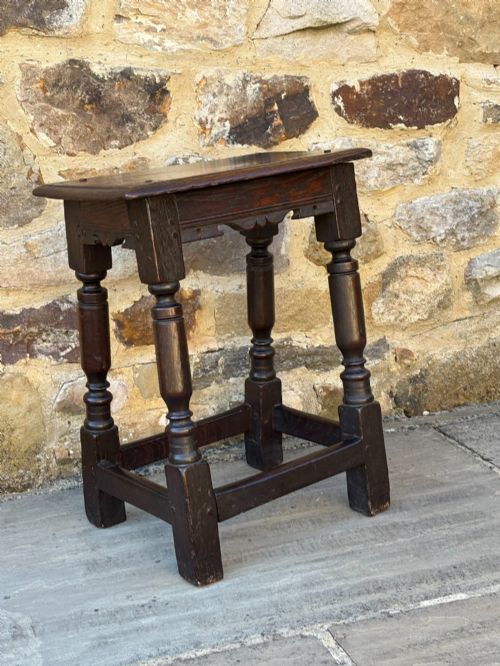
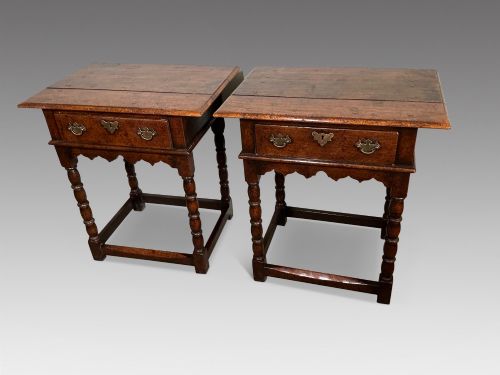
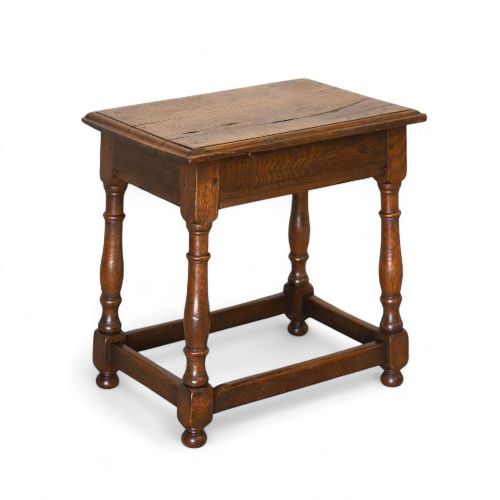
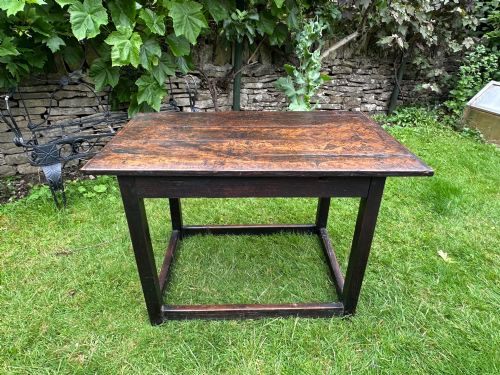
When you search for an antique oak joint table, you are looking at sturdy frames built using traditional joinery rather than simple nails or modern adhesives. The selection spans compact side pieces, occasional tables and dining formats originating from the seventeenth century through to the twentieth century revival periods.
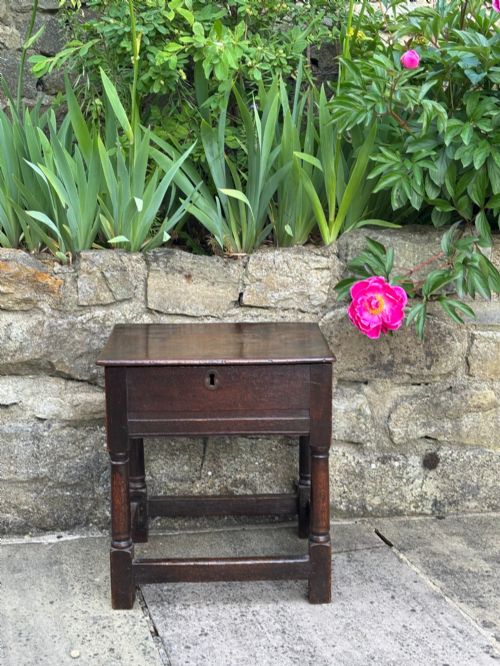
The version you are most likely to meet on this page is an English provincial piece or a later revival adaptation in solid oak, often demonstrating the sturdy proportions typical of early vernacular furniture. Side tables, stools and low occasional pieces dominate the physical evidence, reflecting how these durable domestic items survived the centuries.
Materials and construction
Makers relied primarily on English oak, frequently supplemented by elm or yew wood for specific components like plank tops or turned supports. Pegged construction forms the backbone of these pieces, utilising wooden dowels to secure mortise and tenon joints firmly in place.
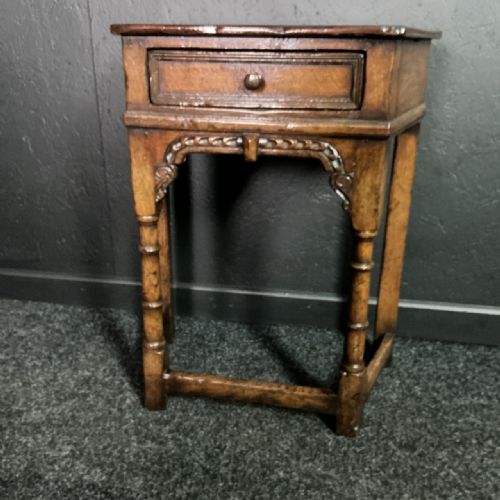
Secondary elements occasionally incorporate brass or iron hardware such as hinges and drawer pulls, though structural integrity depends entirely upon the heavy timber framing. Surface finishes develop naturally through age and friction, showing the grain of solid oak and elm without modern synthetic varnishes.
Antique Oak Joint Table Retail Price Guide 2026
Typical asking prices for oak joint table among the pieces listed under this phrase on Sellingantiques today, from the lower quarter to the upper quarter. They describe what is for sale here now, not the wider market.
Listings span the seventeenth, eighteenth, and nineteenth centuries alongside Edwardian and 1920s revival periods, built primarily from solid oak, elm, and yew.
Assessing quality and character
The top of the range is distinguished by the integrity of the original timber framing, untouched surface patination, and minimal replacement of structural pegs or top planks. Pieces retaining their early seventeenth or eighteenth-century proportions carry greater authority than later nineteenth-century revival interpretations.
Depth of colour and tactile warmth separate finer examples from routine workshop output, as decades of use impart a rich tone to the oak. Subtle details such as hand-carved friezes or well-turned legs elevate certain occasional tables and stools above plain utilitarian variants.
The Antique Oak Joint Table Glossary
- Joint stool
- A sturdy wooden seat constructed with pegged mortise and tenon joints rather than simple glued joints. These items frequently double as low occasional tables in modern settings.
- Mortise and tenon
- A traditional woodworking joint where a protruding tongue fits tightly into a matching cavity, locked securely with a wooden peg. This method provides exceptional rigidity without relying on metal fasteners.
- Plank top
- A table or stool surface formed from solid boards joined edge to edge. Early examples often utilise thick single boards of English oak or elm.
- Box stool
- A specialised form featuring a lidded compartment beneath the seat for storage. These multi-functional pieces combine domestic utility with heavy timber construction.
- Jacobean style
- A design aesthetic originating in the early seventeenth century characterised by linear rigidity, geometric mouldings and dark oak. Revival versions reappeared frequently during the Victorian and Edwardian eras.
Antique Oak Joint Table: Frequently Asked Questions
What is a joint table?
A joint table or joint stool gets its name from the precise carpentry used to frame the timber together. Carpenters utilised mortise and tenon joints secured by wooden pegs rather than metal nails.
These compact surfaces served multiple household duties over the centuries, acting as dining supports, lamp stands, or heavy seats before finding a second life as decorative antiques.
How do I date an oak table?
Dating relies on observing tool marks, the method of timber preparation, and the style of turning on the legs. Seventeenth-century pieces typically show hand-riven boards and primitive pegged joints, while later nineteenth-century revivals display machine assistance.
Examine the underside and the wear patterns on the feet to understand how the timber has aged in relation to its recorded period.
Where should I place an antique table?
These low occasional tables and side pieces fit naturally beside chairs, next to beds, or as small lamp stands in hallways. Their sturdy timber construction handles everyday use without requiring delicate placement.
Keep them away from direct heat sources and drastic humidity changes to protect the solid oak and elm from drying out or splitting.
Are elm and yew common?
Elm and yew appear alongside oak, particularly for tabletop planks or secondary structural components in country vernacular pieces. Cabinetmakers utilised whatever strong native timber was available locally.
These alternate woods provide varied grain patterns and rich tones that contrast pleasantly against the primary oak framework.