

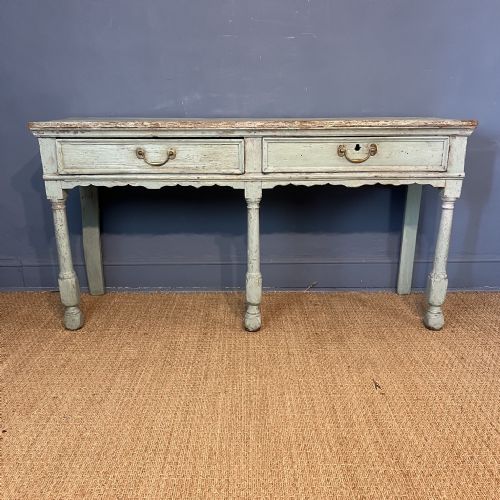
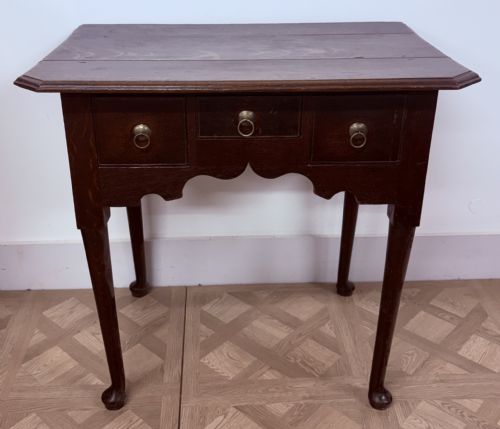
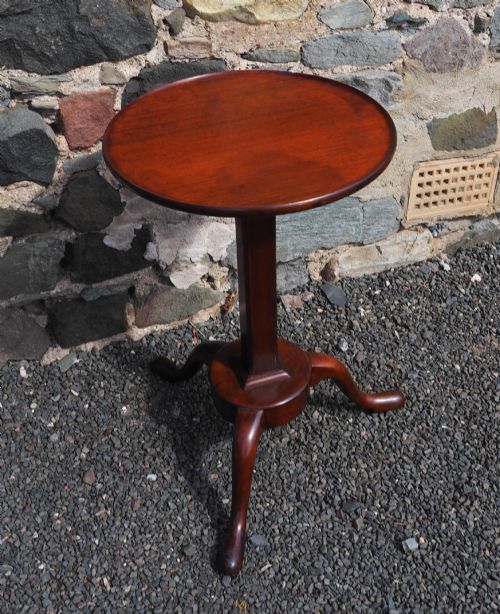
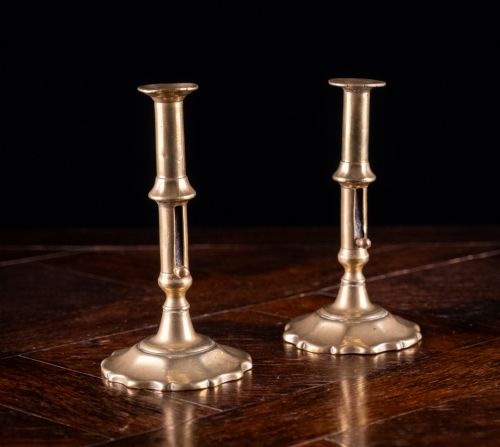


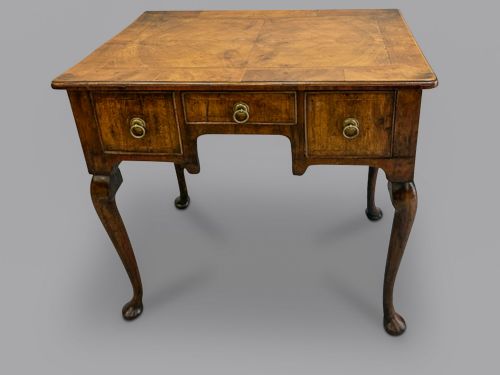
Early 18th Century Table
When you invest in an early 18th century table, you acquire a domestic timber survivor shaped by Queen Anne and Georgian hands for daily use.
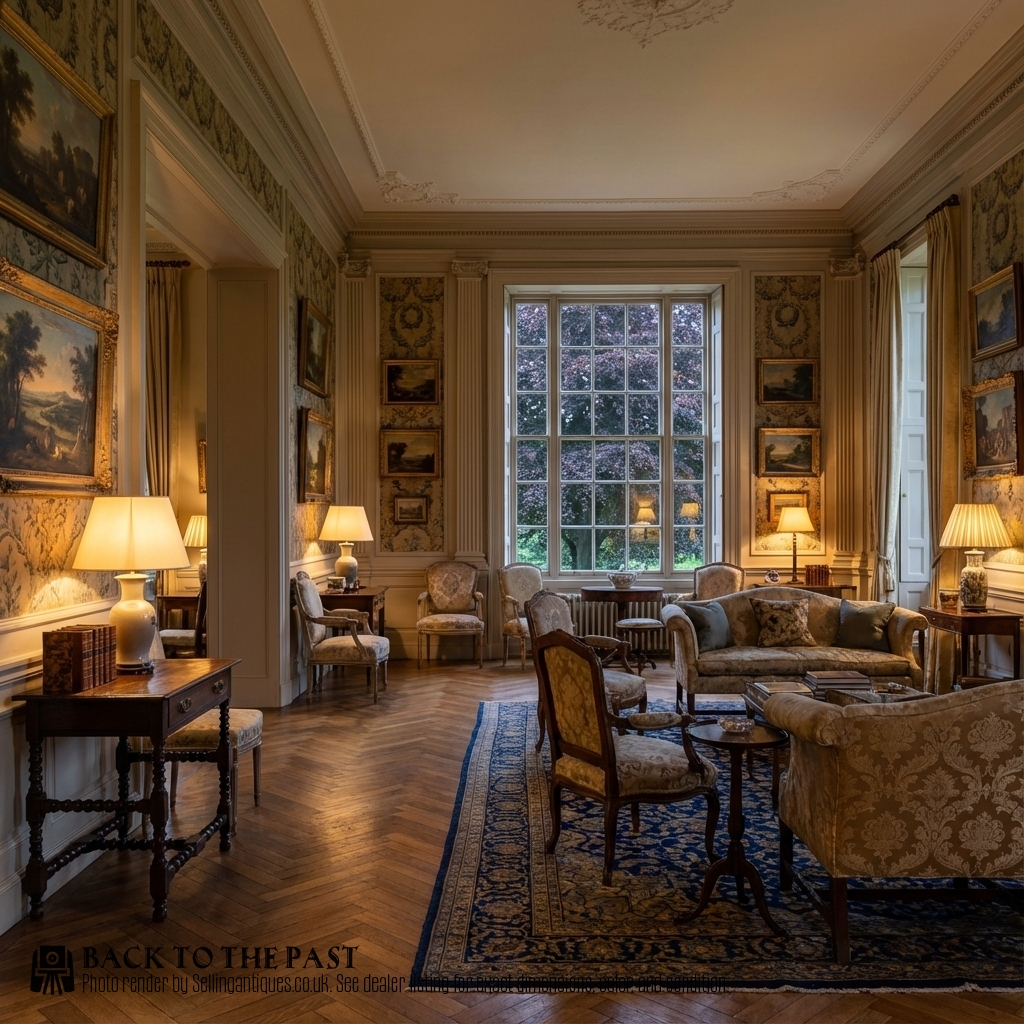
Early 18th Century Table
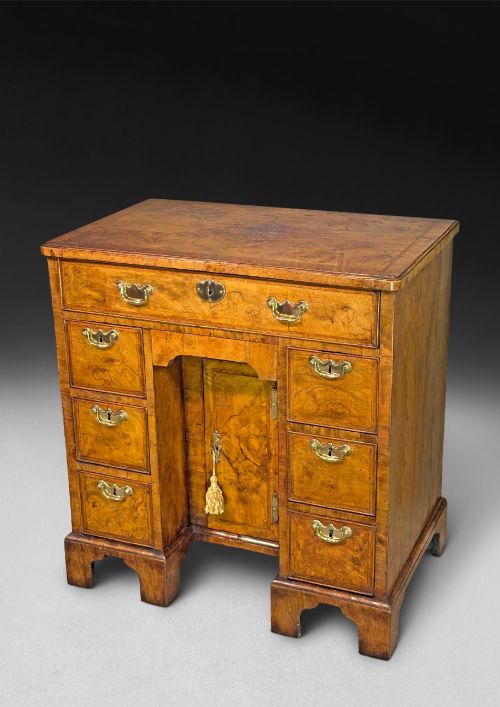
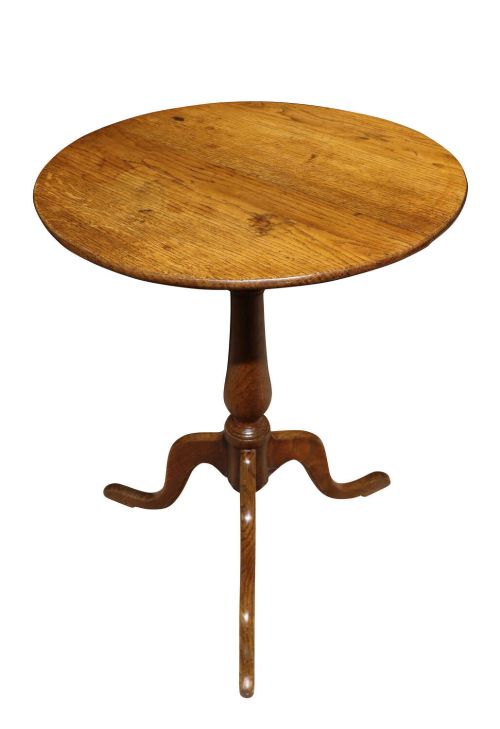
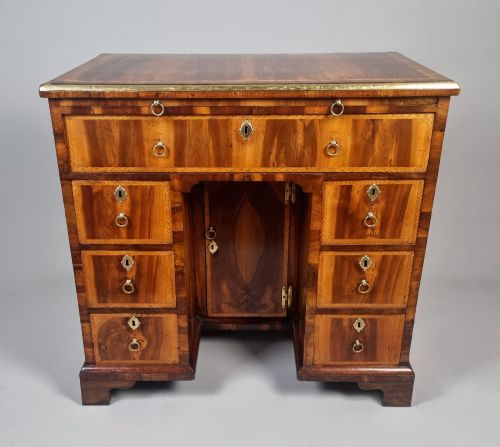
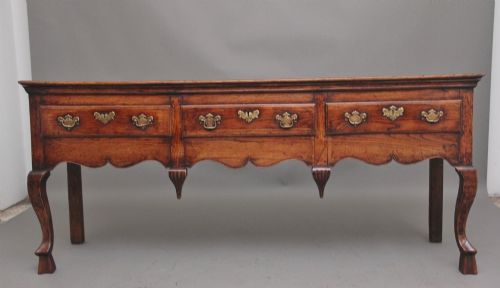
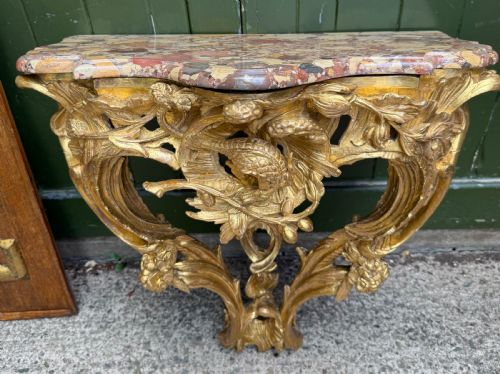
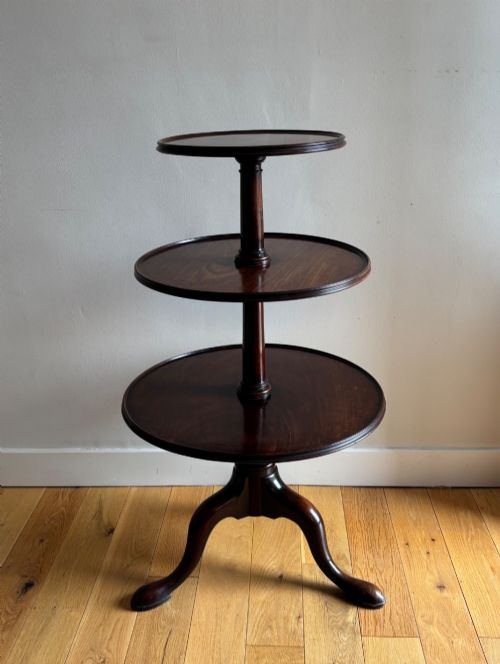
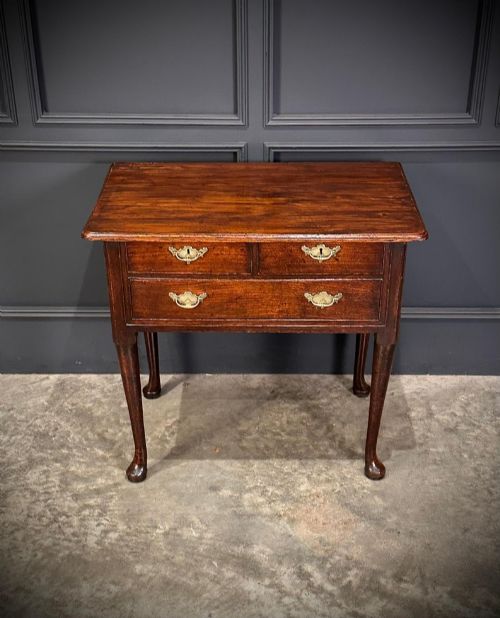
An early 18th century table encompasses functional domestic forms such as gateleg dining tables, side tables, lowboys, and occasional tripod stands made during the reigns of Queen Anne and the early Georges. Buyers searching this phrase meet sturdy oak country pieces alongside figured walnut and mahogany examples built for more formal town settings.
Originating largely from English domestic workshops, these tables served practical household needs ranging from writing and dressing to dining and tavern service. Selecting an early 18th century table means welcoming a compact work surface carrying centuries of visible timber evolution.
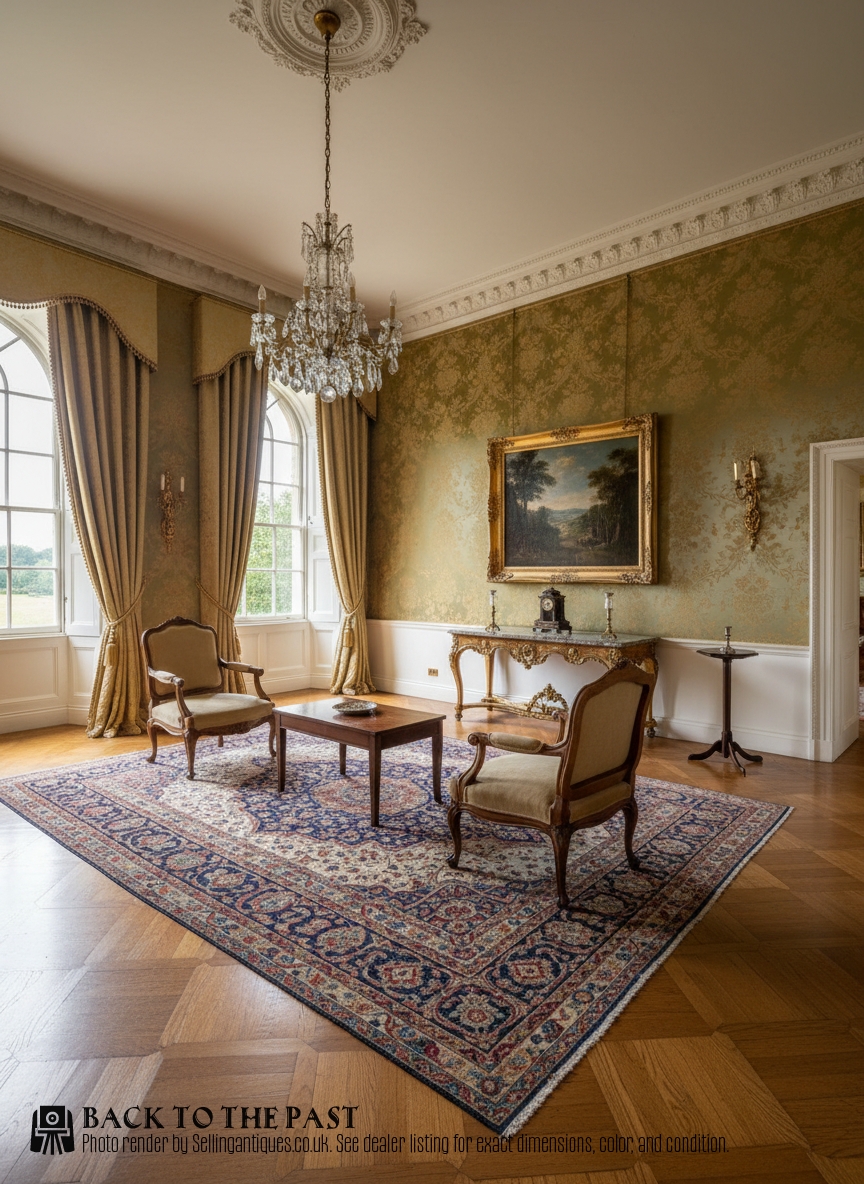
How They Were Made
Cabinetmakers relied on native timbers such as oak, elm, fruitwood, and yew for structural stability, while turning increasingly to imported walnut and mahogany for fashionable urban commissions. Planks were hand-sawn and joined using pegged mortise and tenon construction, allowing timber to breathe naturally over centuries of shifting humidity.
Surface finishing involved hand-planing and polishing with natural oils and waxes, developing a deep, tactile patina through generations of use. Walnut surfaces often incorporated decorative veneers and cross-banding, whereas robust oak and fruitwood pieces depended on solid board construction and simple turned supports.
Early 18th Century Table Retail Price Guide 2026
Typical asking prices for early 18th century table among the pieces listed under this phrase on Sellingantiques today, from the lower quarter to the upper quarter. They describe what is for sale here now, not the wider market.
Early patch stands kept artificial beauty spots within arm's reach during tea.
What Varies in Quality
Quality rests primarily in the survival of original surfaces, timber selection, and the integrity of structural joinery without excessive modern intervention. A superior example retains its untouched depth of patina, original brass drawer furniture, and uncompromised leg attachments.
Proportion and the handling of carved details, such as cabriole leg knees or pad feet, separate standard utilitarian output from high-status cabinet work. Lesser pieces suffer from heavy timber replacement, stripped surfaces, or mismatched replacement bases that obscure the original period harmony.
Andrew Archer
The Early 18th Century Table Glossary
- Lowboy
- A small dressing table or side table featuring one or more drawers set beneath a waist-high flat top, commonly raised on cabriole legs. These compact pieces were widely produced in walnut and oak during the early Georgian era.
- Gateleg table
- A drop-leaf dining or utility table with hinged flaps supported by hinged legs that swing outward like a gate. This design allowed large surfaces to fold down compactly when not in use.
- Pad foot
- A simple rounded foot resting flat on the floor at the base of a cabriole or straight leg. It appears frequently on early eighteenth-century country furniture made from oak and elm.
- Cabriole leg
- A furniture leg that curves outward in a convex arc at the knee and tapers inward in a concave arc toward the foot. This flowing line defines much of the seating and table design under Queen Anne and George I.
- Patina
- The lustrous surface sheen developed on wood through age, handling, and wax polishing over many decades. Collectors value an undisturbed patina as evidence of genuine period longevity.
Early 18th Century Table: Frequently Asked Questions
How do I use a lowboy today?
A lowboy functions effectively as a compact hallway console, a bedside table, or a slim writing desk beneath a mirror.
Its shallow drawers provide convenient storage for modern accessories while keeping floor space open.
Can I use an oak gateleg table for daily dining?
These sturdy tables accommodate daily meals easily when opened fully and stabilized on level flooring.
Using placemats and coasters protects the historic timber surface from heat and moisture marks during routine use.
How do I distinguish walnut from oak pieces?
Walnut exhibits a darker, more figured grain pattern often selected for formal parlor and bedroom furniture.
Oak displays a pronounced open grain with visible medullary rays, pointing toward heavier utilitarian or country manufacture.
What is a tavern table used for?
Tavern tables provided sturdy, utilitarian surfaces for public houses and simple domestic dining rooms.
Their robust frames and straightforward stretcher bases were engineered to withstand heavy, continuous daily traffic.