

Antique Pad Foot Table
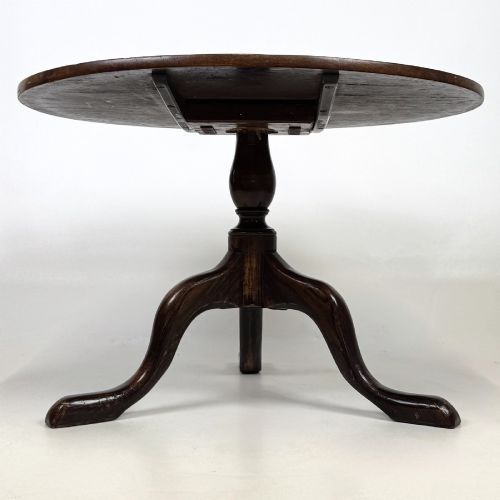
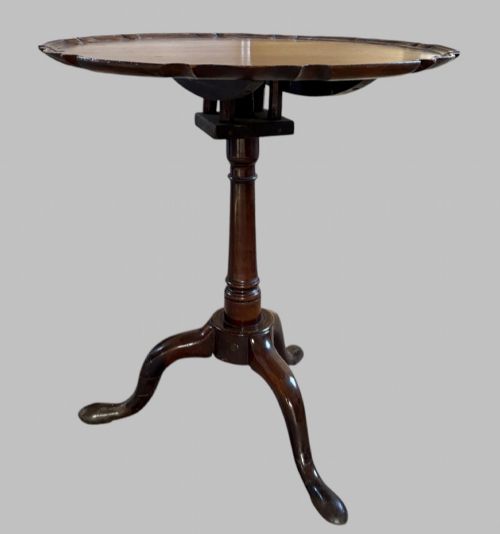
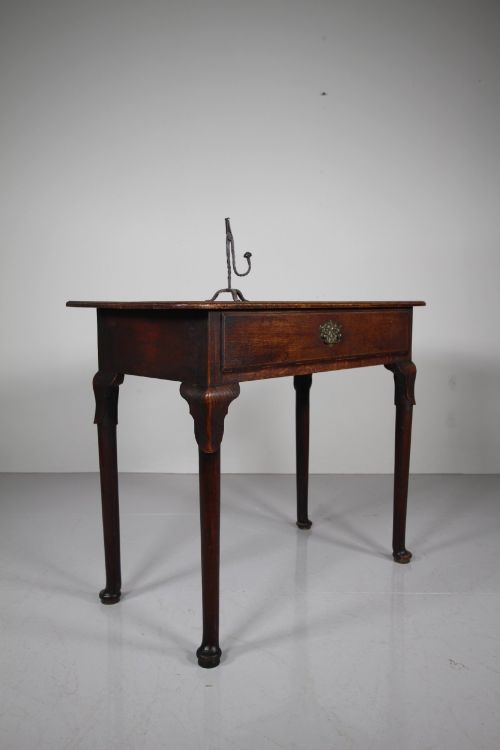
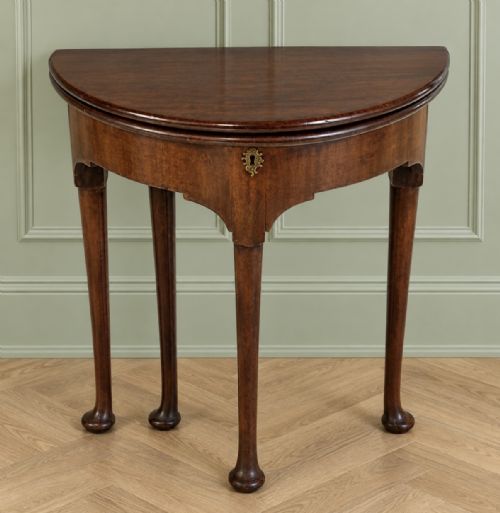
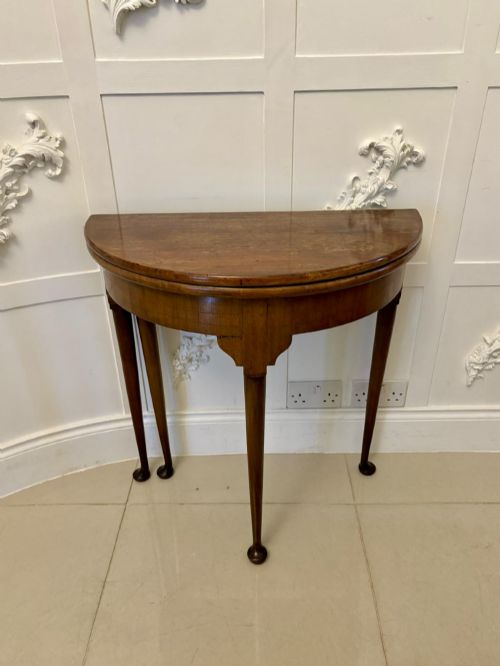
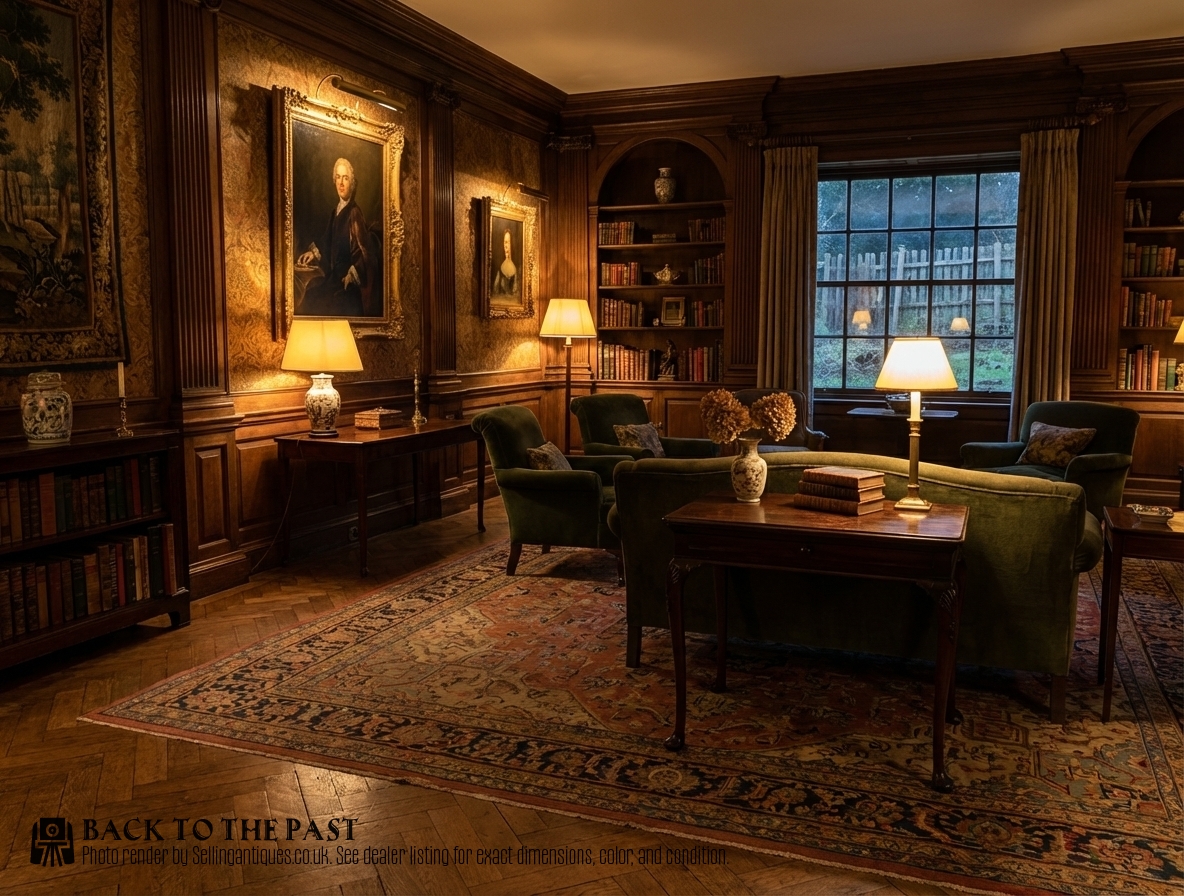
An antique pad foot table brings understated 18th-century proportion and functional timber to a room, offering sturdy cabriole support that terminates in a rounded pad.
Antique Pad Foot Table
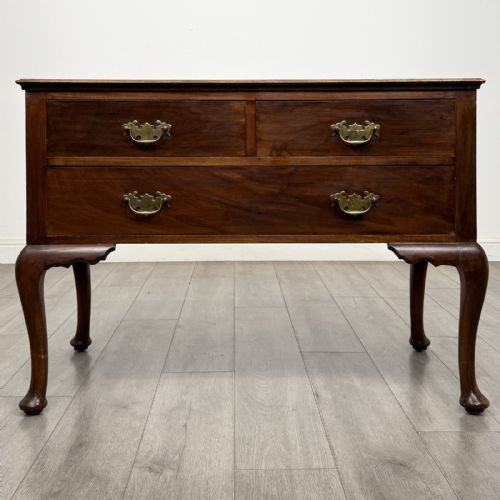
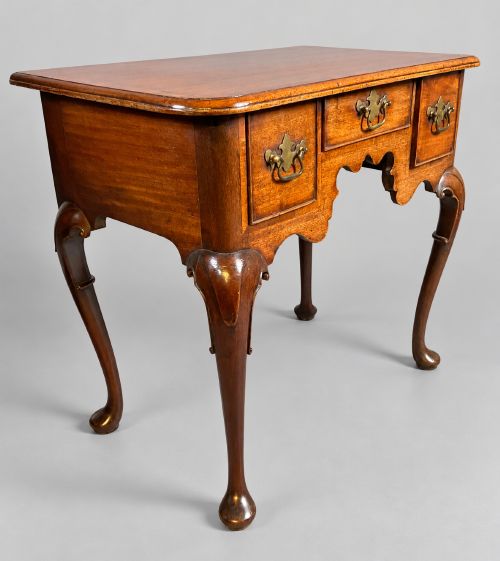
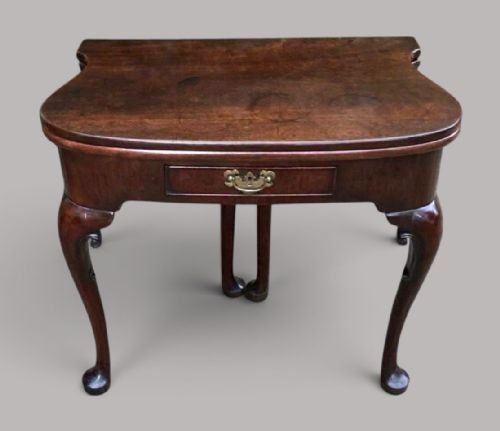
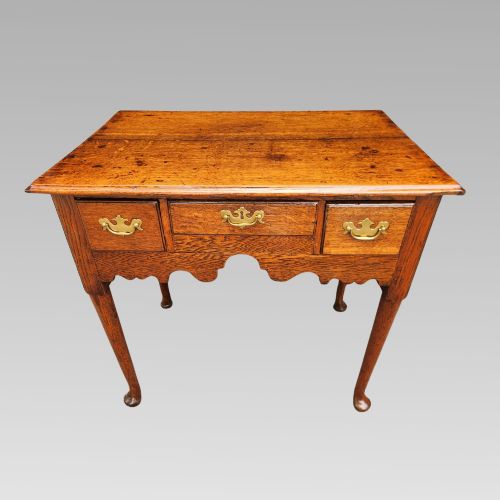
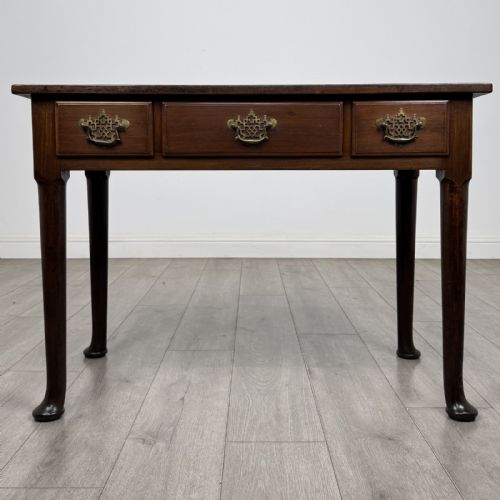
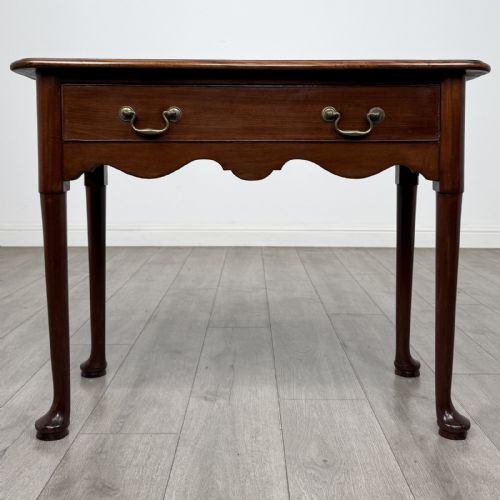
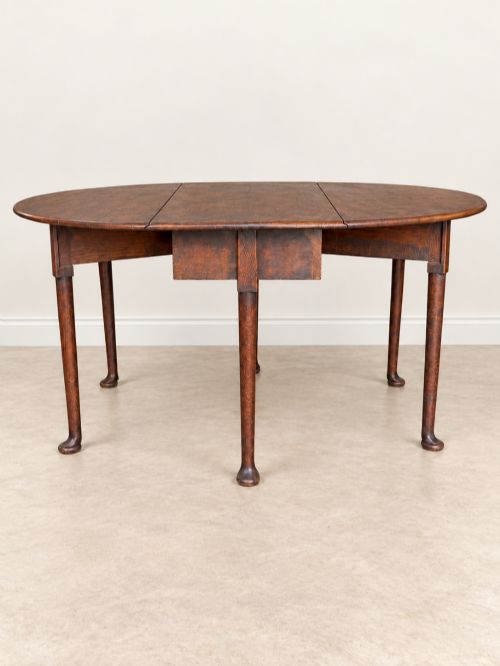
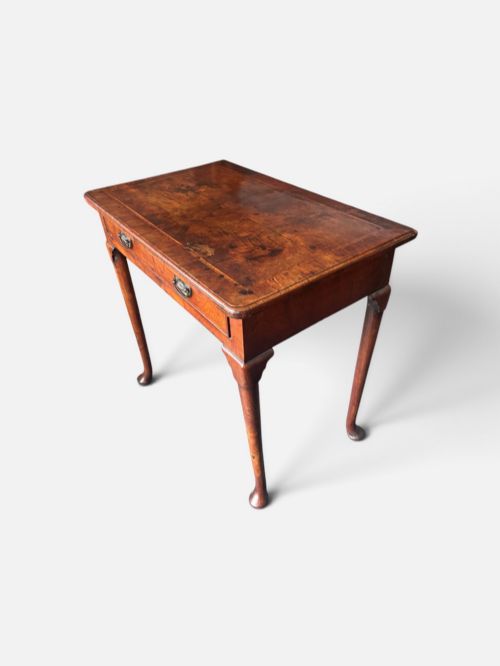
An antique pad foot table encompasses versatile forms ranging from compact lowboys and drop-leaf dining tables to tea and card tables. The phrase centres on Georgian pieces from the 18th century, particularly George II and George III eras, alongside later revival examples.
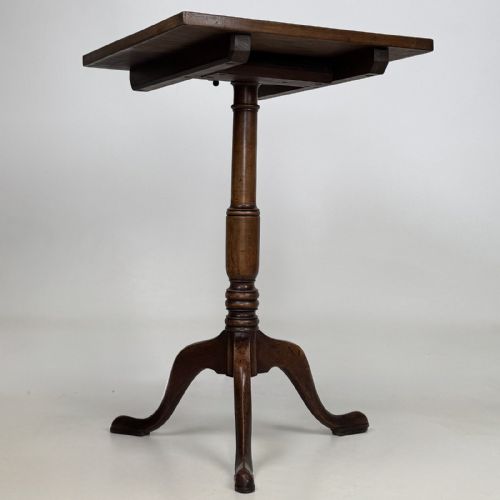
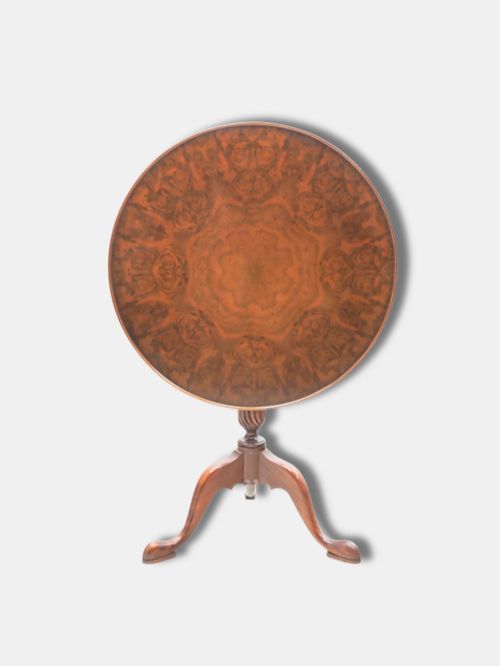
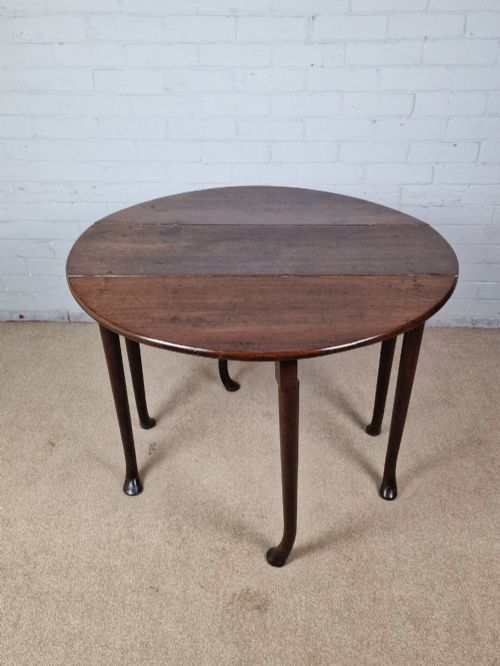
Most examples deploy a drop-leaf mechanism, gateleg construction, or tilt-top tripod format designed to maximise space in historic interiors. Timbers typically feature rich mahogany, red walnut, oak, and fruitwood.
Buyers encounter country furniture alongside metropolitan card and tea tables, each showcasing the characteristic cabriole leg ending in a simple, rounded foot that defines the type.
How they were made
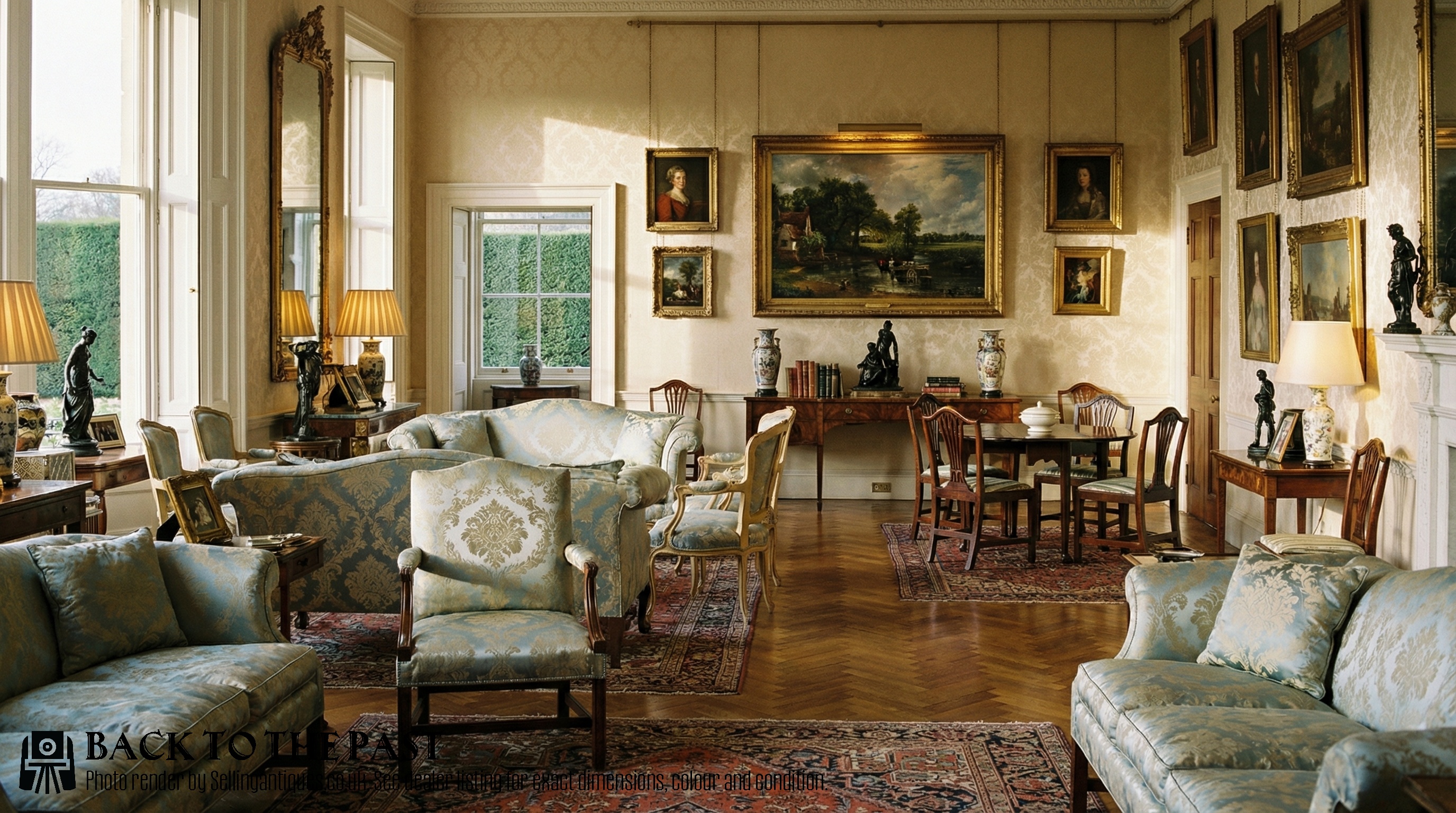
Cabinetmakers constructed these tables primarily using dense hardwoods such as Cuban mahogany, red walnut, and native oak, frequently selecting fruitwood for country pieces. Timber selection dictated the weight and grain movement of the top boards.
Legs were shaped into cabriole profiles using hand tools, tapering down to a distinct pad foot that rested directly on the floor. Joints relied on traditional pegged mortise and tenon construction, concertina actions for card tables, and birdcage mechanisms for tilt-top tripod tables.
Antique Pad Foot Table Retail Price Guide 2026
Typical asking prices for pad foot table among the pieces listed under this phrase on Sellingantiques today, from the lower quarter to the upper quarter. They describe what is for sale here now, not the wider market.
Listings demonstrate that Georgian pad foot tables frequently utilise mahogany, red walnut, and oak across drop-leaf and lowboy forms.
What varies in quality
The degree of figuration in the mahogany or walnut veneer dictates visual presence, with highly figured timber reserved for formal urban pieces rather than country alternatives. Crispness in the carving of the cabriole knee and the rounded proportion of the pad foot reveal the maker's skill.
Structural integrity rests on the original movement of the drop-leaf hinges, the tightness of the gateleg pivot, and whether the timber top maintains its flat plane without excessive warping over centuries of atmospheric change.
The Antique Pad Foot Table Glossary
- Pad foot
- A simple, rounded foot at the base of a cabriole leg, typical of early 18th-century furniture. It provides a clean terminal point without carved ornamentation.
- Cabriole leg
- A furniture leg that curves out gracefully and then in towards the foot, imitating the natural shape of an animal's leg. This form became dominant during the Georgian period.
- Drop-leaf table
- A table with a fixed centre section and hinged flaps that fold down when not in use. It allowed households to adjust table surface area according to dining or room requirements.
- Lowboy
- A small dressing table or side table with one or more drawers and long legs, common in the 18th century. They functioned across domestic spaces for storage and writing.
- Tilt-top table
- A table featuring a mechanism that allows the top to pivot to a vertical position when stored against a wall. They are frequently mounted on tripod pedestals.
Antique Pad Foot Table: Frequently Asked Questions
What is an antique pad foot table?
An antique pad foot table is a piece of wooden furniture featuring cabriole legs that end in rounded pad feet, predominantly dating from the Georgian era. These tables include drop-leaf dining versions, tea tables, and lowboys.
Cabinetmakers built them using mahogany, walnut, oak, and fruitwood to serve flexible domestic functions in historic interiors.
How do I date an antique pad foot table?
Dating relies on examining the timber species, construction methods, and leg geometry. Early 18th-century pieces often utilise fruitwood, oak, or red walnut with simpler country craftsmanship.
Later Georgian examples transition towards figured Cuban mahogany with more refined cabriole proportions and sophisticated folding mechanisms for games and tea.
Were pad foot tables used for dining?
Many pad foot tables were specifically designed as drop-leaf dining tables or gateleg formats to accommodate meals in rooms of varying sizes. The folding leaves allowed families to extend the surface when hosting guests.
Smaller occasional and tea tables with pad feet fulfilled separate parlor duties for social gatherings and beverage service.
How should I care for a historic wood table?
Maintain timber tables by placing them away from direct heat sources and rapid humidity shifts that cause wood to split or warp. Regular dusting with a dry, soft cloth preserves the historic polish.
Avoid modern silicone polishes and instead rely on traditional beeswax applications sparingly to nourish aged mahogany, walnut, or oak surfaces.