


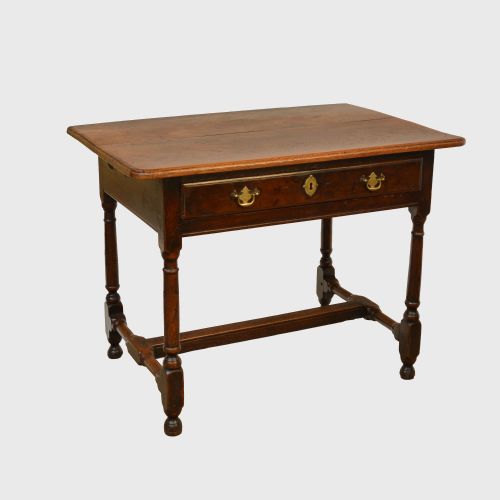
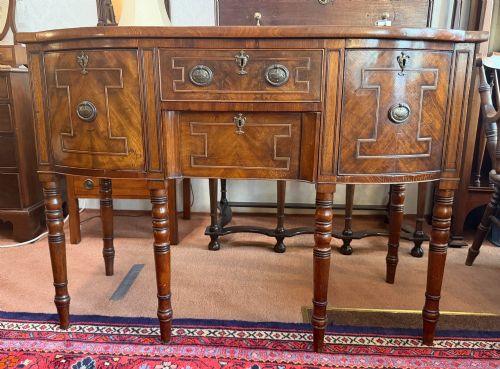
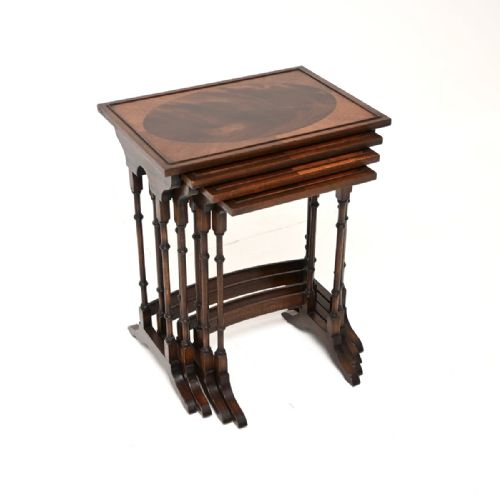
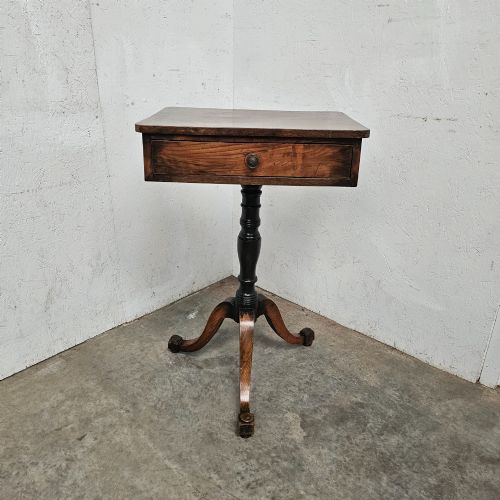
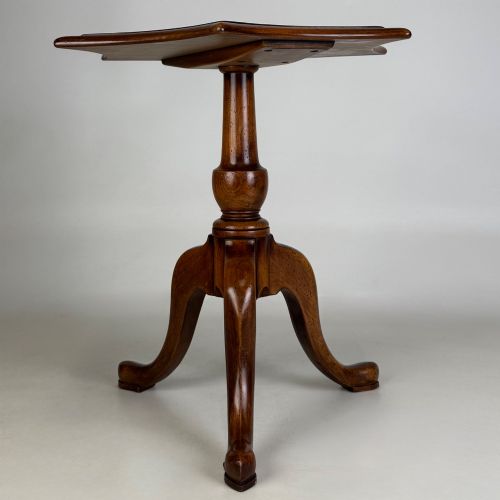
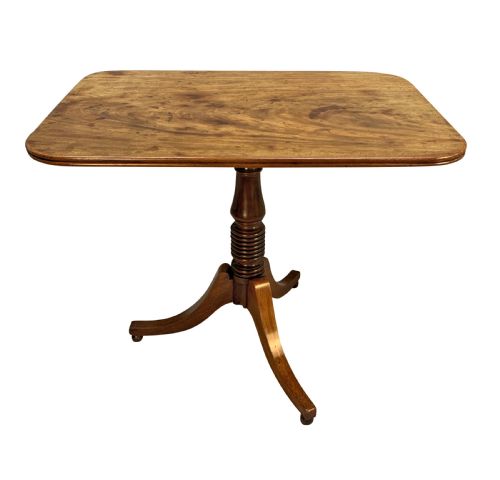
Georgian Wooden Side Table
A georgian wooden side table is a versatile domestic staple built in mahogany, oak or walnut that brings honest period utility to any room.
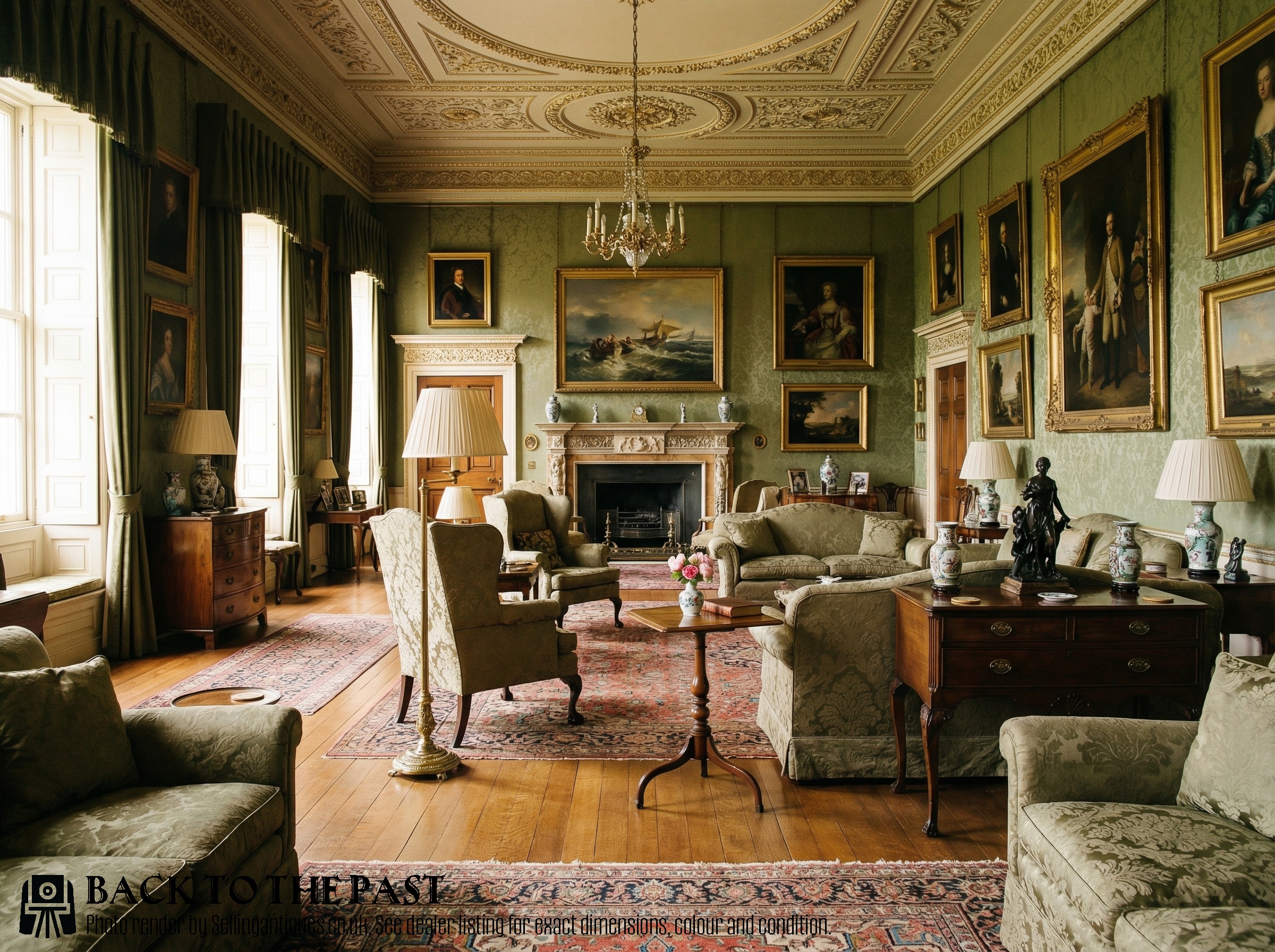
Georgian Wooden Side Table
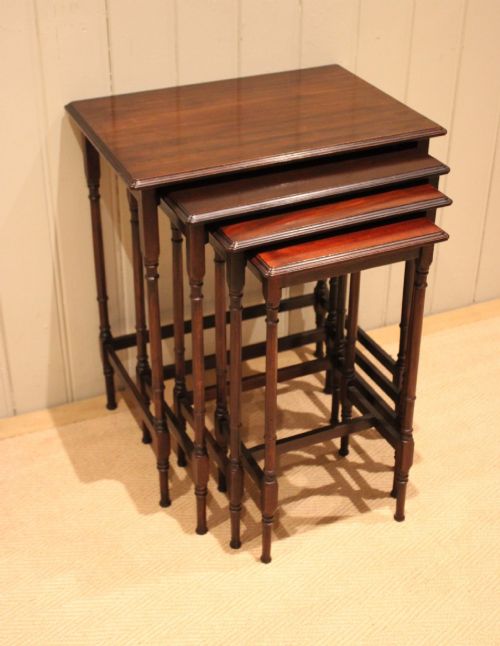
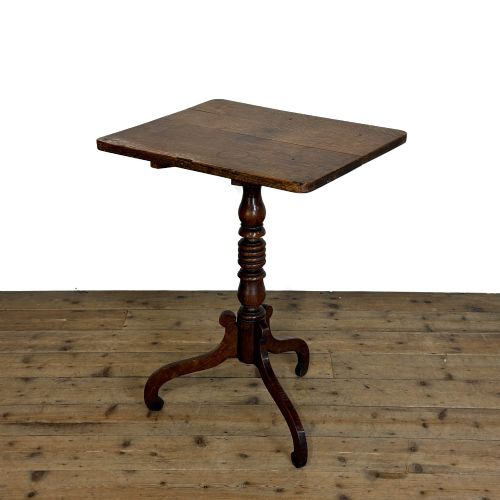
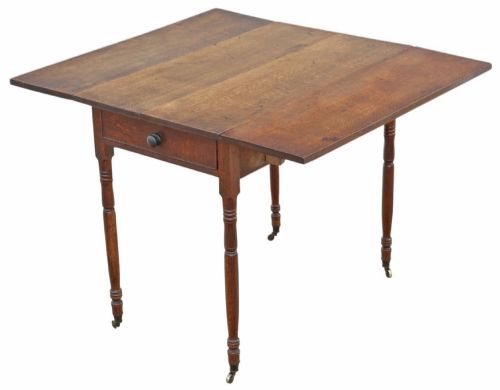
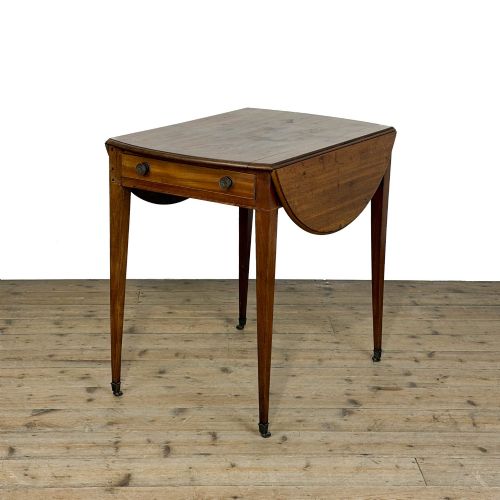
A georgian wooden side table encompasses a broad variety of domestic furniture forms ranging from compact occasional tables and bedside units to Pembroke and tilt-top tripod designs. Buyers meeting these pieces on this page will encounter items spanning the eighteenth and nineteenth centuries, along with later interpretations in the Georgian style.
The materials utilised in these tables reflect the domestic output of British workshops, appearing predominantly in mahogany, oak and walnut, alongside occasional examples in satinwood, elm and pine. The forms serve multiple functions throughout the home, operating as lamp stands, wine tables, small desks and writing surfaces.
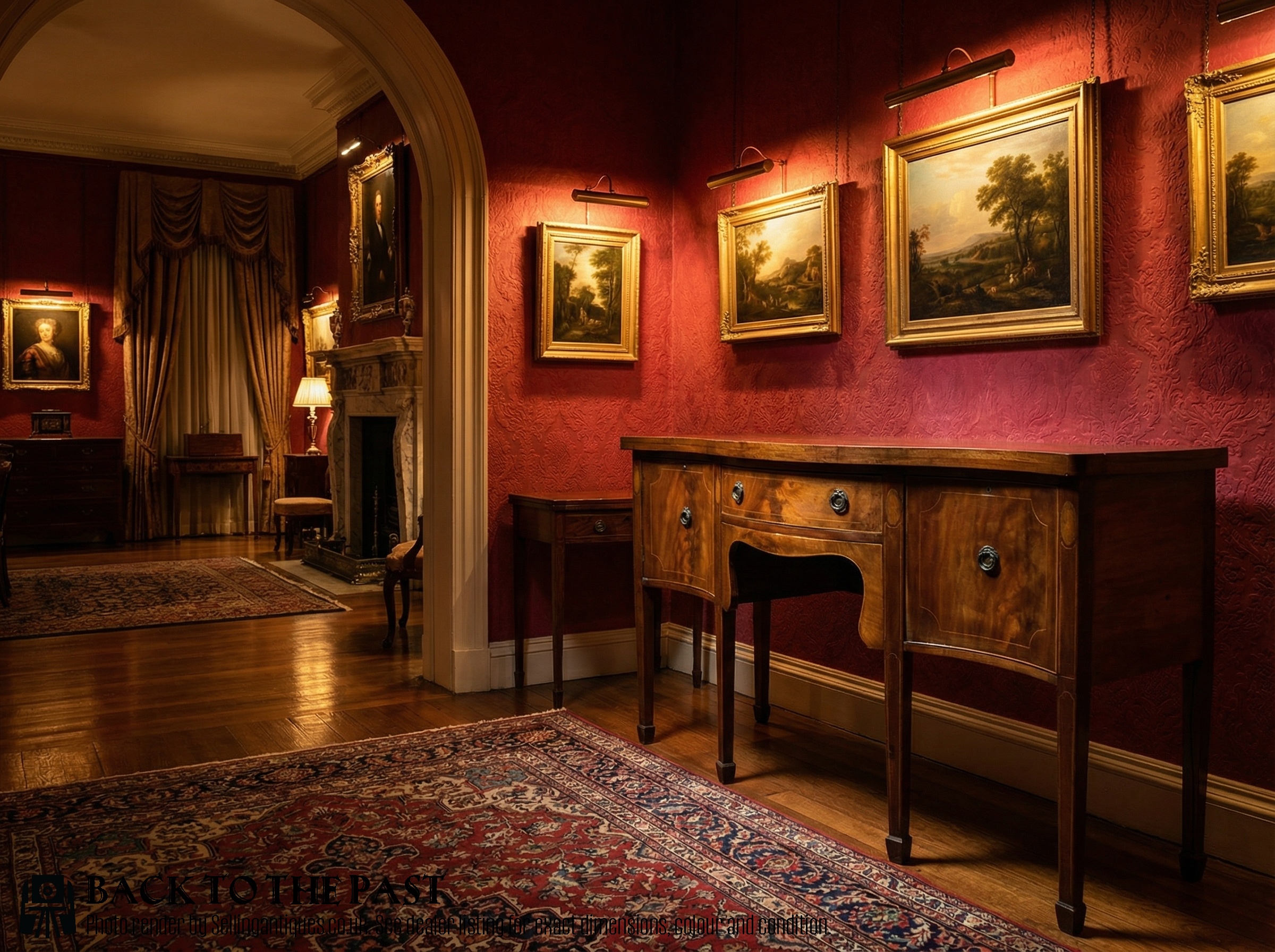
How They Were Made
Construction relies heavily on native and imported timbers, uniting solid mahogany, oak, walnut and fruitwood with structural elements in pine and elm. Workshops employed traditional joinery techniques, evident in drop-leaf mechanisms, birdcage actions and tilt-top tripod arrangements.
Surface treatments and finer details include brass hardware, inlay work in harewood and satinwood, and painted finishes on vernacular pine pieces. The cabinet work matches timber selection to the intended function of the table, whether for occasional dining, bedside storage or desk use.
Georgian Wooden Side Table Retail Price Guide 2026
Typical asking prices for georgian wooden side table among the pieces listed under this phrase on Sellingantiques today, from the lower quarter to the upper quarter. They describe what is for sale here now, not the wider market.
Spider leg tables use legs so remarkably thin they seem entirely unsuited to holding tea, yet they have balanced domestic cups for centuries.
What Varies in Quality
The standard of a georgian wooden side table rests upon the choice of timber and the precision of its construction, from figured mahogany and burr elm to plain domestic oak. Superior pieces display refined proportions and careful timber matching on table tops and drawer fronts.
The integrity of mechanisms such as birdcage actions, tilt-top pivots and drop-leaf hinges dictates the mechanical success of the piece. Craftsmanship in the turning of pedestal columns and the fitting of drawers separates standard vernacular items from finer cabinet-maker output.
The Georgian Wooden Side Table Glossary
- Pembroke table
- A small occasional table with hinged flaps on either side that can be raised to extend the surface. These tables often feature a single drawer and slender legs.
- Tilt-top table
- A table featuring a mechanism that allows the top to pivot upright when not in use, saving space in smaller rooms. They frequently stand on a central tripod base.
- Lowboy
- A small table with one or more drawers, originating in the eighteenth century and commonly used as a dressing table or side table. They typically rest on four tall legs.
- Cricket table
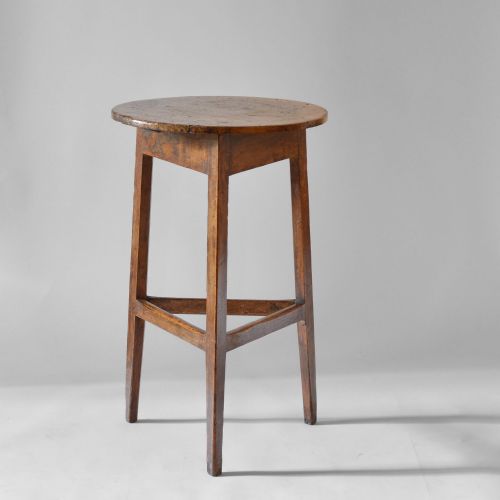
- A small, light round table with three legs, traditionally constructed in oak or pine for domestic use. The tripartite base ensures stability on uneven floors.
- Tripod table
- A piece supported by a single central pillar resting on three spreading feet. This design allows the table to stand firmly without rocking.
Georgian Wooden Side Table: Frequently Asked Questions
What is a georgian wooden side table used for?
These tables function as versatile surfaces for lamps, drinks, books and writing throughout the home. Their compact proportions make them suitable for placing beside seating or against hallway walls.
Historically, specific variants served dedicated tasks such as holding tea sets, writing correspondence or supporting bedside items. Today they retain that same practical utility in modern rooms.
How do I identify the wood used?
Mahogany exhibits a reddish-brown tone with a straight or figured grain, while oak shows a pronounced open grain with characteristic medullary rays. Walnut often presents darker, richer figuring and burr patterns.
Secondary timbers like pine and elm appear in vernacular pieces and internal drawer construction. Examining the grain and weight helps determine the primary material.
Are tilt-top tables stable?
Tilt-top tables rely on a central pedestal and three spreading feet to distribute weight evenly. The stability depends on the tightness of the catch mechanism holding the top horizontal.
Well-maintained brass catches and solid pivot blocks keep the top firm during daily use. Checking the pivot joint ensures the table functions securely.
How do I care for a wooden side table?
Keep wooden surfaces away from direct heat sources and strong sunlight to prevent the timber from drying out or fading. Regular dusting with a dry cloth maintains the finish.
Applying a light coat of appropriate wax periodically nourishes the wood and protects the surface. Avoid using silicone sprays or harsh chemical cleaners.