
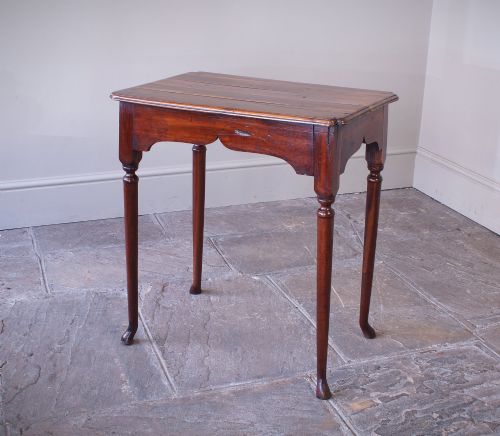
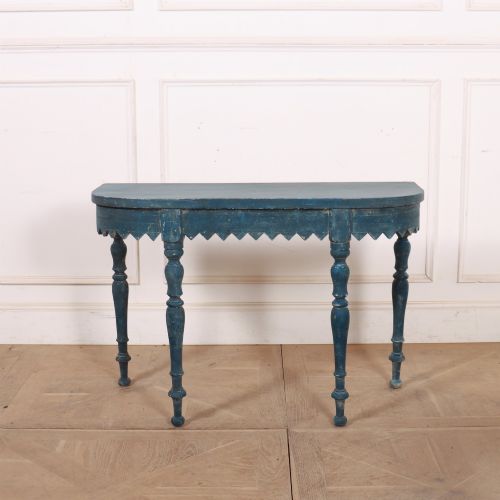

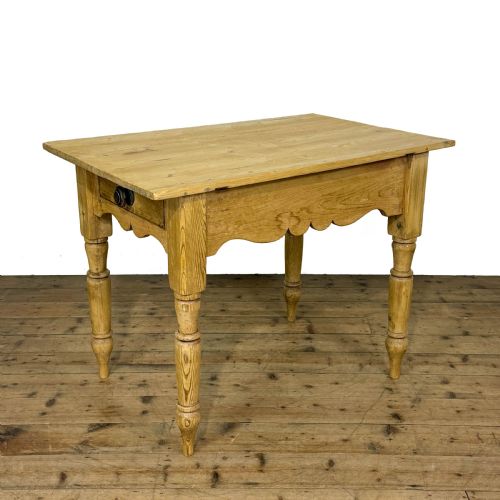
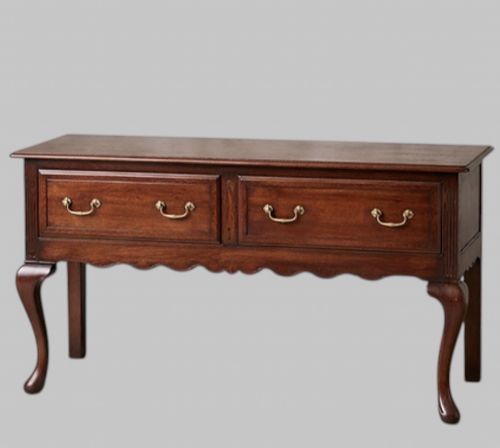


Scalloped Apron Side Table
These scalloped apron side table designs bring practical surfaces and refined timber forms into everyday rooms.
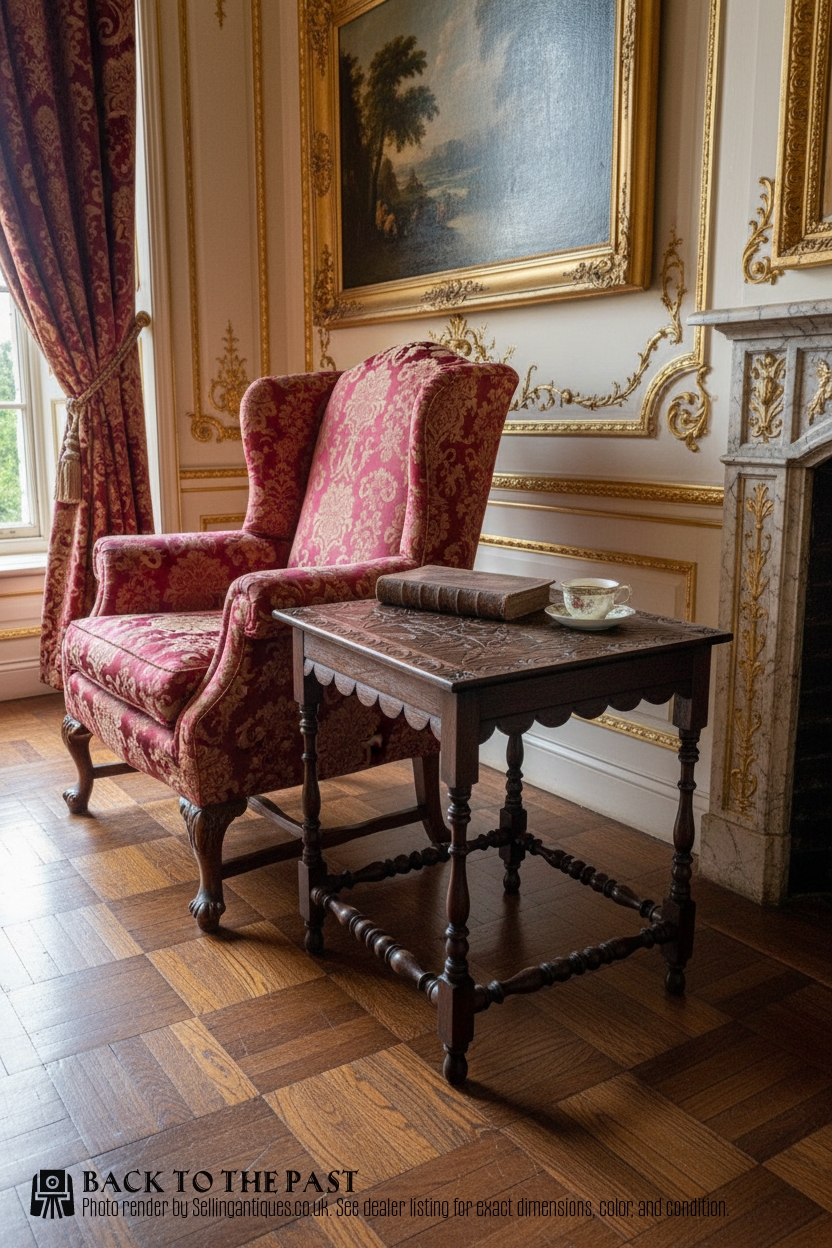
Scalloped Apron Side Table
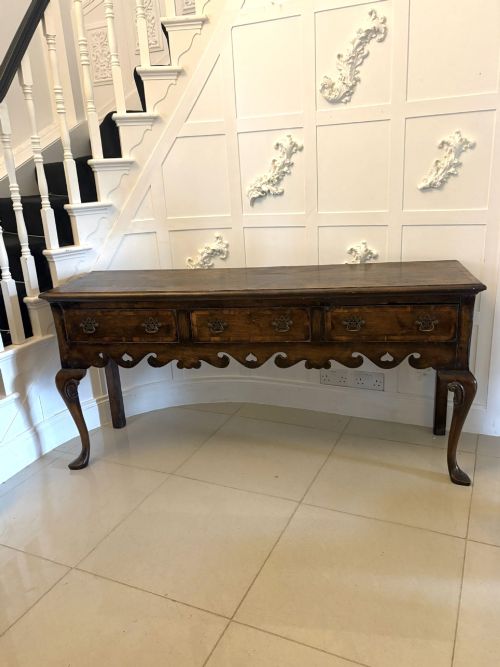
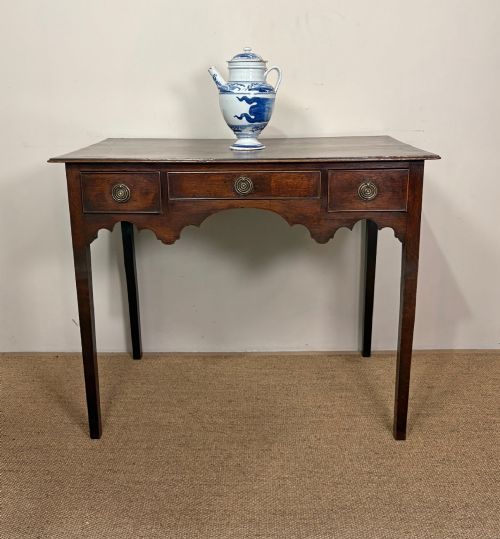
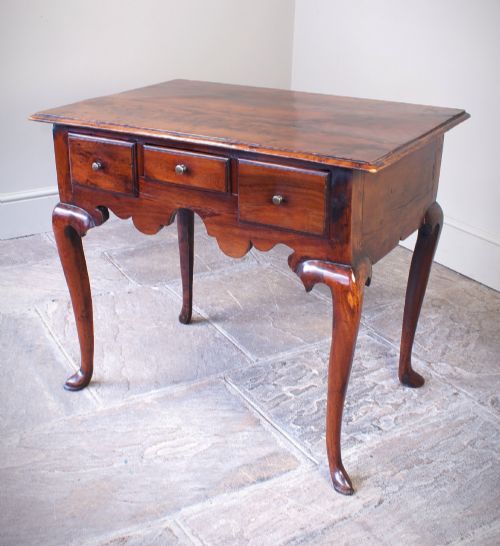
A scalloped apron side table combines functional utility with decorative timber framing, appearing primarily in oak, mahogany, and fruitwood. Buyers seeking a scalloped apron side table will encounter Georgian lowboys, occasional tables, and console tables that date from the eighteenth and nineteenth centuries.
Forms range from compact lamp tables to longer dresser bases and centre tables, reflecting the diverse domestic needs of past centuries. Oak and mahogany dominate the offerings, spanning both rustic country pieces and refined urban iterations.

Materials and construction methods
Cabinetmakers constructed these tables using native and imported hardwoods, relying heavily on solid oak, rich mahogany, and dense fruitwoods like cherry and yew. Carpenters shaped the distinctive aprons by hand, cutting curved profiles beneath the table top to soften the rectangular geometry.
Joinery methods involved traditional mortise and tenon frames, securing the legs firmly to the upper rails without relying on metal fasteners. Surfaces received hand-applied finishes, occasionally incorporating paint layers or natural wax to protect the timber grain over generations of domestic use.
Scalloped Apron Side Table Retail Price Guide 2026
Typical asking prices for scalloped apron side table among the pieces listed under this phrase on Sellingantiques today, from the lower quarter to the upper quarter. They describe what is for sale here now, not the wider market.
Card players of the Victorian era relied on folding tables with secret compartments to conceal their winnings from prying eyes.
Distinctions in quality
Quality rests upon the proportion of the timber and the precision of the hand-cut profile beneath the surface. Superior examples display carefully chosen wood grain on the primary top board, where growth rings align naturally with the overall form of the furniture.
The sophistication of the joinery and the grace of the leg turnings separate workshop productions from standard utilitarian furniture. Original surface patination accumulated through age commands greater regard than modern stripping and refinishing.
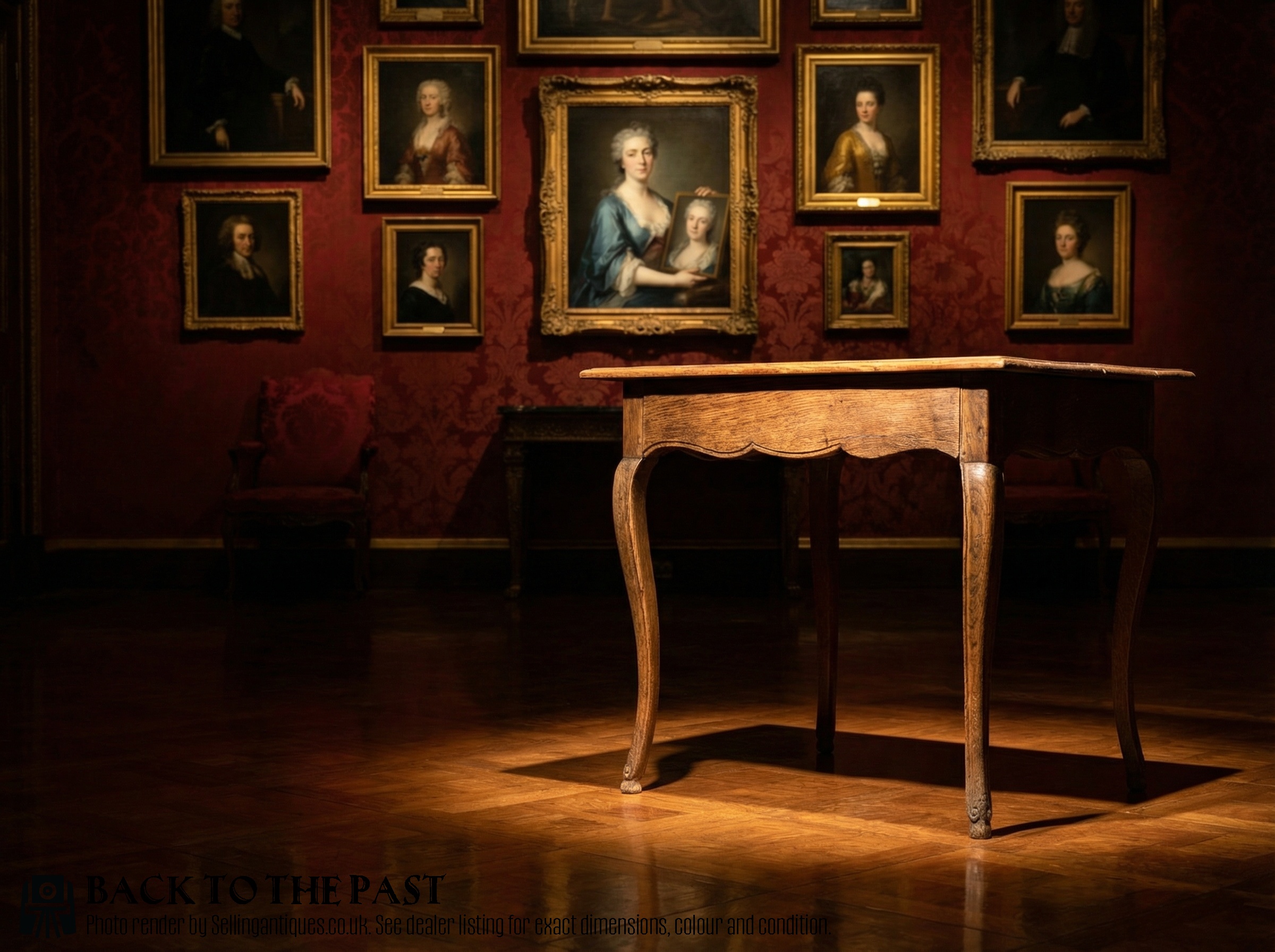
W.F. Greenwood And Sons
The Scalloped Apron Side Table Glossary
- Lowboy
- A small eighteenth-century dressing or side table featuring one or more rows of drawers beneath the top. These pieces typically stand on slender cabriole or straight legs.
- Dresser base
- A heavy lower sideboard component originally utilised in kitchens or dining rooms for food preparation and storage. They offer generous surface space and deeper proportions than standard side tables.
- Cricket table
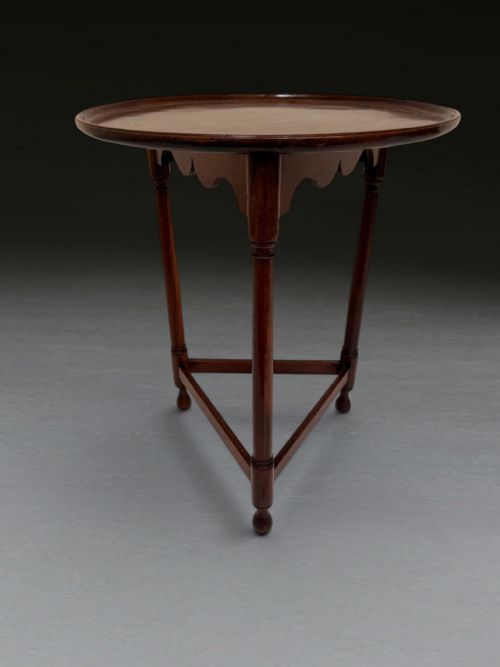
- A small, lightweight occasional table traditionally built with three legs for stability on uneven floors. These utilitarian tripod forms utilise robust timber construction.
- Console table
- A table designed to stand flat against a wall, frequently supported by decorative legs or brackets. They provide narrow surface areas suited to hallways and reception rooms.
Scalloped Apron Side Table: Frequently Asked Questions
What is a lowboy table?
A lowboy is a small table equipped with drawers, constructed primarily during the eighteenth century for domestic tasks.
Cabinetmakers designed them as versatile furnishings for bedrooms or reception spaces, often featuring elegant cabriole legs.
How do I identify oak furniture?
Oak furniture displays prominent growth rings and distinctive medullary ray flecks across the timber surface. The wood is exceptionally dense and develops a dark golden patina over centuries.
Many country pieces from the Georgian and Victorian periods utilise this resilient hardwood for structural longevity.
Where should I place a console table?
Console tables fit neatly against hallway walls, beneath mirrors, or in dining rooms where floor space is limited. Their narrow rectangular profiles provide a display surface without obstructing movement.
Pairing them with a lamp or decorative ceramic creates a balanced focal point in an interior.
How do I care for antique timber?
Antique wood surfaces respond best to occasional applications of natural beeswax to nourish the dry grain. Avoid placing wooden furniture near direct heat sources or strong sunlight.
Regular dusting with a soft, dry cloth preserves the historic finish and accumulated patina.