
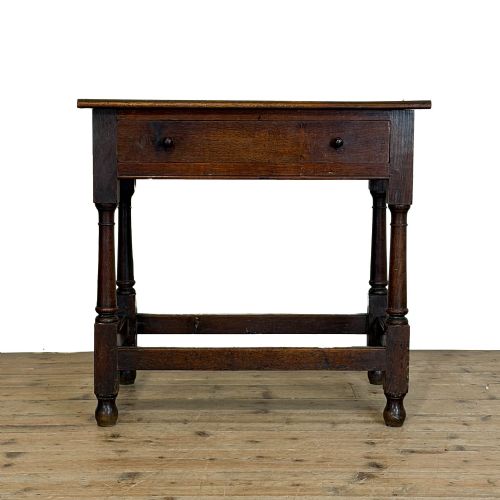
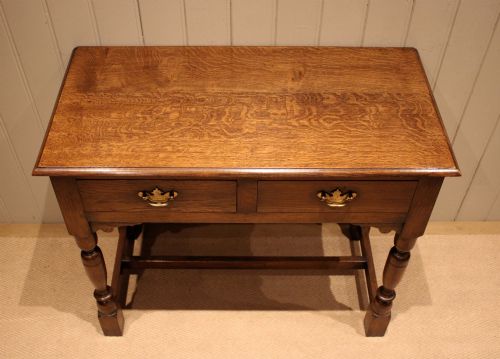
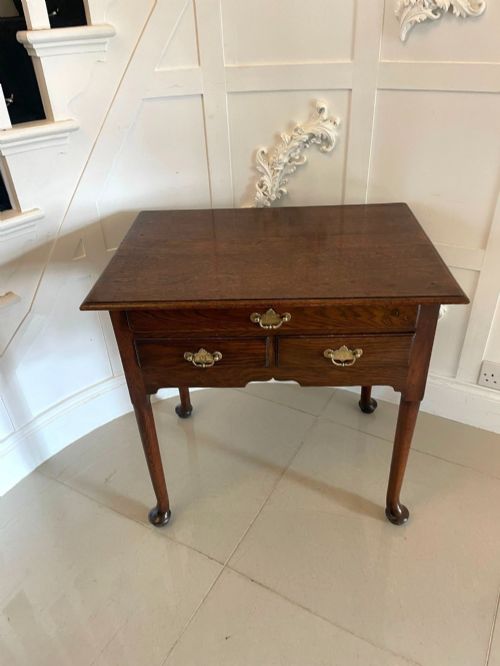
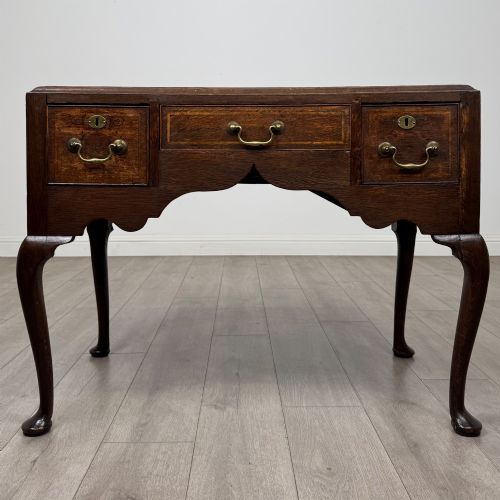
Antique Lowboy Desk
An antique lowboy desk serves as a compact writing table with drawers, offering elegant period storage for a study or bedroom.
Antique Lowboy Desk
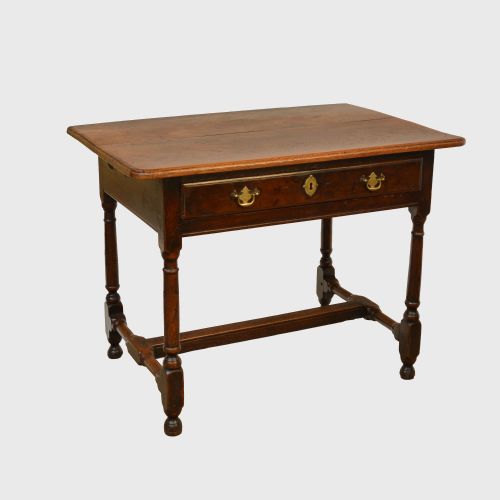
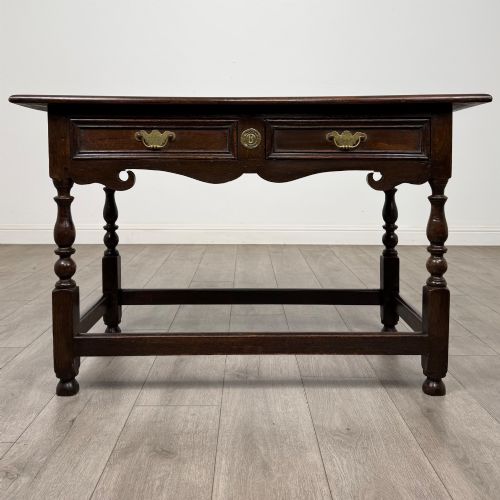
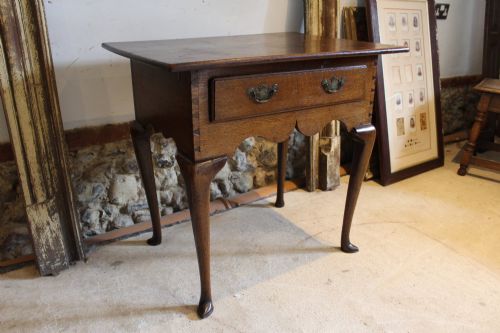
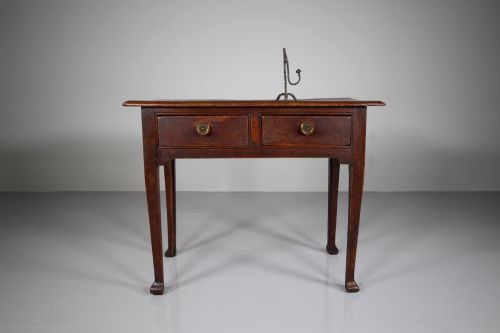
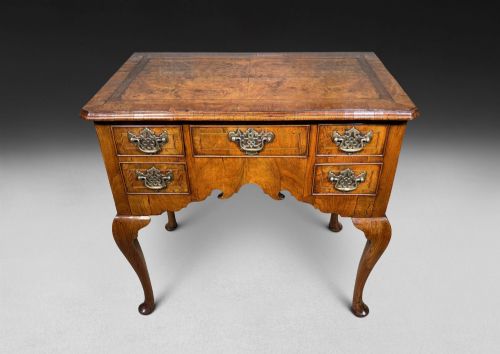
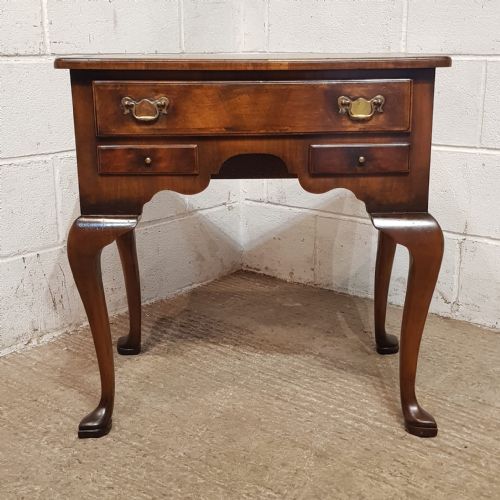
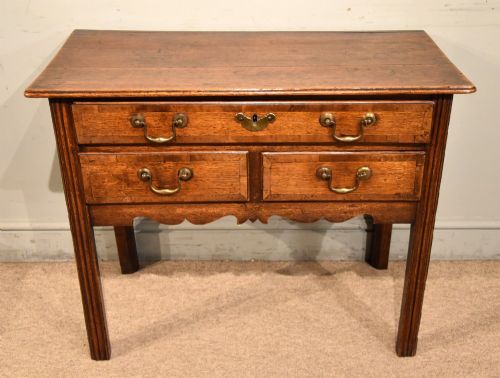
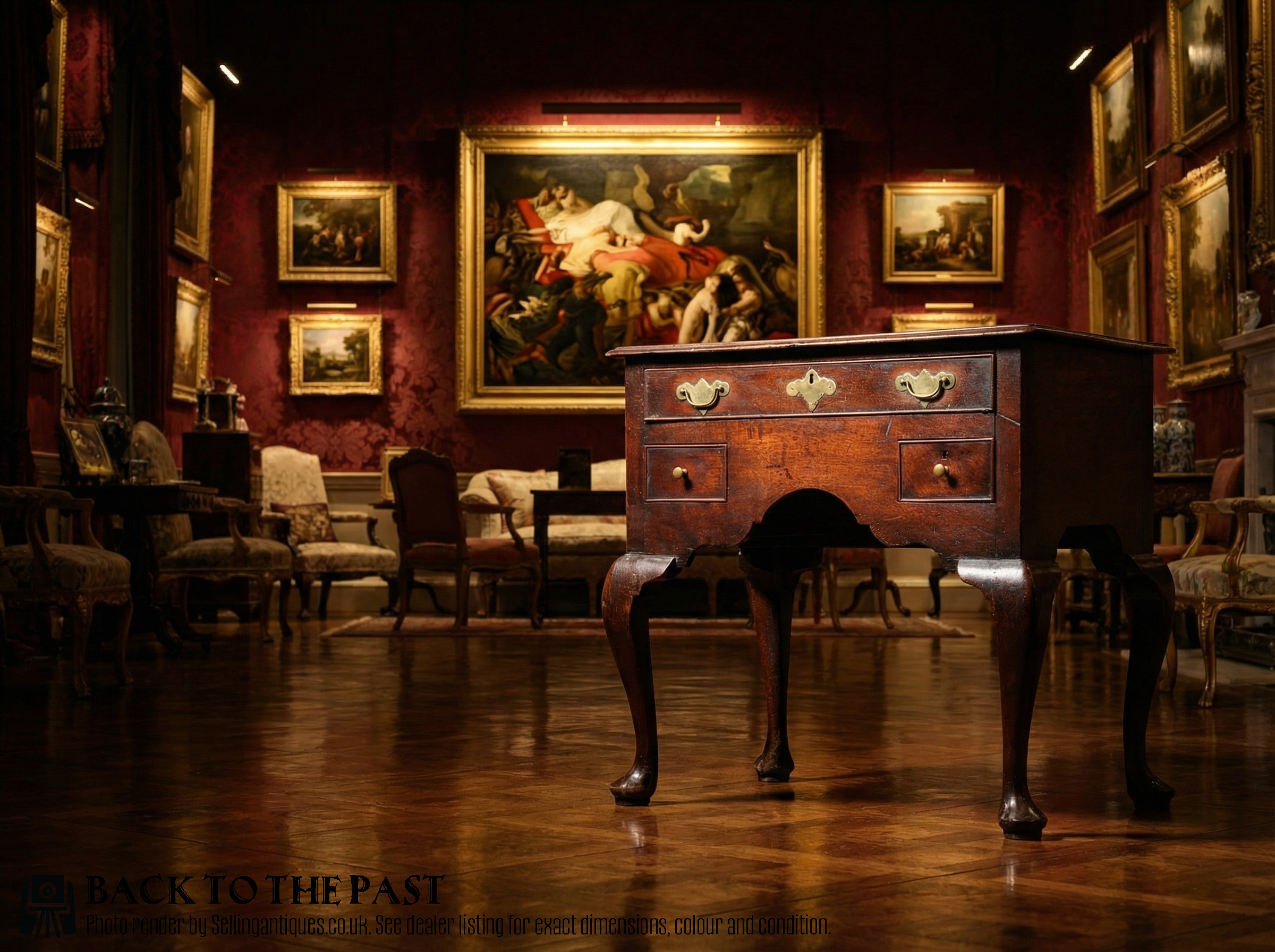
An antique lowboy desk is primarily encountered as a low, small table featuring one or more rows of drawers beneath the working surface. These pieces frequently double as side tables, dressing tables, or writing surfaces depending on their configuration.
Materials and construction
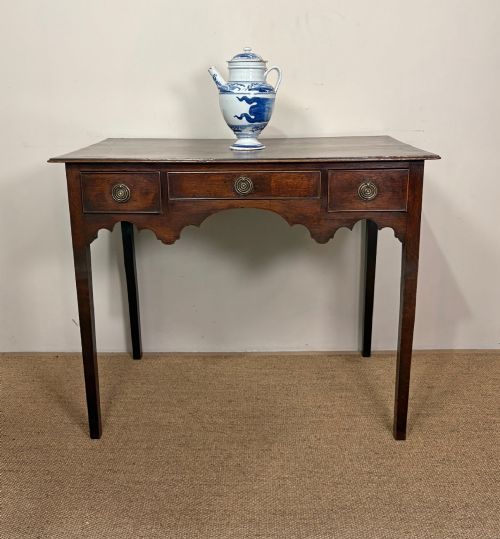
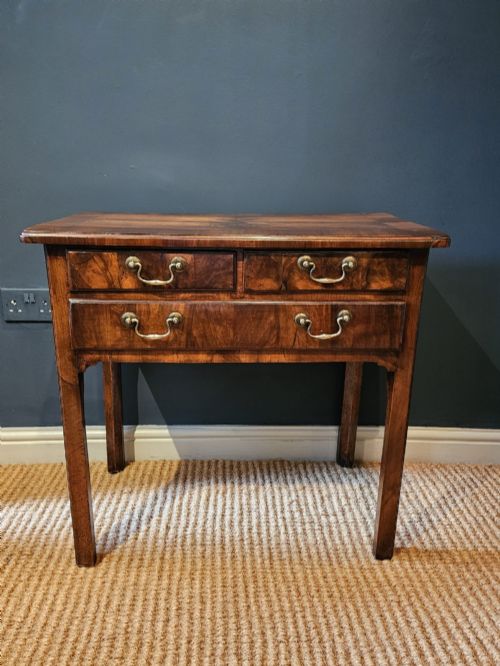
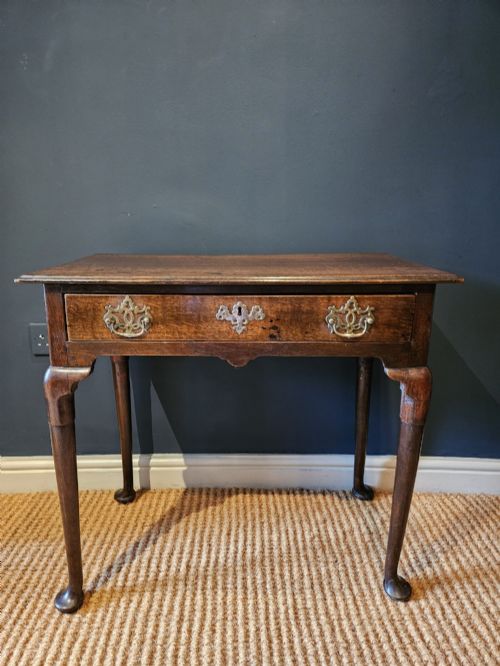
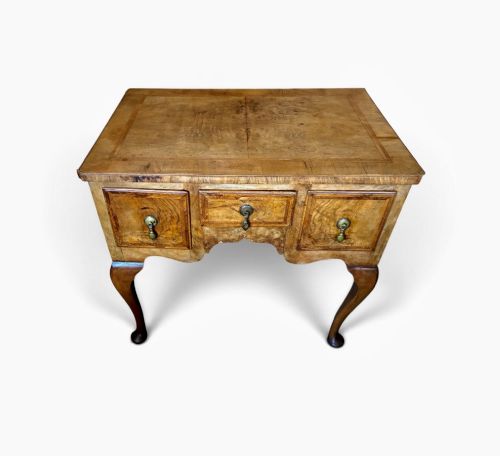
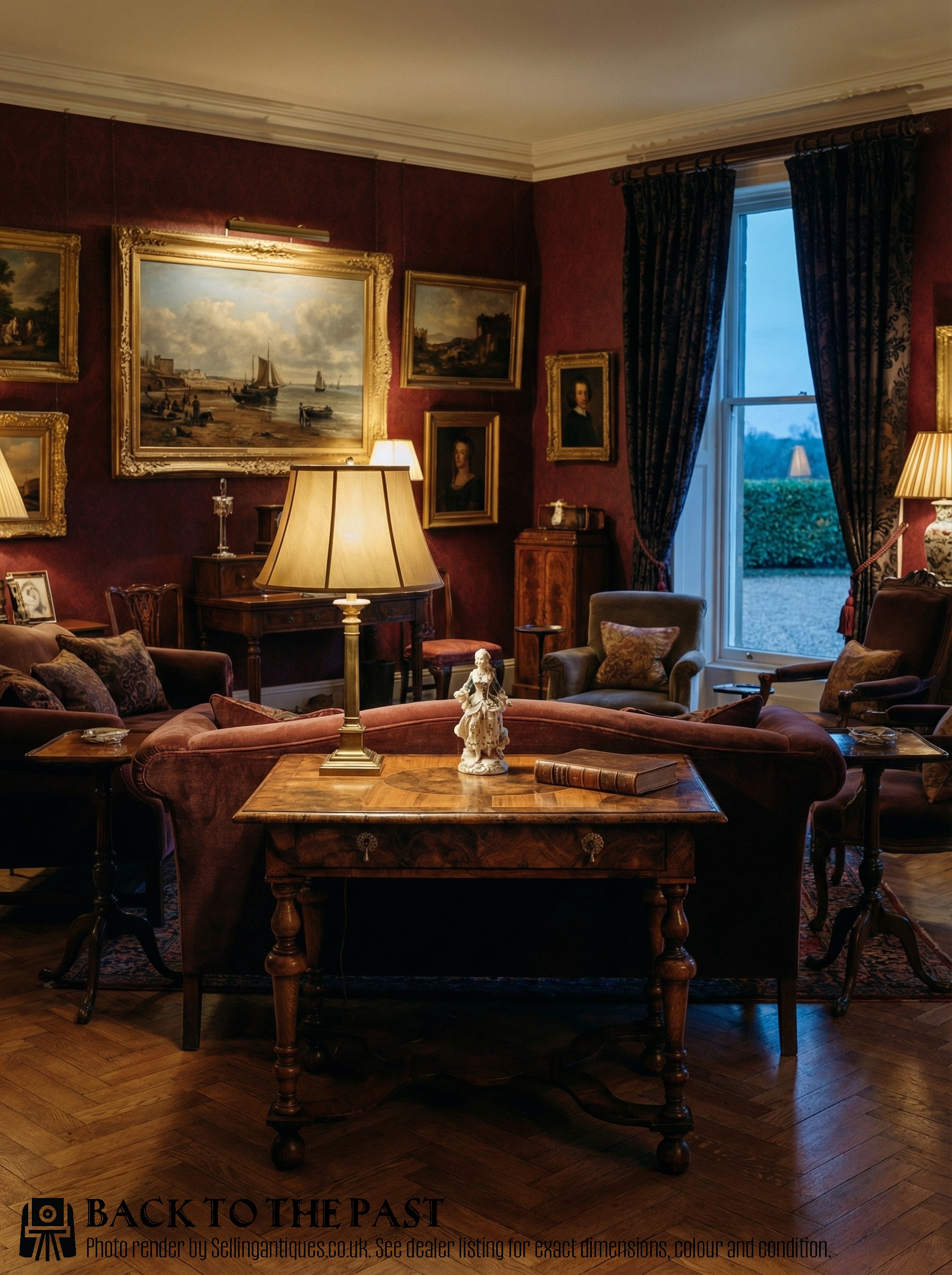
Joiners built these tables using domestic and imported timbers, frequently employing solid oak for sturdy country pieces and figured walnut or mahogany for more formal urban examples. Cabinetmakers also utilised secondary woods like elm, fruitwood, and yew, particularly in regional or vernacular pieces.
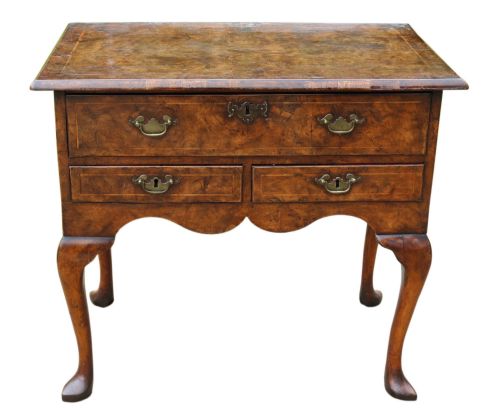
Drawer construction typically involved hand-cut dovetails, while decorative surfaces relied on book-matched veneers, burr walnut grains, and occasional inlay work. Brass hardware, including drop handles and escutcheons, completed the functional design of the drawers.
Antique Lowboy Desk Retail Price Guide 2026
Typical asking prices for lowboy desk among the pieces listed under this phrase on Sellingantiques today, from the lower quarter to the upper quarter. They describe what is for sale here now, not the wider market.
The listings span from early eighteenth-century oak examples to 1920s burr walnut revivals, encompassing side tables, writing tables, and dressing tables.
Assessing quality and proportion
Superior examples display balanced proportions, crisp moulding profiles, and carefully selected timber figures such as burr walnut or flamed mahogany. The choice of primary and secondary woods often indicates whether a piece was made for a grand townhouse or a modest country home.
The refinement of the drawer dovetailing, the retention of original brass fittings, and the integrity of the timber movement across the top surface distinguish finer pieces from simpler utilitarian tables.
The Antique Lowboy Desk Glossary
- Lowboy
- A small, low table with drawers, typically standing on four legs and used variously for writing, dressing, or serving.
- Dovetail
- A joint formed by interlocking wedge-shaped fingers, commonly used in drawer construction to ensure durable corners.
- Burr walnut
- A prized timber cut from the abnormal growths on walnut trees, yielding intricate, swirling grain patterns highly valued in cabinetmaking.
- Escutcheon
- A protective plate surrounding a keyhole, usually fashioned from brass on period furniture drawers.
Antique Lowboy Desk: Frequently Asked Questions
What was a lowboy desk used for?
These tables served multiple domestic purposes, acting as writing desks, dressing tables for grooming, or decorative side tables in halls and reception rooms.
Their modest height and compact footprint allowed them to fit into smaller chambers where a full-sized bureau was impractical.
How do I date an antique lowboy?
Dating relies on examining timber species, construction methods, and hardware styles. Eighteenth-century pieces often feature hand-sawn oak linings and pegged joints, whereas later Edwardian and 1920s revivals display machine-cut elements and different secondary woods.
Stylistic cues such as cabriole legs point toward Queen Anne or George II periods, while straight tapered legs often indicate George III or later revivals.
Where should I place a lowboy in my home?
An antique lowboy functions effectively as a slim writing desk in a home study, a dressing table in a bedroom, or a console table in a narrow hallway.
Their shallow depth ensures they do not crowd walkways while still providing useful surface space and drawer storage.
Are lowboys made of solid wood?
Period examples frequently combine solid structural framing with veneered surfaces, particularly on walnut and mahogany pieces where decorative grain was paramount. Oak and country fruitwood pieces are more commonly constructed from solid planks throughout.
Secondary timbers like elm or pine were regularly utilised for drawer linings and internal framing.