
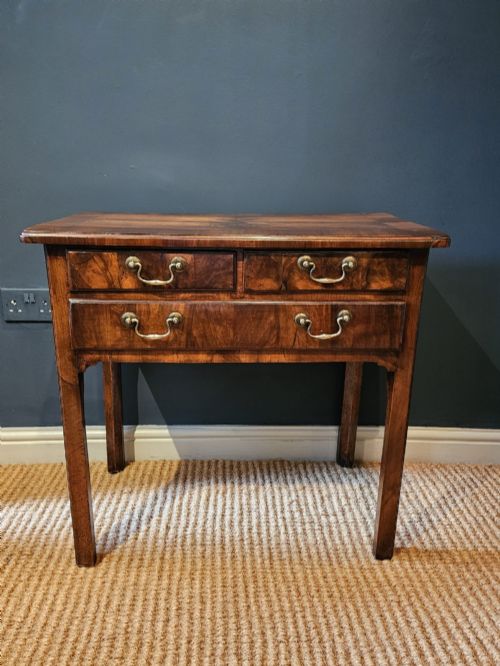
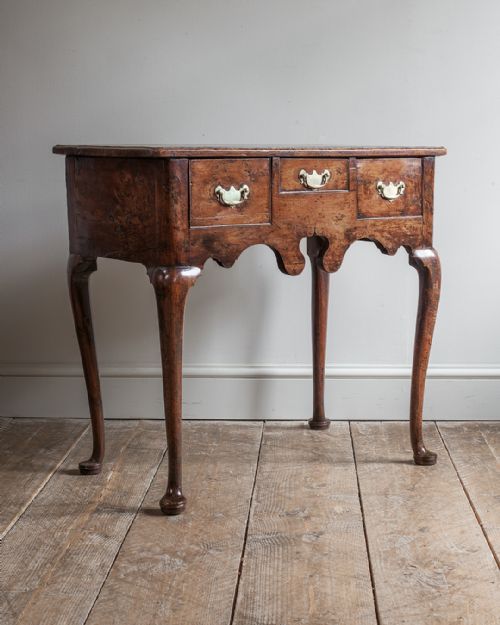
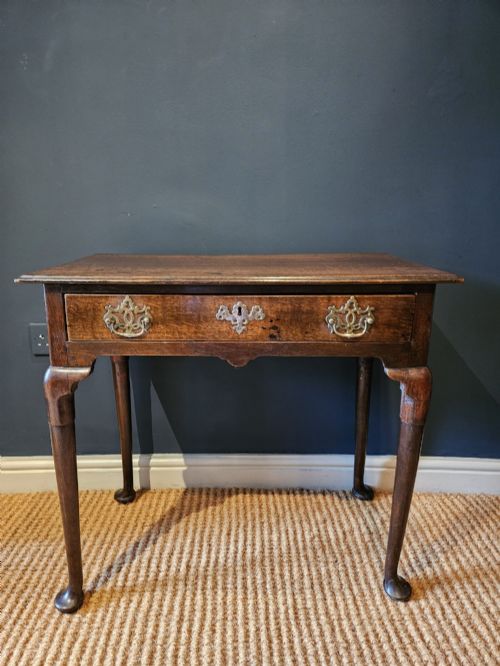
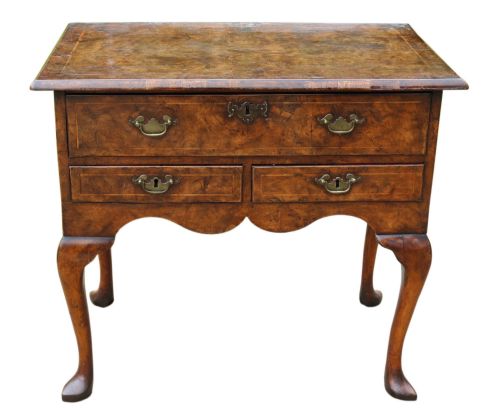
Georgian Lowboy
A georgian lowboy is a compact and versatile small table equipped with drawers, originating in the eighteenth century as a dressing or side table.
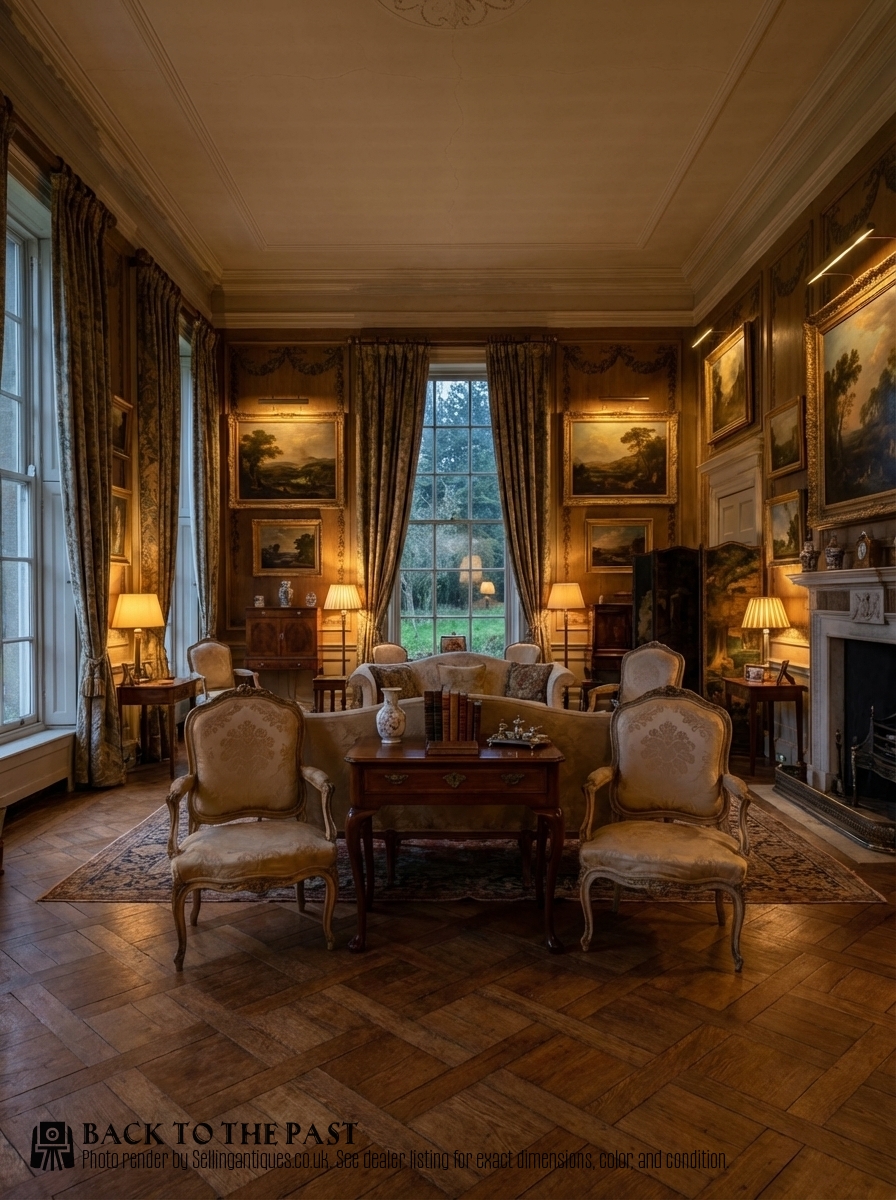
Georgian Lowboy
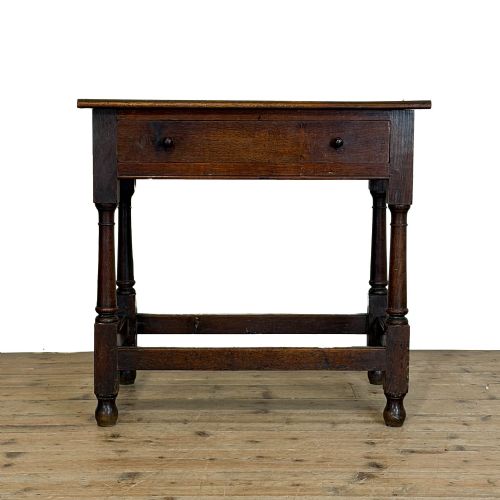
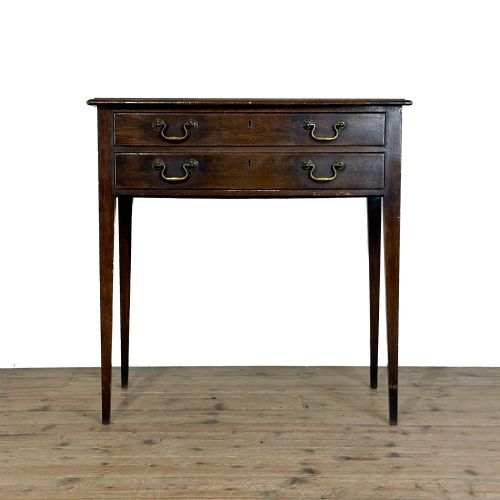
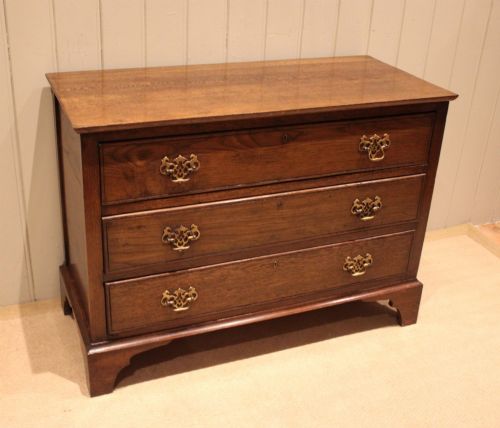
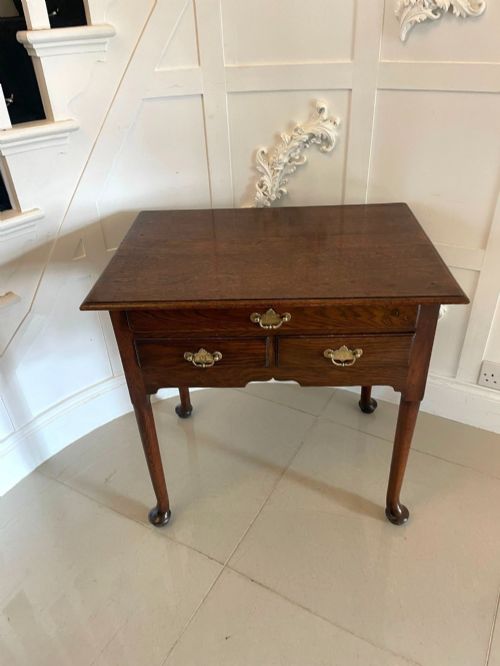
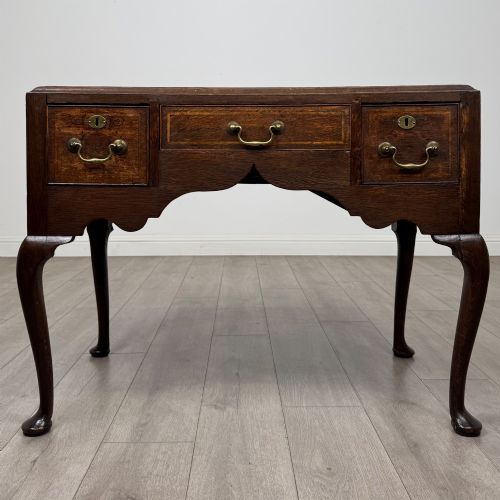
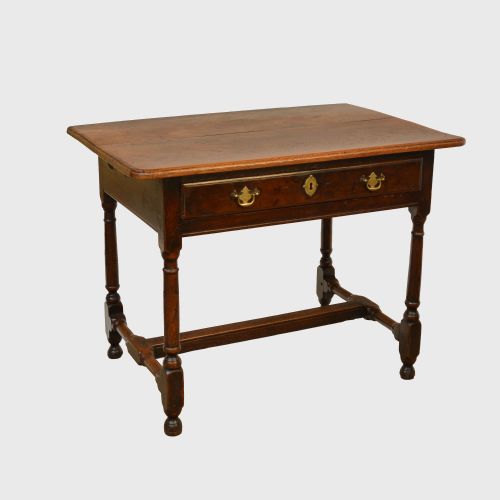
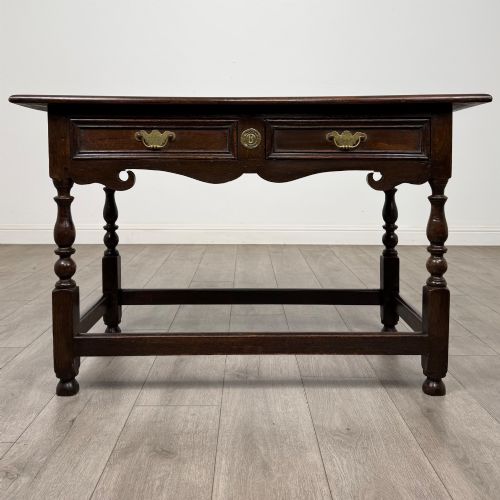
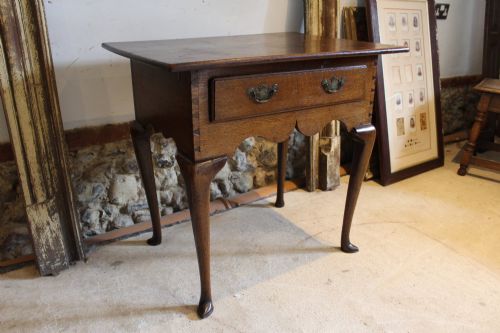
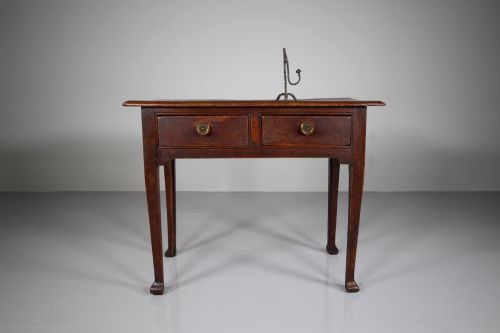
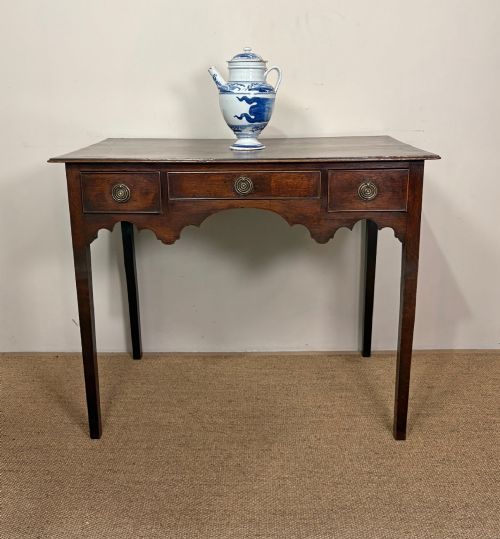
A georgian lowboy is a low table fitted with one, two, three or four drawers beneath a rectangular top, designed for domestic use in bedchambers or parlours. The form sits low to the ground and often double as a dressing table or writing desk.
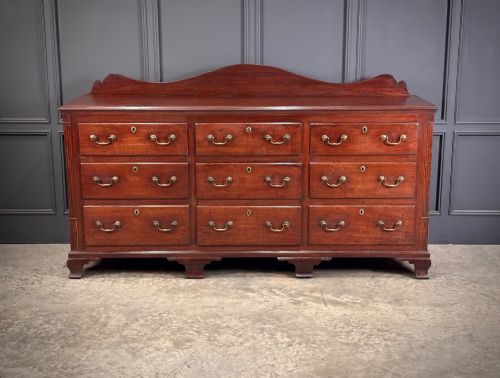
Buyers searching for a georgian lowboy will encounter numerous examples dating from the eighteenth century through to later revival periods, alongside related forms such as side tables and dresser bases. Oak and mahogany dominate the selection, accompanied by walnut and yew wood variants.
The prevailing styles span the reigns of George I, George II and George III, alongside Queen Anne influences and later twentieth-century revivals. Proportions remain low and horizontal, supported by cabriole legs or straight tapered legs.
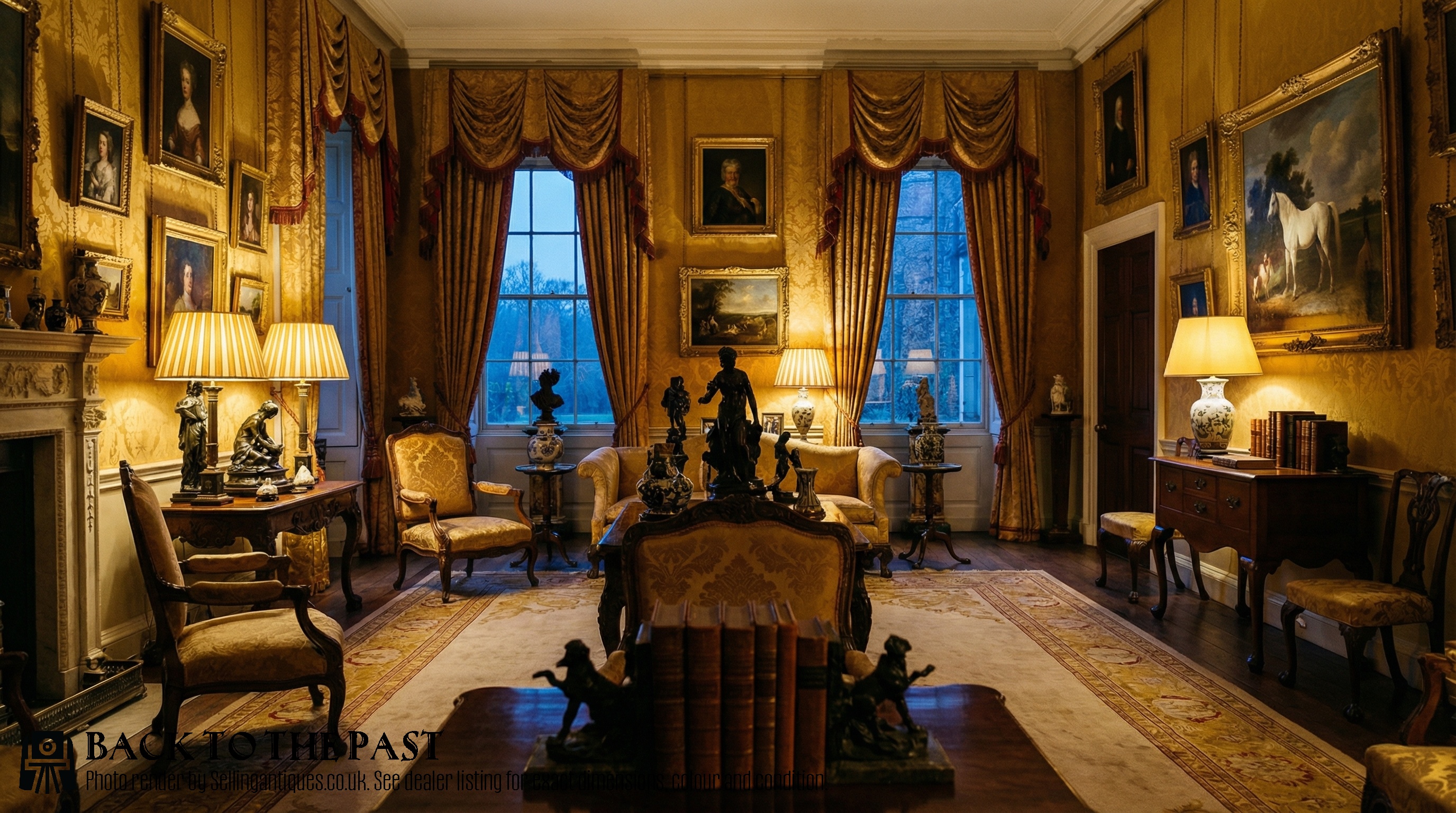
Materials and construction
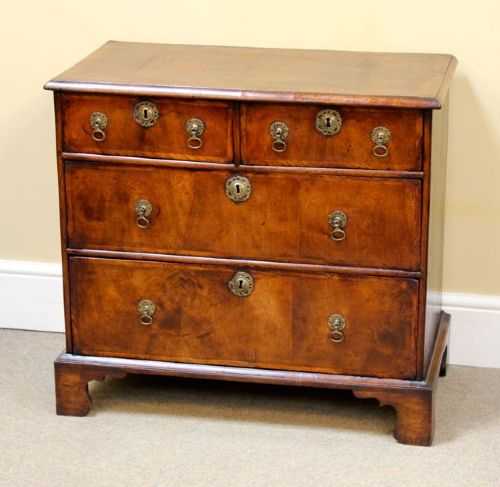
Cabinetmakers constructed the primary carcase and legs from native timbers like oak, elm, fruitwood and yew, or utilised imported mahogany for finer urban pieces. Walnut and burr walnut veneer feature prominently on select examples, often enhanced by crossbanding.
Joinery methods rely on traditional techniques, incorporating pegged mortise and tenon joints for frames and hand-cut dovetails for drawer construction. Drawer linings typically consist of secondary timbers such as oak or pine.
Georgian Lowboy Retail Price Guide 2026
Typical asking prices for georgian lowboy among the pieces listed under this phrase on Sellingantiques today, from the lower quarter to the upper quarter. They describe what is for sale here now, not the wider market.
The documented periods span the Georgian era, George I through III reigns, Queen Anne styles, and early twentieth-century revivals.
Evaluating construction and timber
The choice of primary timber significantly dictates quality, with highly figured burr walnut, rich mahogany and well-grained oak representing the upper tiers of production. Plain secondary woods and heavier secondary restorations reduce desirability among discerning buyers.
Refinement in leg shape and carving, such as shapely cabriole legs with pad feet or precise geometric mouldings, separates standard utility pieces from exceptional workshop output. Original brass handles and undisturbed surface patination further distinguish superior examples.
The Georgian Lowboy Glossary
- Lowboy
- A small antique table with drawers, standing on legs, used primarily as a dressing or side table during the eighteenth century.
- Cabriole leg
- A furniture leg that bends out in a convex curve and tapers inward to a concave curve, ending in a pad or foot. This design is common on pieces from the early eighteenth century.
- Crossbanding
- A strip of veneer applied to the borders of a table top or drawer front, arranged so the grain runs perpendicular to the surrounding surface. This technique adds decorative contrast to walnut and mahogany pieces.
- Dresser base
- A low wooden unit with drawers, functioning similarly to a lowboy but generally wider and heavier. These pieces originated in country houses and rural workshops.
Georgian Lowboy: Frequently Asked Questions
What is a lowboy used for?
A lowboy served historically as a dressing table or a small side table for holding personal items in bedchambers. Their compact dimensions allowed them to fit easily into smaller rooms.
Today, buyers use them as hallway tables, writing desks or accent pieces in living spaces. The drawers provide practical concealed storage for small household items.
How do you date a lowboy?
Dating relies on examining the timber species, construction methods, hardware and overall style characteristics. Eighteenth-century pieces display hand-cut dovetails and vernacular woods suited to their period.
Later revival pieces from the twentieth century often reveal standardised machine-cut elements and modern adhesives inside the drawer structure.
Are lowboys made of mahogany or oak?
Makers constructed lowboys from both timber types depending on the region and period of manufacture. Oak and fruitwoods appear frequently in country-made and early eighteenth-century pieces.
Mahogany became widely utilised as the eighteenth century progressed, particularly for urban pieces influenced by Chippendale designs. Walnut and burr walnut were also chosen for high-status examples.
How do you style a lowboy at home?
Place a lowboy against a wall in an entrance hall, bedroom or drawing room to utilise its compact surface area. Position a small mirror or a ceramic lamp on top to complete the display.
Keep the surrounding space clear to highlight the cabriole legs and drawer proportions. The low height works well beneath artwork or windows.