

Georgian Drawer Table
A georgian drawer table brings practical storage and refined proportions into daily use through centuries-old craftsmanship.

Georgian Drawer Table
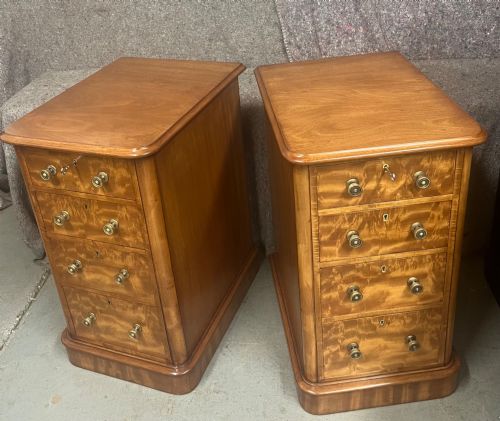
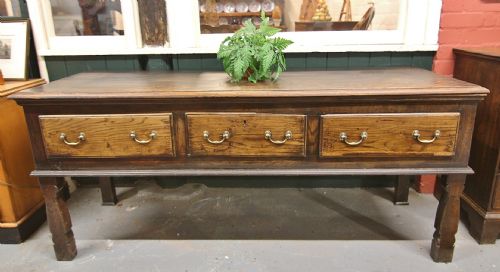
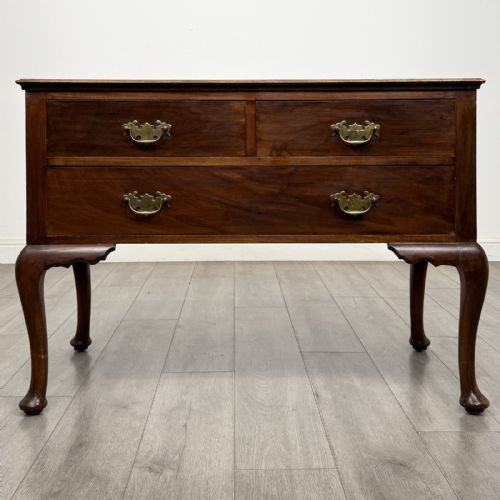
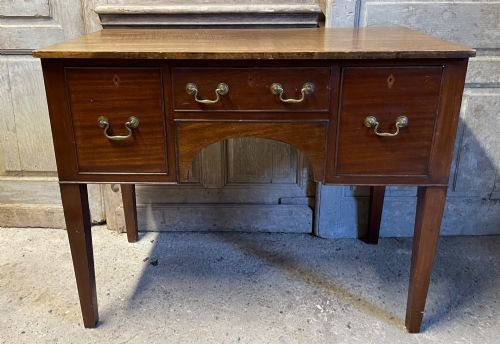
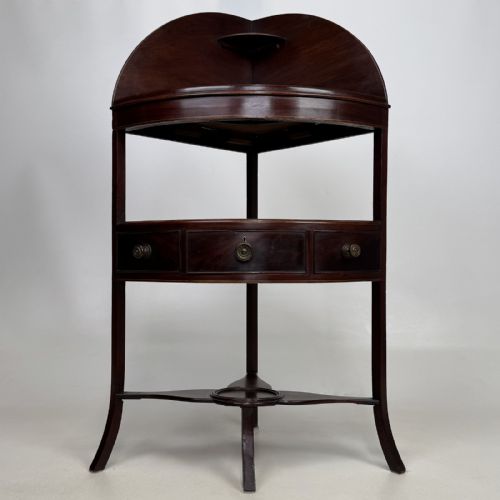
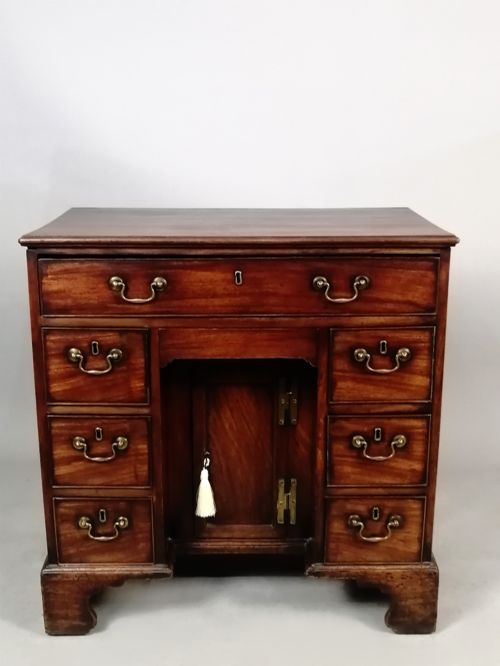
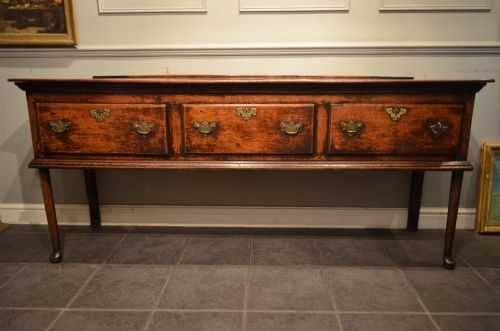
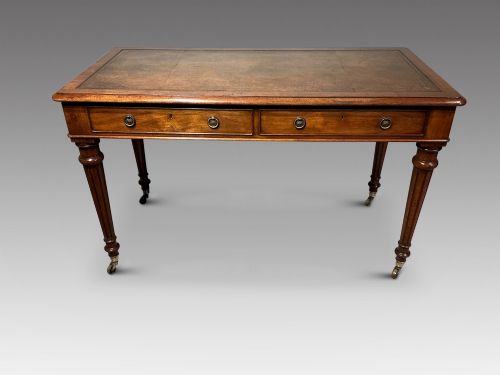
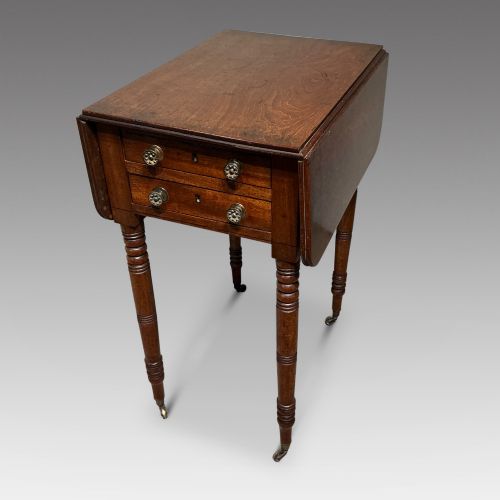
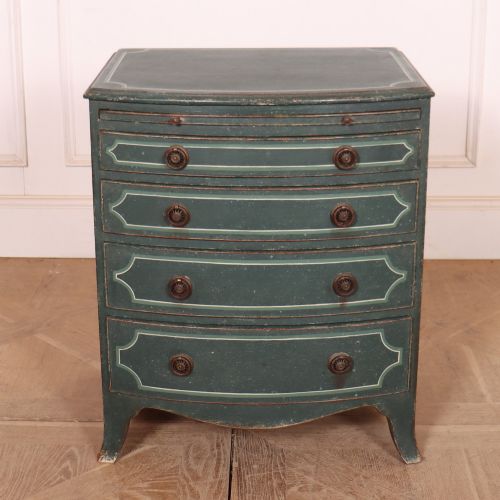
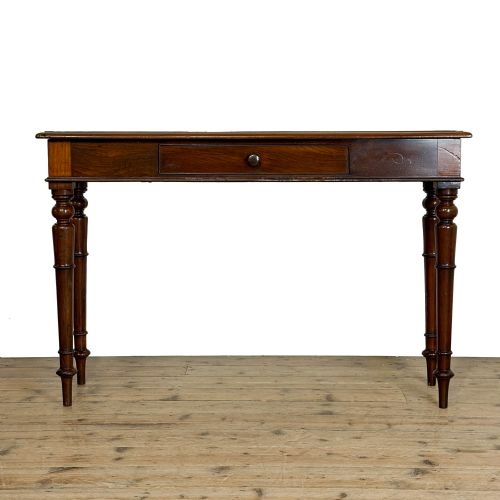
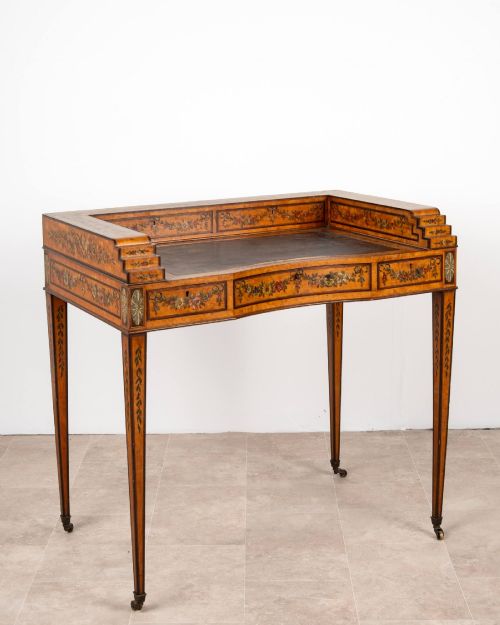
When you examine a georgian drawer table, you are looking at domestic furnishings designed for storage and writing, most frequently encountered as side tables, lowboys, and writing desks originating from the eighteenth and early nineteenth centuries.
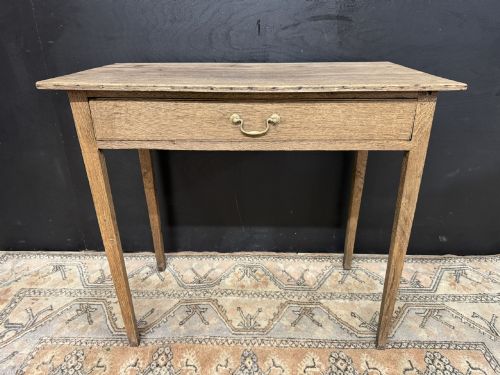
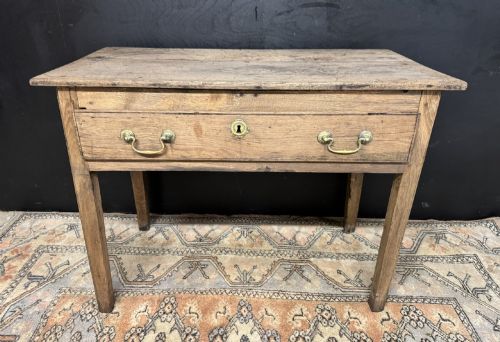
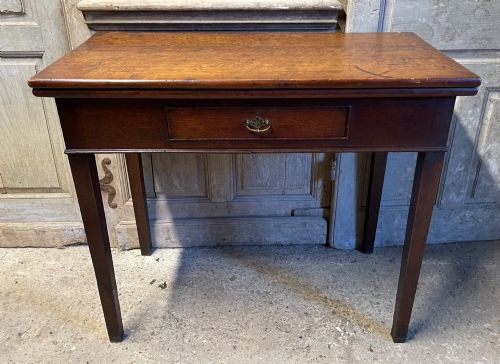
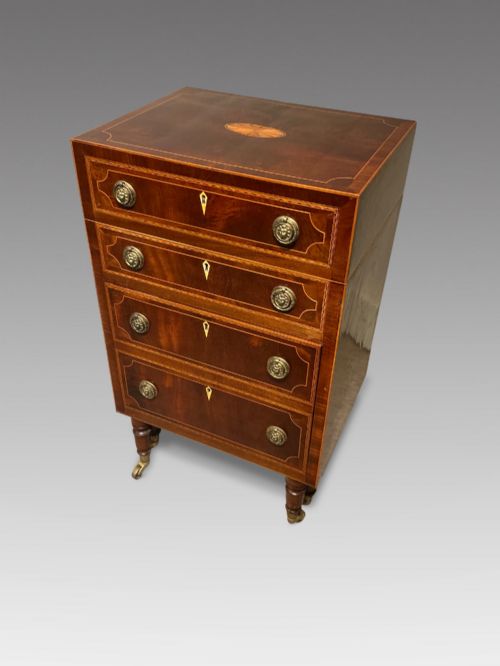
The selections available range from compact oak country lowboys with single frieze drawers to polished mahogany console tables featuring multiple drawers and inlaid detailing.
Makers of these items produced functional forms intended for parlours, bedrooms, and halls, often adopting revival styles in later decades while retaining traditional drawer configurations.
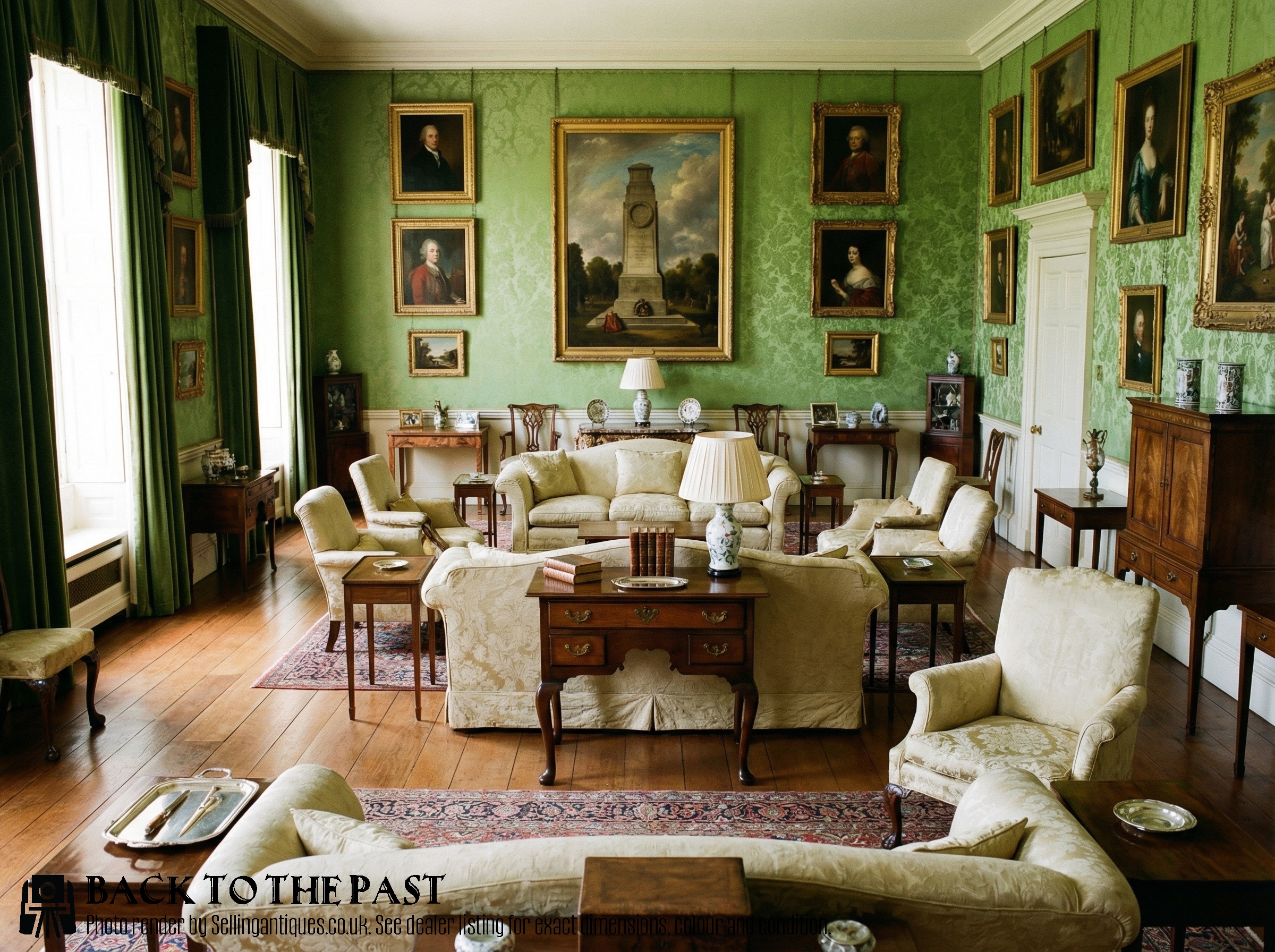
How they were made
Construction relies primarily on timbers such as oak, mahogany, and walnut, often paired with secondary woods like elm or fruitwood for drawer linings and internal framing.
Cabinetmakers utilised traditional joinery, including dovetail joints for drawer construction and mortise and tenon frames, complemented by brass drop handles and escutcheons.
Georgian Drawer Table Retail Price Guide 2026
Typical asking prices for georgian drawer table among the pieces listed under this phrase on Sellingantiques today, from the lower quarter to the upper quarter. They describe what is for sale here now, not the wider market.
Listings feature oak, mahogany, walnut, and elm examples spanning the Georgian period through to later twentieth-century revivals.
What varies in quality
Quality rests upon the selection of timber grain, the tightness of the dovetails, and the retention of original brass hardware rather than later replacements.
Superior examples display balanced proportions, crisp moulding details, and smooth drawer operation within the frieze without excessive timber shrinkage.
The Georgian Drawer Table Glossary
- Lowboy
- A small oak or walnut table with one or more drawers, commonly used as a dressing or side table during the eighteenth century.
- Frieze drawer
- A drawer fitted immediately beneath the top surface within the structural rail of the table.
- Dovetail
- A joint formed by interlocking wedge-shaped fingers, widely utilised in period drawer construction for strength.
- Pembroke table
- A drop-leaf occasional table featuring hinged flaps on opposing sides and frequently incorporating a single drawer.
- Escutcheon
- A protective brass plate surrounding a keyhole on a drawer front.
Georgian Drawer Table: Frequently Asked Questions
What is a lowboy?
A lowboy is a small-scale table featuring one to three drawers, built primarily during the eighteenth century for domestic utility.
These pieces typically served as dressing tables or side tables in chambers and parlours.
How do I identify mahogany?
Mahogany is a dense hardwood displaying deep reddish-brown tones and fine grain patterns that darken with age and waxing.
Cabinetmakers favoured this timber for its stability and suitability for carving and fine polished finishes.
Where were these tables used?
These tables served various functions across different rooms, acting as writing desks in studies or sideboards in hallways.
Their drawer storage made them practical surfaces for holding documents, cutlery, or personal items.
How do I care for timber surfaces?
Maintenance involves applying traditional beeswax and polishing with a soft cloth to nourish the antique grain.
Avoid placing wooden furniture near direct heat sources to prevent timber splitting.