

Antique Brass Handle Table
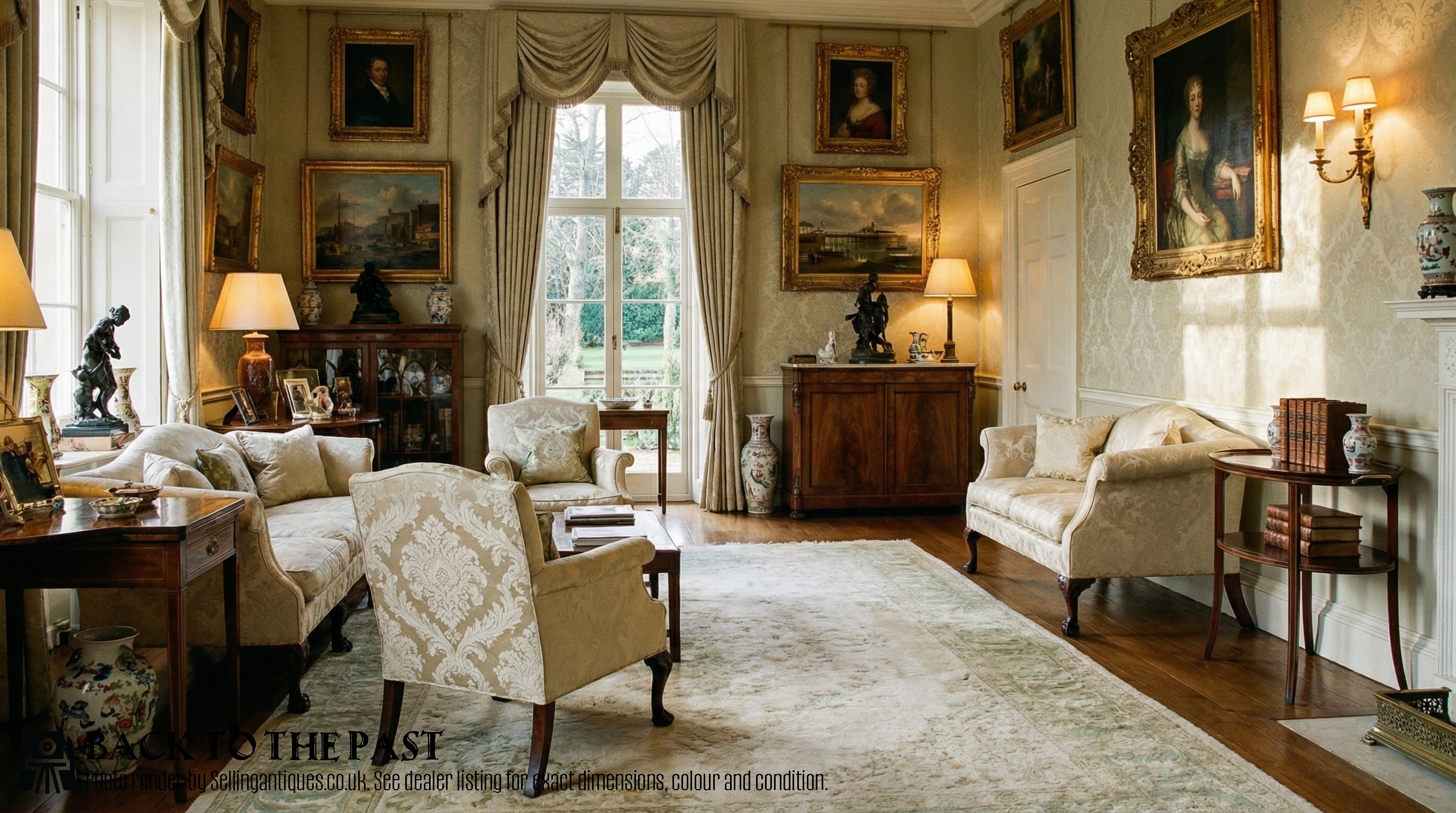
An antique brass handle table brings solid timbers and functional metalwork together across Georgian, Victorian, and Edwardian designs.
Antique Brass Handle Table
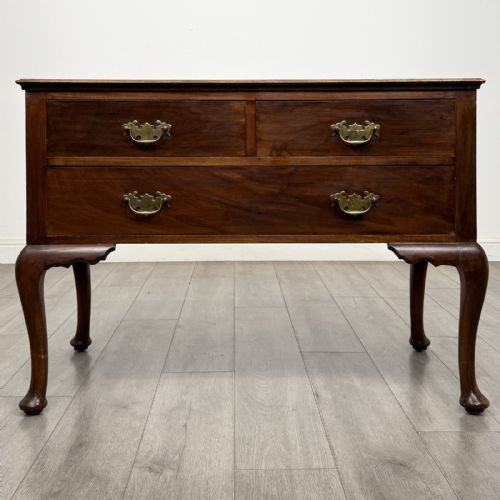
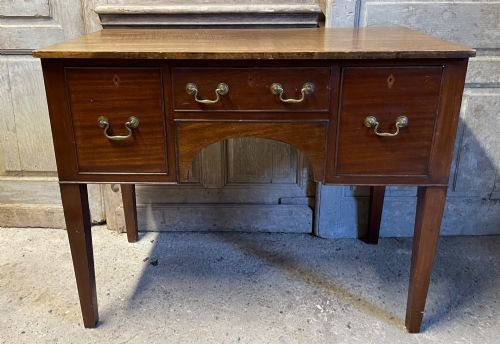
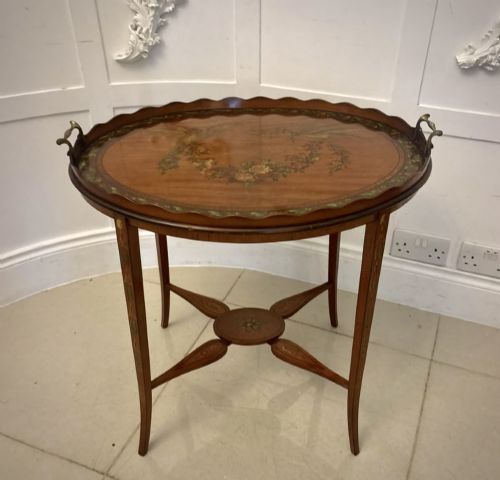
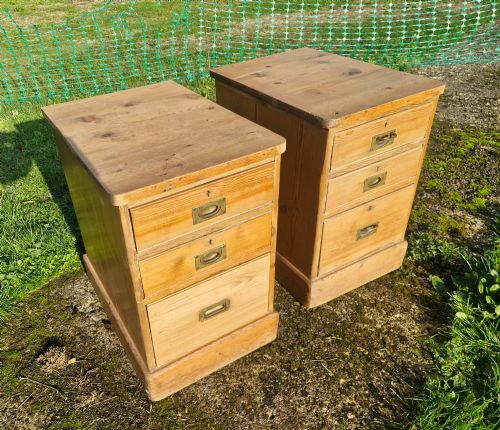
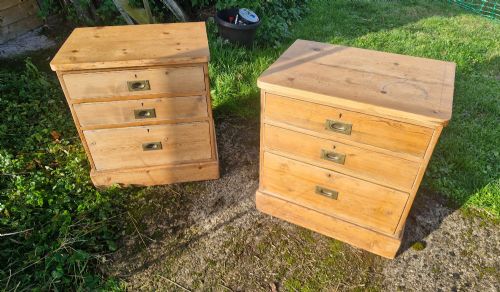
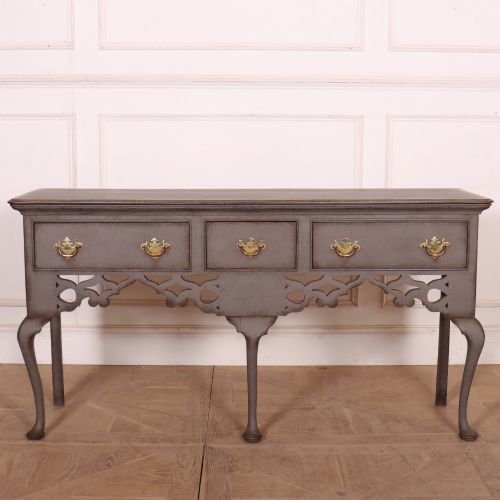
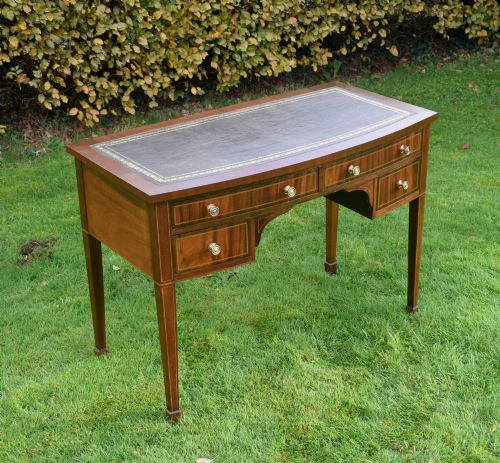
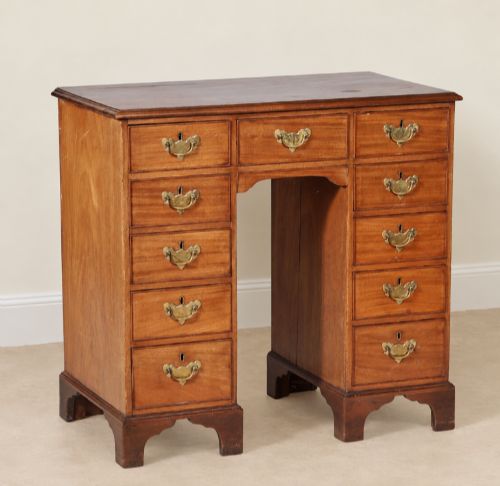
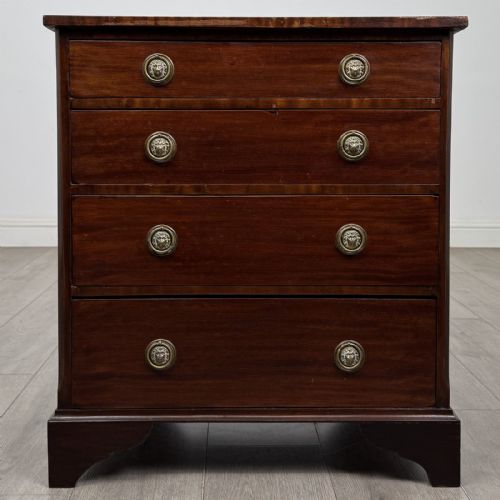
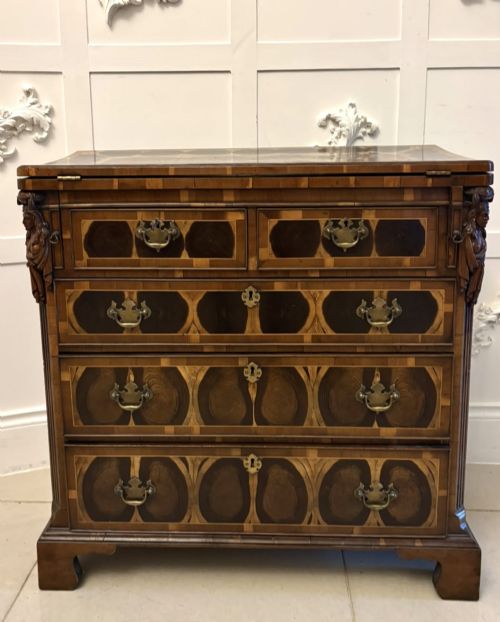
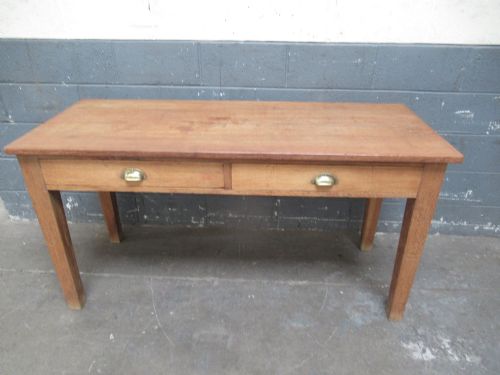
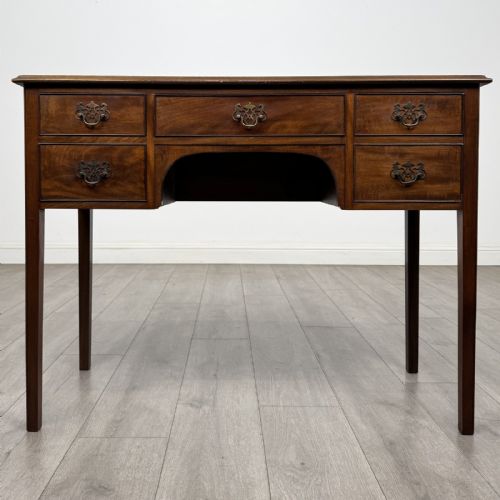
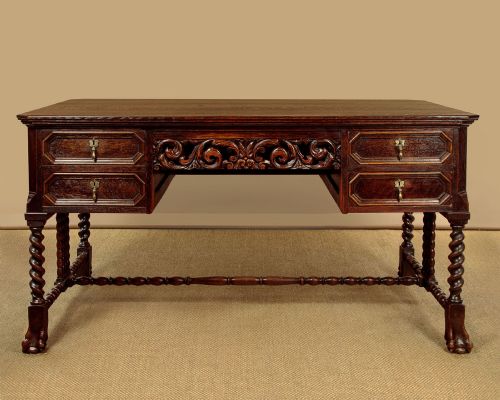
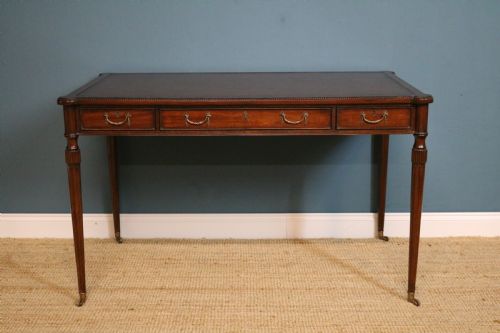
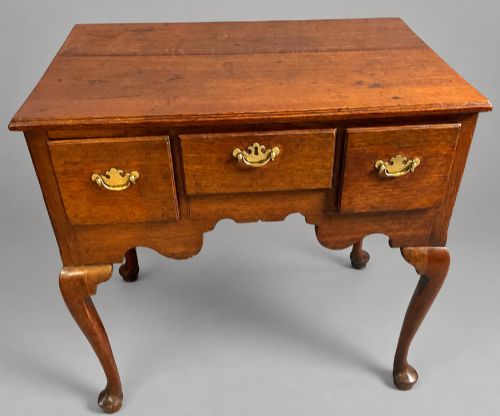
When you search for an antique brass handle table, you encounter a variety of forms including writing tables, side tables, desks, and lowboys. These pieces serve practical functions in domestic and professional spaces, featuring fitted drawers operated by metal pulls.
The selections span the Georgian period, the 18th century, the 19th century, the Victorian era, and the Edwardian period. Oak and mahogany dominate the construction, often accented with brass handles that anchor the visual weight of each drawer.
You are most likely to meet side tables, writing tables, and pedestal desks equipped with brass handles. These everyday domestic forms demonstrate how hardware was integrated into functional furniture across different British eras.
Materials and construction
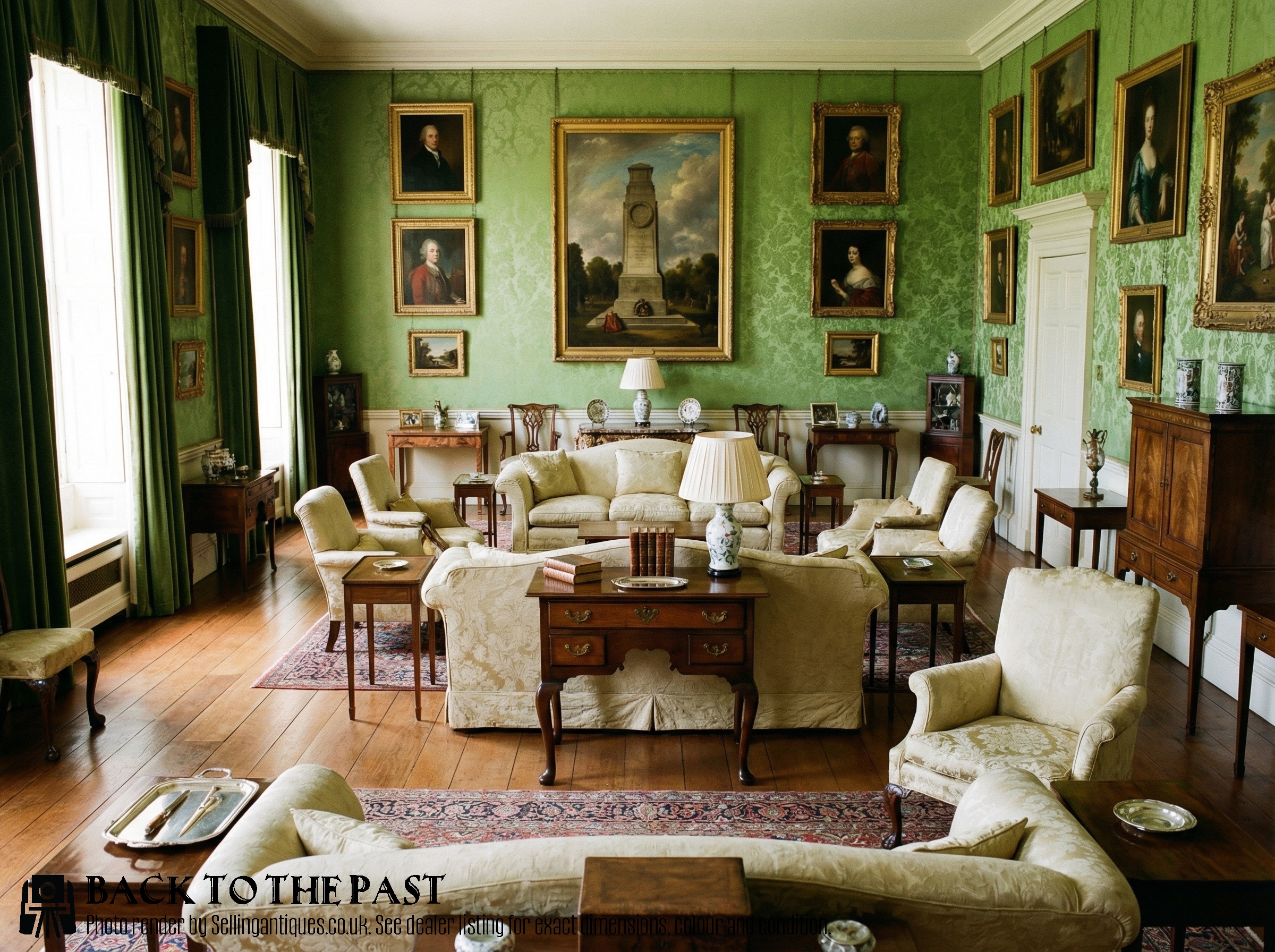
Cabinet makers utilised dense hardwoods such as mahogany, oak, and walnut to build the carcases and frames of these tables and desks. These timbers provided the structural integrity needed for daily use in studies, parlours, and dining rooms.
Brass was cast and shaped into drop handles, backplates, and knobs, secured to drawer fronts with pins or screws. Leather inserts occasionally appeared on writing surfaces, complemented by secondary timbers and dovetail joinery within the drawers.
Antique Brass Handle Table Retail Price Guide 2026
Typical asking prices for brass handle table among the pieces listed under this phrase on Sellingantiques today, from the lower quarter to the upper quarter. They describe what is for sale here now, not the wider market.
A tiny miniature eight-day clock once shared bench space with massive partners desks.
What separates the best from the rest
The standard of a piece rests upon the crispness of its timber selection, whether a figured mahogany grain or a rich quarter-sawn oak. Superior examples display thoughtful proportions and harmonious integration between the brass hardware and the wood surrounding it.
Attention to internal construction, such as hand-cut dovetails on drawer boxes and the retention of original brass handles, elevates a piece. Lesser examples often show mismatched hardware, replaced timbers, or clumsy proportions that obscure the original period character.
Trollope and sons·William Gard Exeter·Maples of London and Paris·Mappin and Webb
The Antique Brass Handle Table Glossary
- Lowboy
- A small side table or dressing table with one or more rows of drawers, commonly standing on slender legs. This form dates predominantly from the 18th century in oak or mahogany.
- Pedestal desk
- A large freestanding desk featuring two banks of drawers supporting a top surface, frequently fitted with leather writing inserts. These heavy pieces are typical of the 19th century.
- Dovetail
- A joint used in drawer construction where interlocking wedge-shaped fingers hold the sides and front together. Hand-cut dovetails indicate traditional craftsmanship before mass production.
- Satinwood
- A pale, hard timber utilised for decorative veneers and stringing during the late 18th and early 19th centuries. It provides a striking contrast against darker woods like mahogany.
- Drop handle
- A piece of brass hardware suspended from a backplate, designed to be pulled by hand to open a drawer. Original brass drop handles are a key indicator of authenticity.
Antique Brass Handle Table: Frequently Asked Questions
How do I spot an original brass handle?
Original brass handles show natural wear, consistent patination, and fit the precise shadow marks left on the timber drawer front over centuries.
Replacements often leave extra screw holes behind or feature bright, unaged metal that jars with the surrounding aged wood.
Where were these tables used originally?
These tables and desks served in domestic studies, libraries, bedrooms, and reception rooms for writing letters, storing household accounts, and displaying objects.
Larger pedestal desks worked in professional offices, while smaller side tables and lowboys functioned in private chambers.
How do I care for a leather top?
Leather writing surfaces require gentle cleaning with a slightly damp cloth, avoiding harsh chemical sprays or abrasive scrubbing materials.
Applying a specialist leather balm occasionally keeps the surface supple and prevents the dry cracking common in older hide.
How do I tell a Georgian desk from a Victorian one?
Georgian desks usually display restrained classical proportions, lighter timber scantlings, and simple bracket feet or tapered legs.
Victorian pieces tend to be heavier, with deeper plinth bases on pedestal desks, darker finishes, and more robust structural construction.