
Antique Wooden Lowboy
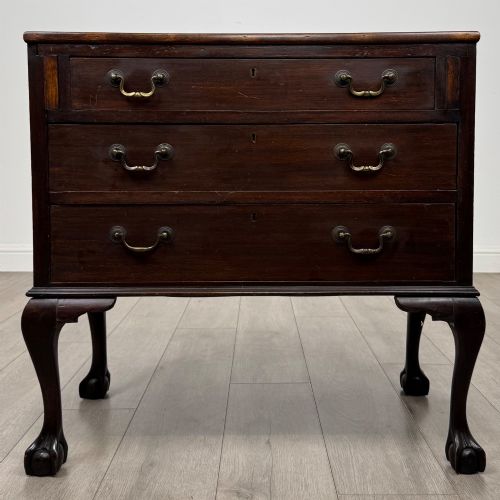
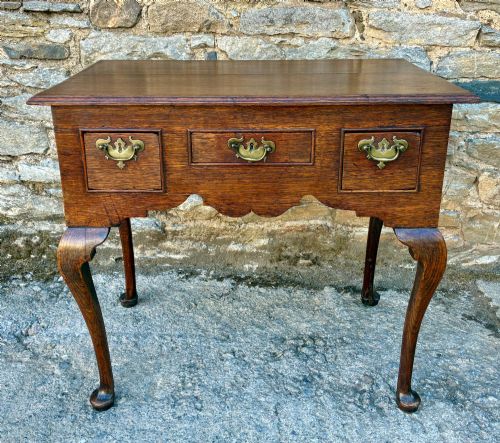
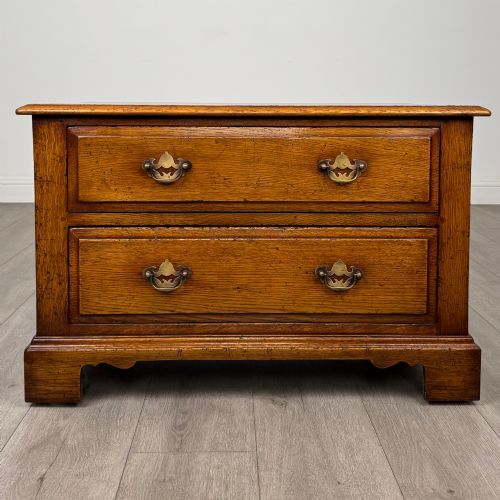
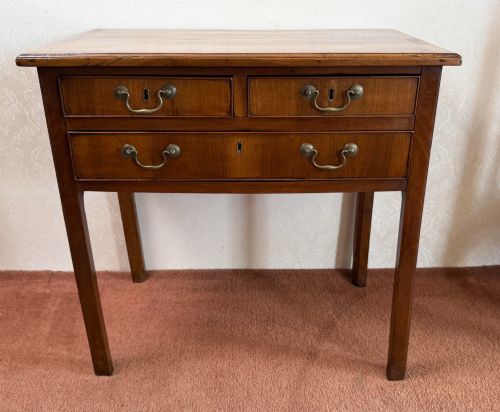
An antique wooden lowboy brings compact surface space and understated drawer storage into a room, offering genuine period character.
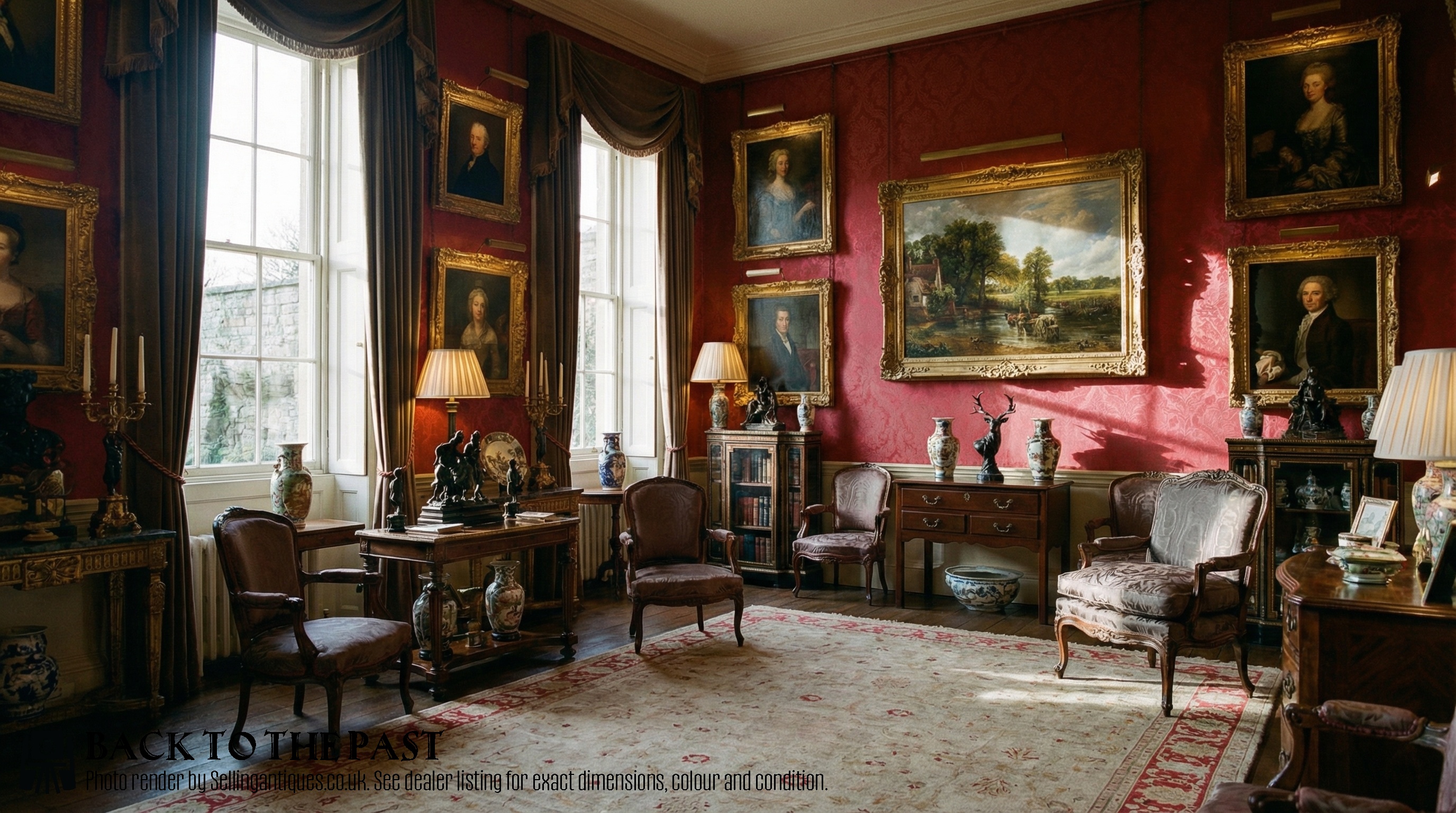
What an antique wooden lowboy is
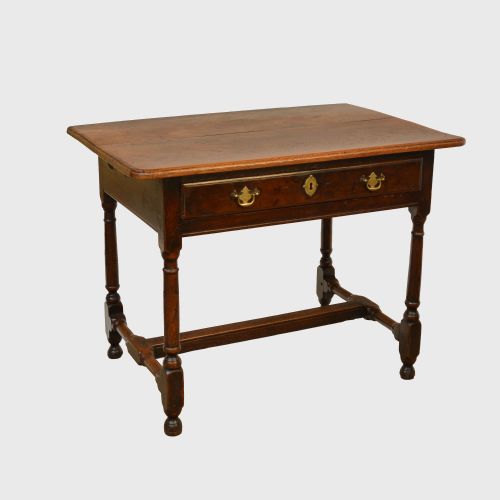
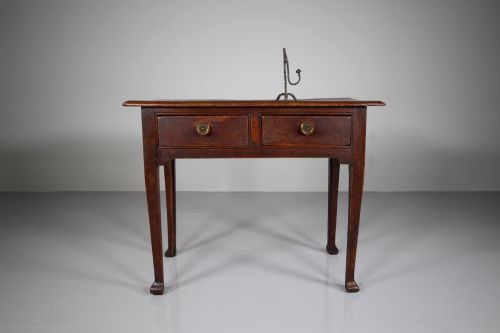
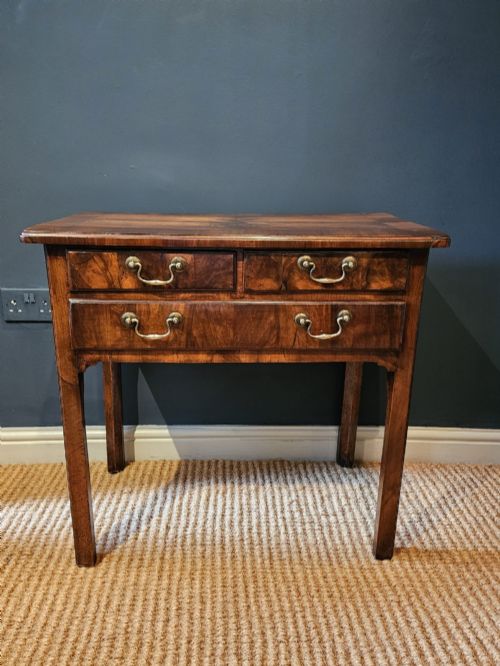
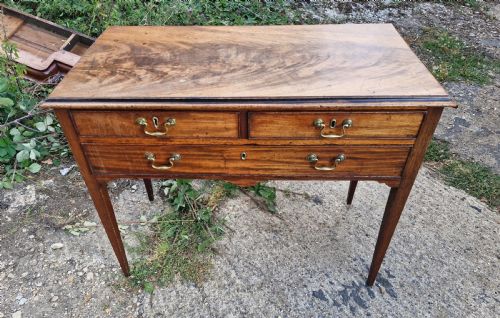
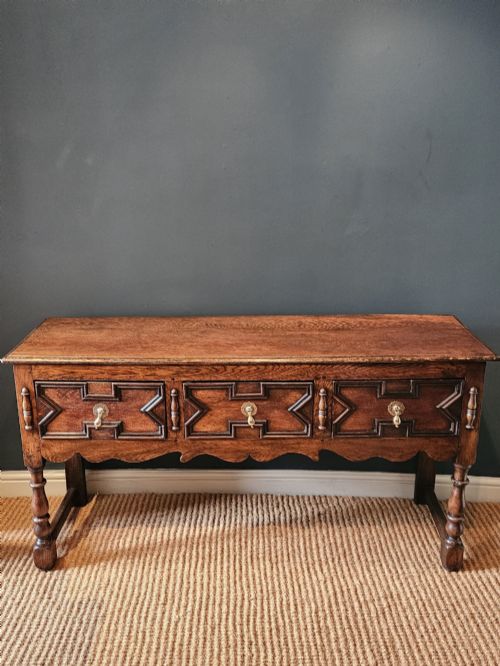
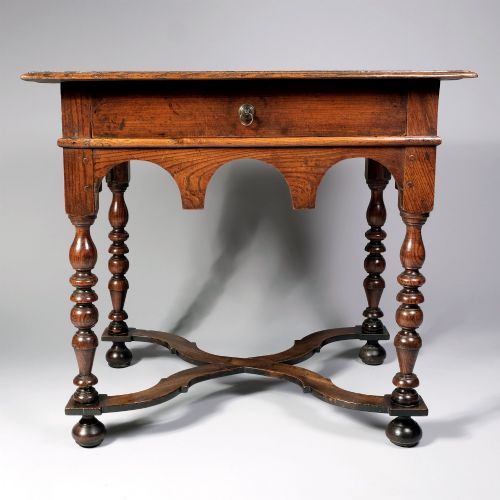
An antique wooden lowboy is a small side table featuring one or more drawers, designed for domestic utility and surface placement in Georgian interiors.
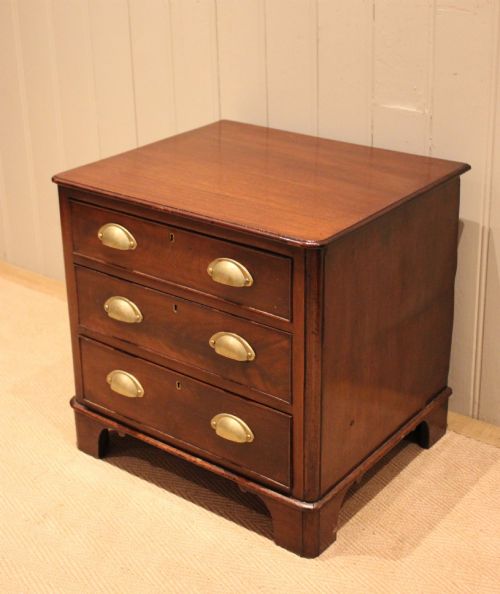
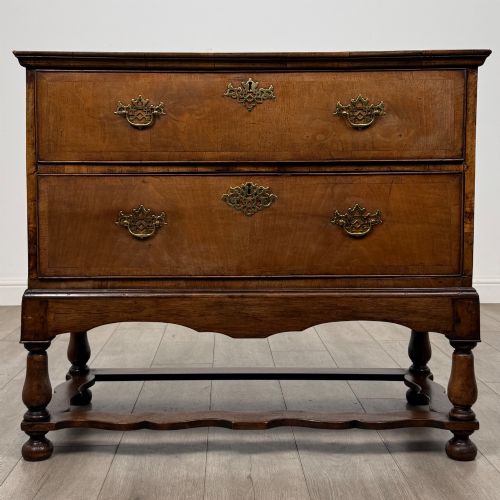
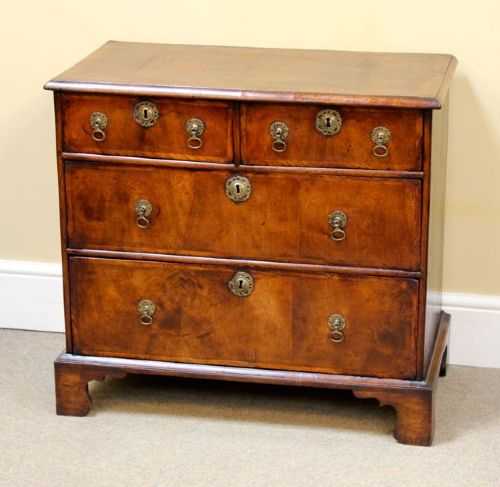
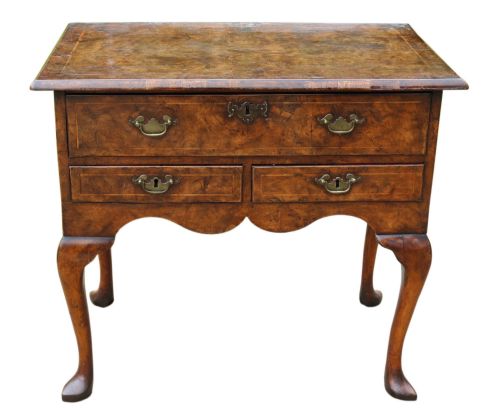
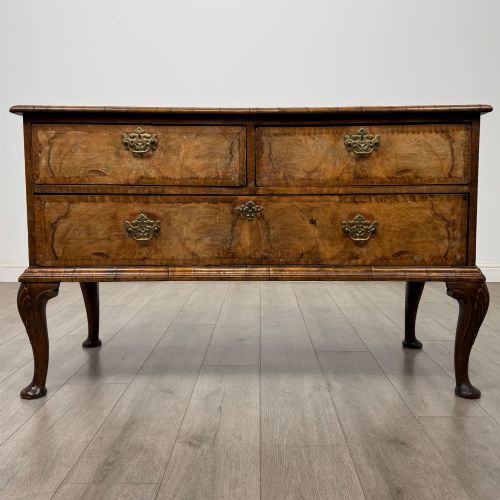
The versions met on this page span the 18th and 19th centuries, taking the form of side tables and chests of drawers rooted in Georgian and Queen Anne design.
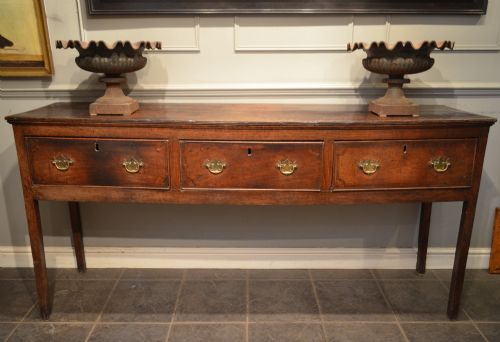
Makers constructed these pieces from timber such as oak, mahogany, walnut, and burr walnut, often mounting them with brass hardware.
Materials and construction
Craftsmen utilised solid hardwoods including oak, mahogany, and walnut to build the foundational carcasses and frames of these tables.
Some examples employ burr walnut veneer for figured surfaces, paired with brass handles and iron components for structural reinforcement and operation.
Retail Price Guide 2026
Typical UK retail prices for wooden lowboy, calculated from the Sellingantiques database of over a million retail prices indexed since 2003. This retail price guide relies exclusively on Sellingantiques data; no external sources or auction records are used, so the figures do not describe the wider market.
Every lowboy comes with built-in hiding spots for small secrets.
Judging quality and character
Quality rests in the choice of primary timber, where figured burr walnut or dense mahogany elevate a piece above standard oak variants.
Refined surface detailing, such as serpentine top shaping and well-executed joinery, distinguishes superior examples from simpler utilitarian forms.
The Antique Wooden Lowboy Glossary
- Lowboy
- A small occasional table with drawers, typically standing at waist height and used primarily in bedrooms or parlours during the 18th century.
- Serpentine top
- A desk or table top featuring a distinct undulating edge with a convex centre flanked by concave curves.
- Burr walnut
- Timber taken from the burl growth of a walnut tree, prized by cabinetmakers for its swirling, highly decorative grain patterns.
- Queen Anne
- A style prevalent in the early 18th century characterised by graceful curves, cabriole legs, and understated ornamentation.
Frequently Asked Questions
What is an antique wooden lowboy used for?
These tables served historically as small dressing or writing desks, holding personal items within their drawers while providing a top surface.
Today, buyers utilise them as hallway side tables or compact desks in smaller rooms.
How do I date an antique lowboy?
Dating relies on examining the timber species, construction methods, and stylistic cues such as Queen Anne cabriole shaping or Georgian proportions.
Comparing the drawer linings and hardware fixings against known historical periods further clarifies the age.
Are these pieces made of solid wood?
The inventory includes examples fashioned from solid oak, mahogany, and walnut throughout their primary structures.
Some refined surfaces incorporate decorative veneers like burr walnut over secondary timber bases.
How do I fit a lowboy into a modern room?
The compact footprint allows these tables to sit comfortably in narrow hallways, landings, or living spaces as accent furniture.
Their shallow depth ensures they do not crowd a room while offering practical drawer storage.