

18th Century Walnut Table
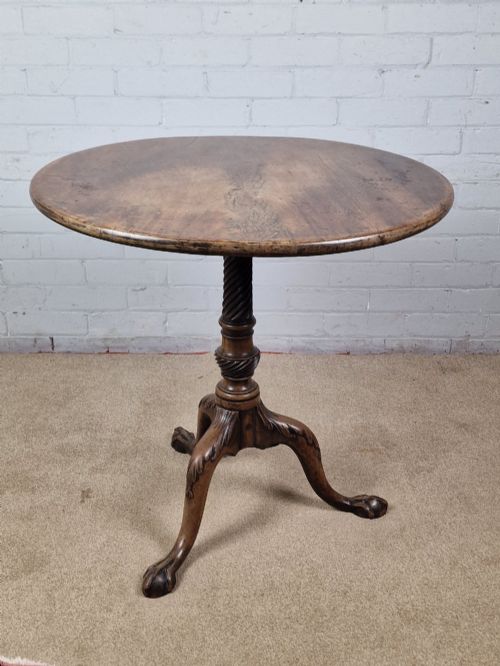
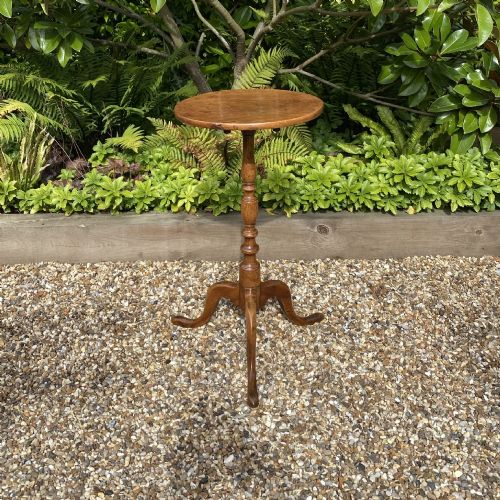
When searching for an 18th century walnut table, collectors encounter a diverse array of period forms prized for rich timber tones and versatile domestic utility.
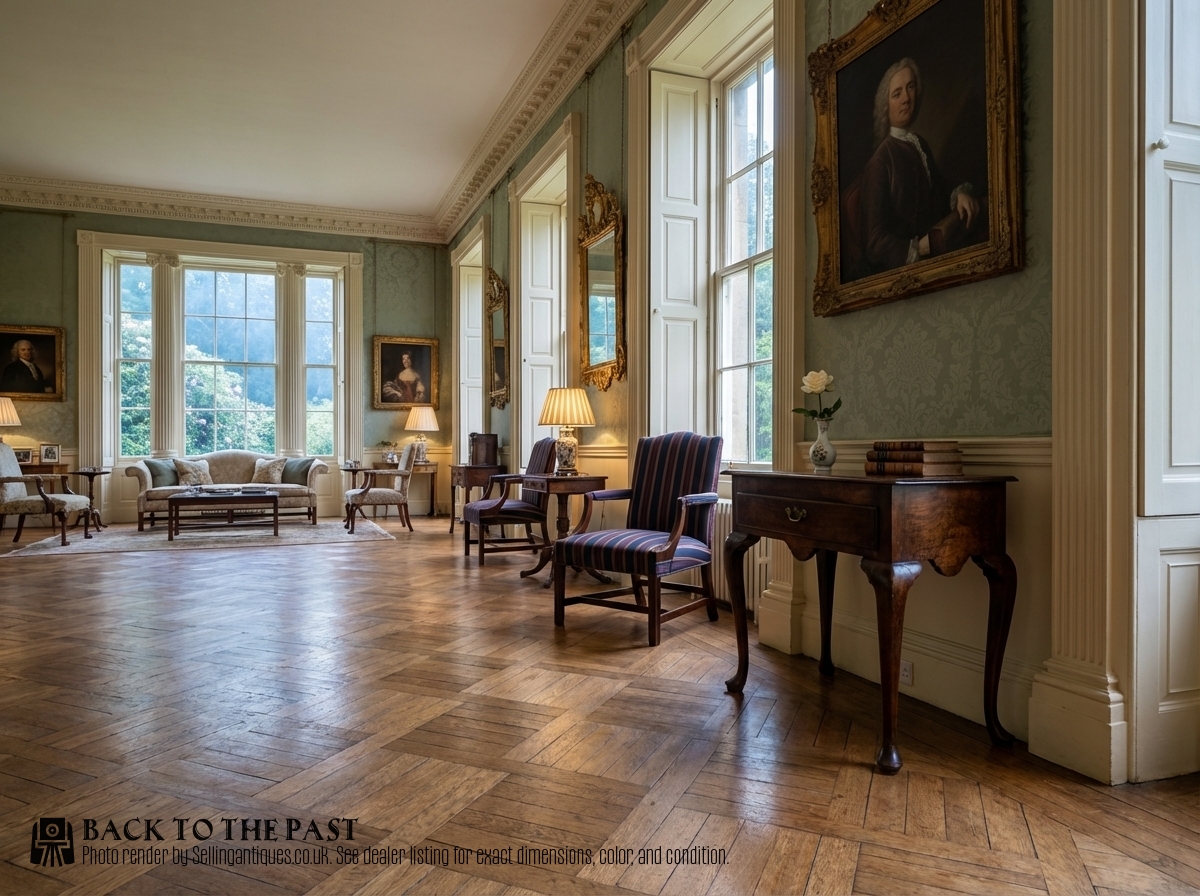
18th Century Walnut Table
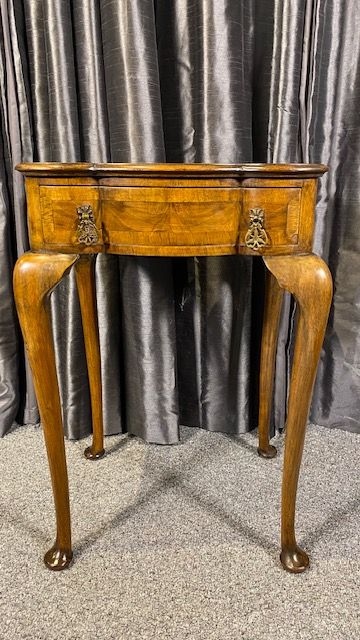
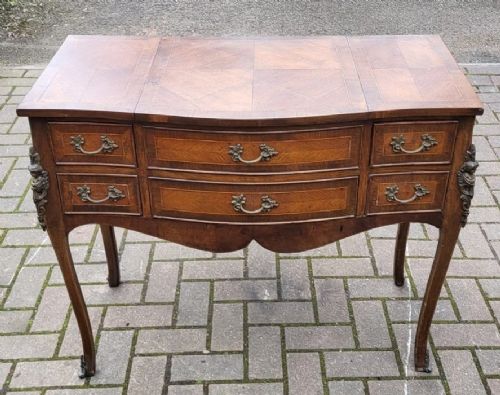
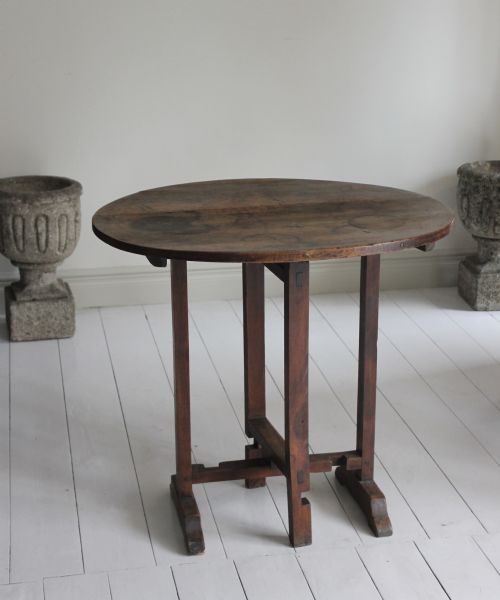
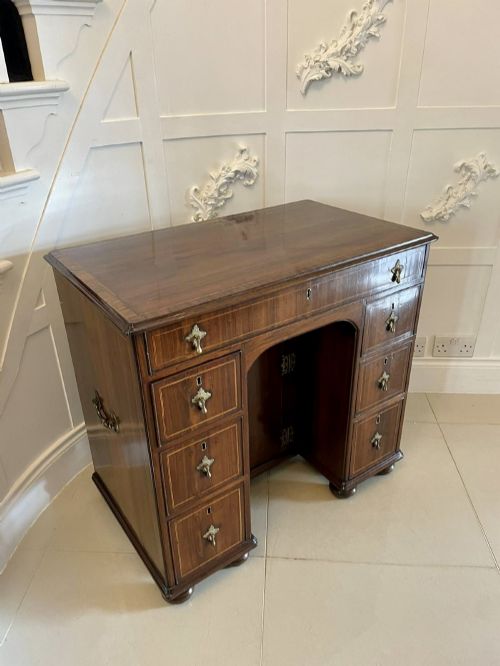
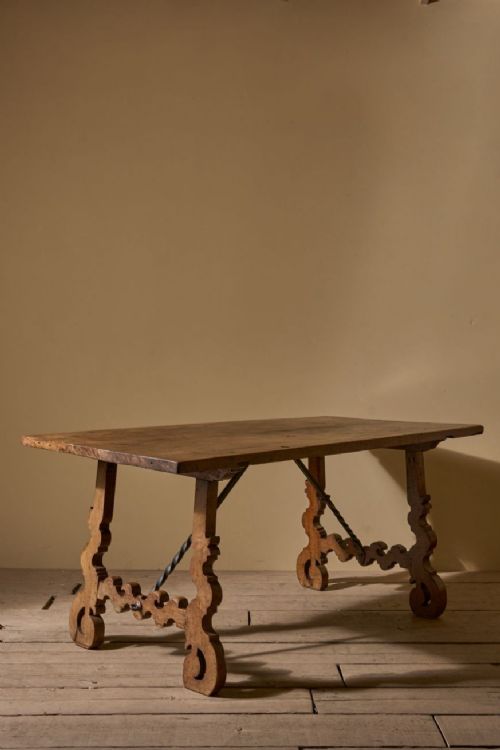
Buyers frequently encounter smaller functional pieces like card tables, fold-over bridge tables, and tilt-top tripod tables alongside larger dining and farmhouse tables. Regional varieties from Italy, France, Spain, and England add distinct stylistic traits such as marquetry inlay and carved details.
How they were made
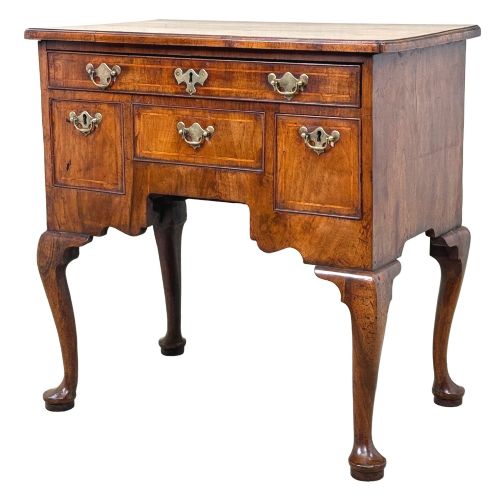
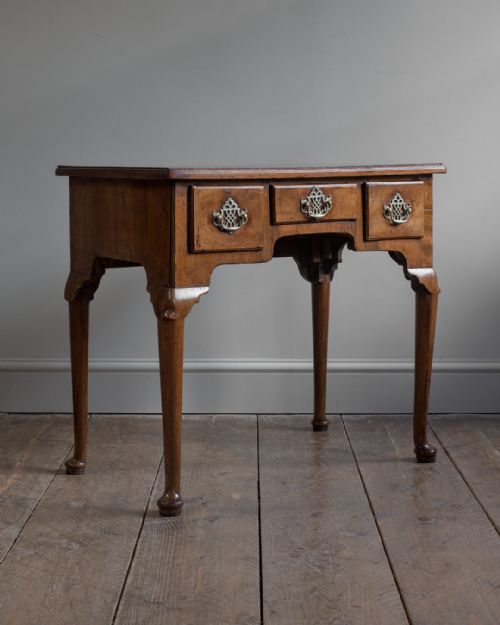
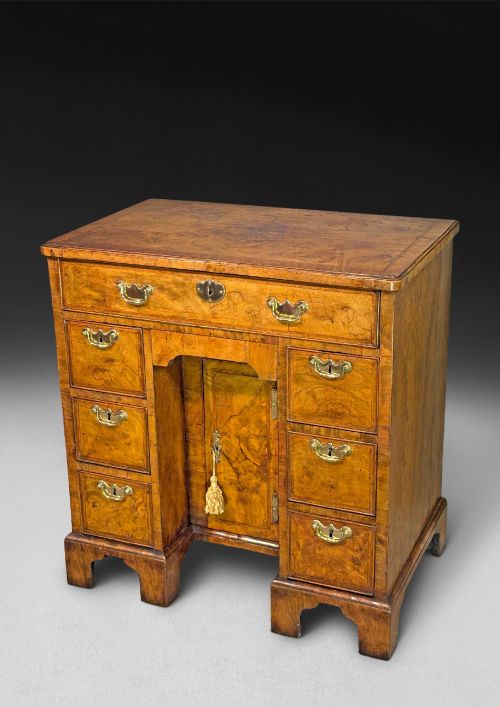
Cabinetmakers utilised solid walnut, burr walnut, red walnut, and fiddleback walnut veneers applied over secondary woods like oak and fruitwood. Timber selection dictated the visual texture, often enhanced through figuration and decorative marquetry.
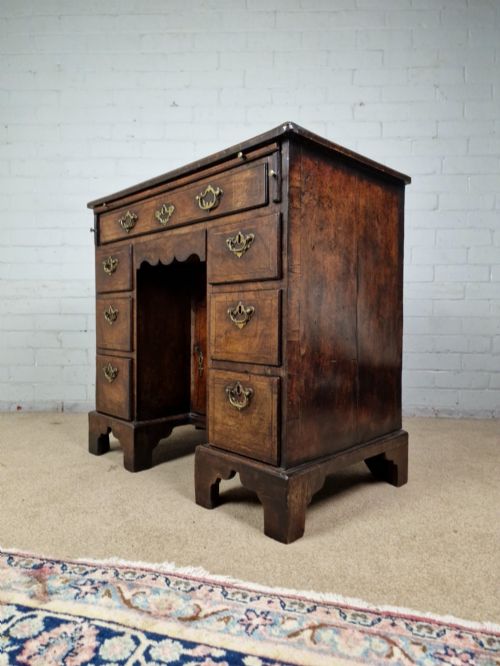
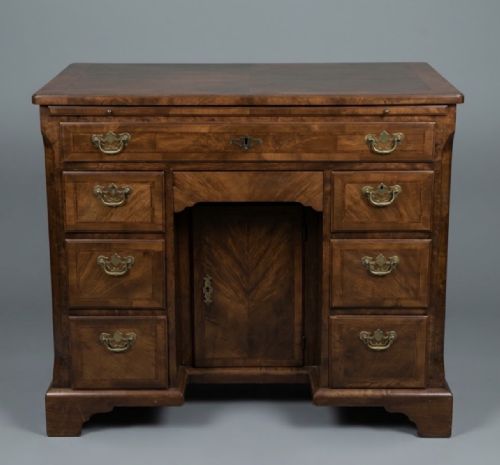
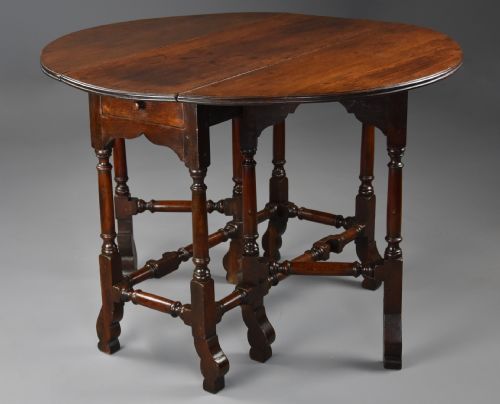
Construction techniques involved traditional joinery such as gateleg folding actions, tilt-top mechanisms, and dovetailing for drawer boxes in lowboys and desks. Brass hardware, galleries, and occasional marble tops completed the structural assemblies.
18th Century Walnut Table Retail Price Guide 2026
Typical asking prices for 18th century walnut table among the pieces listed under this phrase on Sellingantiques today, from the lower quarter to the upper quarter. They describe what is for sale here now, not the wider market.
Listings feature Queen Anne, George I, George II, and George III periods alongside continental European examples from the seventeenth to twentieth centuries.
What varies in quality
Quality rests upon the selection and preservation of the timber figures, where rich burr or figured walnut veneers display superior depth and pattern continuity across surfaces. Original patination and faded colour indicate age and minimal surface disruption.
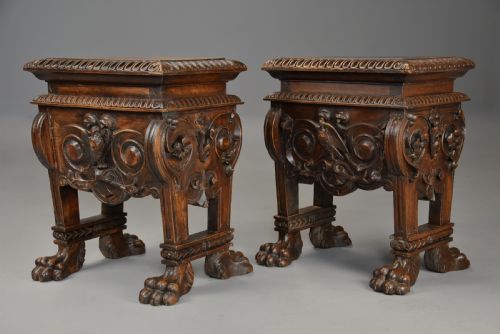
Refinement in carving, crispness of marquetry inlay, and the retention of original brass drawer pulls or hinges distinguish finer workshop productions from simpler provincial examples.
The 18th Century Walnut Table Glossary
- Lowboy
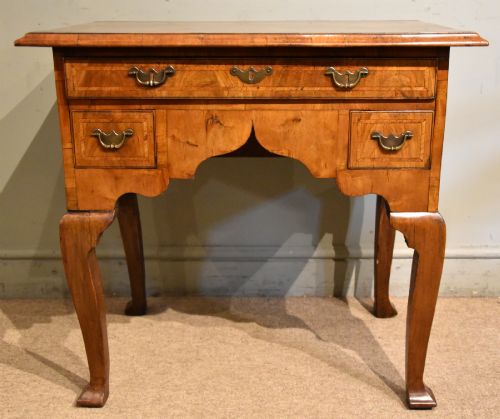
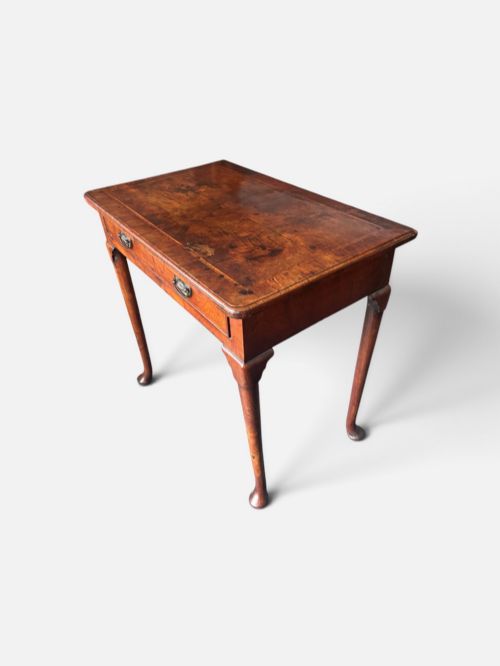
- A small dressing table or side table featuring one or more rows of drawers beneath a flat top, typically supported on slender cabriole or straight legs.
- Gateleg table
- A drop-leaf table with hinged flaps supported by hinged legs that swing out like a gate to bear the weight of the open leaves.
- Marquetry
- Decorative veneer work forming intricate pictorial or geometric patterns using various woods, sometimes augmented with other materials.
- Demilune
- Half-moon shaped, commonly used to describe console or card tables designed to stand flat against a wall.
- Fiddleback walnut
- Timber featuring a wavy grain pattern that creates a rippled reflection reminiscent of the back of a violin.
18th Century Walnut Table: Frequently Asked Questions
Where were these tables used?
These tables served various domestic functions across the home, from dining rooms and parlours to bedrooms and hallways.
Smaller side tables and lowboys functioned as dressing surfaces or stands, while larger gateleg and refectory formats accommodated family meals.
How do I distinguish walnut from oak?
Walnut displays a finer, smoother grain structure with richer brown and honey tones compared to the coarser, more open grain of oak.
Cabinetmakers often used walnut for show surfaces while reserving oak for structural framing and drawer linings.
Can I use a card table for dining?
Fold-over gaming and bridge tables provide compact surfaces suited for occasional drinks or small displays rather than heavy dining.
Their hinged tops and folding frames are engineered for light recreational use rather than weight-bearing loads.
What is patination?
Patination refers to the natural surface sheen and mellowing developed by timber over centuries of handling, polishing, and exposure to light.
This distinct aged appearance is valued by collectors for authenticity.