


French Walnut Table
A french walnut table brings warmth and rich timber figure to a room, ranging from robust farmhouse boards to crisp Empire consoles.
What They Are
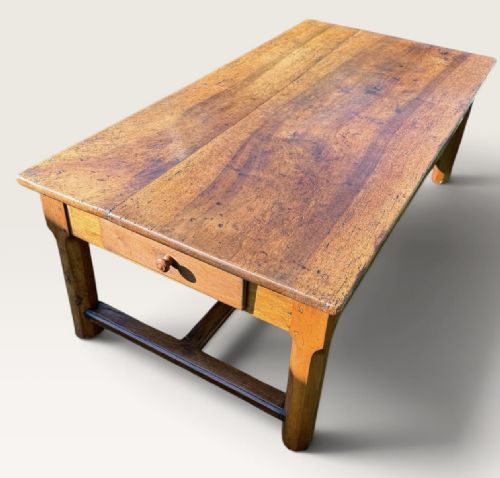
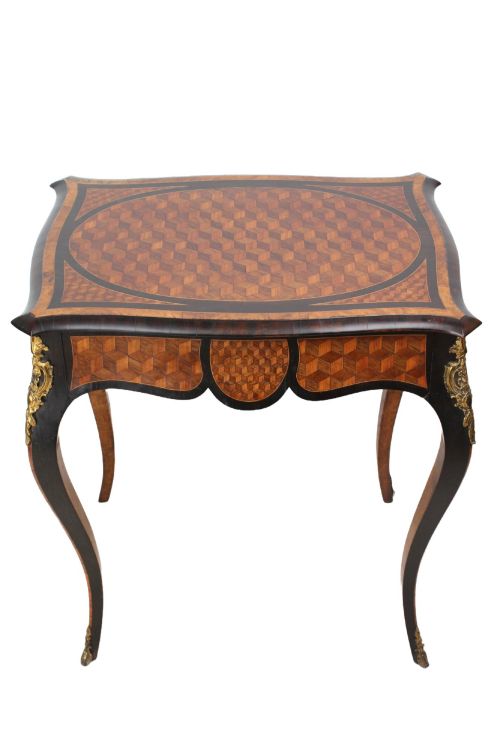
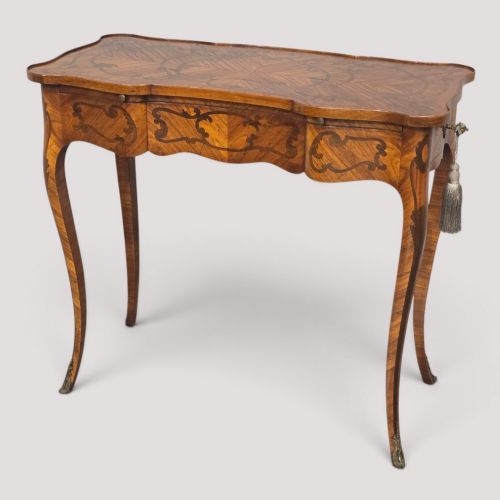
A french walnut table spans grand dining pieces, farmhouse refectories, and marble-topped console tables found across provincial and formal interiors. The selection covers diverse formats from drop-leaf wine tasting tables to inlaid centre and writing furniture.
The periods represented stretch from the eighteenth century through the nineteenth century into the nineteen-twenties and nineteen-thirties. Buyers frequently encounter nineteenth-century console tables and twentieth-century dining examples on this page.
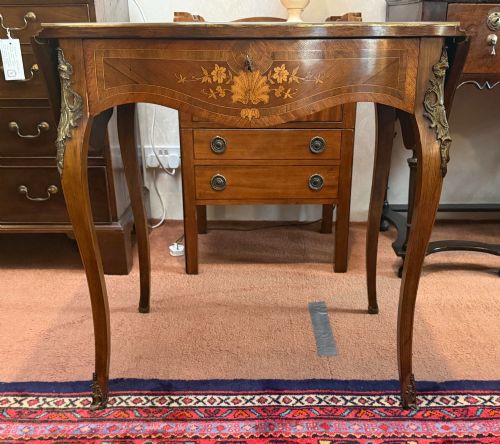
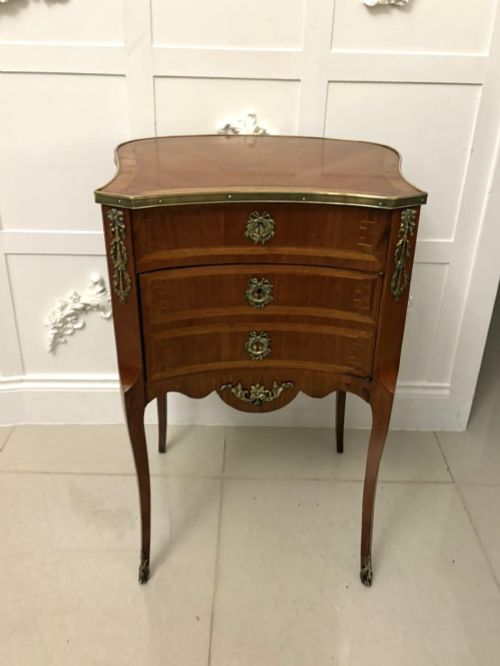
Forms include oval breakfast tables, side tables with drawers, occasional tables, and large refectory dining boards. Walnut serves as the primary timber, occasionally paired with marble tops, parcel gilt, or ormolu mounts.
How They Were Made
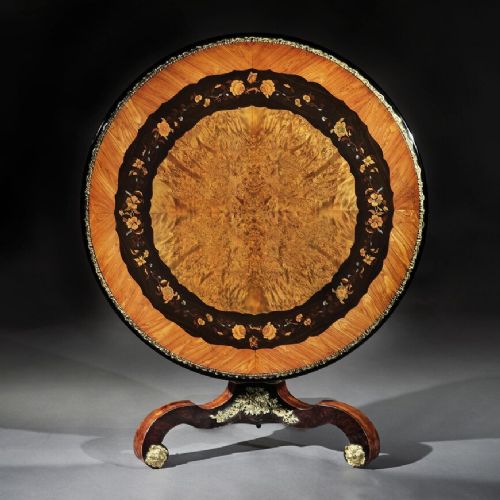
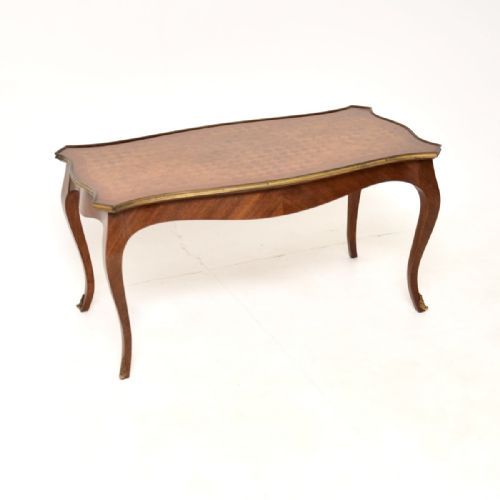
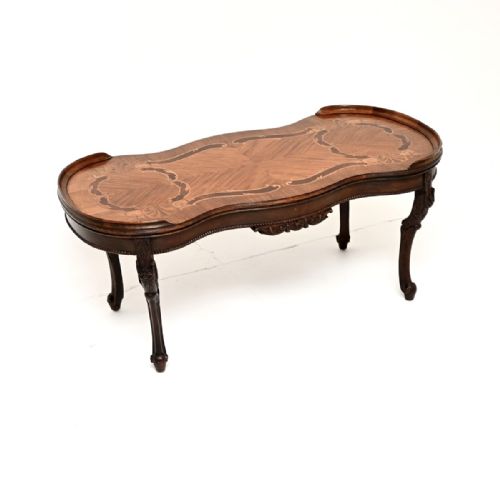
Cabinet makers utilised solid timber alongside walnut veneer and burr walnut to create figured surfaces. Tops often display quartered grain, book-matched patterns, or parquetry layouts.
Construction methods include drawer leaf mechanisms, pull-out extensions, and folding frames for wine tasting tables. Structural support relies on turned legs, cabriole legs, or refectory bases.
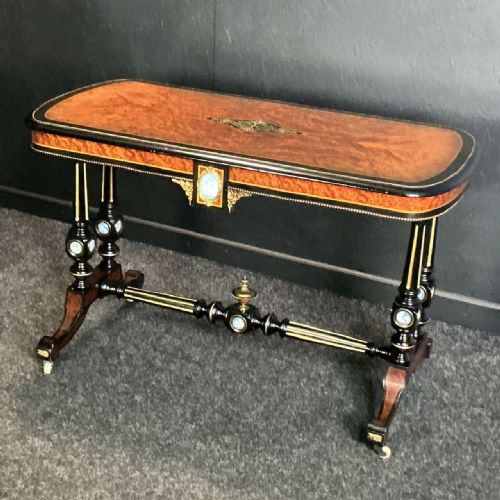
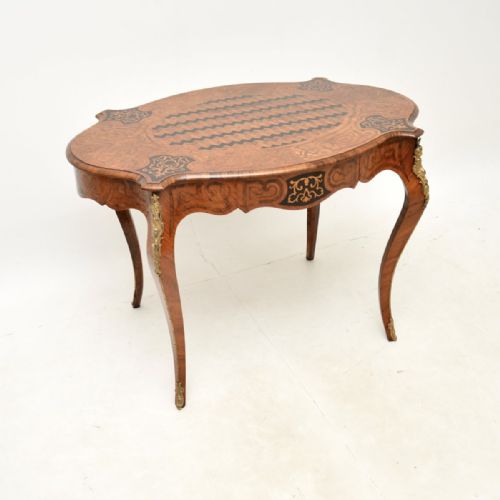
Surface detailing incorporates parcel gilt accents, porcelain plaques, and ormolu mounts on formal console and writing tables. Marble inserts feature prominently on washstands, gueridon tables, and console tops.
Retail Price Guide 2026
Typical UK retail prices for french walnut table, calculated from the Sellingantiques database of over a million retail prices indexed since 2003. This retail price guide relies exclusively on Sellingantiques data; no external sources or auction records are used, so the figures do not describe the wider market.
Wine tasting tables fold away neatly, proving that seventeenth-century vintners appreciated efficient kitchen storage as much as we do.
What Varies in Quality
The sophistication of the timber figure dictates much of the visual appeal, distinguishing plain planks from highly decorative burr or book-matched walnut veneers. Master joinery shows in the precision of parquetry inlay and the stability of extension mechanisms.
Hardware and secondary materials alter the character of a piece, separating simple provincial boards from elite examples embellished with ormolu mounts, breccia marble tops, or hand-carved parcel gilt details.
The French Walnut Table Glossary
- Parquetry
- Geometric wood inlay forming patterned surfaces on tabletops. This technique arranges contrasting timber veneers in precise repeating motifs.
- Ormolu
- Gilt-bronze mounts applied to furniture for decorative effect. It characterises formal nineteenth-century pieces.
- Cabriole leg
- A furniture leg curving outward at the knee and inward at the ankle. It appears frequently on provincial and periodic side tables.
- Gueridon
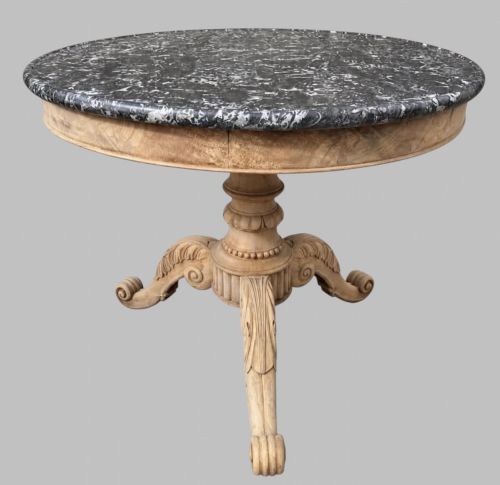
- A small round occasional table supported by a central pillar or legs. These often feature marble tops and figured walnut.
- Refectory table
- A long, narrow dining table traditionally used in monastic dining halls. The records show large farmhouse iterations built from solid timber.
Frequently Asked Questions
How do I clean a marble top french walnut table?
Wipe the marble surface using a soft cloth dampened with warm water and mild, non-acidic soap. Avoid abrasive cleaners that scratch the stone or spill onto the polished wood.
Keep the walnut timber dusted and feed the wood periodically with appropriate wax to maintain the grain. Ensure moisture is wiped away promptly from both stone and timber.
Where were wine tasting tables used?
Wine tasting tables, known as tables vigneronne, originated in French vineyards and cellars for sampling wine harvests. Their folding or tilt-top designs allowed easy storage when not in active use.
Today these versatile round or oval boards function well as occasional or coffee tables in domestic spaces. Their historic utility adds character to modern living rooms.
What is a gueridon table?
A gueridon is a small stand or table, typically round, designed to hold lamps, vases, or decorative objects. Nineteenth-century versions often combine figured walnut with heavy marble inserts.
Their compact footprint makes them suitable for corners or beside seating areas. They provide a practical surface without dominating the floor space.
How do I identify a french empire console table?
French Empire pieces display classical restraint, often incorporating architectural lines, dark walnut, and parcel gilt highlights. Marble tops and ormolu mounts are common decorative components of this period.
They generally stand against walls in halls or reception rooms. The heavy proportions distinguish them from lighter provincial designs.