


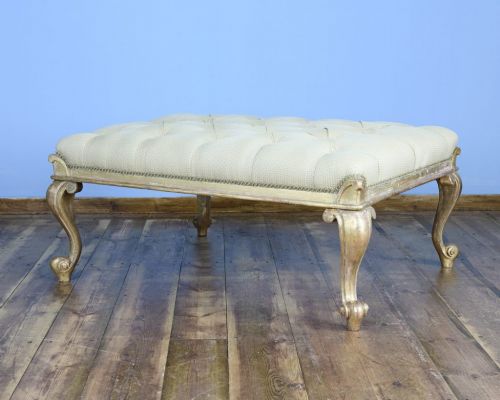


Parcel Gilt Table
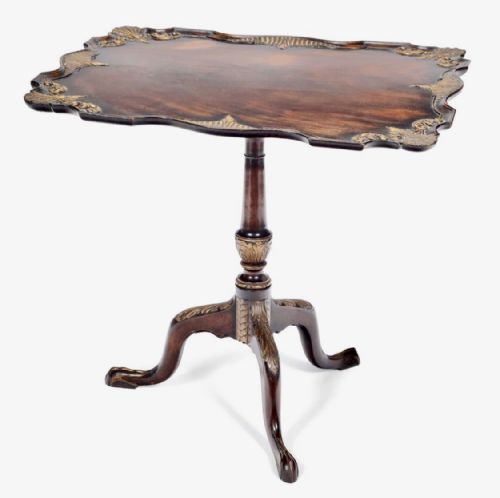
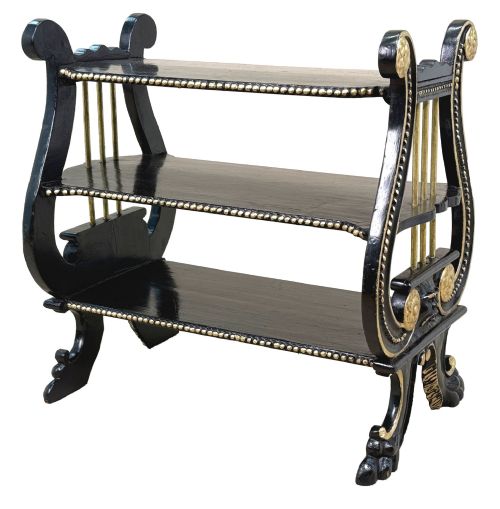
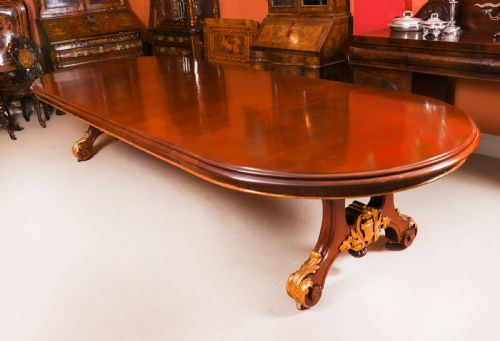
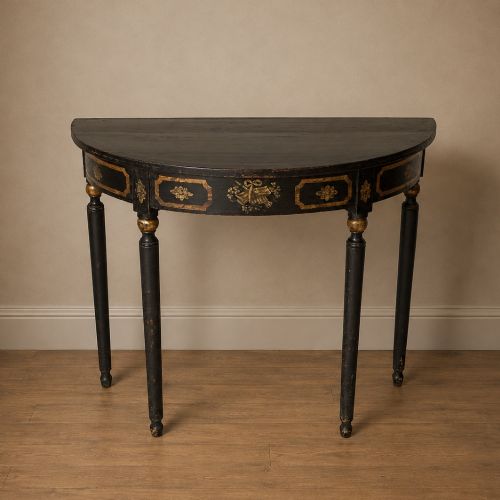
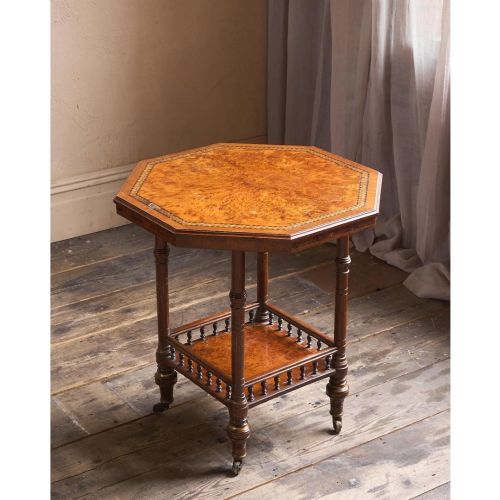
A parcel gilt table brings warmth and reflected light to a room through delicate highlights of gold leaf applied to carved details.
Parcel Gilt Table
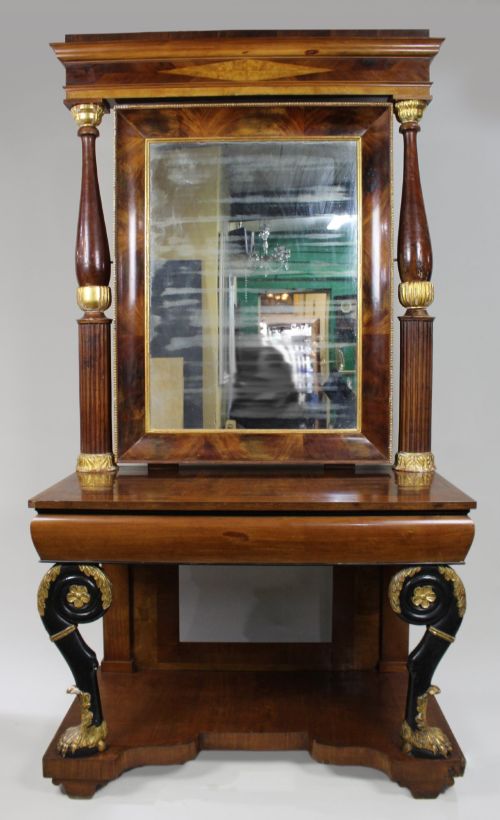
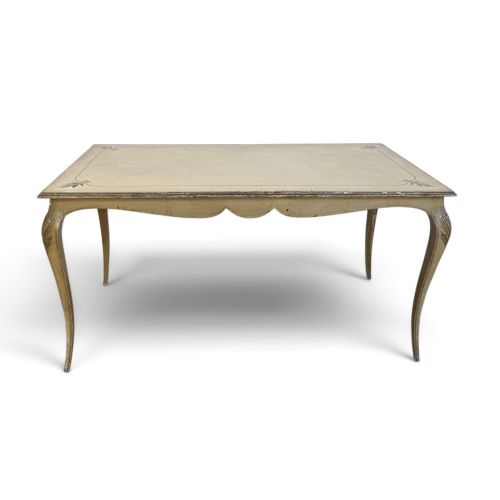
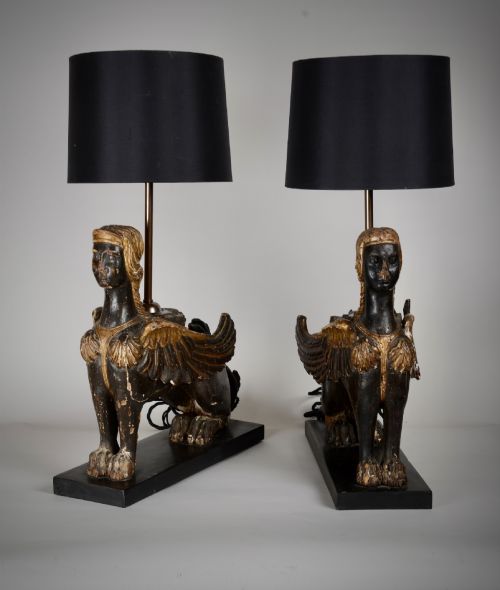
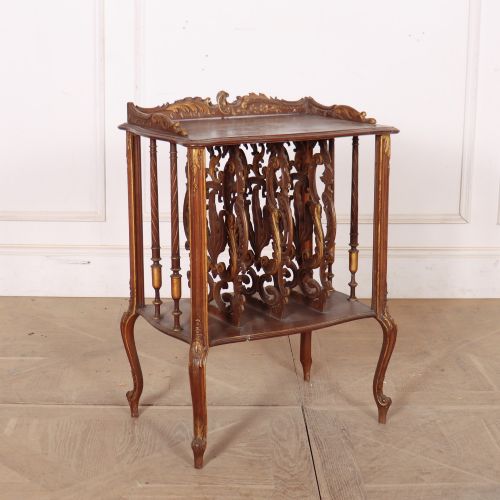
A parcel gilt table combines a primary wood, painted surface or ebonised finish with selective gilding that accentuates carved mouldings, floral motifs or structural lines. The phrase encompasses console tables, centre tables, occasional tables and writing desks produced across the Georgian, Regency and Victorian periods up through early twentieth century revivals.
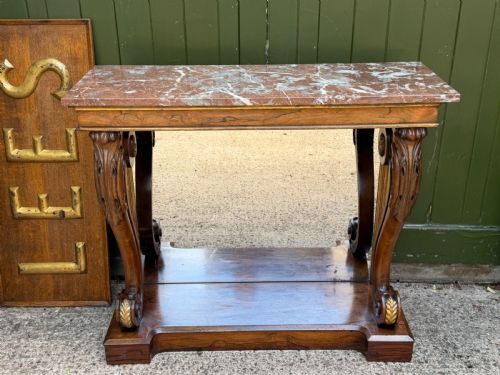
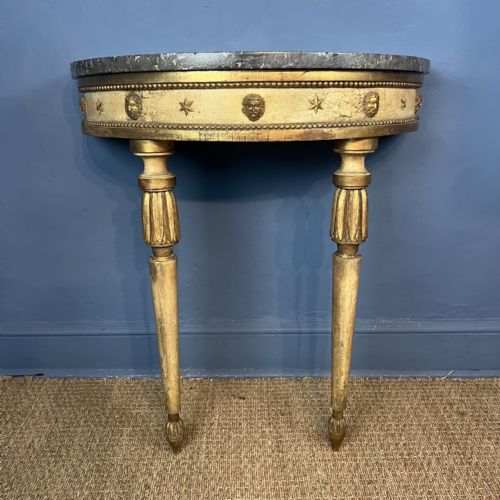
Console tables designed for placement against a wall frequently feature marble tops and elaborate bases in Italian, French or English stylistic traditions. Centre tables and side tables utilise rich timbers such as rosewood, mahogany or amboyna enhanced by gold leaf details that catch the ambient light.
Victorian examples often reflect Aesthetic Movement or Rococo Revival tastes, while earlier Georgian and Regency iterations draw upon Neoclassical and Baroque vocabulary. Buyers encounter everything from grand library tables to small tripod wine stands bearing these gilded accents.
Materials and construction methods
Craftsmen applied thin sheets of gold leaf to designated carved portions of timber, gesso or painted surfaces using a size adhesive, leaving the underlying mahogany, walnut, rosewood or ebonised wood exposed elsewhere. Marble tops, frequently in white or breche d'alep varieties, were fitted directly to heavy console and occasional table bases.
Carved structural elements relied on dense hardwoods or softwood carcases that accepted crisp detail work before gilding. Secondary woods such as oak or pine appear in drawer linings and interior framing on case pieces and side tables.
Parcel Gilt Table Retail Price Guide 2026
Typical asking prices for parcel gilt table among the pieces listed under this phrase on Sellingantiques today, from the lower quarter to the upper quarter. They describe what is for sale here now, not the wider market.
Some nineteenth century card tables cleverly fold out to reveal green baize ready for an evening of Victorian parlour games.
Assessing quality and execution
The fineness of the carving beneath the gold leaf dictates the visual depth of the piece, where sharp, hand-chiselled detail surpasses soft or mechanically moulded ornamentation. The application of the gold itself reveals the hand of the maker, with genuine leaf showing subtle variations in tone compared to flat modern metallic paints.
Timber selection distinguishes ordinary utility furniture from high workshop output, as seen in figured amboyna, burr walnut or dense Honduras mahogany. Original marble tops, intact gilding without extensive modern overpainting, and structurally sound joinery elevate an example within its period.
Wylie and Lochead·Gillows·Mappin and Webb·Harrods·Howard and Sons·Wilkinsons of Ludgate Hill·E W Godwin
The Parcel Gilt Table Glossary
- Parcel Gilt
- Partially gilded, describing an object where gold leaf is applied selectively to specific carved areas rather than covering the entire surface.
- Console Table
- A table designed to stand against a wall, frequently supported by two front legs or brackets and secured with wall fastenings.
- Ebonised
- Wood stained or painted black to imitate costly ebony, often contrasted with bright gold leaf details.
- Gesso
- A plaster mixture applied to wood surfaces as a smooth base for subsequent gilding and painting.
- Marquetry
- Decorative veneer patterns formed by fitting together small pieces of different coloured woods.
Parcel Gilt Table: Frequently Asked Questions
How do I clean a parcel gilt table?
Dust the surface gently with a soft, dry microfibre cloth to prevent any abrasion to the delicate gold leaf highlights. Avoid chemical sprays, water and abrasive polishes that can lift or dull the historic gilding.
For stubborn grime on marble tops associated with these tables, use a damp cloth with mild soap, taking care not to let moisture touch the gilded wood frame.
Where should I place a console table?
Console tables sit best against a flat wall in an entrance hall, drawing room or dining room, often paired with a matching wall mirror above. Their shallow depth ensures they occupy minimal floor space while providing a decorative surface for lamps or ornaments.
Keep them away from direct heat sources and strong sunlight to protect the fragile gold leaf and underlying timber veneers from cracking or fading.
How can I tell a Regency table from a Victorian one?
Regency tables typically display restrained Neoclassical lines, sabre legs, rosewood veneers and classical brass mounts reflecting the early nineteenth century. Victorian pieces often embrace bolder revival styles, including heavier Rococo curves, ebonised finishes, and Aesthetic Movement forms from the later decades.
Examining the construction methods, secondary woods and hardware inside drawers can also help narrow down the manufacturing decade.
Are marble tops on these tables original?
Original marble tops generally fit snugly into the rebated wooden frame of the table base and show matching age wear underneath. Replacement marble slabs may display different thickness, clean modern cut edges, or lack the accumulated patina of the base.
Checking the underside and weight distribution helps determine whether the stone has remained with the piece since its creation.