

Gilt Occasional Table
A gilt occasional table brings nineteenth-century French and English display surfaces into a room with polished metal and carved wood.

Gilt Occasional Table
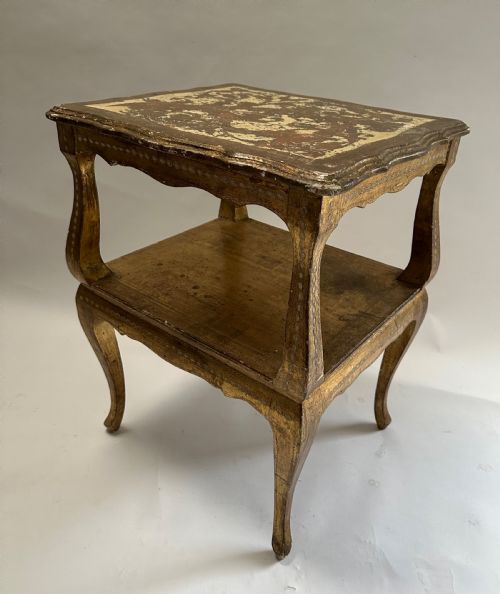
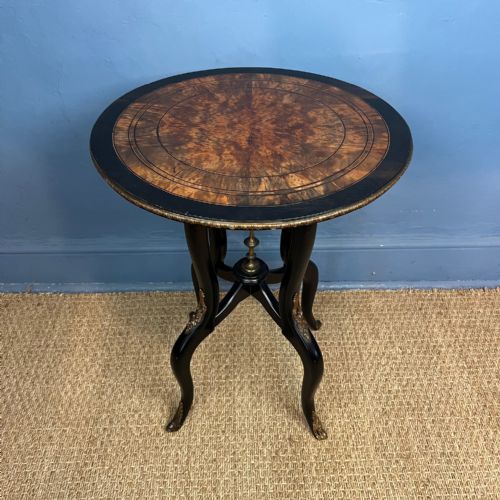
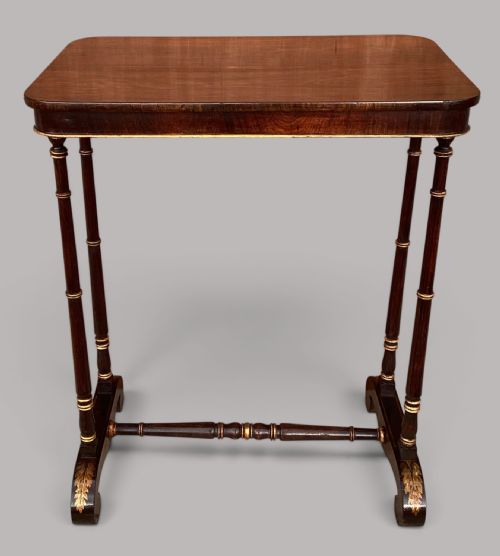
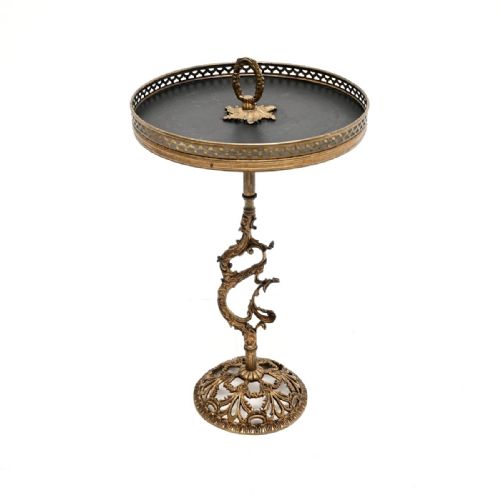
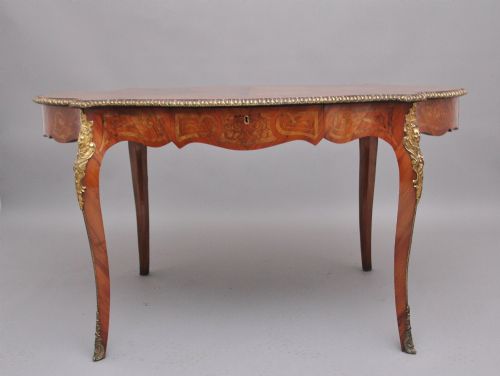
A gilt occasional table serves as a small, moveable display or lamp surface, appearing frequently in nineteenth-century French revival and English Regency styles.
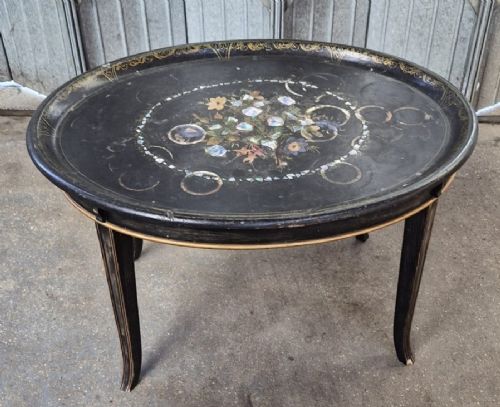
Surviving examples span side tables, centre tables, two-tier étagères, and nests of tables, often featuring circular or shaped tops.
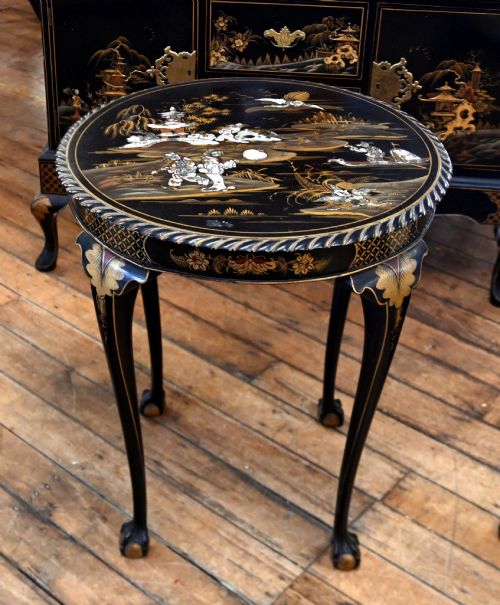
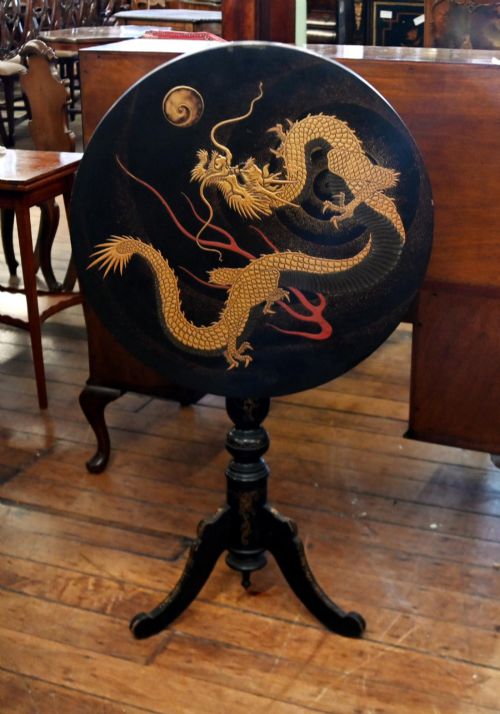
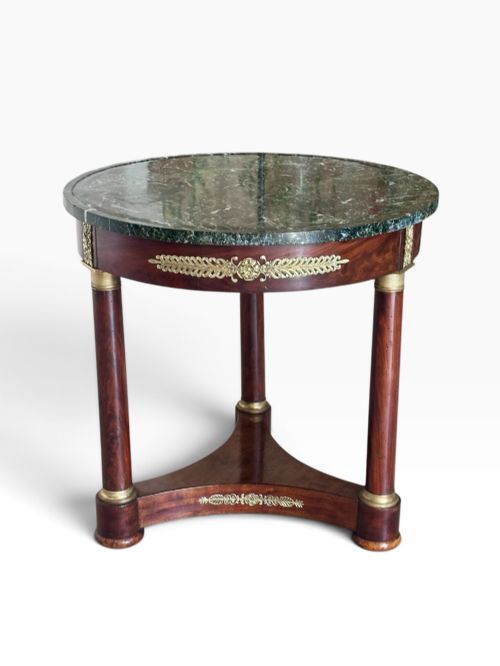
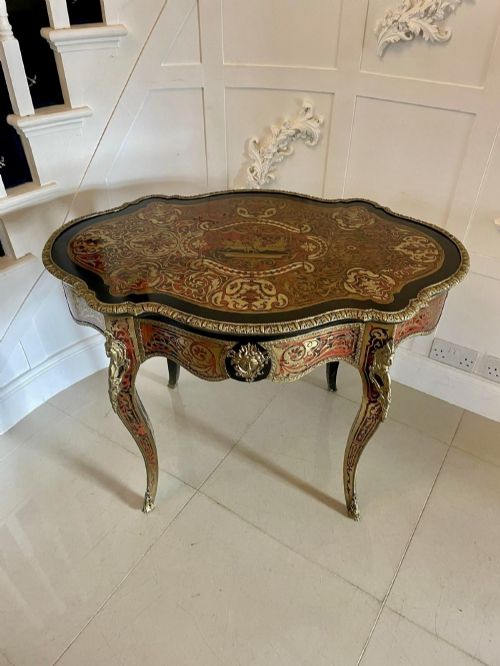
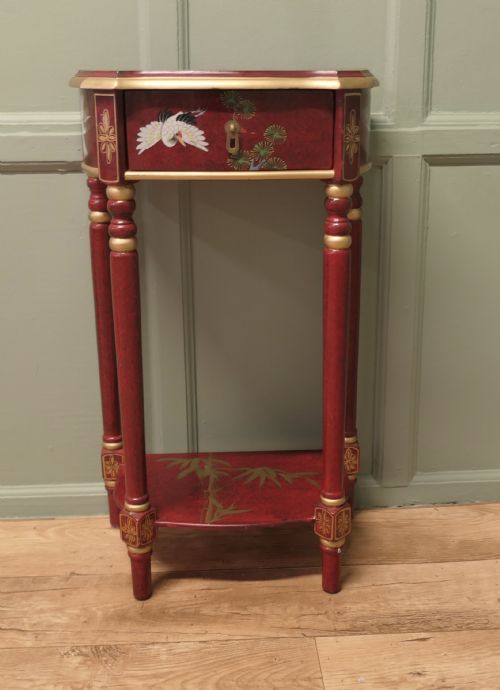
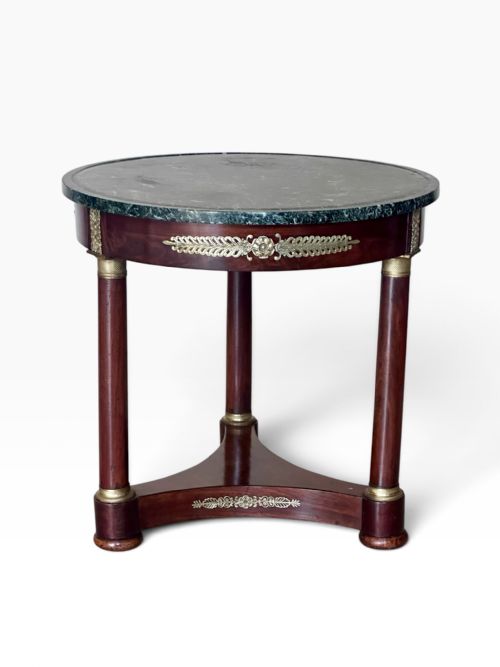
The primary forms found here draw heavily on Louis XV, Louis XVI, and Empire aesthetics, alongside lacquered Chinoiserie interpretations.
Materials and construction
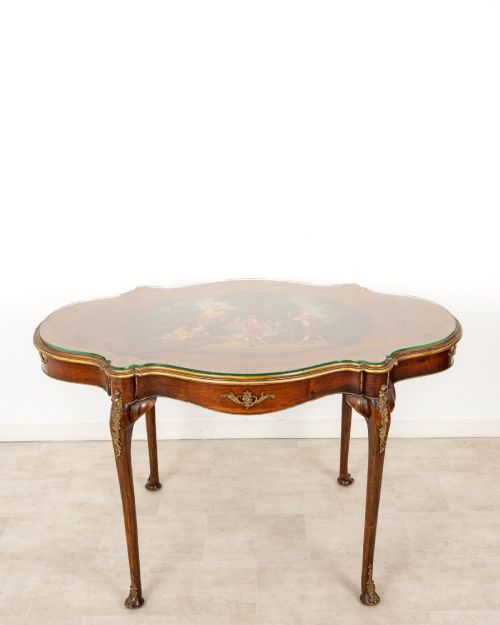
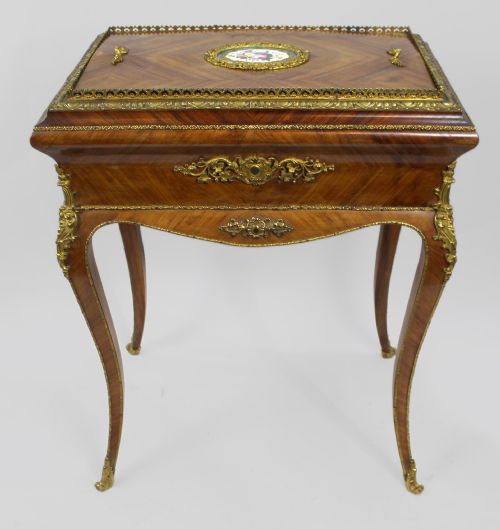
Carved wooden frames in mahogany, kingwood, walnut, and rosewood provide the structural foundation, often enhanced by marquetry, parquetry, or lacquered finishes.
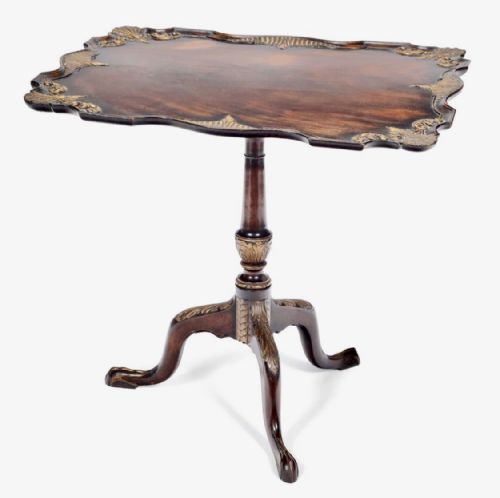
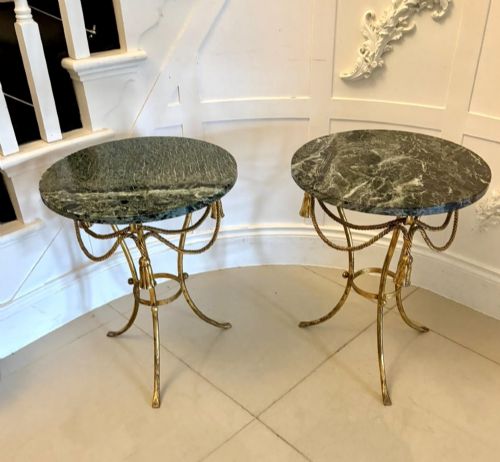
Gilding is applied through gold leaf on carved wood or through cast ormolu and gilt-bronze mounts fixed to the corners, legs, and aprons.
Inlaid marble slabs, verde marble, and onyx frequently form heavy inset tabletops, supported by robust tripod bases or tapered legs.
Gilt Occasional Table Retail Price Guide 2026
Typical asking prices for gilt occasional table among the pieces listed under this phrase on Sellingantiques today, from the lower quarter to the upper quarter. They describe what is for sale here now, not the wider market.
Listings feature woods including mahogany, kingwood, satinwood, and walnut, alongside marble, lacquer, and ormolu.
Distinctions in quality
The sophistication of the casting in the ormolu mounts separates standard production from superior examples, with crisper chisel work defining better workshops.
The precision of cabinetmaking shows in the tightness of timber veneers, delicate marquetry patterns, and the integration of mechanical drawers or tilt mechanisms.
The depth and application of the original gilding, whether water-gilt leaf or lacquered bronze, dictate the visual richness of the surface.
Maison Millet·Joseph-Emmanuel Zwiener·François Linke·Gillows·George Bullock·E W Godwin·Marsh and Tatham·Donald Ross
The Gilt Occasional Table Glossary
- Ormolu
- Gilded bronze or brass mounts applied to furniture, popular in French 19th-century cabinetmaking. It adds metallic contrast to timber surfaces.
- Marquetry
- Decorative patterns formed by inserting small pieces of wood veneer into a background panel. It frequently displays floral or geometric designs.
- Gueridon
- A small round French table supported by a central pillar or a set of legs. These pieces often feature marble tops and gilt metal mounts.
- Étagere
- A piece of furniture with multiple open shelves for displaying small objects. They appear in two-tier configurations with gilt supports.
- Bouillotte table
- A small neoclassical circular card or occasional table with a raised gallery rim. They typically feature candle slides and marble tops.
Gilt Occasional Table: Frequently Asked Questions
Where should I place an occasional table?
These pieces suit positions beside armchairs, beside beds, or against hallways where a small surface is useful.
Their compact footprints allow them to sit easily in corners or act as central display points in larger rooms.
How do I care for a marble top?
Marble surfaces require wiping with a soft, damp cloth and avoiding acidic liquids that can etch the polish.
Using coasters and placemats protects the stone from marks while preserving the original finish.
How can I identify the period?
Dating relies on combining the timber species, the style of the gilt mounts, and the construction methods used underneath.
French pieces from the nineteenth century often lean towards Louis revival styles with heavy ormolu, while Regency examples favour ebonised timber and parcel gilt.
Are these tables sturdy enough for daily use?
While built for functional placement, many antique tables are relatively delicate due to their age and decorative mounts.
They function best holding lamps, books, or decorative objects rather than heavy loads.