

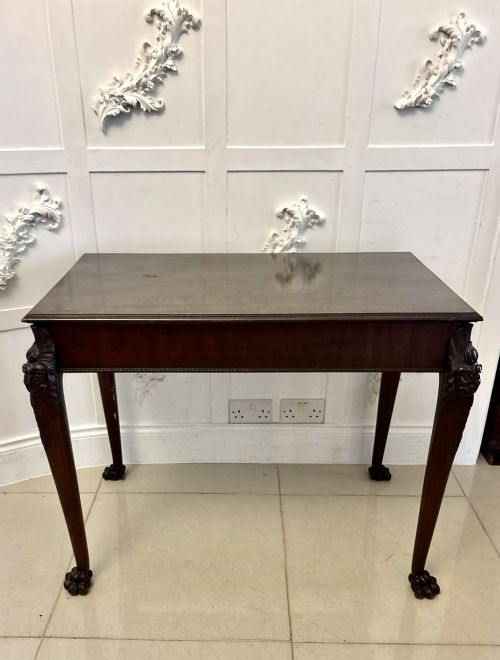
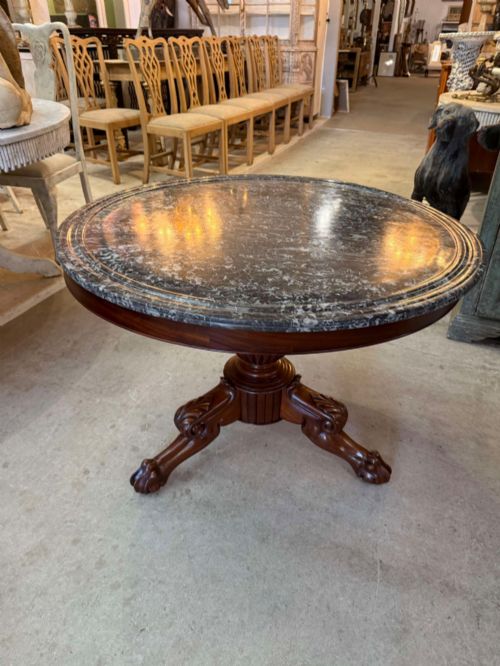
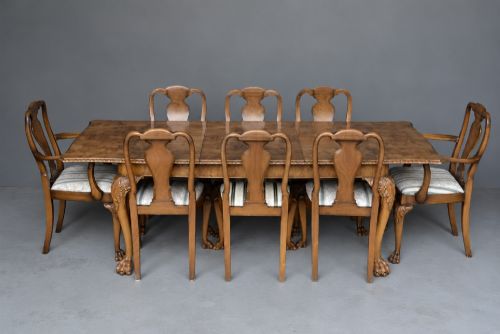
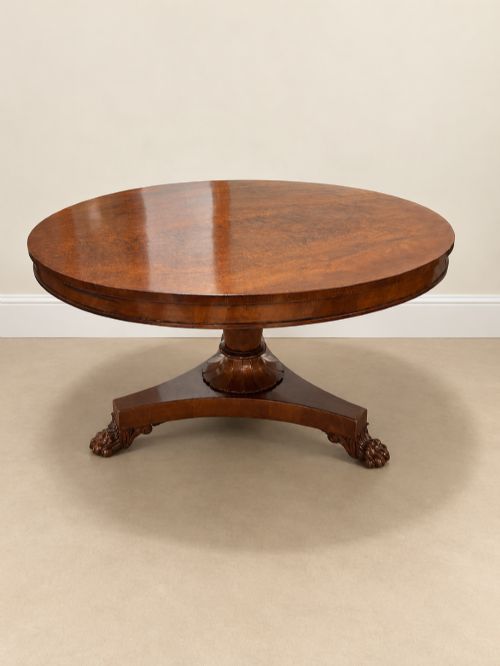
Antique Claw Foot Table
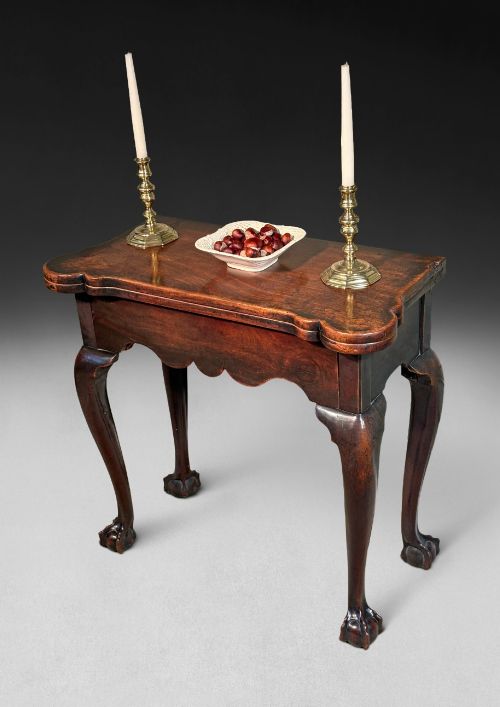
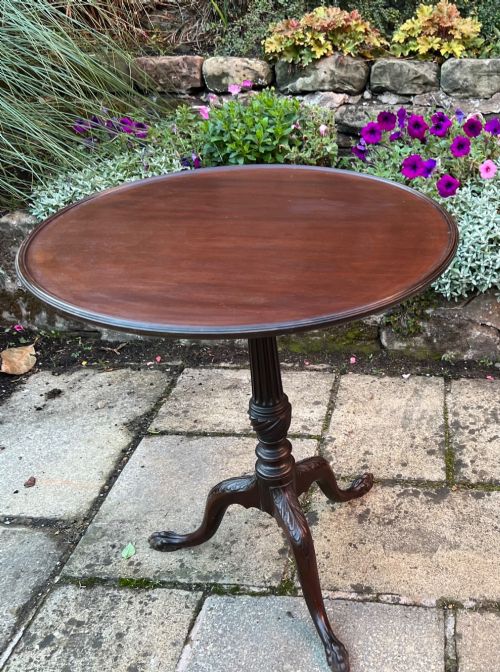
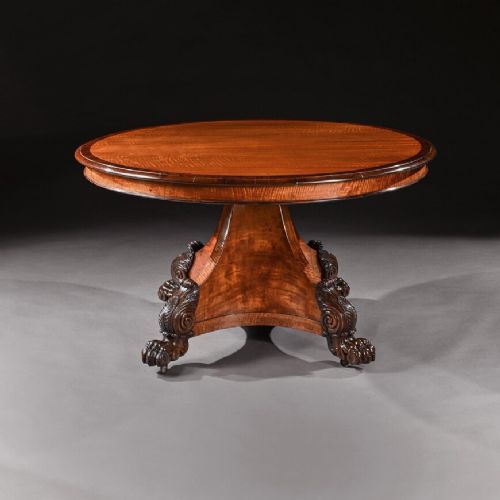
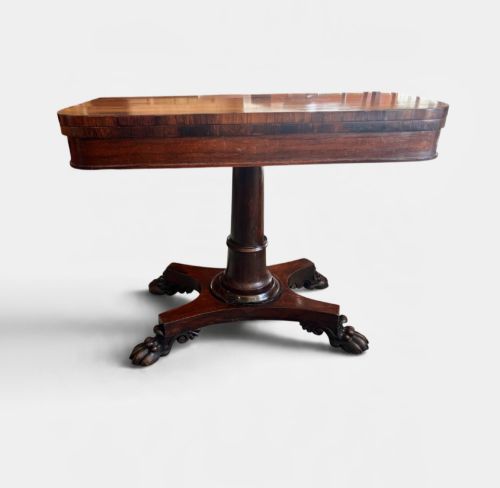
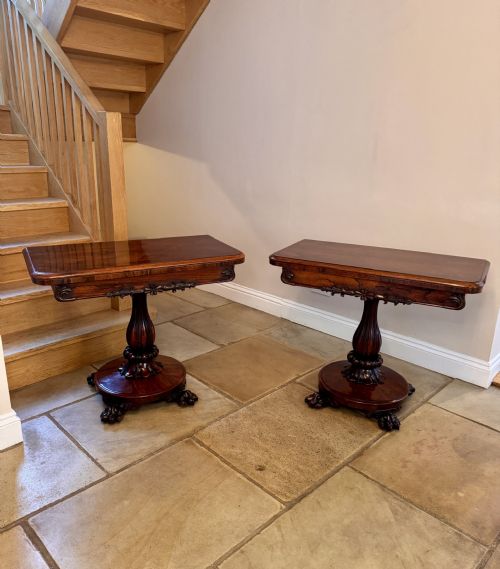
An antique claw foot table brings architectural presence into a room, anchoring the space with carved animal paw supports beneath mahogany or walnut tops.

Antique Claw Foot Table
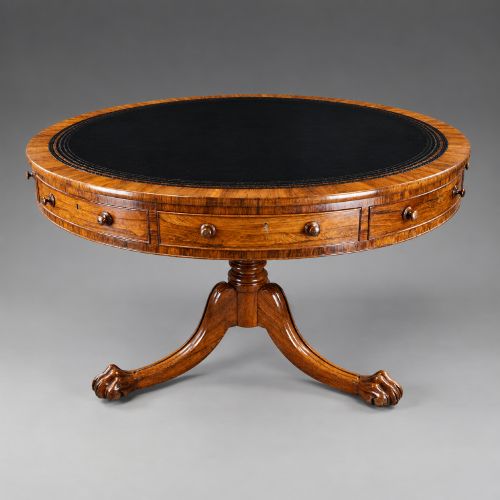
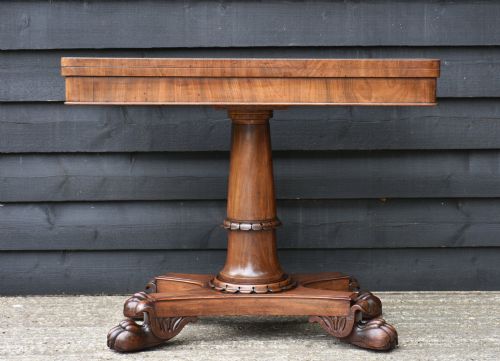
When you search for an antique claw foot table, you are looking at sturdy wooden furniture elevated on carved animal paw terminals. These pieces serve as dining tables, side tables, and occasional tables across various nineteenth-century and early twentieth-century designs.
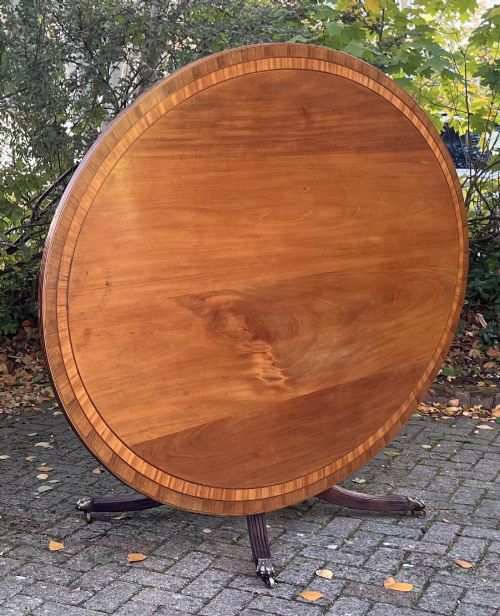
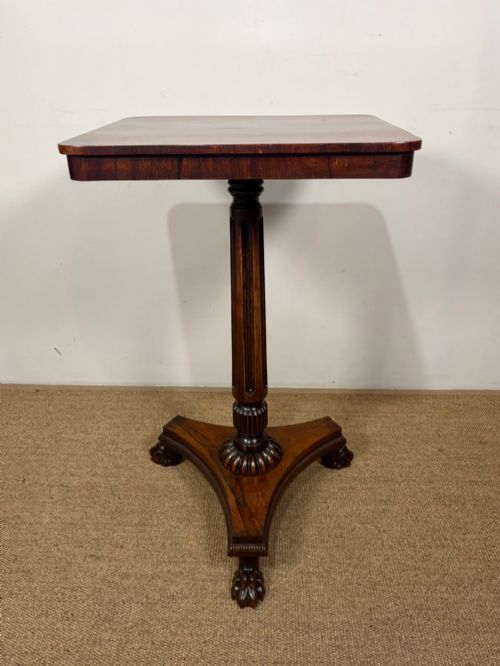
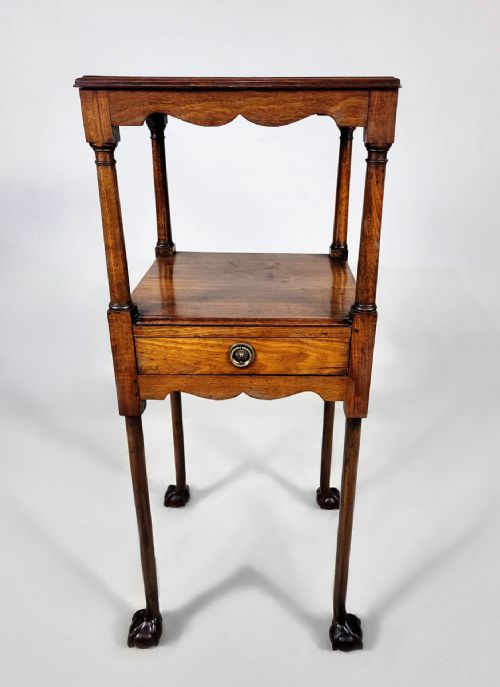
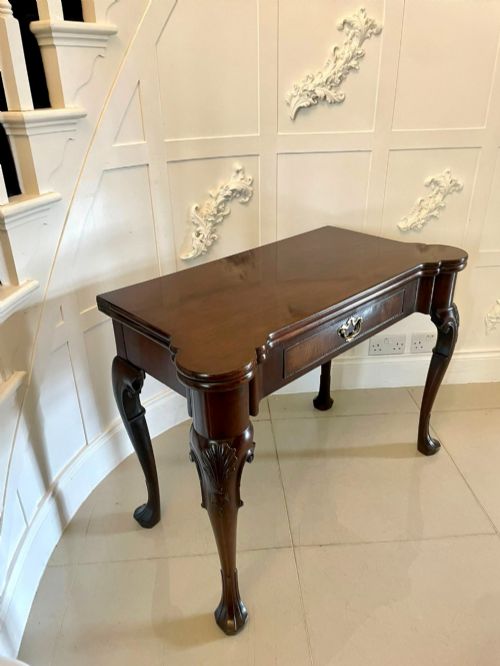
The versions you are most likely to meet on this page span the nineteenth century and the Edwardian era, taking forms such as small oval side tables, pedestal dining tables, lowboys, and console tables. Their origins reflect revivalist tastes including Regency Revival, Chippendale Revival, and Dutch Rococo.
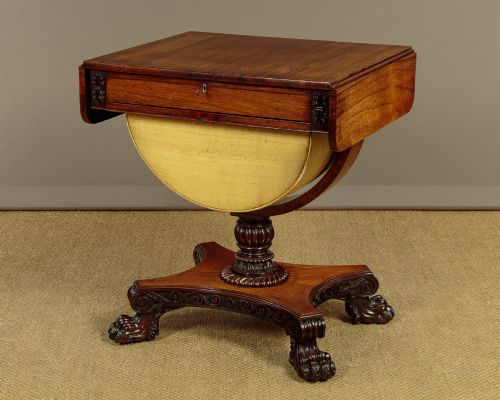
Makers utilised rich hardwoods and distinctive veneers to give these tables physical weight and visual depth. Whether configured as a drop flap table or a marble-topped centre table, the defining feature remains the sculptural foot.
How they were made
Joiners and cabinet makers constructed these tables using solid hardwoods like mahogany and oak, alongside decorative surfaces such as burr walnut and burr oak veneer. Timber selection determined both the structural integrity of the frame and the visual grain pattern of the top.
Carving the distinctive feet required skilled hand work, shaping solid timber into the form of animal paws. Additional materials like brass fittings and marble tops appeared on specific forms, such as centre tables and console tables.
Antique Claw Foot Table Retail Price Guide 2026
Typical asking prices for claw foot table among the pieces listed under this phrase on Sellingantiques today, from the lower quarter to the upper quarter. They describe what is for sale here now, not the wider market.
What varies in quality
The distinction between ordinary and exceptional examples lies in the depth and precision of the carved feet. Crisp anatomical definition in the woodwork separates finely executed pieces from simpler, more perfunctory turning.
Timber selection and veneer matching dictate the overall visual success of the top surface. Richly figured burr walnut and burr oak veneer require expert application to age gracefully and maintain their lustre over centuries.
The Antique Claw Foot Table Glossary
- Claw foot
- A carved furniture foot resembling an animal paw, often grasping a ball. This detail anchors the design of the base.
- Burr walnut
- Timber taken from a walnut tree growth, yielding complex, swirling grain patterns. Cabinet makers prized it for decorative veneering.
- Lowboy
- A small occasional table with drawers, typically raised on four legs. These pieces served functional roles in domestic interiors.
- Drop flap table
- A table with hinged leaves that fold down to save space. It offers flexible proportions for changing room layouts.
Antique Claw Foot Table: Frequently Asked Questions
What rooms suit an antique claw foot table?
Dining tables and console tables work naturally in reception rooms where their sculptural bases can be viewed from multiple angles. Smaller side tables and occasional tables fit comfortably beside seating in studies or living spaces.
Their robust timber construction allows them to handle daily use while adding period character to both traditional and eclectic interiors.
How do I care for timber surfaces?
Keep wooden tables away from direct heat sources and strong sunlight to prevent the timber and veneers from drying out. Regular dusting with a soft, dry cloth preserves the finish without building up heavy wax residues.
Treat marble inserts gently, wiping spills promptly to avoid staining the porous stone surface.
How do I distinguish revival styles?
Revival pieces borrow decorative vocabulary from earlier periods, such as Regency or Chippendale designs, while being manufactured later in the nineteenth or twentieth centuries. Examining the construction methods and timber ageing helps reveal the actual period of manufacture.
Stylistic cues like heavy pedestal bases or elaborate carving point directly to these retrospective design movements.