
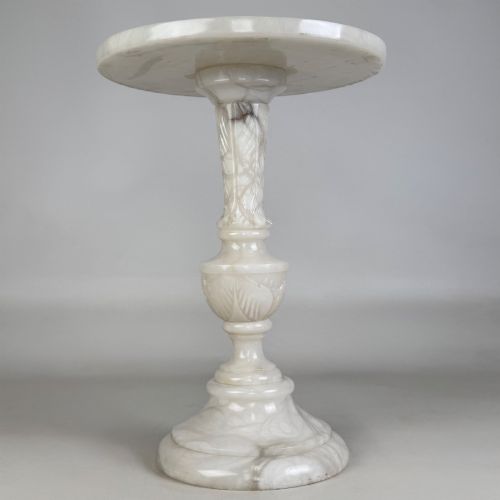
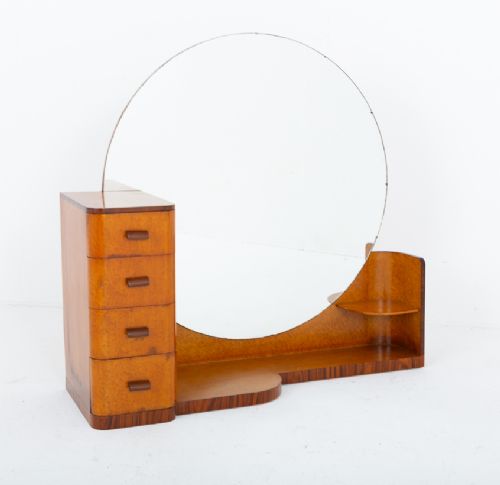
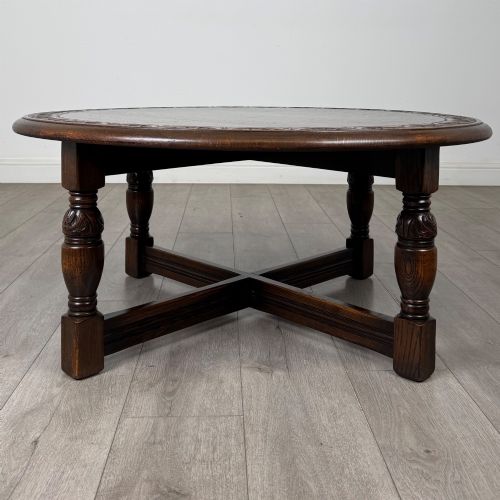
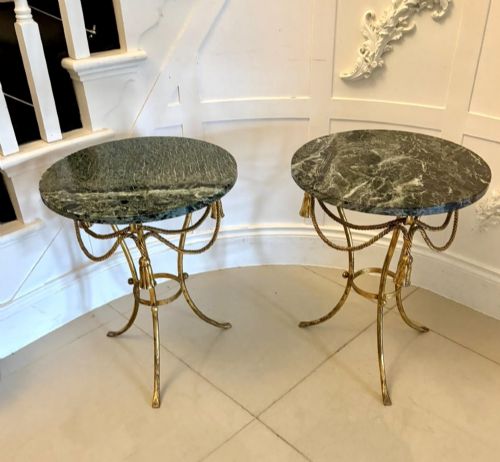

Vintage Circular Table
These vintage circular table designs offer compact utility and sculptural presence, bringing versatile timber surfaces into modern rooms.
Vintage Circular Table
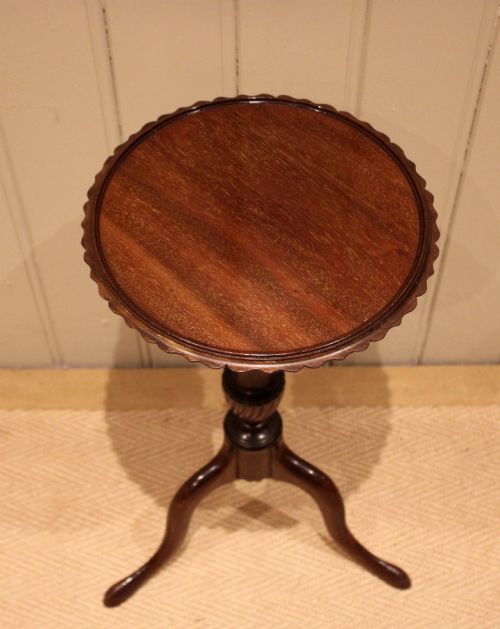
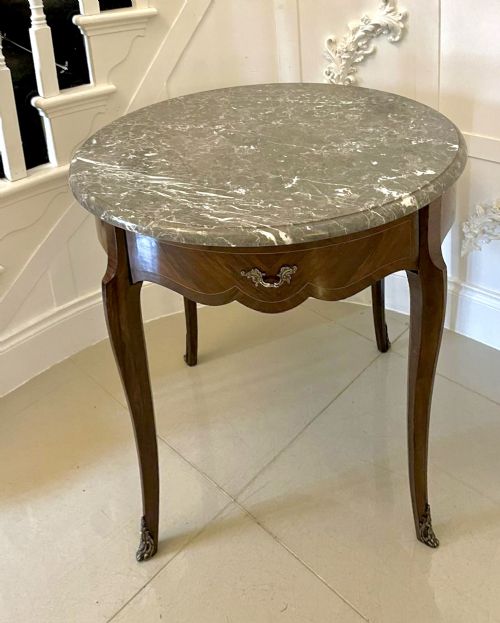
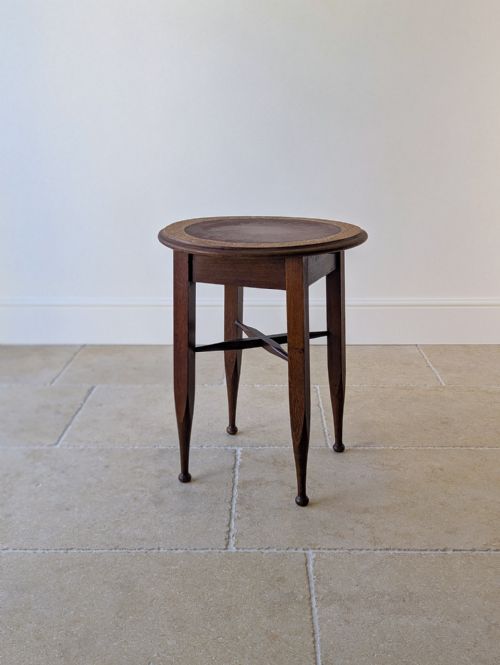
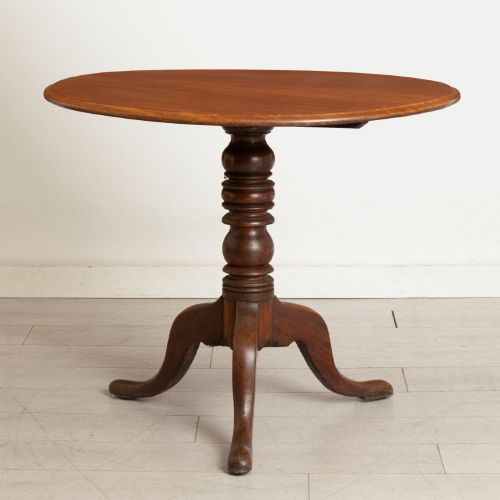
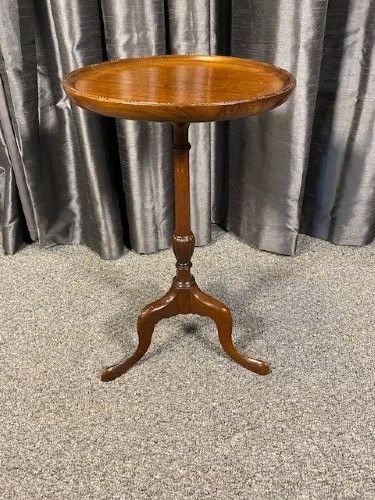
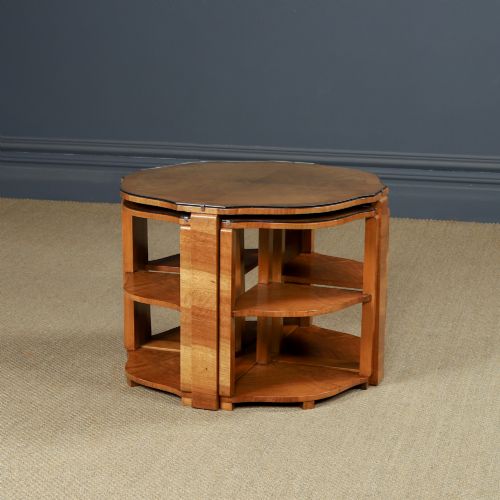
A vintage circular table serves various domestic functions, appearing as compact wine tables, occasional surfaces, coffee tables, and larger breakfast or centre pieces. When searching for a vintage circular table, buyers encounter examples spanning from the nineteenth century through the Art Deco era of the nineteen-thirties.
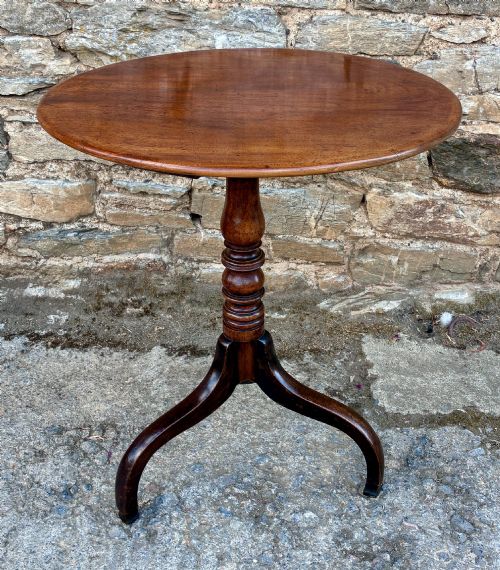
The material palette reflects traditional cabinetmaking, with mahogany, walnut, oak, and rosewood frequently appearing alongside brass, marble, and glass elements. Formats range from simple tripod bases and tilt-top mechanisms to tiered coffee tables and pedestal supports.
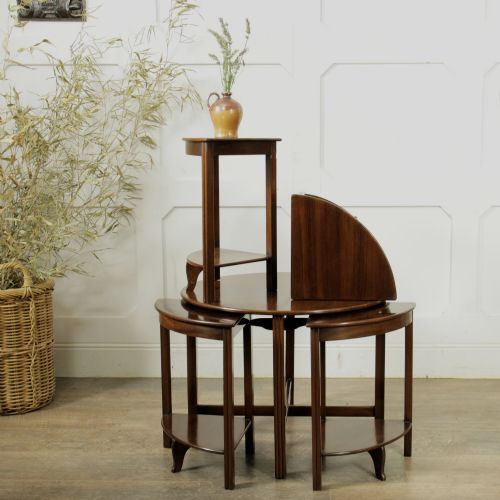
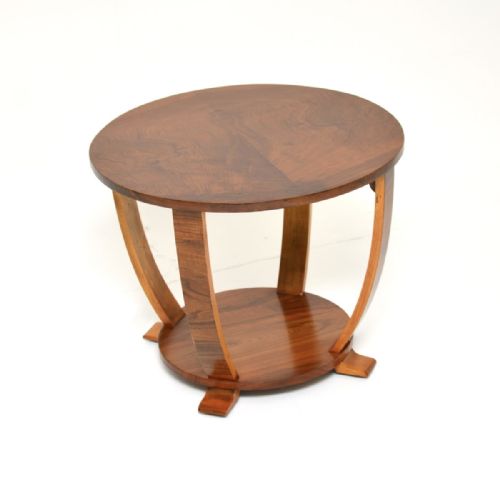
Design influences vary from plain vernacular oak pieces to formal Georgian and Regency styles, alongside inlaid Anglo-Indian examples and geometric Art Deco walnut designs. Smaller occasional tables and nests of tables dominate the selection, offering practical surfaces for daily use.
Materials and construction methods
Cabinetmakers utilised dense hardwoods such as mahogany, walnut, oak, and rosewood, often selecting figured and burr veneers to create decorative tabletop patterns. Solid timber frames support turned pedestals, tripod legs, and triform bases.
Specialist techniques include bone inlay, brass mounts, tilt-top mechanisms, and tiered joinery. Surface finishes rely on traditional polish and grain preparation to highlight the natural figure of the wood.
Evaluating construction and design quality
Quality rests upon the selection of timber figures, such as burr walnut or figured mahogany, and the precision of inlaid details like bone or brass work. Heavier pedestal bases and solid hardwood framing indicate superior structural integrity.
Refined turning on columns, stable tilt-top mechanisms, and intact original surface finishes distinguish finer workshop production from simpler utilitarian pieces.
The Vintage Circular Table Glossary
- Tripod table
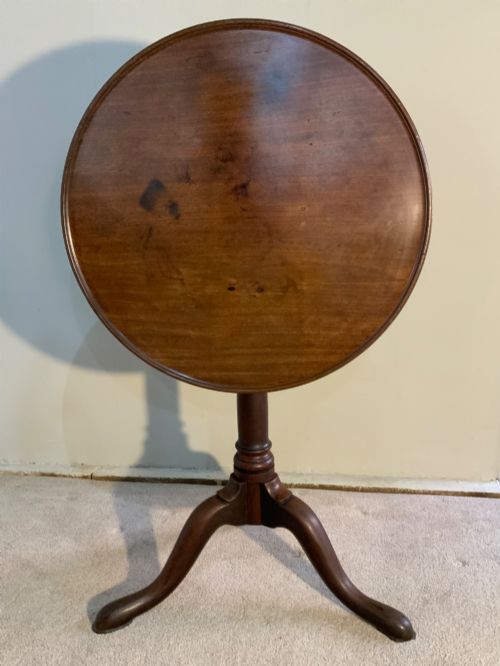
- A small freestanding table supported by three legs radiating from a central pillar. These pieces often feature tilt-top mechanisms for storage.
- Wine table
- A compact single-pillar table designed for holding a glass or bottle beside a seating area. They typically feature small circular tops.
- Tilt-top
- A hinged tabletop mechanism allowing the surface to fold vertical when not in use. This clever design saved valuable floor space in historical interiors.
- Drum table
- A large, circular library table with a deep frieze containing drawers, mounted on a central pillar. They derive their name from the cylindrical shape of the body.
- Burr walnut
- A prized timber veneer showing swirling, knotty grain patterns harvested from tree growths. Cabinetmakers applied this decorative wood to prominent tabletop surfaces.
Vintage Circular Table: Frequently Asked Questions
How do I style a vintage circular table?
Place a compact wine table beside a reading chair or utilise a larger mahogany centre table as a focal point in a hallway. Their round profiles soften linear room layouts and encourage natural movement around the furniture.
Keep surface styling simple with a single lamp or ceramic bowl to let the timber grain remain the visual focus.
What is a tilt-top table used for?
Historical tilt-top tables allowed households to fold the circular surface upward against a wall when not in use, preserving floor space in smaller rooms. The clever pivoting mechanism made them practical additions to period drawing rooms.
Today, the mechanism remains a functional feature that showcases the joinery beneath the tabletop.
How do I identify Art Deco circular tables?
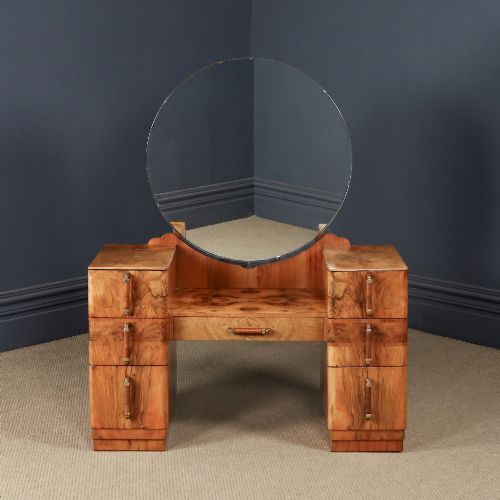
Art Deco pieces from the nineteen-thirties frequently feature figured and burr walnut veneers with geometric symmetry. Designers utilised stepped pedestals, two-tier formats, and chromium or glass accents.
These tables present cleaner, streamlined silhouettes compared to ornate Victorian or Edwardian precedents.
Where were tripod tables placed historically?
Tripod tables served as movable tea, work, or reading surfaces that servants could shift easily around domestic interiors. Their lightweight construction suited them to the flexible arrangements of Georgian and Victorian drawing rooms.
Modern interiors utilise these portable surfaces as versatile side tables next to sofas.