



Circular Oak Dining Table
A circular oak dining table brings people together around a shared centre, offering both robust utility and rich grain.
Circular Oak Dining Table
A circular oak dining table provides an inviting format for meals, encouraging conversation without the barrier of corners. These tables appear in various forms throughout the listings, including extending versions, tilt-top mechanisms, and gateleg designs.
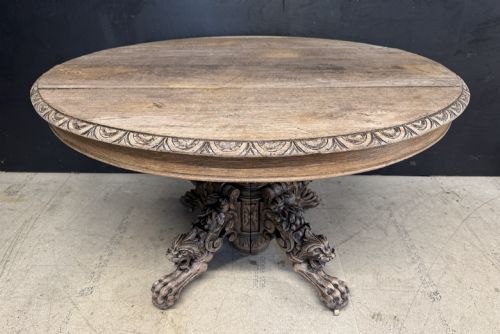
The pieces span multiple periods from the 18th century through to the 20th century, drawing on influences such as Victorian, Regency, and Arts and Crafts styles. Buyers frequently encounter French provincial folding tables alongside substantial English pedestal and refectory forms.
Makers and regional workshops utilised native and imported timbers, creating formats ranging from compact centre tables to large eight-foot dining surfaces. Selecting the right piece involves matching the scale and historical style to the room it will inhabit.
How They Were Made
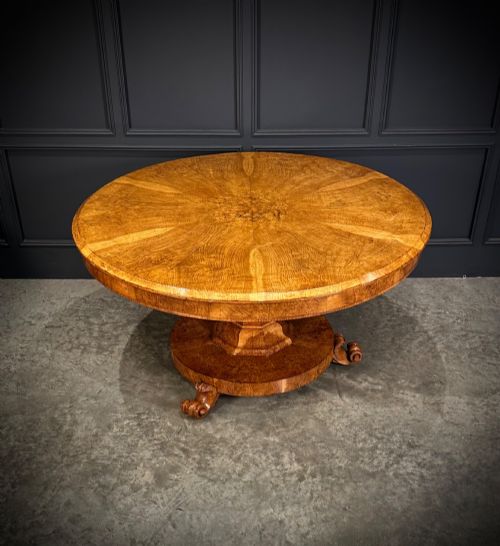
Carpenters constructed these tables using solid timber frames joined with traditional methods, often incorporating brass or iron hardware for folding and extending mechanisms. Oak forms the primary structural material, supplemented by decorative veneers such as pollard oak and burr oak on top surfaces.
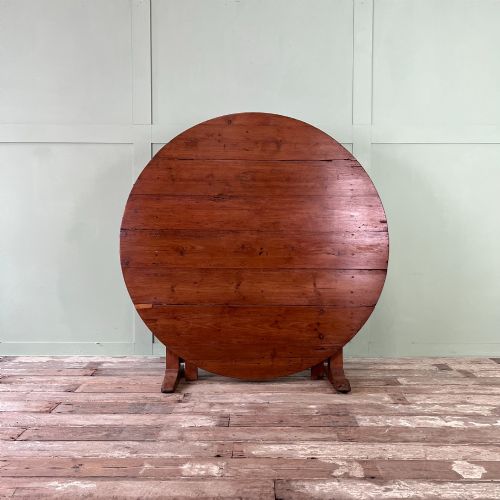
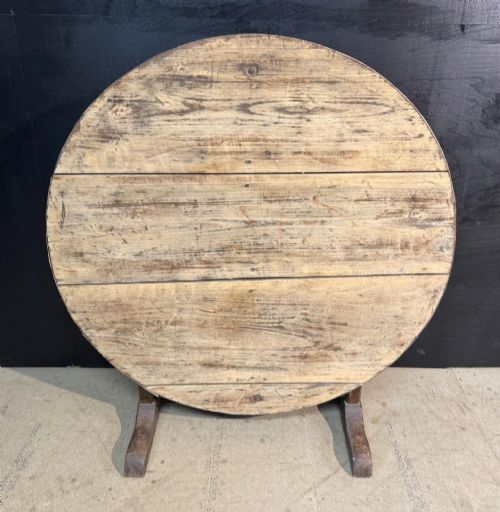
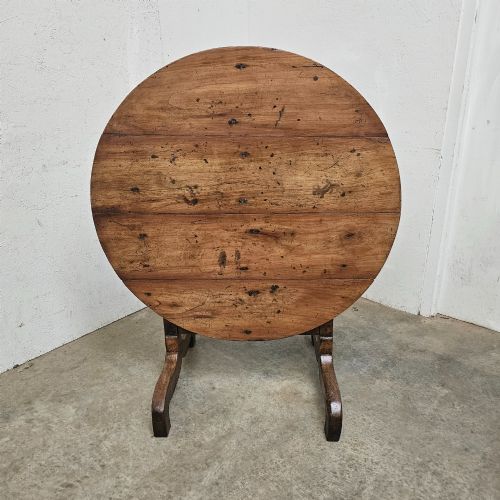
Alternative woods like cherry and fruitwood appear alongside the main oak framework, particularly in French provincial and vineyard pieces. Surfaces show the marks of hand-finishing, ranging from bleached oak treatments to mellow, polished patinas.
Some French tables spent their early working lives covered in grape juice during the autumn vendange harvest.
What Varies in Quality
The distinction between standard examples and finer pieces lies in the selection of timber and the ambition of the design. Elaborate figured grains, such as pollard or burr oak, elevate the visual impact of the top surface significantly.
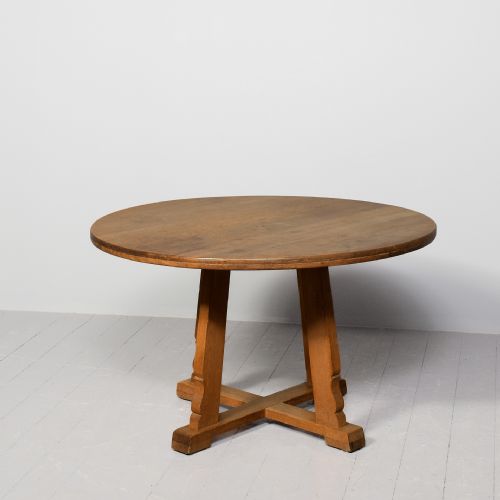
Construction complexity also dictates standing, with multi-part pedestals, cruciform bases, and smooth mechanical extension systems requiring precise joinery. The integrity of the original timber and the depth of the natural patina reflect the care a table received over centuries.
Heals of London·Sir Robert Stoddart Lorimer
The Circular Oak Dining Table Glossary
- Pollard oak
- A decorative timber taken from pollarded trees, showing dense clusters of small knots and rich figuring. This grain makes tabletops visually striking.
- Tilt-top
- A mechanism allowing the tabletop to pivot into a vertical position for storage against a wall. It is common on pedestal and occasional tables.
- Gateleg
- A table with hinged flaps supported by swing-out legs. This design allows the surface area to expand or contract according to space needs.
- Centre table
- A freestanding piece designed to be viewed from all sides rather than pushed against a wall. These often feature central pedestals or cruciform bases.
- Vendange table
- A French provincial folding table traditionally used during the grape harvest. They combine oak framing with fruitwood or cherry tops.
Circular Oak Dining Table: Frequently Asked Questions
How do I seat guests comfortably around a round table?
A circular surface allows everyone to face each other equally without the hierarchy imposed by rectangular ends. Ensure you measure the diameter carefully against your room dimensions to leave adequate clearance for chairs.
Pedestal bases offer an advantage here, as they eliminate obstructive corner legs and provide greater freedom for legroom. Consider the seating capacity in relation to the overall width of the top before purchasing.
Can I use an antique oak table every day?
Solid oak forms a durable, resilient surface that withstands daily meals and family life quite well. Regular maintenance with appropriate wax helps protect the polished patina from moisture and heat rings.
Using placemats and coasters preserves the historical finish while letting you enjoy the character of the wood. The natural grain hides minor wear gracefully over generations of use.
What is the difference between an 18th-century and a Victorian oak table?
Eighteenth-century examples often employ gateleg or tripod designs with simpler, hand-hewn timbers and pegged joints. They tend to possess a darker, deeply oxidized patina developed over centuries.
Victorian pieces frequently incorporate more complex mechanical extensions, heavier pedestal supports, and distinct revival styles. The timber treatment and hardware construction usually signal the transition between these historical eras.