





Scottish Arts and Crafts
Scottish arts and crafts pieces encompass distinctive regional furniture, metalwork and decorative objects rooted in local vernacular traditions and Glasgow School design.
Scottish Arts and Crafts
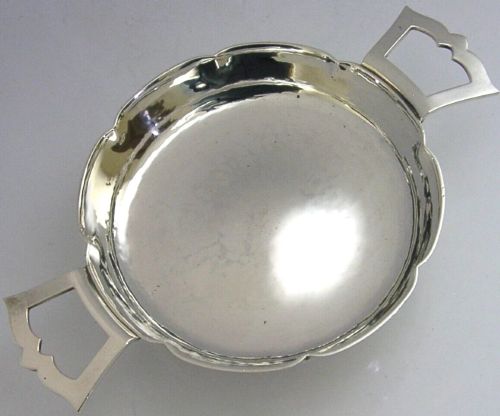
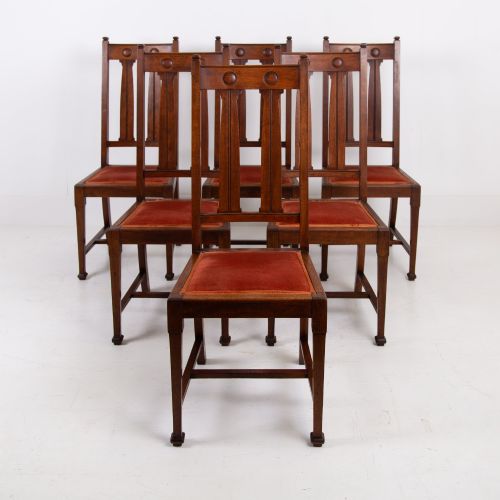
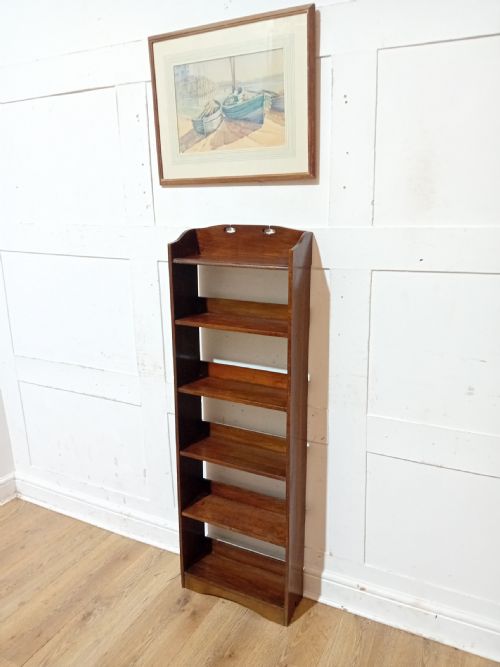
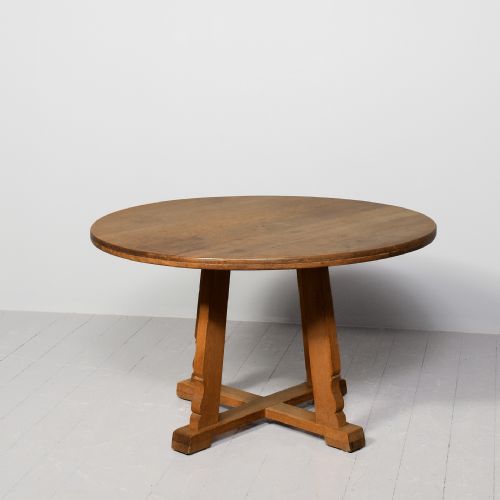
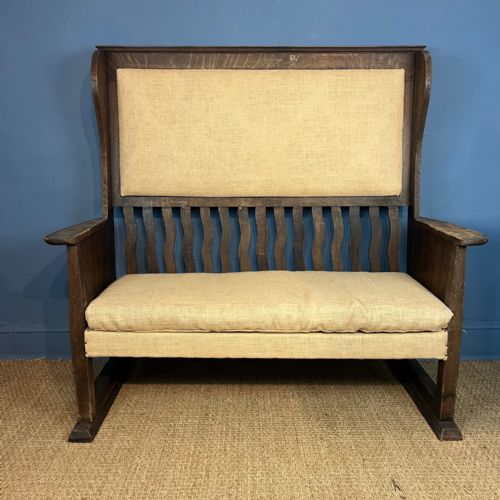
Scottish arts and crafts objects span domestic furniture, lighting and silverware originating from the late nineteenth century through to the mid-twentieth century. Buyers frequently encounter sturdy oak seating, vernacular chairs incorporating straw or rush, and beaten metalwork including brass wall mirrors and silver quaichs.
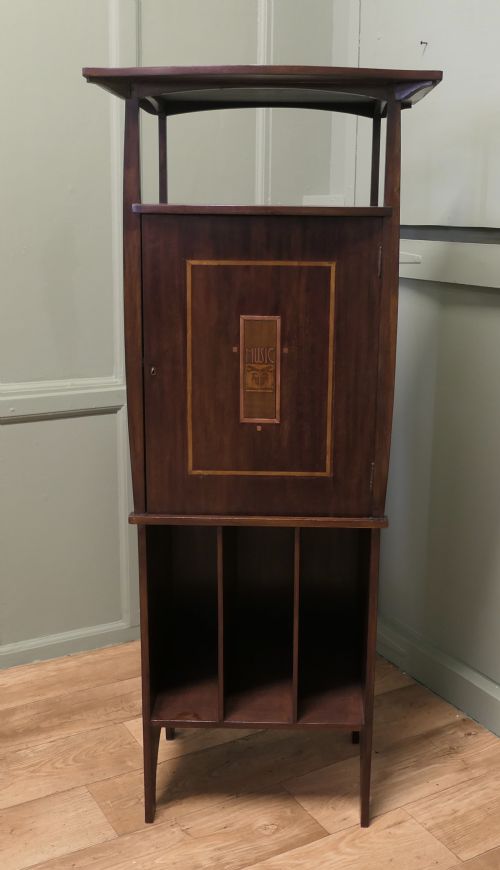
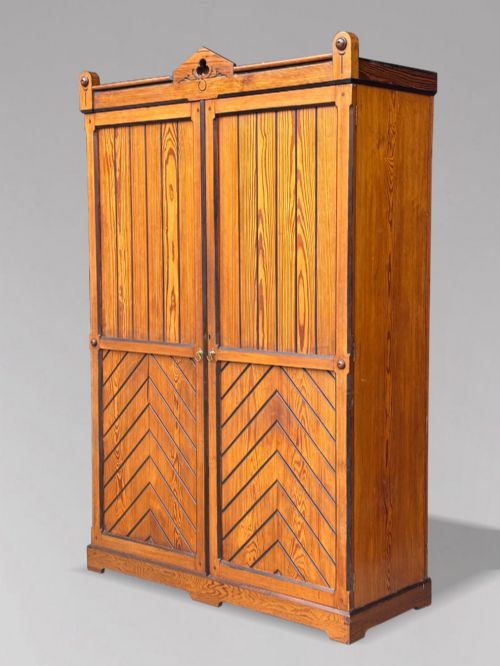
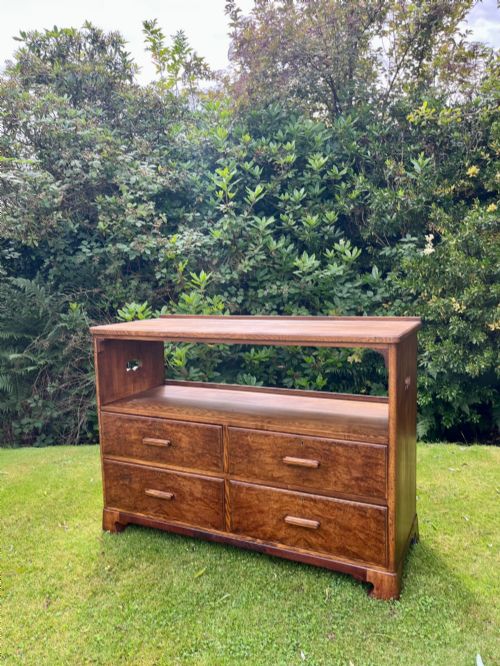
The regional aesthetic draws heavily on the Glasgow School and traditional Scottish vernacular forms, producing clean structural lines alongside rustic textures. Cabinetry ranges from simple pine and elm storage pieces to architectural wardrobes and music cabinets designed by prominent Edinburgh and Glasgow makers.
Materials and Construction
Makers utilised native timbers such as oak, elm, beech and pine, often finished plainly to highlight the natural grain of the wood. Vernacular seating relied on traditional techniques using straw, rush and leather alongside sturdy timber frames.
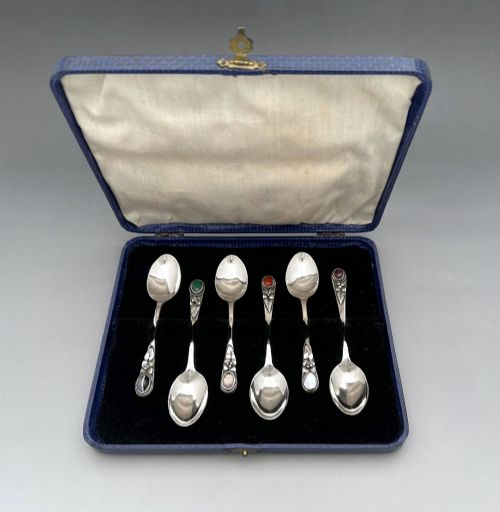
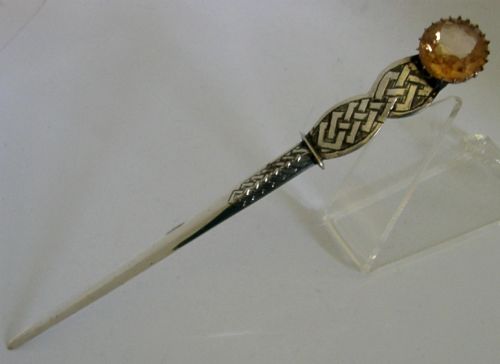
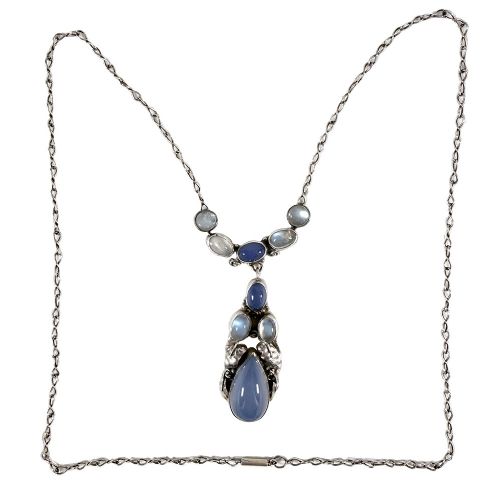
Metalwork pieces display hand-beaten surfaces in sterling silver, brass and copper, frequently embellished with planishing marks or set with semi-precious stones like citrines and moonstones. Construction methods prioritised visible craftsmanship, hand-cut joinery and durable structural integrity.
Scottish Arts and Crafts Retail Price Guide 2026
Typical asking prices for scottish arts and crafts among the pieces listed under this phrase on Sellingantiques today, from the lower quarter to the upper quarter. They describe what is for sale here now, not the wider market.
Listings feature oak, brass, and sterling silver across forms ranging from armchairs and wardrobes to wall mirrors and silver quaichs.
Judging Quality and Origin
Quality separates unsigned vernacular work from documented pieces produced by leading commercial firms and individual designers. The handling of materials, particularly the depth of hand-hammering on silver and brass or the refinement of joinery in oak furniture, indicates the level of workshop competence.
Attribution to specific design circles or documented makers elevates a piece, as does the retention of original finish and undisturbed patination on both wood and metal surfaces.
Wylie Lochhead·Whytock and Reid·Wheelers of Arncroach·Sir Robert Lorimer·E A Taylor·Mary Thew·GM Elwood·JS Henry·John Taylor of Edinburgh·Thomas Hadden
The Scottish Arts and Crafts Glossary
- Quaich
- A traditional Scottish drinking vessel featuring two or three lugged handles, frequently executed in sterling silver or pewter during the period.
- Orkney Chair
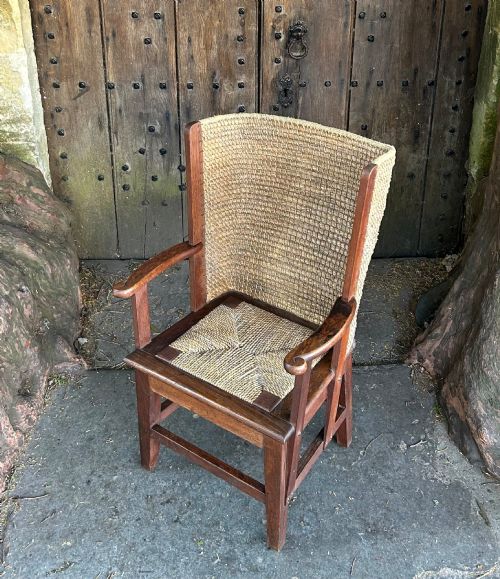
- A distinct regional seating form characterised by a high straw-work back woven onto a wooden frame, often with a low wooden seat.
- Planishing
- A metalworking technique involving light hammering with a polished hammer to smooth the surface and leave a textured finish.
- Glasgow School
- An influential circle of artists and designers active in Glasgow who developed a distinct linear and symbolic style within the movement.
Scottish Arts and Crafts: Frequently Asked Questions
What defines a genuine Orkney chair?
Authentic Orkney chairs feature a traditional oat straw back tightly woven onto a solid timber frame, usually constructed from oak or beech. They reflect the harsh northern climate by offering protection from drafts through their high hooded or flat-topped straw backs.
Older examples often display pegged wooden joinery and subtle variations in the weaving pattern depending on the local maker. The base typically uses native wood, accommodating a low wooden seat beneath the textured straw surround.
How do I identify Glasgow School metalwork?
Glasgow School metalwork in brass, copper or silver is distinguished by distinctive stylised motifs such as peacocks, Glasgow roses and elongated plant forms. The surfaces generally show hand-beaten planishing marks rather than smooth industrial finishes.
Many pieces incorporate cabochon-cut semi-precious stones, including moonstones and citrines, riveted directly into the metal frame. Form follows function closely, with clean structural outlines balancing the decorative hammered details.
Where were Whytock and Reid pieces made?
Whytock and Reid operated as prominent cabinet makers based in Edinburgh, producing high-quality domestic furniture throughout the twentieth century. Their output frequently reinterpreted traditional forms with refined proportions and understated arts and crafts sensibilities.
Pieces bearing their stamp or attribution often utilise timbers like elm and mahogany, paired with expert joinery and quiet decorative restraint. They worked closely with notable architects of the period to furnish substantial Scottish homes.
Are silver quaichs typical of this period?
Silver quaichs represent a continuation of an ancient Scottish drinking vessel form adapted by modern silversmiths working within the movement. They feature characteristic shallow bowls with flat projecting handles known as lugs.
Twentieth-century examples often display hand-hammered surfaces and hallmarks from Edinburgh or Glasgow assay offices. Makers used them both as presentation pieces and domestic tableware, maintaining a direct link to regional heritage.