


1910 Oak Chairs
These 1910 oak chairs combine Edwardian utility with regional craftsmanship, offering sturdy construction and enduring style for daily seating.
1910 Oak Chairs
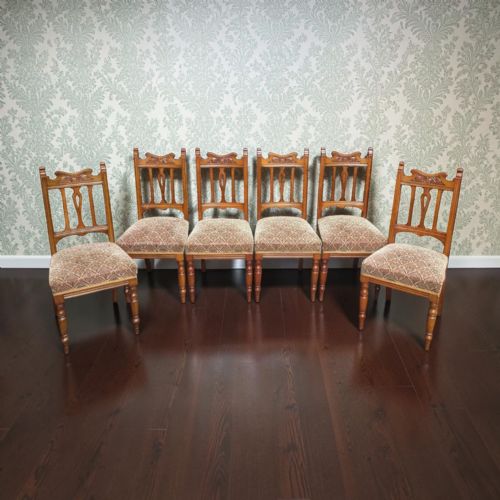
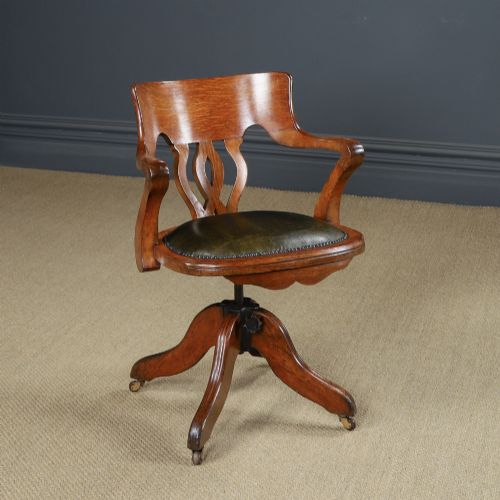
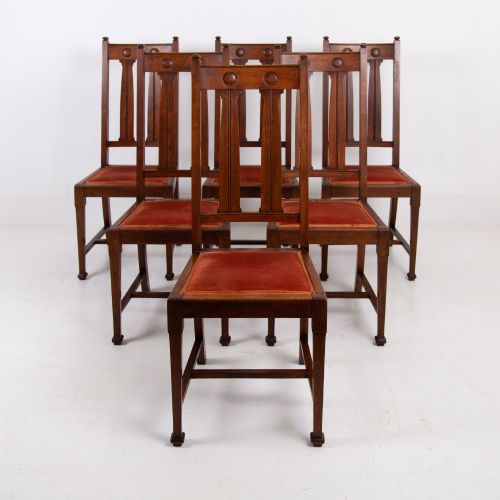
When you search for 1910 oak chairs, you encounter a varied selection of domestic and office seating produced around the Edwardian era. The pieces divide principally into functional desk chairs for the study and sets of dining chairs intended for the home.
Desk and office variants frequently incorporate swivels, adjustable height mechanisms, and leather upholstery. Dining versions appear in substantial sets, spanning simple ladder-backs with rush seats to heavy Arts and Crafts and revival styles.
Origins range from English country workshops to Scottish makers and French provincial interpretations. This diversity ensures that the category serves both workspace utility and formal dining requirements.
Materials and construction methods
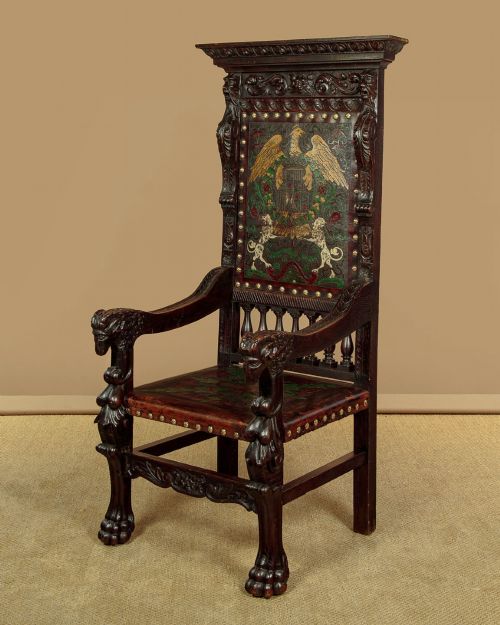
Cabinetmakers of this period relied primarily on solid oak, selected for its density and pronounced grain. Elements such as barley twists, carved panels, and supportive stretcher rails demonstrate traditional woodworking techniques.
Upholstered components utilise natural leather, fabric, velvet, and woven rush for seating pads. Iron and brass hardware frequently support the mechanical functions of swivel desk chairs and adjustable armchairs.
Listings feature periods spanning Edwardian and 1910 alongside materials including oak, leather, iron, brass, velvet, fabric, and rush.
Distinctions in craftsmanship
Quality in these chairs rests on the integrity of the timber selection and the precision of the joinery. Well-executed carving and substantial gauge oak separate standard domestic production from distinguished maker-marked pieces.
The preservation of original upholstery materials, working swivel mechanisms, and matching sets significantly influences the standing of individual seating items within the broader market.
Wheelers of Arncroach·Heals
The 1910 Oak Chairs Glossary
- Arts and Crafts
- A design movement prioritising traditional craftsmanship, visible construction, and honest materials. It rejected mass-produced ornamentation in favour of utility and simple form.
- Edwardian
- Pertaining to the reign of King Edward VII, spanning the early years of the twentieth century. Furniture from this era often reinterpreted earlier historical styles with lighter proportions.
- Bergere
- An enclosed upholstered armchair featuring woven cane or wicker panels to the back and sides. This French-inspired form gained popularity in conservatory and drawing room settings.
- Ladder Back
- A chair style featuring horizontal slats or rails across the backrest resembling the steps of a ladder. These frames frequently incorporate rush or woven seats.
- Jacobean Revival
- A style emulating seventeenth-century English furniture characteristics. Pieces typically display heavy turned legs, geometric moulding, and sombre carved ornamentation.
1910 Oak Chairs: Frequently Asked Questions
How do I identify a genuine 1910 desk chair?
Authentic desk chairs from this period typically feature heavy oak frames combined with iron or brass swivel and height-adjustment mechanisms. Look for traditional joinery and patination appropriate to the early twentieth century.
Desk variants often include leather pads secured with decorative brass tacks, alongside supportive horseshoe-shaped armrests designed for prolonged office use.
Were these dining chairs made in large sets?
Makers produced dining seating in quantities ranging from single pairs up to substantial sets of ten or twelve. Matched larger groupings often included dedicated carver armchairs for the heads of the table.
Finding complete larger sets remains less common than smaller four or six-piece groupings, reflecting the domestic scale of Edwardian dining rooms.
What is the difference between Arts and Crafts and revival styles?
Arts and Crafts chairs emphasise honest construction, exposed tenons, and straightforward grain patterns without excessive ornamentation. They focus on structural clarity and functional utility.
Revival styles draw inspiration from seventeenth-century motifs, incorporating heavy turning, deep panel carving, and historical forms that evoke earlier centuries.
How should I care for antique oak and leather?
Maintain timber surfaces by applying quality natural wax sparingly to nourish the grain and protect against excessive dryness. Avoid placing furniture in direct sunlight or near heat sources.
Treat leather upholstery with specialised conditioners to preserve flexibility, and clean rush seats gently with a soft brush to prevent fibre breakage.