



Antique Scottish Furniture
Antique scottish furniture brings together robust timber forms and distinct regional cabinet-making traditions, offering practical storage and seating for traditional interiors.
Antique Scottish Furniture
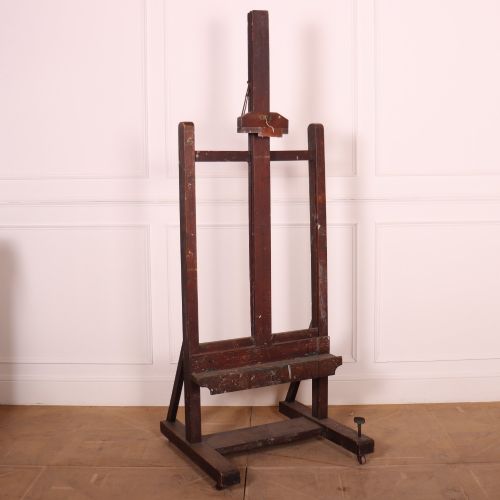
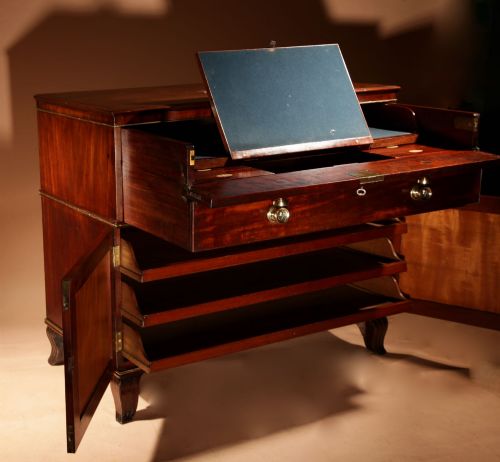
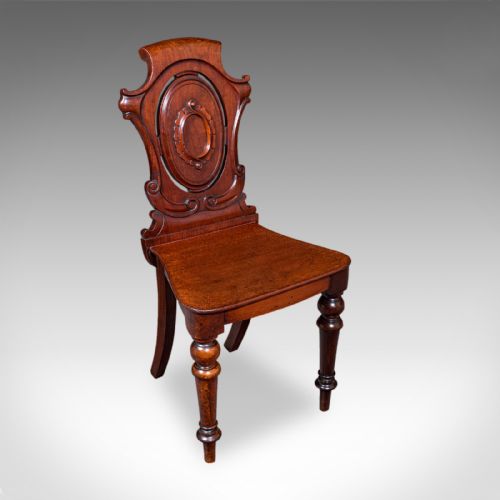
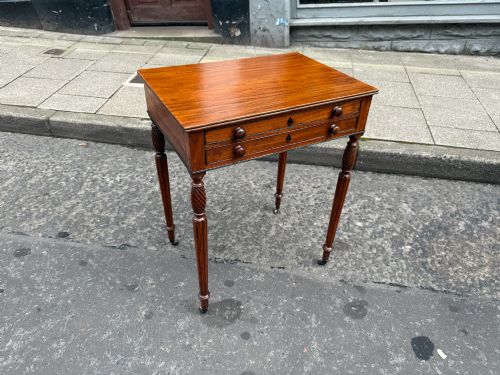
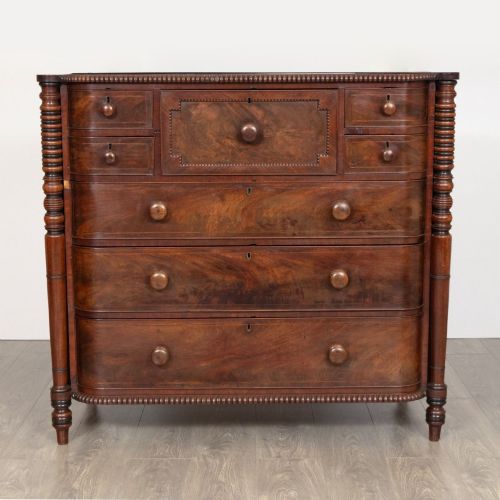
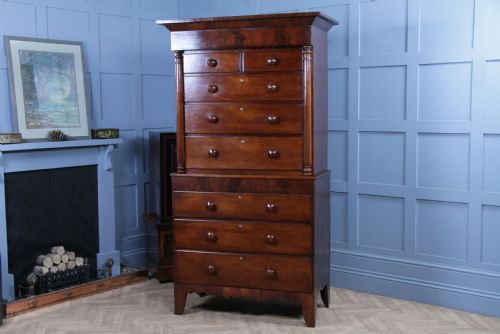
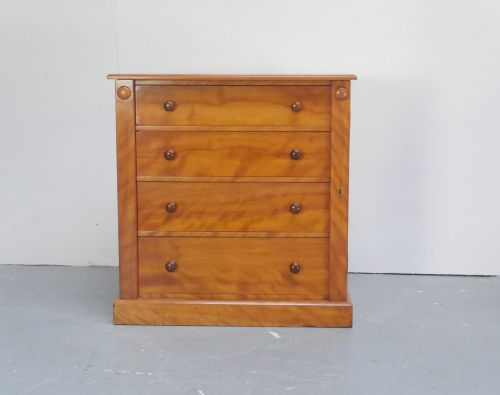
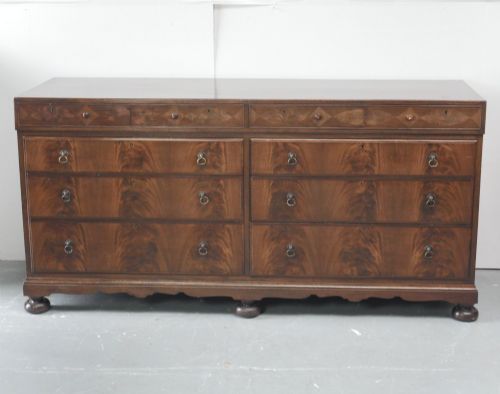
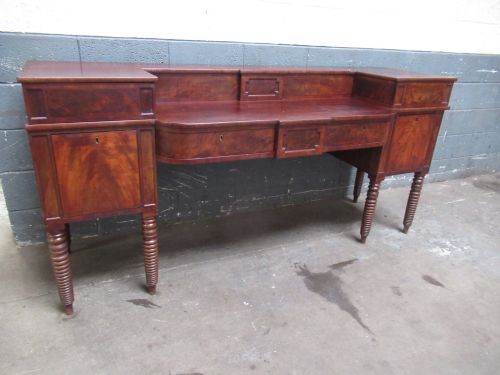
Antique scottish furniture encompasses a wide variety of domestic objects, ranging from substantial chests of drawers and sideboards to smaller occasional tables and chairs. Pieces originating from Scotland often display distinct regional characteristics, such as the deep drawers of Scotch chests or the specific proportions found in local Georgian and Regency designs.
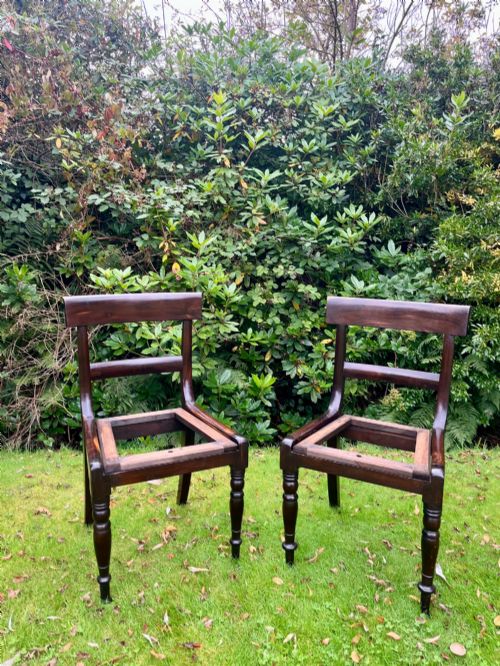
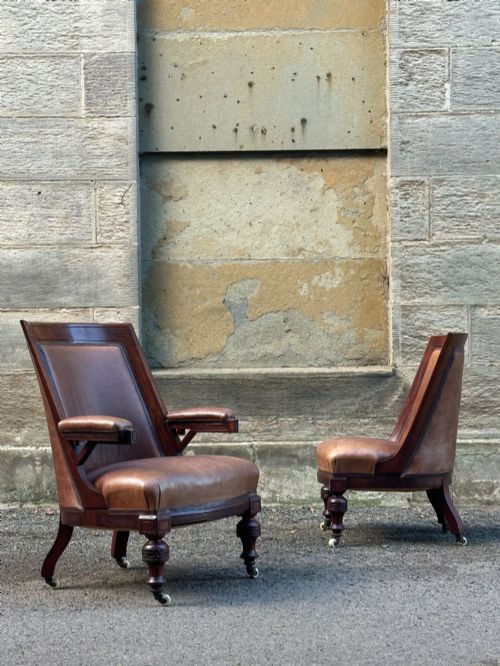
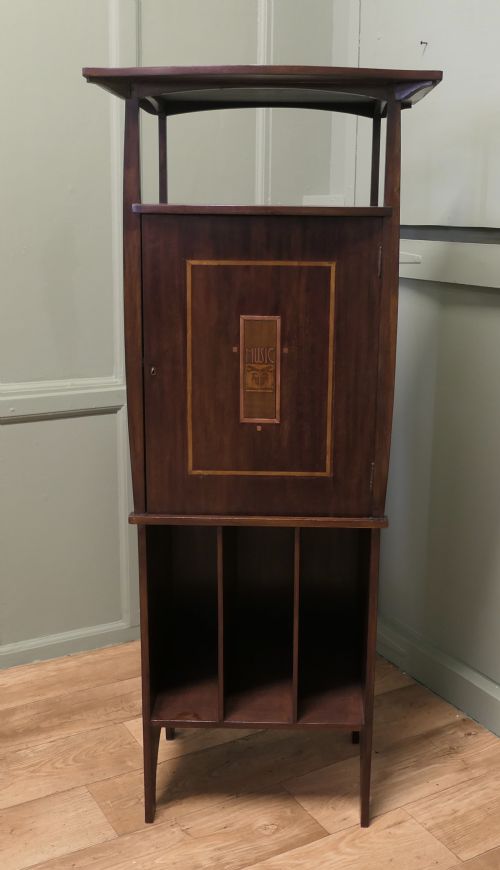
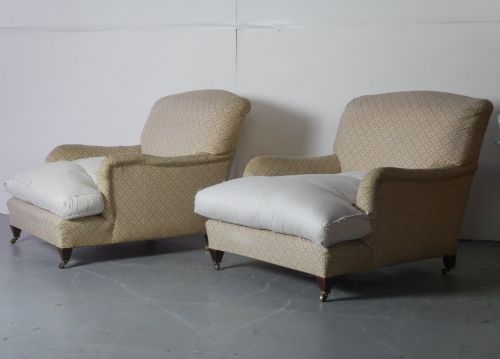
Buyers seeking these items will frequently encounter seating, storage and dining pieces spanning the nineteenth and early twentieth centuries. The selection includes farmhouse potboard dresser bases, music cabinets, and refined work tables executed in native and imported timbers.
Regional workshops also produced specialised items like apprentice pieces, miniature chests, and campaign furniture alongside large bookcases and pedestal desks. These domestic and institutional pieces reflect the varied social and domestic demands of Scottish households across multiple design periods.

Judging Quality
Quality in these items rests on the selection of timber, the crispness of carved details, and the integrity of the original construction. Superior examples display carefully matched grain patterns, particularly on flame mahogany surfaces, and stable carcases that retain their original proportions and internal drawer configurations.
The distinction between standard domestic output and exceptional workshop production lies in the refinement of secondary timbers, the quality of brass mounts, and the sophistication of regional design idioms. Pieces bearing documented maker attributions command particular attention for their superior execution and material selection.
Antique Scottish Furniture Retail Price Guide 2026
Typical asking prices for scottish furniture among the pieces listed under this phrase on Sellingantiques today, from the lower quarter to the upper quarter. They describe what is for sale here now, not the wider market.
A burr walnut revolving bookstand lets a reader spin an entire library while sitting comfortably in an armchair.
Whytock & Reid·GM Elwood for JS Henry·James Mein of Kelso·Wylie & Lochead·Morison and Co·F.H. Marshall & Co
The Antique Scottish Furniture Glossary
- Scotch chest
- A substantial chest of drawers characterised by a deep secret top drawer above standard graduated drawers, frequently veneered in flame mahogany.
- Potboard dresser base
- A heavy farmhouse serving base featuring an open lower shelf used historically for storing pots and kitchen utensils.
- Apprentice piece
- A smaller scale furniture item created by a trainee cabinet-maker to demonstrate proficiency in advanced joinery techniques.
- Campaign armchair
- A folding portable seat designed for travel, combining timber frames with hinged mechanisms and durable upholstery.
- Stage-back sideboard
- A large dining room serving table featuring a raised rear superstructure or tier for displaying plate and silverware.
Antique Scottish Furniture: Frequently Asked Questions
What is a Scotch chest?
A Scotch chest is a traditional form of drawer storage distinguished by a deep top drawer, which often lacks exterior handles, sitting above several graduated lower drawers.
Cabinet-makers frequently decorated the exterior with highly figured flame mahogany veneers, making the grain pattern a central decorative element of the piece.
How do I identify Scottish Georgian pieces?
Scottish Georgian furniture shares the classical proportions of English designs from the same era but often utilises native timbers like solid birch alongside imported mahogany.
Look for regional construction traits, such as specific drawer lining materials and local interpretations of bracket feet or carved splats.
Where were these pieces used?
These items served various domestic and institutional functions, ranging from the formal dining rooms of Edinburgh townhouses to rural farmhouse kitchens and estate offices.
Larger sideboards and dining chairs equipped grand reception spaces, while smaller work tables and music cabinets suited intimate withdrawing rooms.
How should I care for antique timber?
Maintain antique wood by placing pieces away from direct heat sources and sudden temperature fluctuations that can cause timber to split or veneers to lift.
Apply traditional wax polish sparingly and buff with a soft cloth to preserve the natural lustre of the polished surface without building up excessive residue.