

Brown Oak Side Chairs
Brown oak side chairs bring warmth and heavy grain to a room, offering sturdy seats shaped by centuries of English and Irish joinery.
Brown Oak Side Chairs
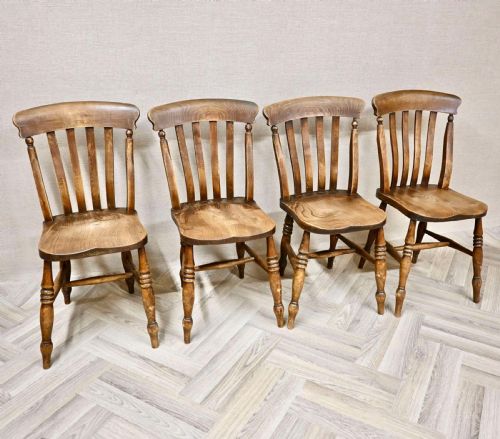
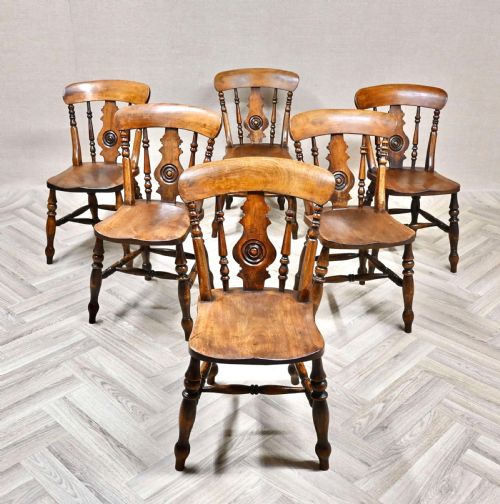
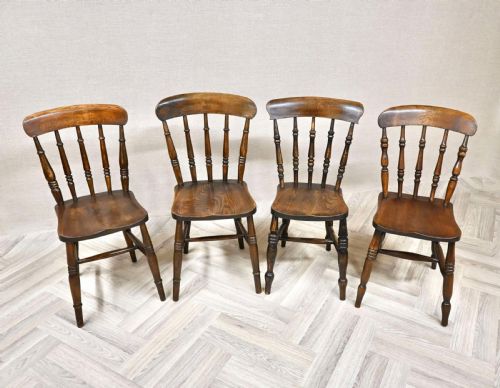
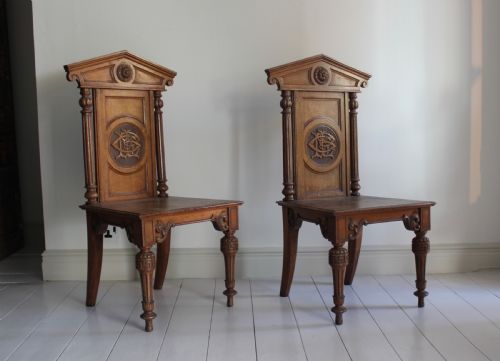
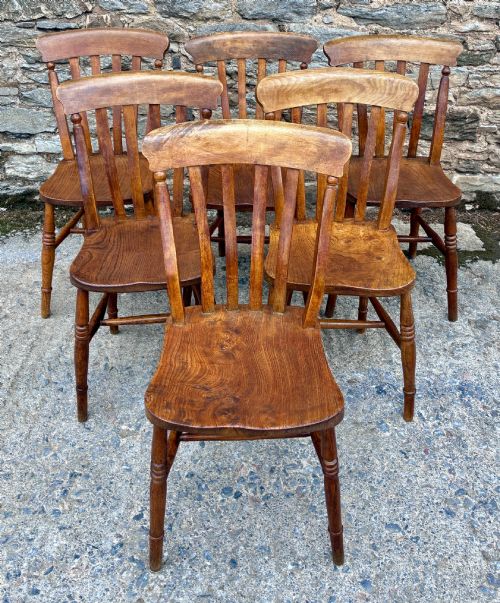
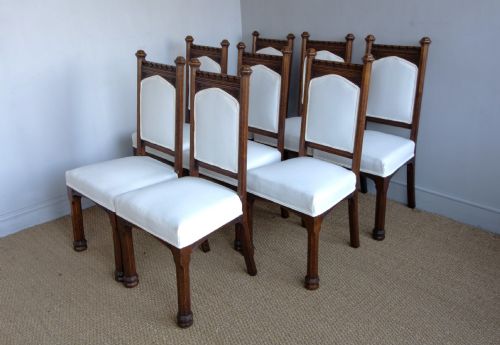
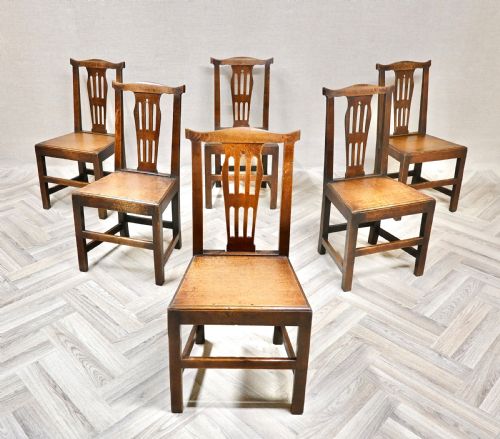
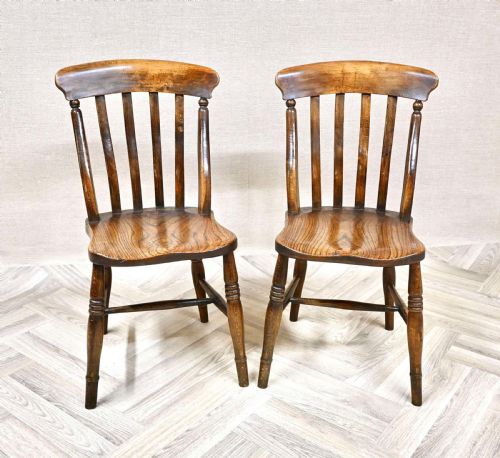
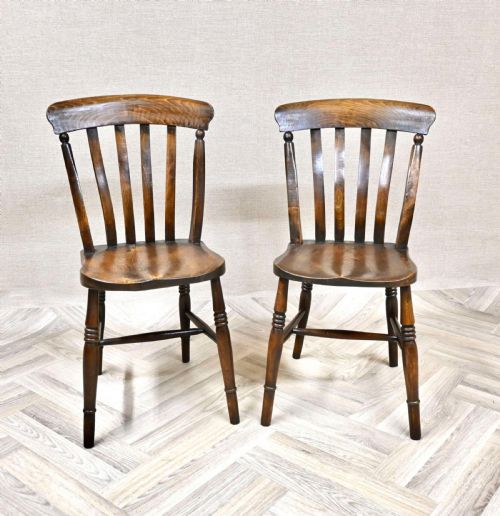
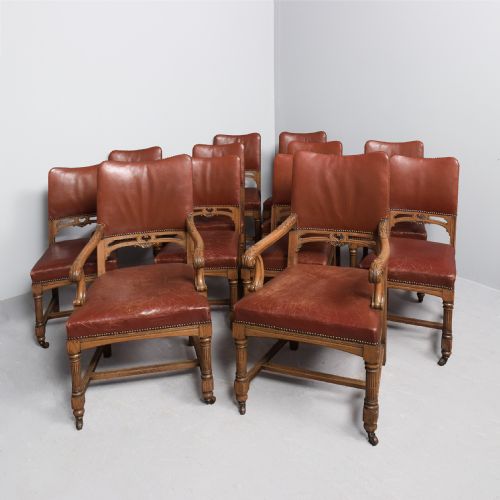
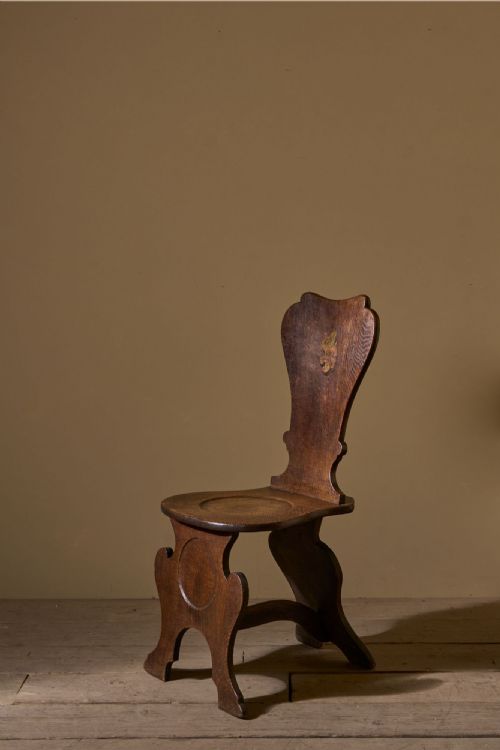
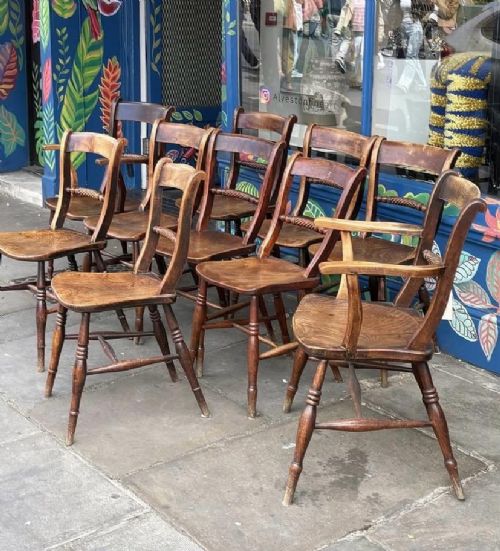
Brown oak side chairs comprise dining seats, hall chairs, and occasional forms shaped from rich, dark timber across the seventeenth, eighteenth, and nineteenth centuries. Buyers searching for brown oak side chairs encounter vernacular country kitchen designs, Gothic Revival styles, and formal Georgian or Victorian iterations.
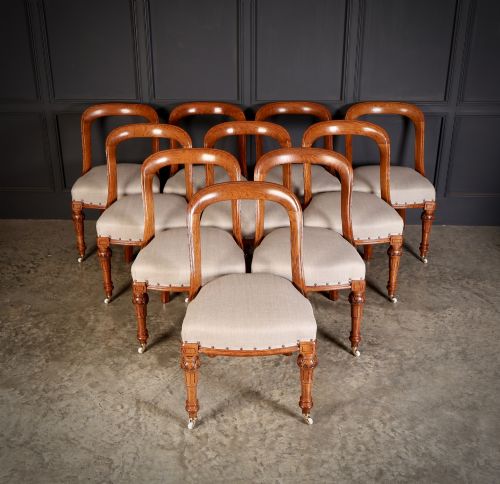
The selection ranges from single pairs of bobbin-turned or shield-back hall chairs to matched sets of six or ten dining seats. Many examples hail from English and Irish workshops, showing the heavy influence of regional Windsor traditions and Jacobean revivals.
How they were made
Carpenters shaped brown oak side chairs using solid timber frames braced with elm, beech, or ash components. Joinery relied on traditional mortise and tenon joints, bobbin turnings, and barley twists to build robust support.
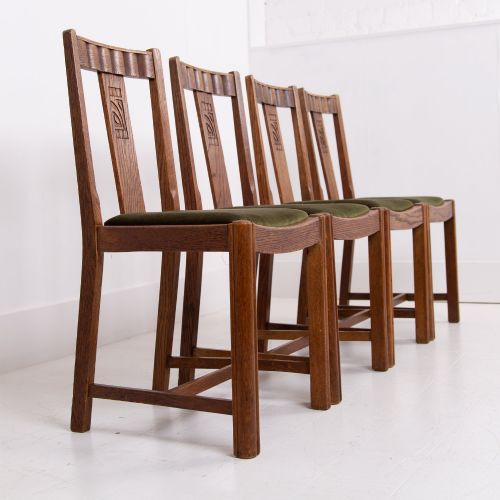
Seats incorporated solid wooden boards, woven rush, or upholstered pads finished in leather and fabric. Brass tacks and painted highlights occasionally secured these coverings to the wooden framework.
Brown Oak Side Chairs Retail Price Guide 2026
Typical asking prices for brown oak side chairs among the pieces listed under this phrase on Sellingantiques today, from the lower quarter to the upper quarter. They describe what is for sale here now, not the wider market.
One historic chair bears a direct marking from St Paul's Cathedral in London.
What varies in quality
Quality rests in the depth of the timber's grain and the integrity of the original framing. Chairs with tight, uncompromised joinery and matched sets sharing uniform patination stand above pieced-together harlequin groupings.
Carved details, such as trefoil motifs or high relief panels, demonstrate the hand of a skilled maker. Lesser examples show mismatched repairs or replacement stretchers that alter the original proportions.
Strahan
The Brown Oak Side Chairs Glossary
- Bobbin turning
- A form of lathe-work featuring a series of rounded, spool-like shapes carved along the length of a chair leg or stretcher. This technique was popular in seventeenth-century furniture and revived during the Victorian era.
- Gothic Revival
- An architectural and decorative style drawing inspiration from medieval forms, incorporating pointed arches, trefoils, and heavy carved panels. It appeared frequently in nineteenth-century dining and hall chairs.
- Windsor chair
- A seat constructed with a solid wooden saddle-shaped seat into which the legs and back spindles are wedged directly. Country variants often utilise elm or ash alongside oak.
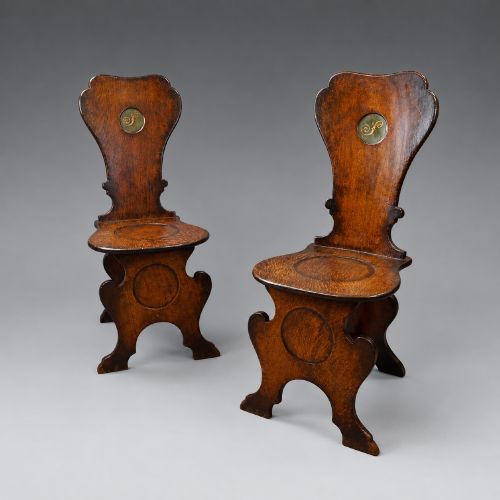
- Sgabello
- A Renaissance-form hall chair featuring solid vertical slab supports instead of traditional legs. These chairs were intended for occasional use in grand hallways.
Brown Oak Side Chairs: Frequently Asked Questions
What is brown oak?
Brown oak is not a separate species of tree, but rather ordinary English oak that has been infected by a specific fungus. This natural process turns the heartwood a rich, dark coffee colour while keeping the structural strength intact.
Cabinet makers prize this timber for its deep, variegated tones and distinct grain patterns. Pieces fashioned from it possess a visual weight that stands apart from standard pale oak furniture.
How do I date a chair?
Dating relies on observing construction methods, tool marks, and stylistic clues. Seventeenth-century examples show heavy pegged joinery and bobbin turnings, whereas Victorian pieces often utilise factory-assisted lathe work and Gothic Revival ornamentation.
Examining the underside of the seat reveals how the legs were secured. Hand-cut peg holes point towards earlier vernacular production.
Were these used for dining?
Many brown oak side chairs served as formal dining seats around large tables in country houses and rectories. Sets ranging from four up to twelve pieces catered to large Victorian and Georgian households.
Other variants, such as hall chairs and gossip seats, were built for entryways and reception rooms rather than prolonged dining use. Their solid wooden seats prioritised durability over upholstery.
How do I care for oak?
Maintaining antique oak requires keeping the timber away from direct heat sources and sudden humidity shifts. Beeswax applied sparingly helps nourish the grain and preserve the historic patination.
Harsh chemical cleaners strip the aged surface finish. A soft, dry cloth is sufficient for routine dusting of carved details and turned stretchers.