

High Back Oak Chairs
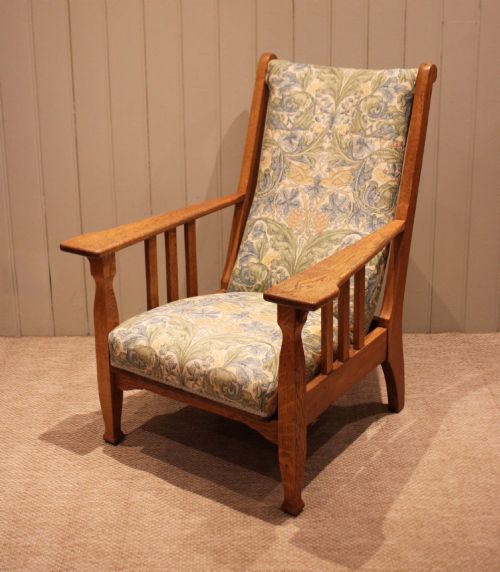
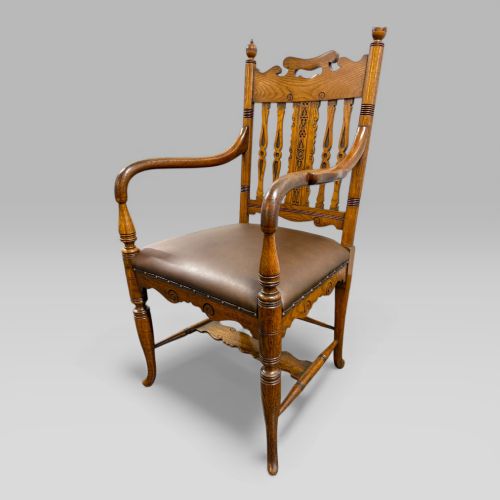
High back oak chairs bring height and architectural presence to a room, offering sturdy seating grounded in centuries of British and European craftsmanship.
High Back Oak Chairs
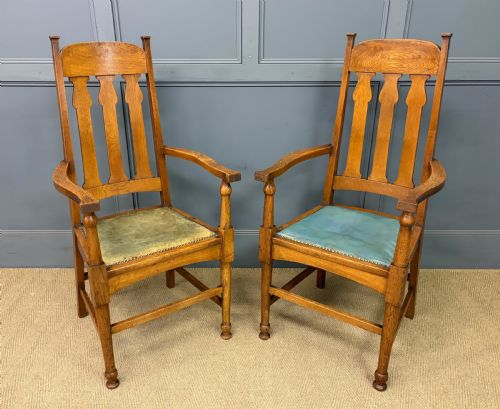
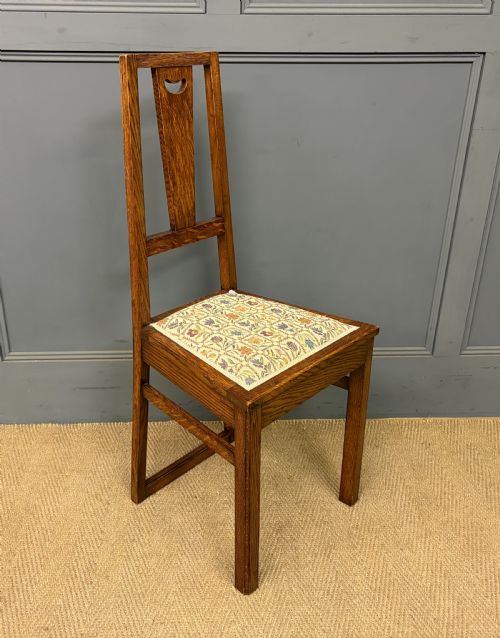
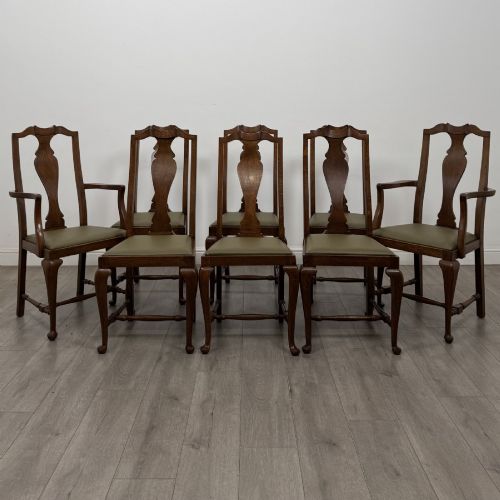
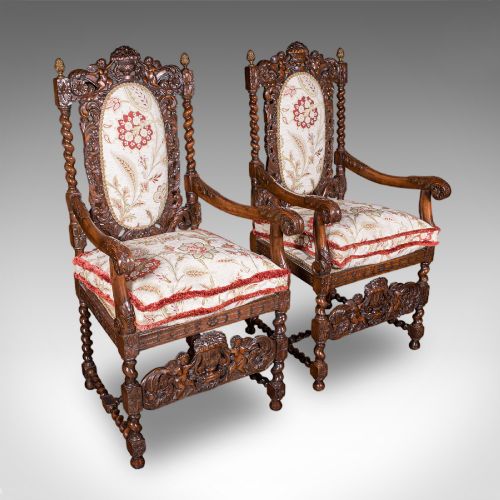
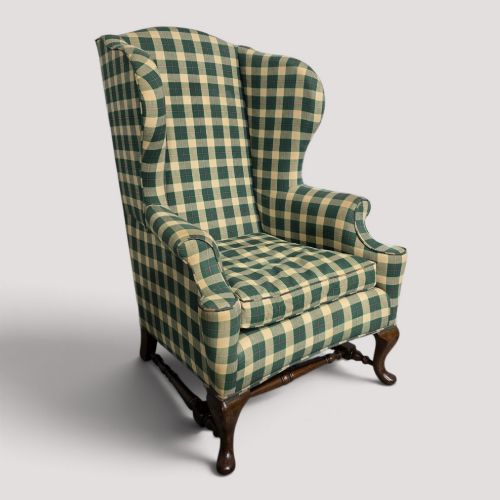
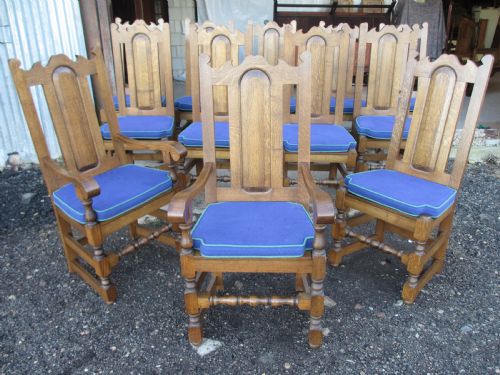
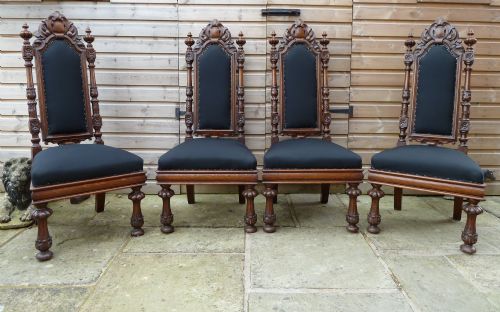
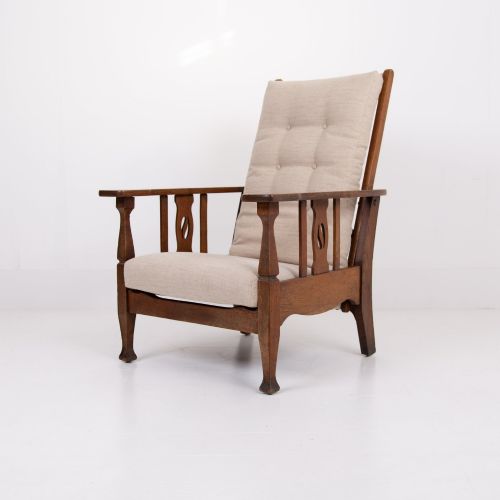
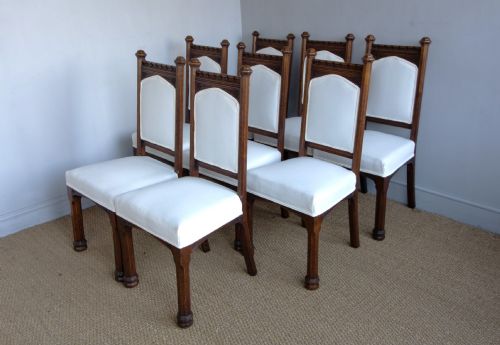
High back oak chairs encompass seating designed with elevated vertical proportions, appearing frequently in sets for dining rooms or as singular armchairs and carvers.
The selections span centuries of production, ranging from 17th-century interpretations down through Victorian, Edwardian, and revivalist periods.
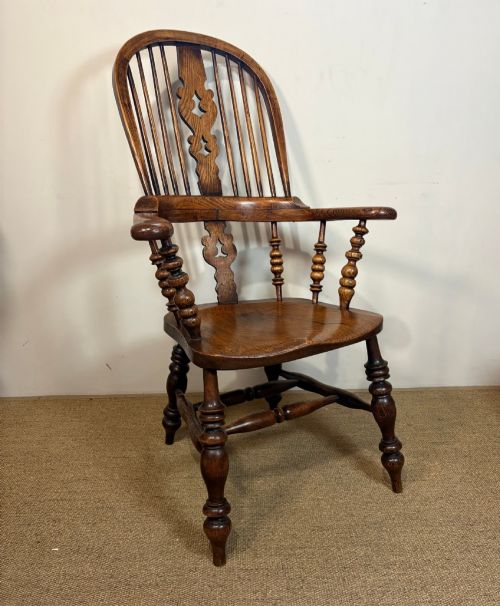
Buyers encounter numerous regional variations, including English country styles alongside continental influences.
How They Were Made
Constructed primarily from solid oak, these pieces often incorporate secondary timbers like elm, ash, and walnut for structural components.
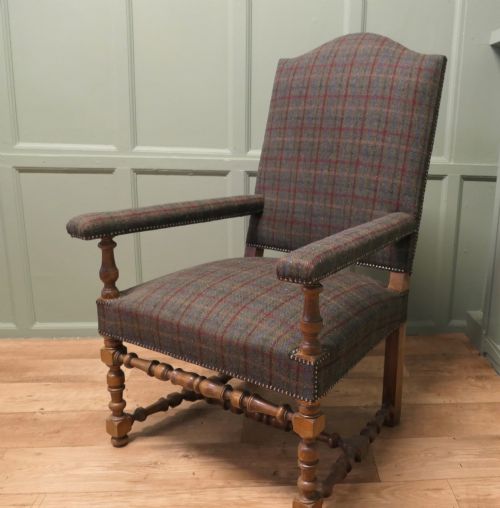
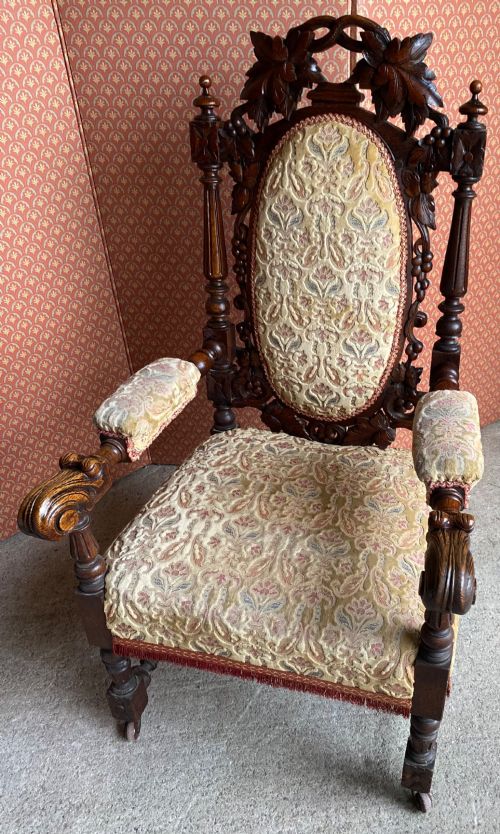
Upholstery materials such as embossed leather, fabric, velvet, and rush provide seating comfort within wooden frames secured by traditional joinery.
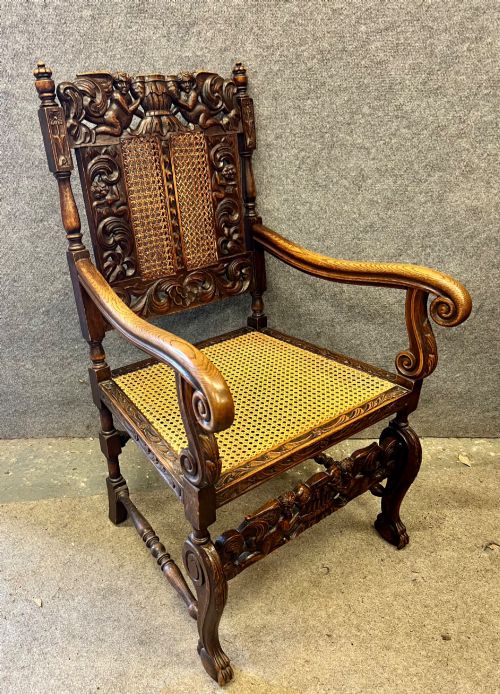
Metal elements including brass studs and iron stretchers reinforce the joints, while hand-carved ornamentation defines the revivalist and regional styles.
High Back Oak Chairs Retail Price Guide 2026
Typical asking prices for high back oak chairs among the pieces listed under this phrase on Sellingantiques today, from the lower quarter to the upper quarter. They describe what is for sale here now, not the wider market.
Some high backs are tall enough to double as indoor thrones for dramatic dining.
What Varies in Quality
The depth and crispness of hand-carved details separate standard production models from superior examples, particularly in revival styles.
The integrity of the timber selection and the matching of grain across sets influence the overall visual harmony.
Original upholstery materials and period-appropriate hardware contribute significantly to the authenticity and historical value of individual pieces.
Morris And Co·William Morris
The High Back Oak Chairs Glossary
- Carver
- An armchair, typically designed to match a set of dining chairs and featuring armrests for added support. These often head a dining table.
- Barley twist
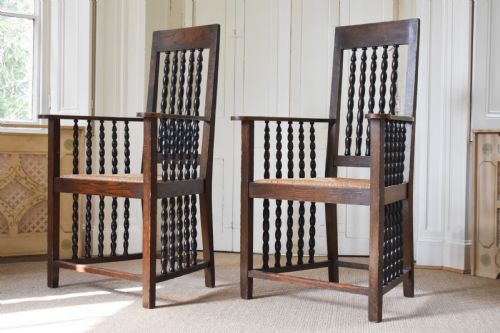
- A woodworking technique turning wood into a helical spiral resembling a twisted rope. This detail appears frequently on 19th-century and Edwardian furniture legs and stretchers.
- Jacobean style
- A heavy, formal aesthetic inspired by early 17th-century English design. Revival pieces often borrow these rectilinear shapes and dark finishes.
- Rush seat
- A woven seating surface made from dried marsh grasses. This traditional technique provides a resilient and textured base for country chairs.
- Slat back
- A chair back constructed from vertical or horizontal wooden slats. Arts and Crafts makers utilised this form to emphasise clean, linear construction.
High Back Oak Chairs: Frequently Asked Questions
How do I care for oak furniture?
Maintain oak surfaces by dusting regularly with a dry cloth and occasionally applying natural beeswax to nourish the timber.
Avoid placing these chairs near direct heat sources or in strong sunlight, which can dry out the wood and fade upholstery.
Can I mix these with modern tables?
High back chairs introduce strong vertical lines that anchor a contemporary dining space when paired with a simple wooden or glass table.
The warmth of the timber allows them to bridge historical and modern interior aesthetics successfully.
Are these suitable for daily use?
Solid construction and durable hardwoods make these chairs robust enough for everyday seating around a busy household table.
Upholstered and leather variations provide comfortable support for prolonged sitting during meals or gatherings.
How do I identify revival pieces?
Revival pieces combine historical styles like Jacobean or Carolean with the machinery and manufacturing methods of the 19th or 20th century.
Examining the underside, tool marks, and fastener types helps distinguish these later interpretations from genuine period originals.