

Traditional Oak Dining Seating
Traditional oak dining seating anchors a room with enduring strength, offering sturdy timber frames and classic silhouettes that suit both period homes and modern spaces.
What traditional oak dining seating includes
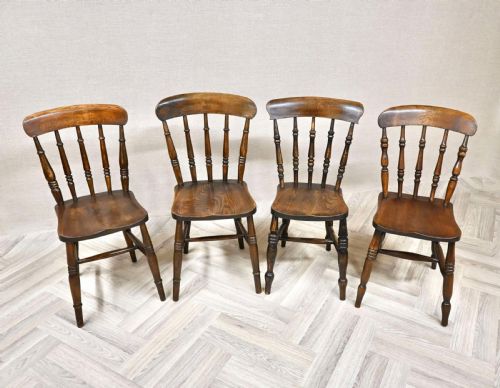
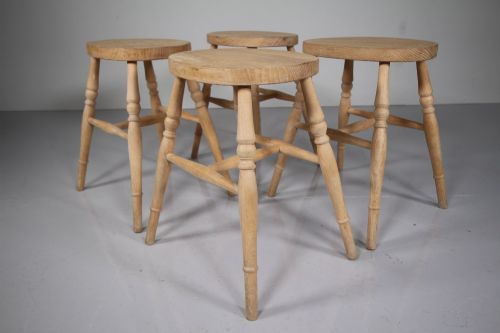
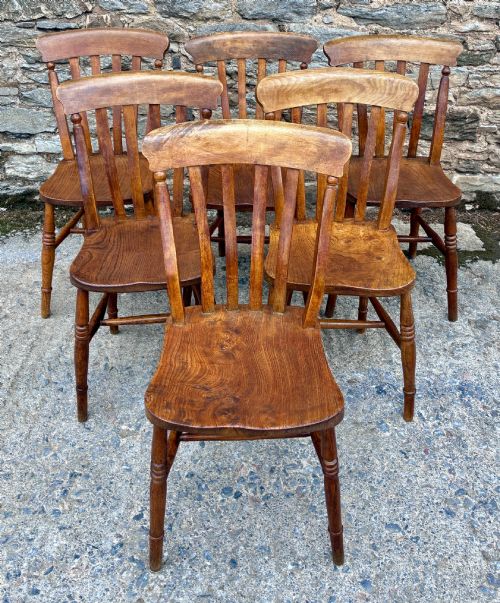
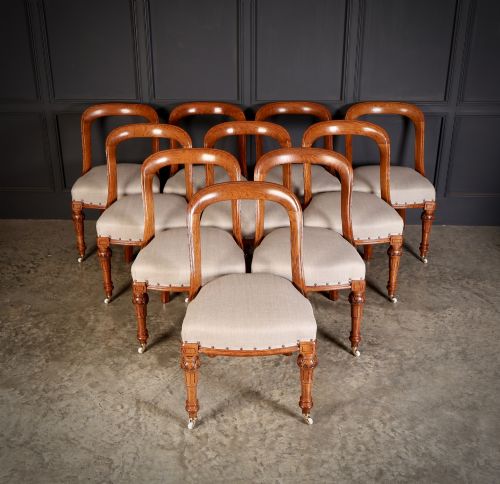
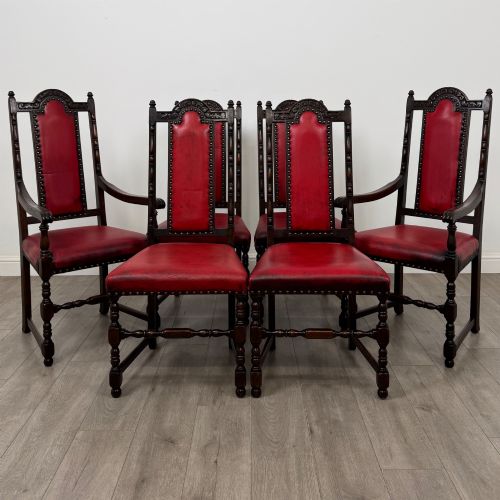
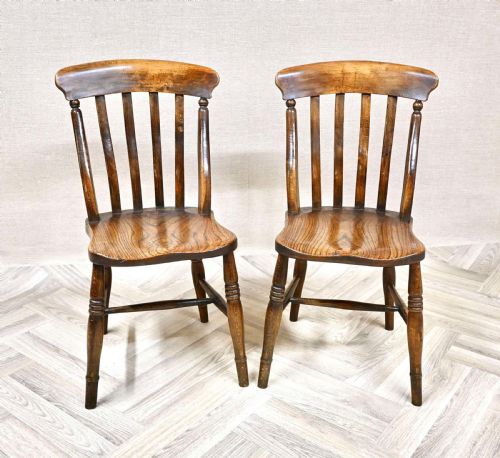
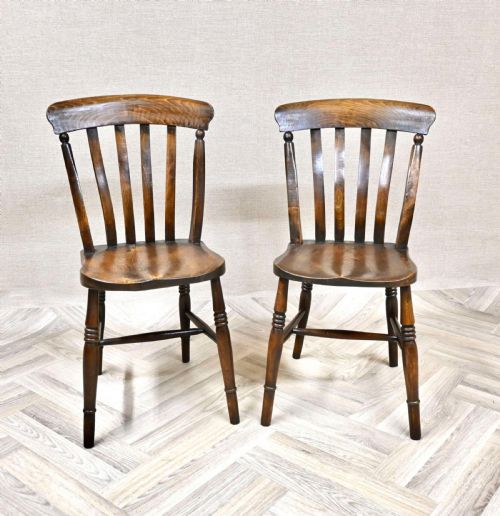
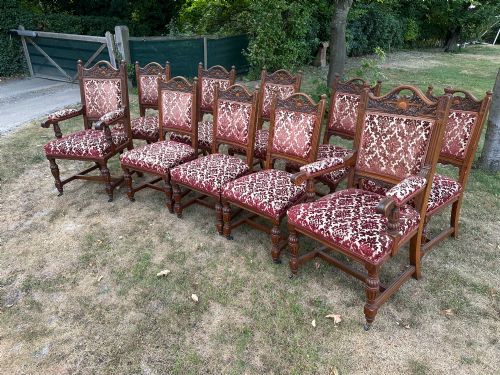
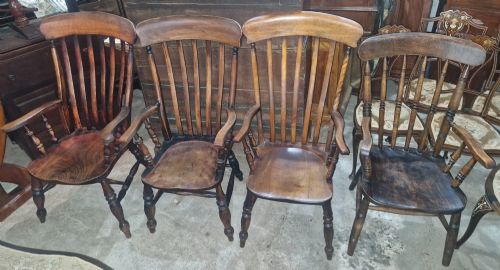
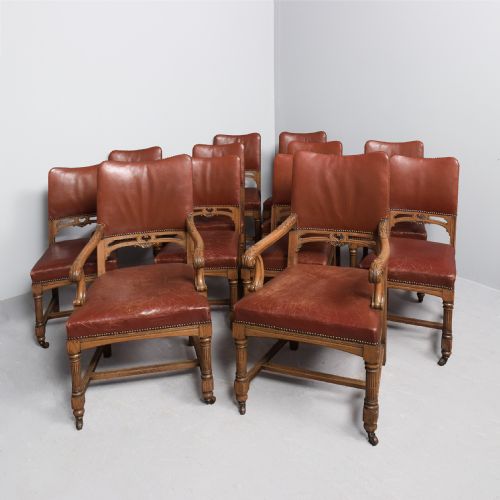
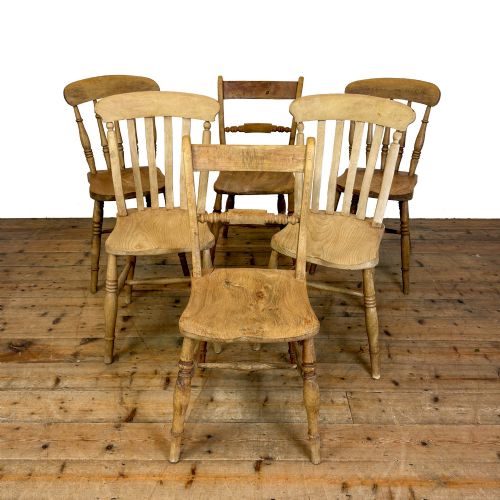
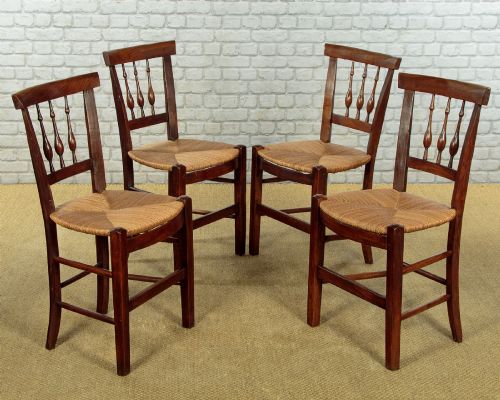
Traditional oak dining seating comprises solid wooden chairs designed for the dining table, drawing on historical forms and enduring regional styles. Buyers searching for traditional oak dining seating encounter dining chairs shaped by various aesthetic movements across several centuries.
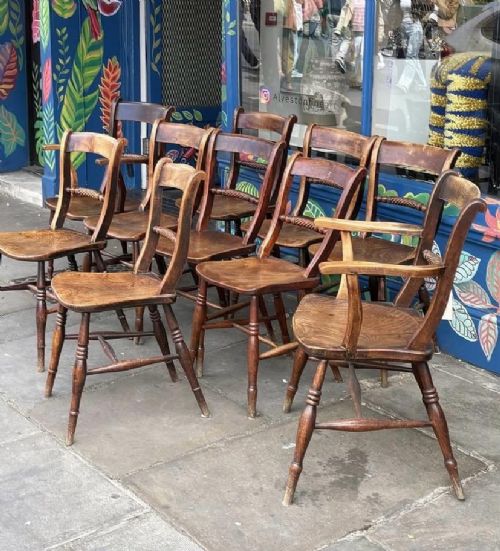
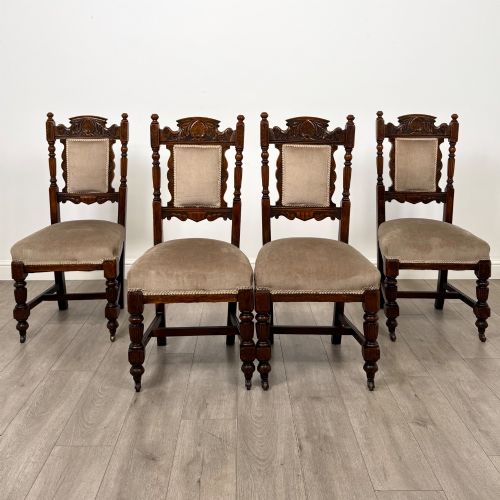
The pieces listed range from nineteenth century examples and nineteen-twenties sets to nineteen-thirties productions. Forms encompass highback dining chairs, carved variants, and matched sets numbering between three and eight items.
Stylistic influences span Jacobean Revival, Arts and Crafts, Victorian Gothic Revival, Art Deco, Arts and Crafts Revival, and Georgian traditions. Derbyshire style pieces also appear among the selections, reflecting specific regional craftsmanship.
Assessing quality
Quality in these dining chairs rests on the crispness of carved details and the structural integrity of the timber joints. Pieces featuring elaborate carving or defined stylistic revivals demonstrate higher craftsmanship than plain utility versions.
The cohesion of a matched set heavily influences the standing of the furniture, as does the preservation of original fabric or appropriate upholstery materials. Finer examples maintain balanced proportions and robust oak frames without excessive alterations.
Retail Price Guide 2026
Typical UK retail prices for traditional oak dining seating, calculated from the Sellingantiques database of over a million retail prices indexed since 2003. This retail price guide relies exclusively on Sellingantiques data; no external sources or auction records are used, so the figures do not describe the wider market.
Listings feature oak dining seating across four distinct periods: eighteen-hundred, the nineteenth century, nineteen-twenty, and nineteen-thirty.
The Traditional Oak Dining Seating Glossary
- Jacobean Revival
- A nineteenth and early twentieth century style emulating seventeenth century British furniture with turned legs and dark finishes. It brings heavy geometric ornamentation to dining chairs.
- Arts and Crafts
- A movement prioritising visible construction, simple forms, and honest materials. It rejected mass production in favour of handcrafted integrity.
- Highback
- A chair design featuring an extended vertical backrest that provides strong visual presence around the dining table. This proportion draws the eye upward and supports a formal posture.
- Derbyshire style
- A regional type of seventeenth century oak chair featuring distinctive carved crest rails and panelled backs, often recreated in later revival periods. These chairs have rigid rectangular frames and characteristic openwork backs.
Frequently Asked Questions
What periods do these chairs come from?
The available selection spans the nineteenth century through to nineteen-thirty, including examples from eighteen-hundred, nineteen-twenty, and nineteen-thirty. Each period brings distinct stylistic traits to the timber.
Revival movements heavily influence the dates, with makers looking back to Georgian, Jacobean, and Gothic eras while utilising oak.
How many chairs are usually in a set?
Sets on offer typically range from three to eight dining chairs, allowing buyers to match their table capacity. Sets of four and six appear most frequently.
Larger groupings of eight chairs provide uniformity for substantial dining spaces, while smaller sets suit intimate settings.
What materials are used in the seating?
Oak forms the structural core of every piece, providing the heavy timber frames and legs. Fabric and upholstery fabric appear on padded seats for added comfort.
Metal elements also contribute to the construction in specific twentieth century designs, complementing the wooden framework.
How do I identify different styles?
Styles are recognised through specific decorative motifs and structural silhouettes, ranging from Victorian Gothic Revival to Art Deco. Examining the backrests and carved details reveals the revival influence.
Georgian influences show restraint and classical proportions, whereas Jacobean Revival pieces display heavier turned woodwork and panelled construction.