

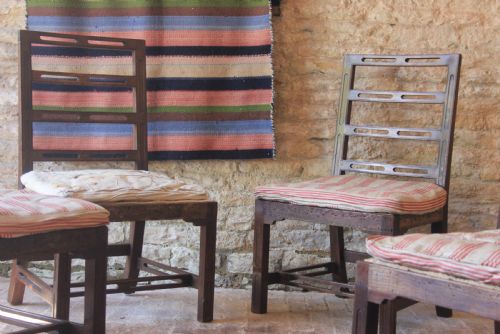
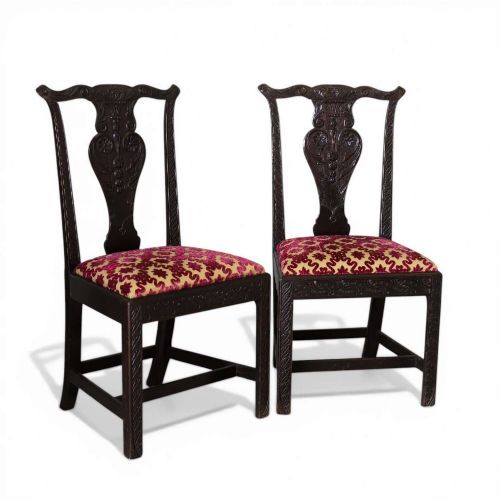
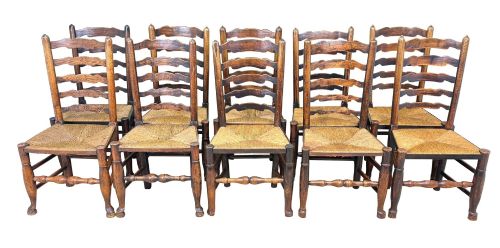
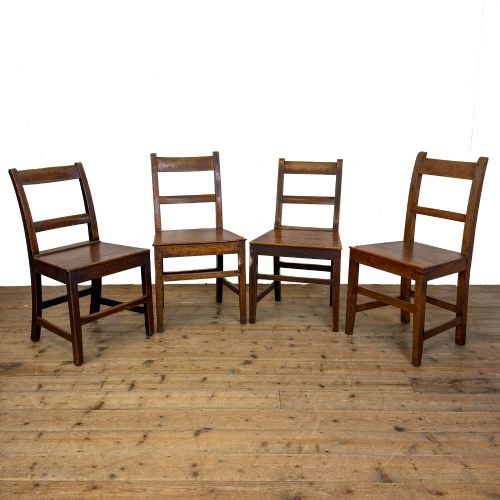
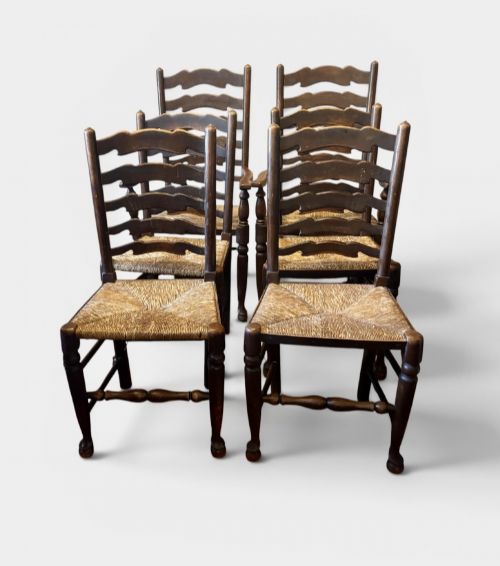
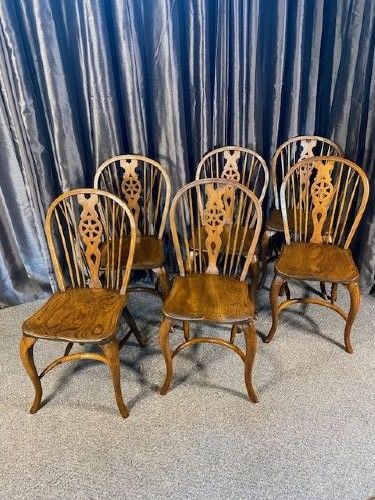
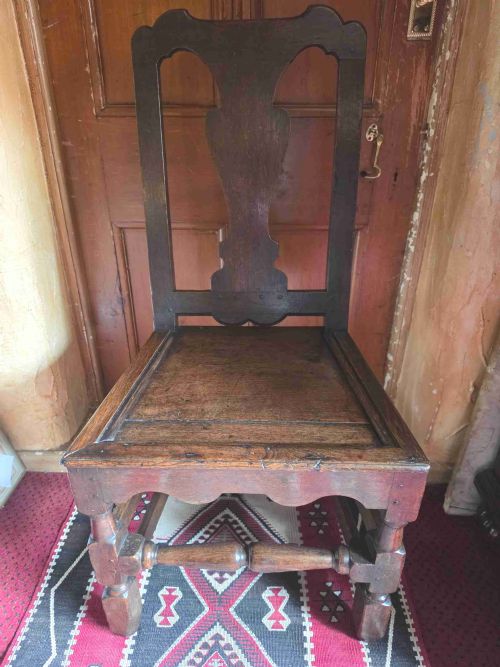


Georgian Oak Side Chairs
Georgian oak side chairs bring honest timber and sturdy vernacular design straight to the dining room or hall.
What these chairs are
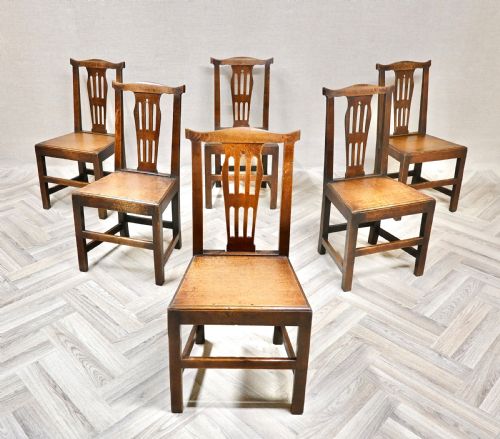
Georgian oak side chairs form a diverse group of seating spanning the eighteenth century and into the nineteenth. You will frequently encounter country versions, pairs, and harlequin sets featuring robust timber frames and simple forms.
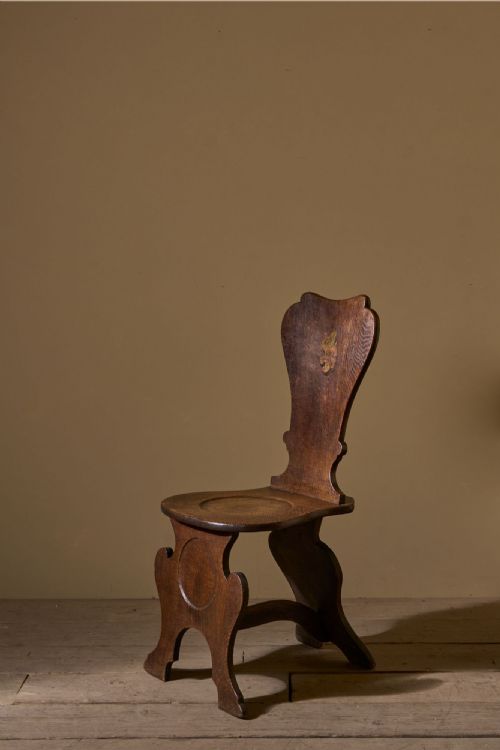
The selection ranges from early high back chairs to George III dining chairs and country hall seating. Regional pieces, such as Scottish examples, sit alongside standard eighteenth century designs.
Makers utilised local hardwoods to build these side and desk chairs for everyday use. Sets vary from pairs up to larger groups of eight, ten, or sixteen items.
How they were made
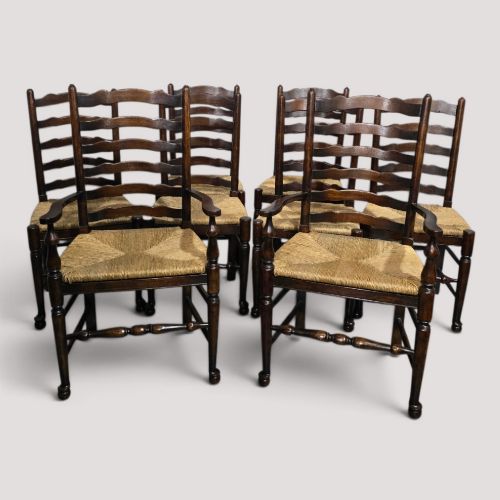
Cabinet makers constructed these frames primarily from solid oak, often combining elm and ash for structural components. Joinery techniques included pegged joints and bobbin turning to secure the timber.
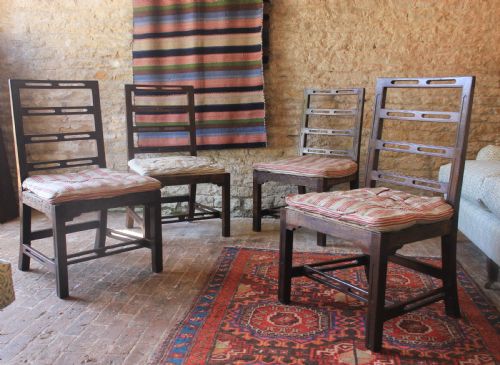
Upholstery was applied to seats using traditional fabrics such as velvet, alongside modern textiles like Zoffany fabric on later restorations. Metal details occasionally included brass elements where appropriate.
Retail Price Guide 2026
Typical UK retail prices for georgian oak side chairs, calculated from the Sellingantiques database of over a million retail prices indexed since 2003. This retail price guide relies exclusively on Sellingantiques data; no external sources or auction records are used, so the figures do not describe the wider market.
Some chairs arrived in sets of sixteen, proving that eighteenth century dinner parties were exceptionally well attended.
What varies in quality
Quality rests in the selection of timber and the crispness of any carved decoration on the back rails. Early high back chairs and stamped pieces demonstrate higher ambition in design.
The integrity of the joined construction and the matching nature of sets determine the standing of each piece. Matched pairs and harlequin sets show different levels of uniformity across the group.
The Georgian Oak Side Chairs Glossary
- Side chair
- A chair without arms, designed originally for dining or general placement around a room. These form the majority of seating in this category.
- Bobbin turned
- A form of woodturning characterised by a series of rounded, spool-like shapes resembling bobbins. This decorative turning appears frequently on seventeenth and eighteenth century frames.
- Harlequin set
- A collection of chairs that match in general style and period but vary in minor details. Such sets were often gathered together over time rather than bought as a single commission.
- Joined chair
- A piece of furniture constructed using traditional frame and panel joinery with pegged mortise and tenon joints. This method preceded mass production and ensured lasting rigidity.
- High back chair
- A seating form featuring an extended vertical back panel or frame, common in early eighteenth century examples. It provided a formal posture for sitters.
Frequently Asked Questions
How do I use these chairs today?
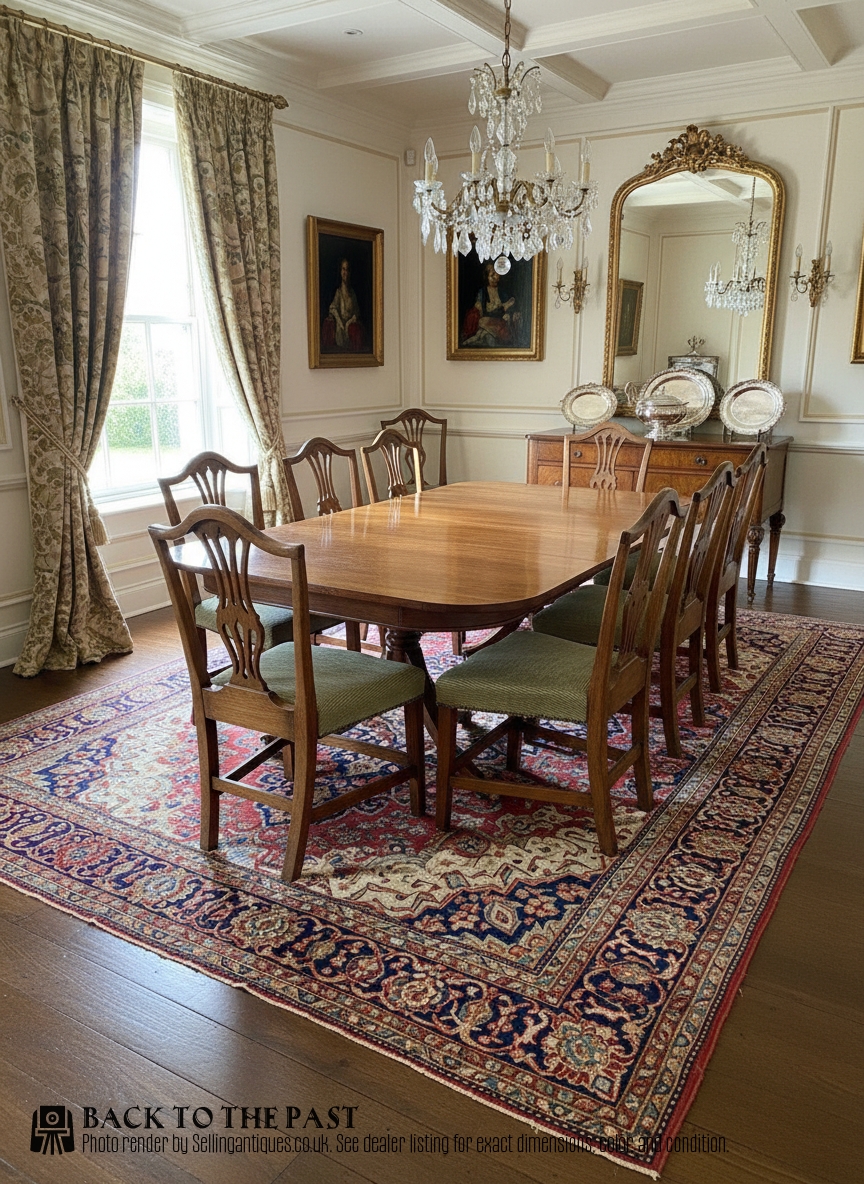
These chairs fit naturally around a dining table or placed against a hallway wall as accent seating. Their sturdy timber construction makes them suitable for daily use.
Mixing individual chairs or using pairs creates an authentic country interior look. They also serve well as desk chairs in a study.
What is a harlequin set?
A harlequin set is a group of chairs that share a similar period and material but are not an identical manufactured set. They were often assembled over many years to seat large dining parties.
Collectors appreciate these sets for their varied character and matched proportions. They offer a flexible way to seat guests around a large table.
How do I tell early 18th century chairs apart from later ones?
Early pieces often feature high backs, bobbin turning, and heavy joined construction. They reflect seventeenth century survivals carried into the 1700s.
Later George III examples adopt lighter proportions and refined styles such as Hepplewhite or Chippendale influences. Elm and ash secondary woods also become more common in regional country pieces.
Were these chairs only made of oak?
While oak is the primary wood recorded, makers frequently combined timbers depending on regional availability. Elm and ash appear alongside oak in country hall and dining chairs.
Fabric and velvet were used for upholstered seat pads, sometimes updated with modern textiles during later restorations.