

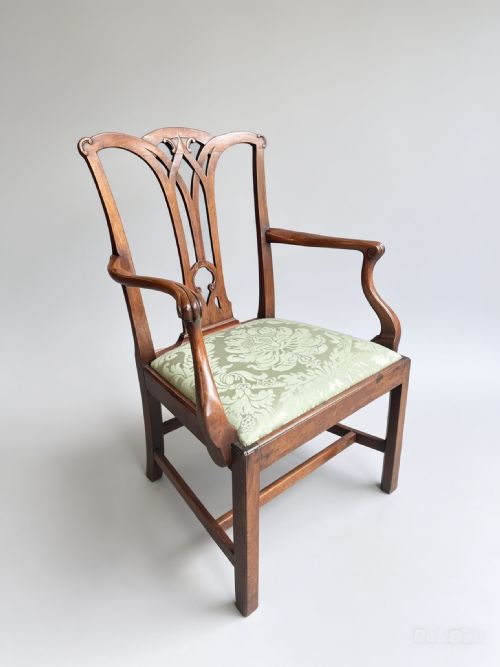
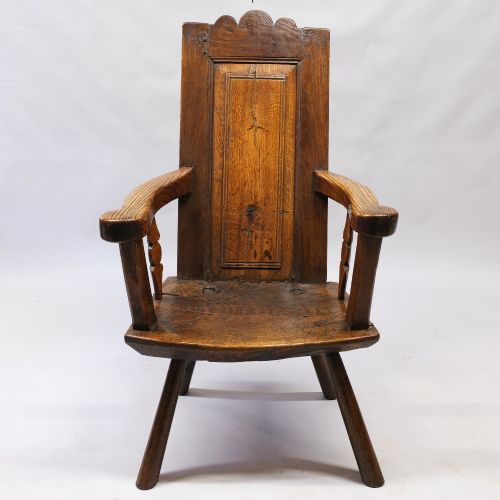
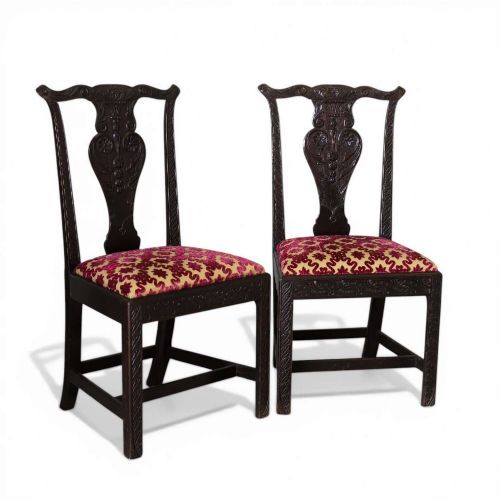


Georgian Carved Oak Chairs
Georgian carved oak chairs bring substantial regional character and robust country craftsmanship directly into daily domestic life.
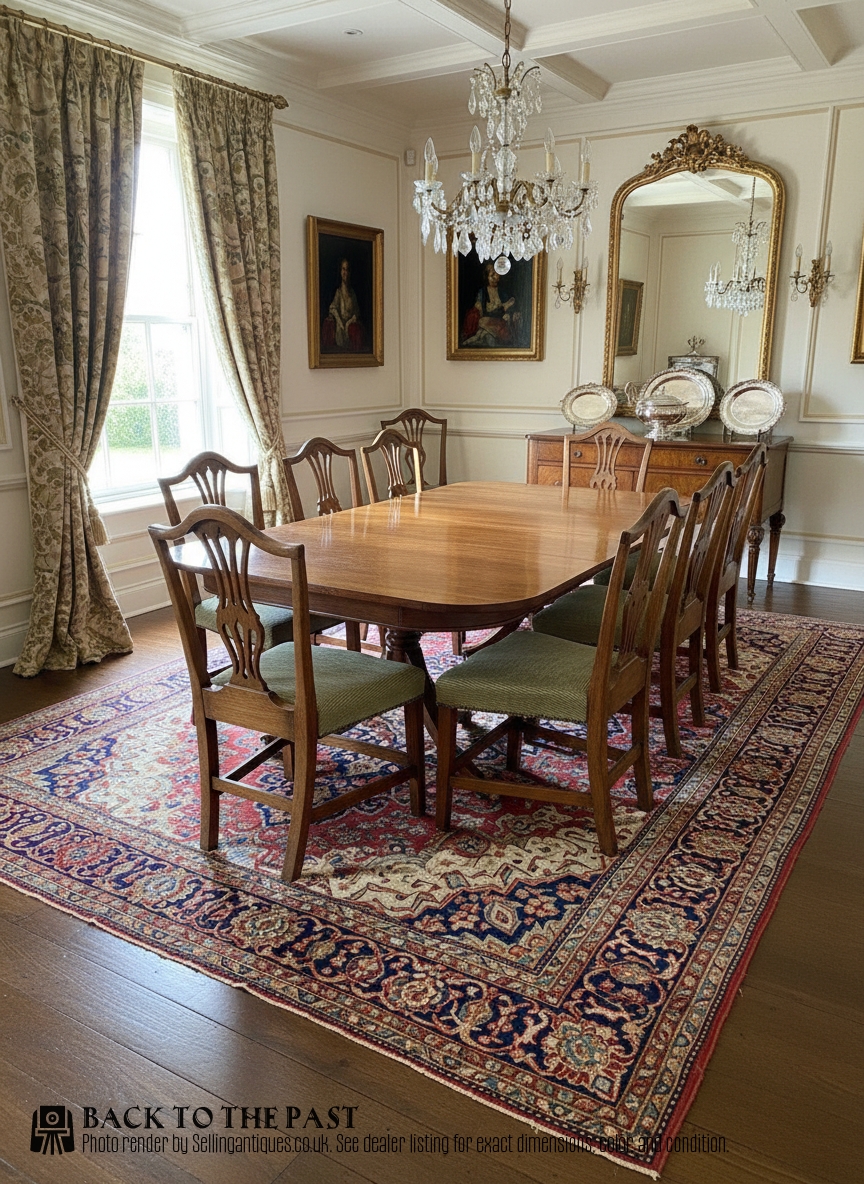
Georgian Carved Oak Chairs
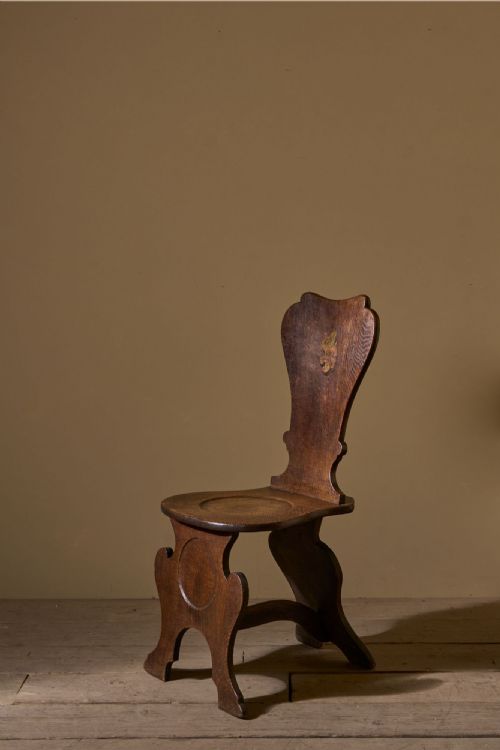
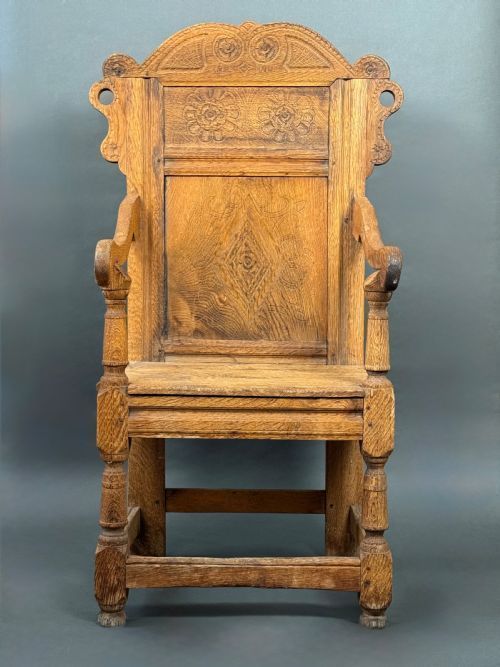
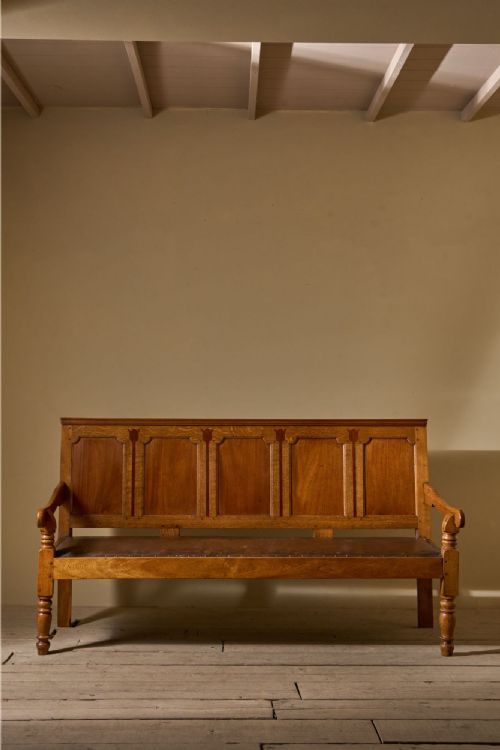
When buyers search for georgian carved oak chairs, they encounter a diverse selection of regional seating shaped by vernacular traditions and formal cabinet-making. The listings span sturdy 18th century wainscot armchairs, high back chairs, and architectural hall benches adorned with tulip decoration.
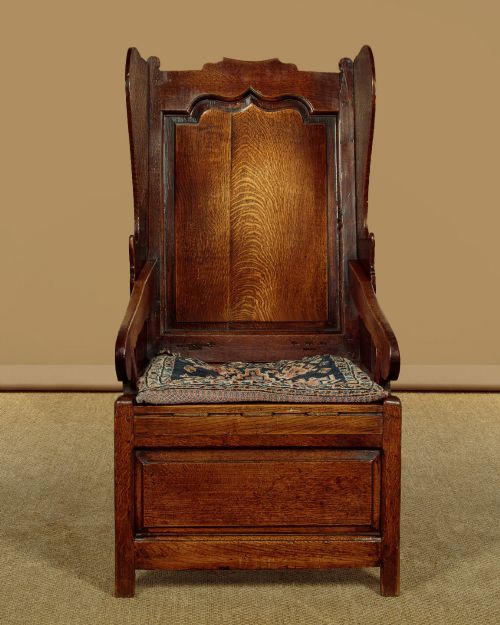
Regional variants dominate the selection, ranging from Thames Valley and Windsor forms to Welsh and Scottish country chairs. Dining chairs, side chairs, and corner chairs appear alongside lambing chairs and occasional armchairs, reflecting the practical domestic needs of period households.
How they were made
Cabinet-makers and country joiners relied primarily on solid oak, frequently supplemented by elm for seats and structural components. Bobbin turning, spindle work, and hand carving define the ornamentation, while panel-backed and shield-back constructions provide rigid structural integrity.
Seating surfaces vary from solid wood planking and dish seats to drop-in upholstery covered in fabric, leather, or crewel work. Joinery techniques prioritize mortise and tenon joints secured with wooden pegs, ensuring endurance through centuries of domestic use.
Apprentice pieces offer miniature windows into the workshop, allowing young trainees to prove their carving skills on diminutive chairs.
What varies in quality
The degree of crispness in the hand-carved ornamentation separates standard utility seating from finer artisan commissions. Relief carving on crest rails, splats, and back panels demonstrates the individual carver's skill and patience.
Proportional harmony and timber selection dictate overall merit, with dense, figured oak outperforming plain stock. Original surface patination and minimal timber replacement elevate historical integrity above heavily restored examples.
The Georgian Carved Oak Chairs Glossary
- Wainscot armchair
- A heavy, solid wooden armchair featuring a paneled back and solid seat, typical of earlier domestic interiors. These pieces often display robust arm supports and turned front legs.
- Lambing chair
- An enclosed high-backed armchair designed with solid sides to block cold draughts near open hearths. They frequently incorporate under-seat storage boxes.
- Shield back
- A chair back designed in the outline of a heraldic shield, popularized during the late 18th century. This form allows for intricate pierced splats and delicate carving.
- Windsor chair
- A chair built with a solid wooden seat into which the legs and back spindles are directly joined. Regional variations include low fiddle backs and wheel backs.
- Bobbin turning
- A type of decorative wood turning that resembles a string of beads or bobbins. This technique appears frequently on the legs and stretchers of 17th and 18th century chairs.
Georgian Carved Oak Chairs: Frequently Asked Questions
How do I identify a genuine period piece?
Examine the construction methods beneath the seat and around the joints for hand-cut peg fastenings and tool marks consistent with period joinery. Natural timber shrinkage and consistent surface patination develop organically over long periods.
Compare the proportions and decorative motifs against documented regional examples from the 18th and early 19th centuries to verify stylistic consistency.
Were oak chairs used in dining rooms?
Oak dining chairs appeared regularly in country houses and provincial homes where durable timbers suited daily family life. Sets of dining chairs and matching carvers catered to larger household gatherings.
Formal urban dining rooms preferred mahogany or walnut, leaving oak firmly established in rural and vernacular settings.
What is a wainscot armchair?
A wainscot armchair is a substantial wooden seat constructed with framed paneling on the backrest. Originating when wooden paneling lined domestic walls, these chairs offered status and comfort.
They feature solid timber seats, thick armrests, and sturdy underframing designed to withstand heavy daily use.
How should I care for antique oak?
Maintain stable indoor humidity levels and keep wooden furniture away from direct heat sources and strong sunlight. Sudden environmental changes cause timber to split or joints to loosen.
Apply microcrystalline wax occasionally to nourish the surface and preserve the historic polish without attracting dust.