
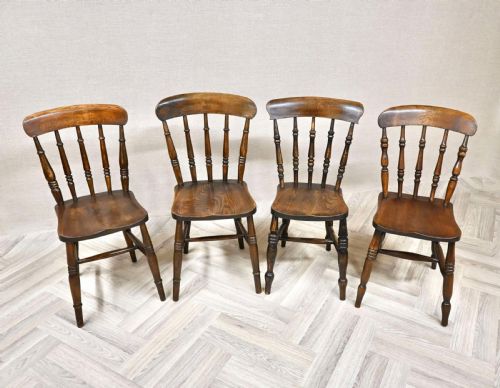
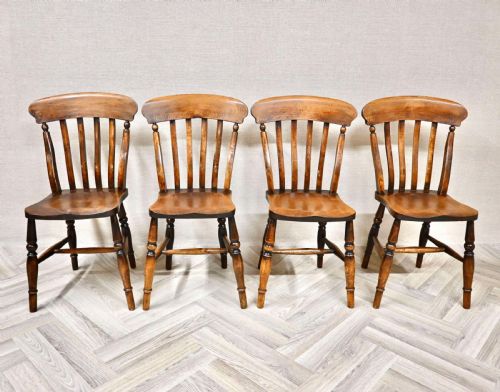

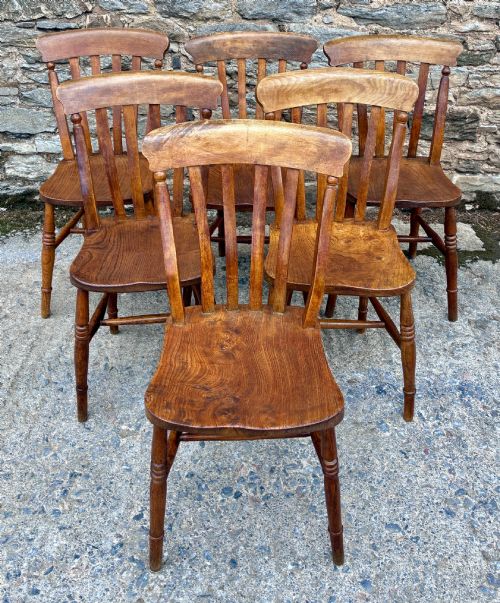
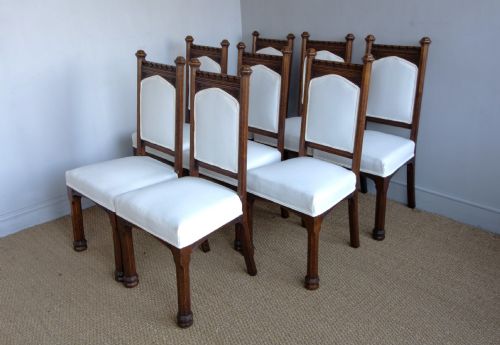
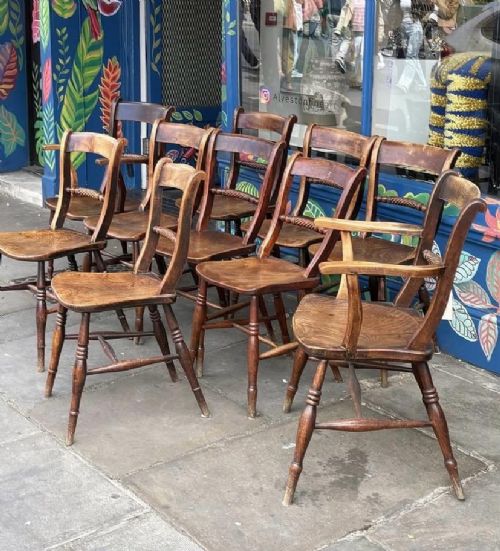
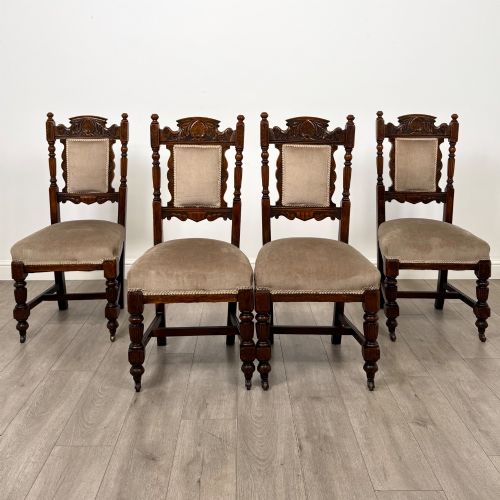
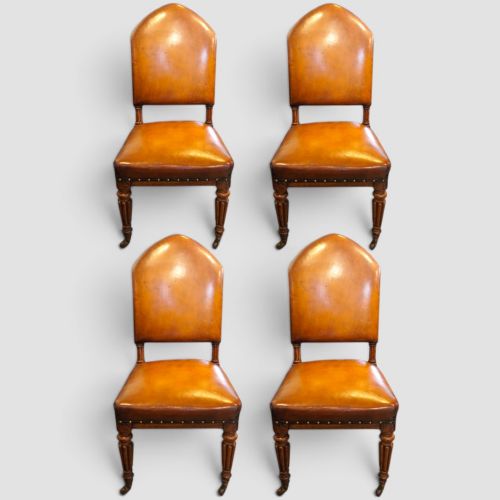
Brown Oak Dining Chair
A brown oak dining chair brings deep, rich timber tones and solid structure to any room, offering a lasting seating solution collectors prize.
What these pieces are
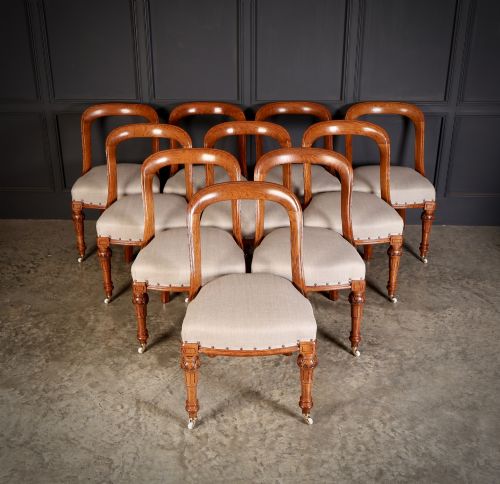
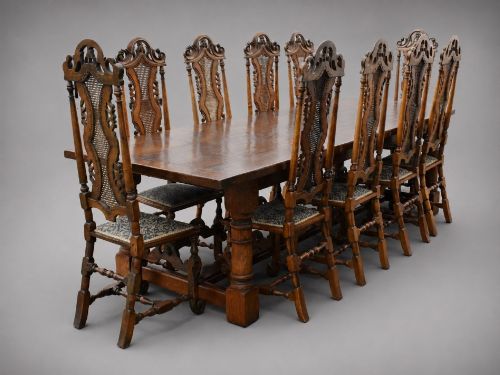
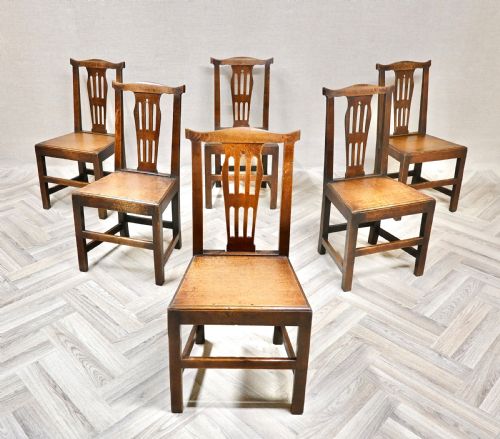
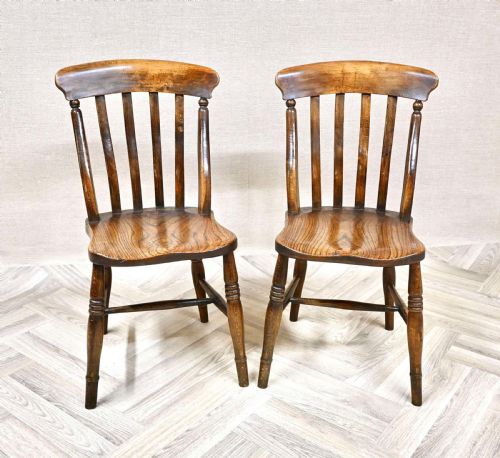
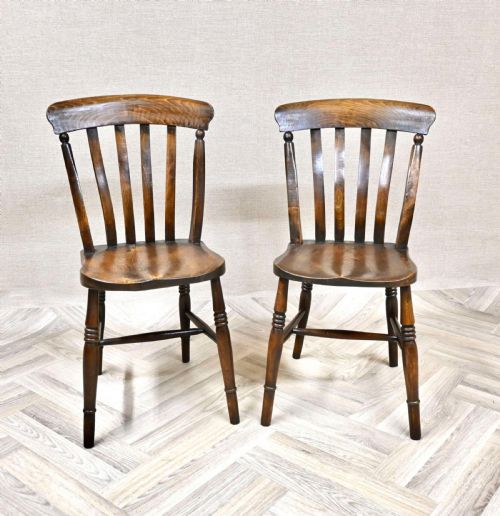
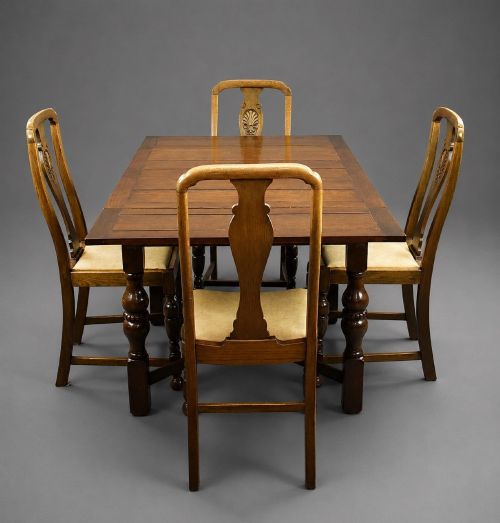
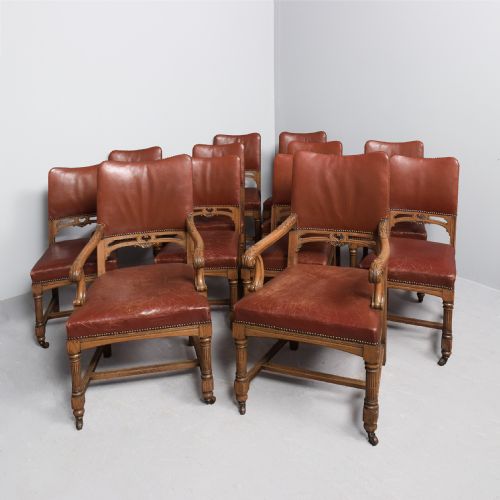
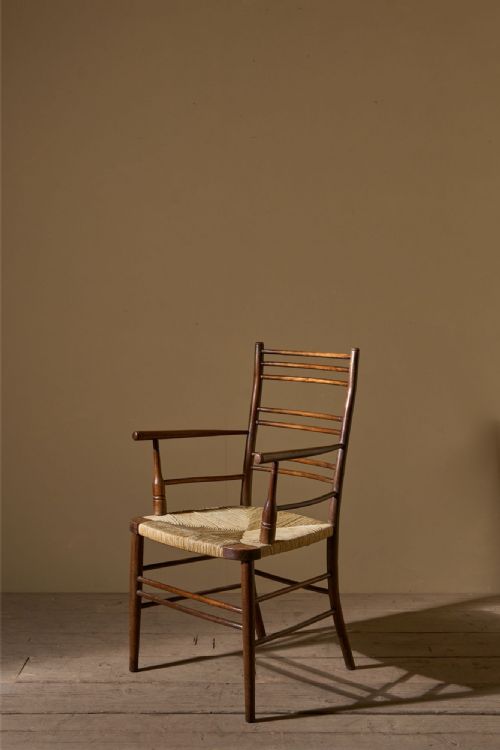
When you search for a brown oak dining chair, you encounter a selection of seating options spanning multiple centuries and distinct regional styles. The pieces on this page include side chairs, armchairs, dining chairs, and hall chairs fashioned from sturdy timber.
The periods represented stretch from the late seventeenth century through the Georgian and Victorian eras, up to Edwardian iterations. You are most likely to meet straightforward side chairs or tall-back designs incorporating carved details and upholstered seats.
Makers across different eras utilised this durable wood to build robust furniture intended for daily use in domestic settings. Each era imparts its own aesthetic, from early Jacobean influences to later Arts and Crafts interpretations.
How they were made
Makers constructed these chairs primarily using solid oak timber, sometimes complemented by brass hardware or fabric, velvet, and textile upholstery. Workshops employed traditional joinery methods to ensure the framework remained sturdy across generations.
Surface decoration frequently involved hand-carving, seen in high-back profiles, slot backs, and carved stretchers. Upholstered elements, including drop-in seats, added comfort to utilitarian forms like side chairs and carver armchairs.
Retail Price Guide 2026
Typical UK retail prices for brown oak dining chair, calculated from the Sellingantiques database of over a million retail prices indexed since 2003. This retail price guide relies exclusively on Sellingantiques data; no external sources or auction records are used, so the figures do not describe the wider market.
Some tall-back chairs demand proper posture, serving as an effective historical reminder to sit up straight at dinner.
What varies in quality
The standard of a piece often depends on the depth and crispness of the hand-carved ornamentation found on the backrests and stretchers. Simpler vernacular forms contrast with more elaborate Carolean or Jacobean revival pieces that demand greater joinery skill.
Condition of the timber, the integrity of structural stretchers, and the survival of original upholstery materials distinguish exceptional examples from standard utilitarian seating.
The Brown Oak Dining Chair Glossary
- Side chair
- A chair without arms, traditionally used at the dining table or placed against walls in hallways and parlours. These forms make up a large portion of early timber seating.
- Carver armchair
- An armchair designed with open arms, often used at the head of a dining table or as a desk chair. These pieces provide a more commanding presence than standard side chairs.
- Carolean
- A style referencing the reign of Charles II, characterised by rich carving, scrolling motifs, and high backs. This aesthetic heavily influenced later Victorian revival furniture.
- Drop-in seat
- An upholstered seat frame that lifts easily out of the chair rails. This feature permitted straightforward reupholstery without dismantling the main wooden structure.
Frequently Asked Questions
How do I date an oak chair?
Dating relies on examining the construction methods, tool marks left by makers, and stylistic indicators such as carved motifs and stretcher placement.
Comparing the specific timber grain and joinery against known period examples helps narrow down the era of production.
Are these chairs suitable for daily use?
Many solid timber chairs remain robust enough for regular seating if the frame and joinery stay sound.
Checking the stability of the stretchers and legs ensures the structure supports everyday dining requirements safely.
How do I maintain oak furniture?
Maintenance involves keeping wooden surfaces clean with a dry or slightly damp cloth, avoiding harsh chemical polishes.
Protecting the timber from direct sunlight and extreme humidity changes preserves the finish and prevents cracking.