


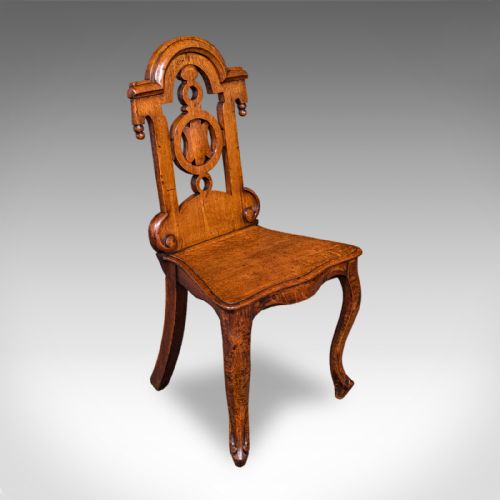
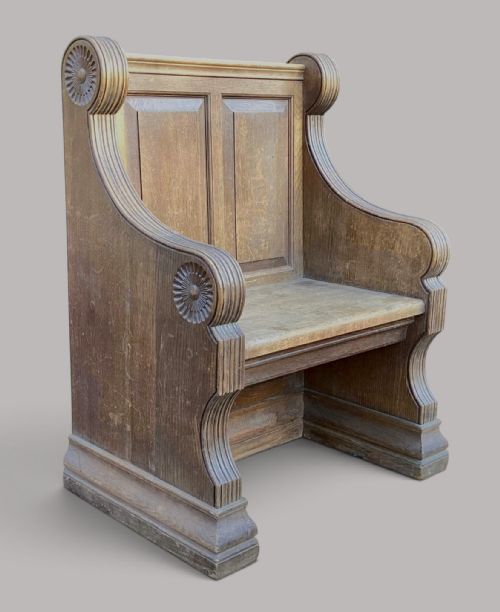
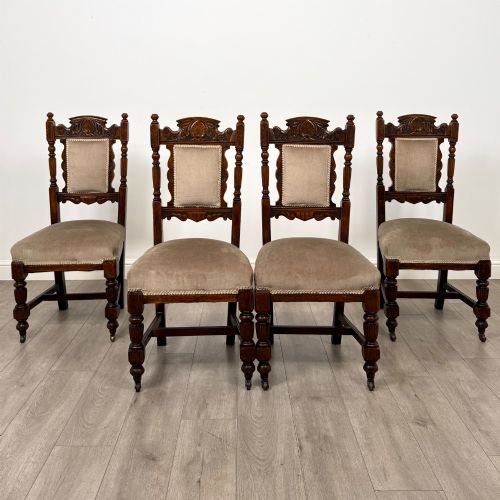
Victorian Oak Hall Chair
When you need a victorian oak hall chair, you are choosing a substantial piece built to sit in a grand entrance passage.
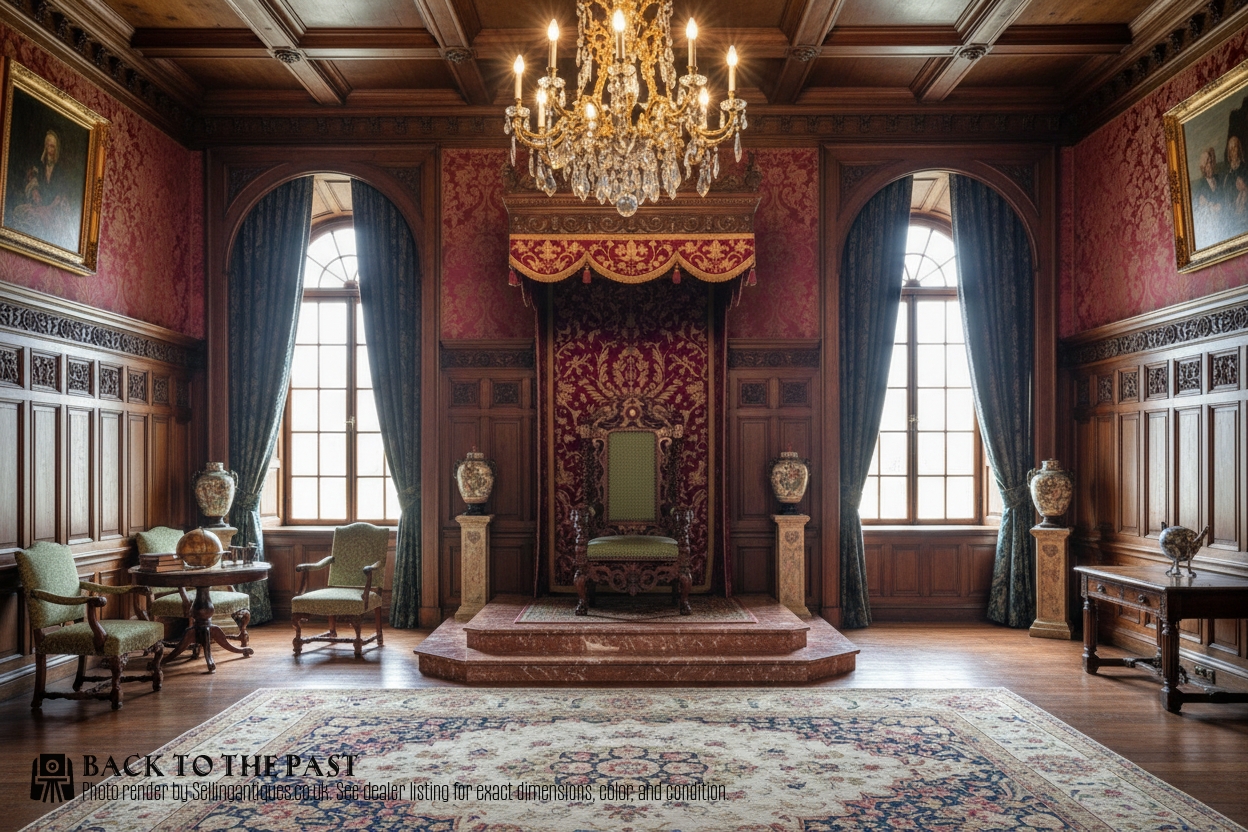
Victorian Oak Hall Chair
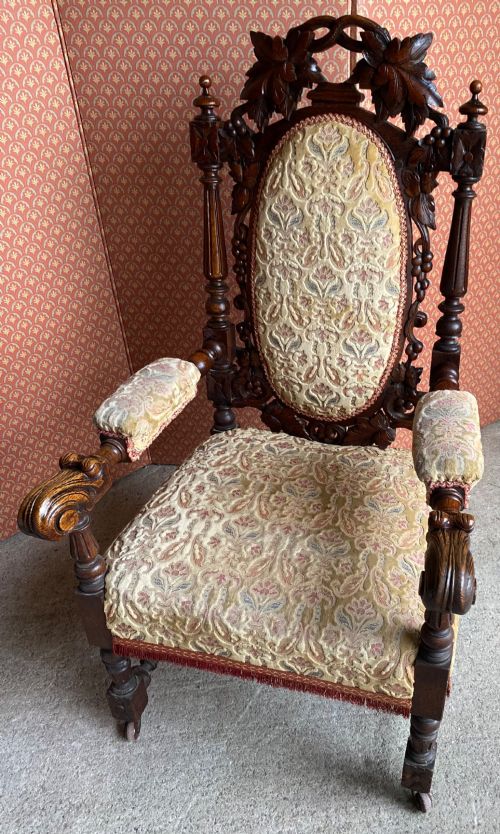
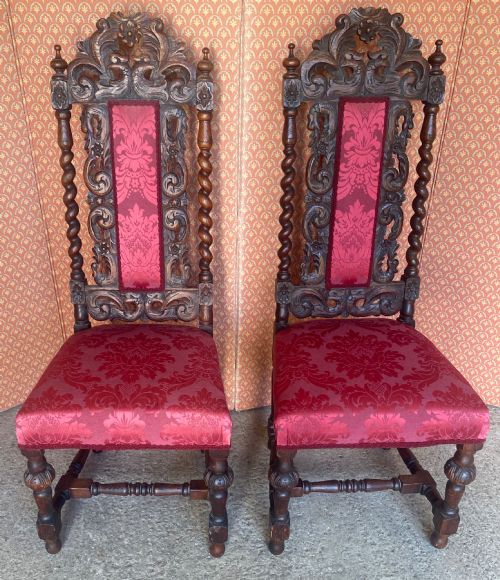
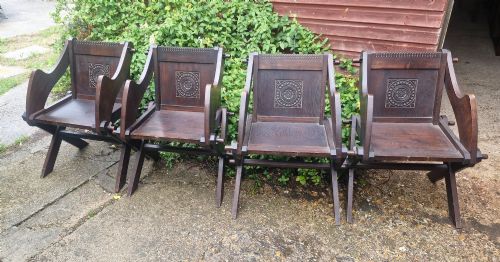
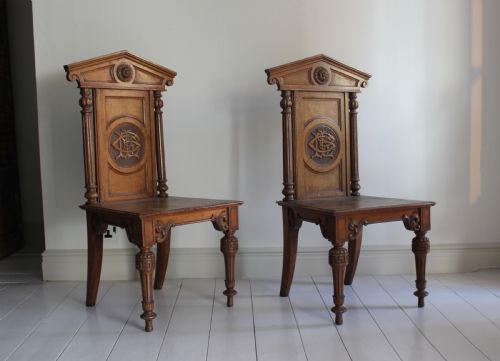
A victorian oak hall chair stands as a sturdy seat designed for entranceways, vestibules and corridors during the nineteenth century. These items typically feature high wooden backs, solid timber panels and straightforward timber seats intended for temporary sitting rather than lounging.
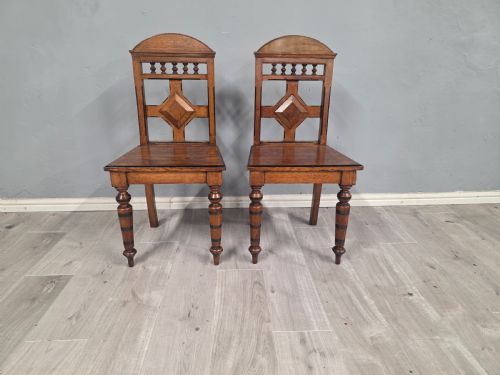
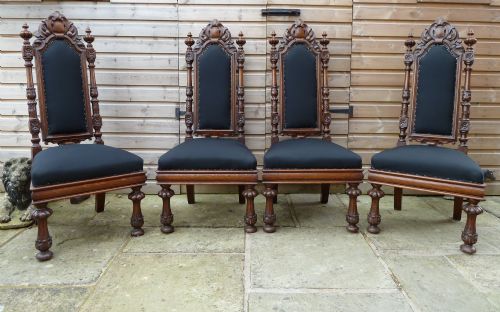
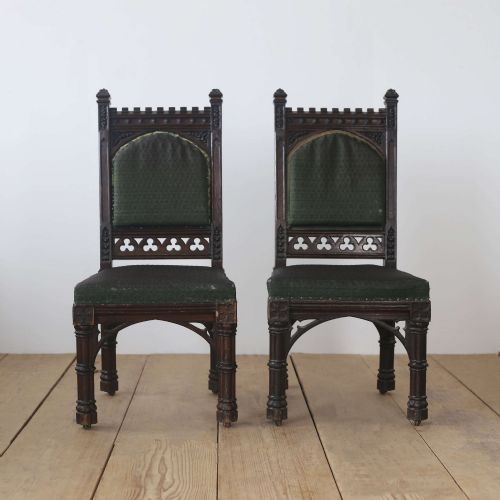
Most examples found here date from the Victorian era and the broader nineteenth century, frequently displaying revival aesthetics such as Gothic, Jacobean or Renaissance motifs. Buyers frequently encounter single items as well as matching pairs or larger sets intended for flanking a hallway table.
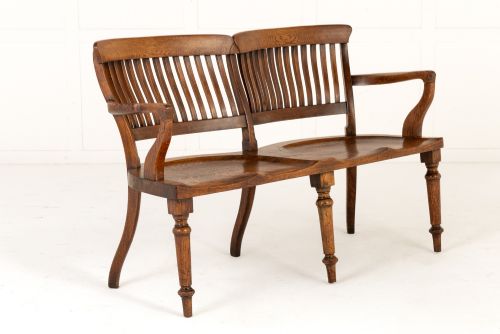
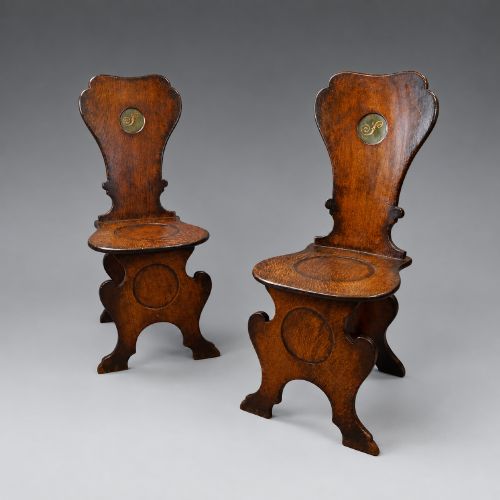
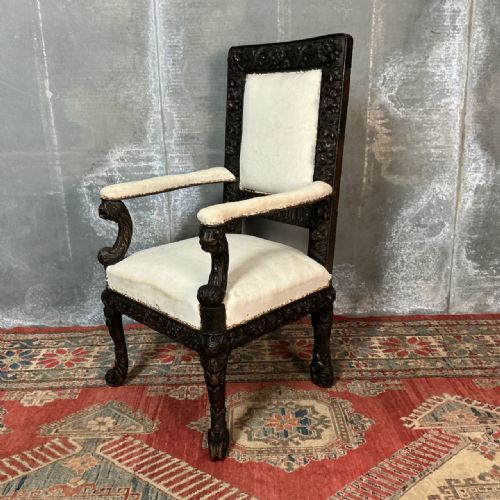
Makers often incorporated heraldic shields, crests or carved panels into the backrests, reflecting the lineage and status of the original households. Alternative forms within this category include armchairs, benches, and occasional side seats sharing the same robust timber construction.
Materials and construction
Cabinet makers relied heavily on solid oak for these items, selecting timber for its strength, heavy grain and durability in high-traffic corridors. Workshops utilised traditional joinery methods, securing joints with tenons and wooden pins to withstand daily use.
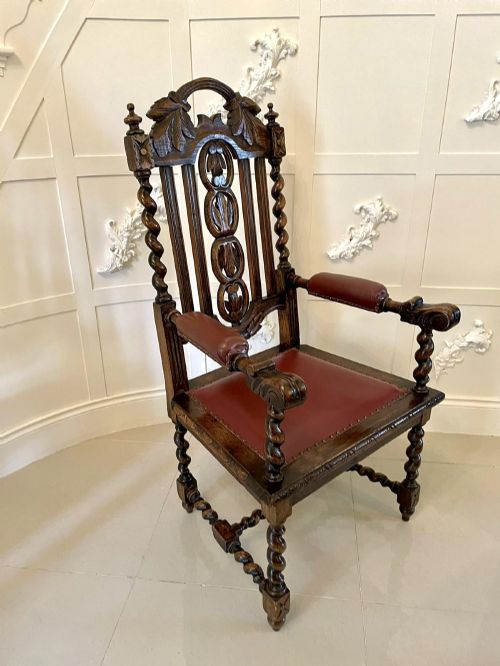
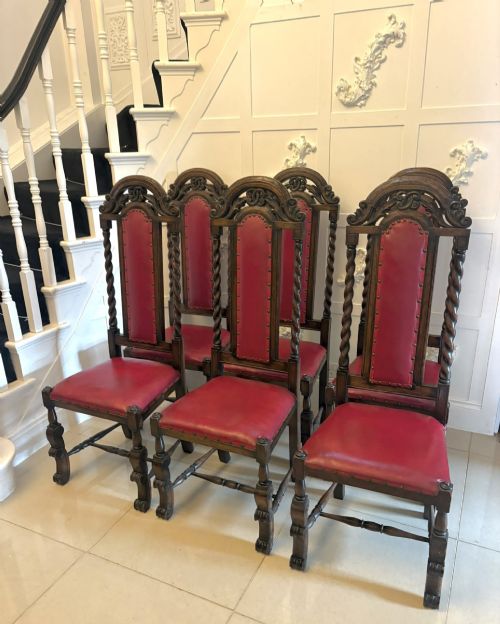
Carving formed a major part of the production process, with artisans chiselling intricate foliage, geometric patterns, and tracery directly into the solid wood backrests. Certain models integrated auxiliary materials such as leather, brass studs, velvet, fabric or woven hide for upholstered seats and back inserts.
Victorian Oak Hall Chair Retail Price Guide 2026
Typical asking prices for victorian oak hall chair among the pieces listed under this phrase on Sellingantiques today, from the lower quarter to the upper quarter. They describe what is for sale here now, not the wider market.
Some hall chairs included hidden storage compartments beneath the seat for storing heavy winter boots and umbrellas.
Assessing quality and execution
The depth and crispness of the timber carving dictate much of the distinction between standard items and superior examples. Workshops employing skilled carvers produced sharp, three-dimensional foliage and distinct heraldic details, whereas lesser pieces show shallow, mechanical tooling.
Structural integrity and timber selection further separate grades of manufacture. Superior items utilise thick, well-seasoned heartwood with minimal warping, while simpler pieces rely on thinner boards and applied mouldings to simulate heavier construction.
Gillows of Lancaster·Bruce Talbert·Liberty & Co·A W N Pugin
The Victorian Oak Hall Chair Glossary
- Gothic Revival
- An architectural and decorative style drawing inspiration from medieval forms, featuring pointed arches, trefoils, and heavy tracery. This aesthetic dominated many nineteenth-century entranceway furnishings.
- Jacobean Revival
- A design movement referencing seventeenth-century English furnishings, characterised by turned legs, strapwork, and deep geometric panel carving. Pieces in this taste often appear dark-finished and robust.
- Heraldic shield
- A carved or painted emblem on a chair back displaying armorial bearings. Makers used these shields to personalise seating for specific noble estates.
- Wainscot chair
- A heavy wooden armchair constructed with panelled backrests, echoing domestic seating from earlier centuries. Nineteenth-century makers frequently reproduced this form in solid oak.
- Sgabello
- A Renaissance chair type featuring a wooden seat supported by two carved board legs and a high back. These items appear in nineteenth-century revival groups.
Victorian Oak Hall Chair: Frequently Asked Questions
Where were these chairs placed?
These seats stood primarily in the entrance halls, corridors, and vestibules of large nineteenth-century homes, civic buildings, and ecclesiastical spaces. Guests and visitors used them briefly while waiting to be announced.
Because entranceways experienced heavy drafts and constant foot traffic, makers favoured durable timbers like oak over fragile decorative woods.
Are these chairs comfortable for daily sitting?
Most of these items offer a firm, upright posture rather than relaxed lounging. The solid wood seats and rigid high backs were engineered for formal entryways where posture and appearance mattered most.
Some variations incorporated leather upholstery or padded inserts to add a degree of comfort for extended sitting in libraries or reception rooms.
How do I identify Gothic revival examples?
Gothic revival models display distinct architectural elements such as pointed arches, quatrefoils, crockets, and heavy vertical panels. Carvers often emulated stone church architecture in solid timber.
These designs frequently connect to nineteenth-century ecclesiastical commissions or domestic interiors influenced by medieval aesthetics.
Did these pieces come in sets?
Households often commissioned pairs or larger sets of four to six seats to line the long walls of a grand hallway. Matching pairs remain common in the secondary market.
Single items frequently survived separately after large estates were dispersed over the decades.