


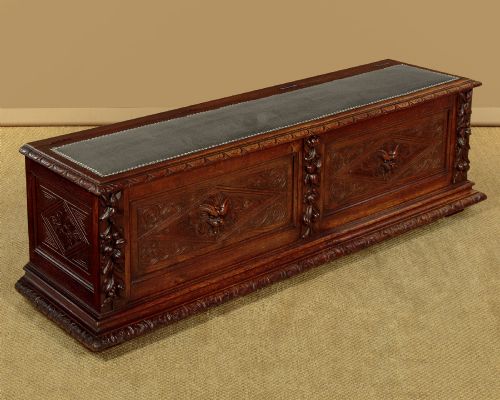
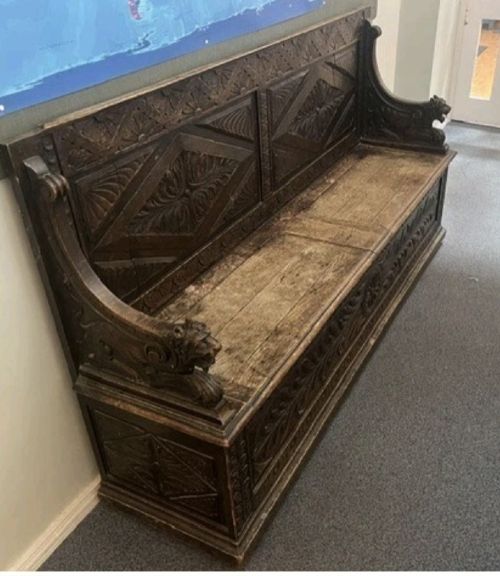
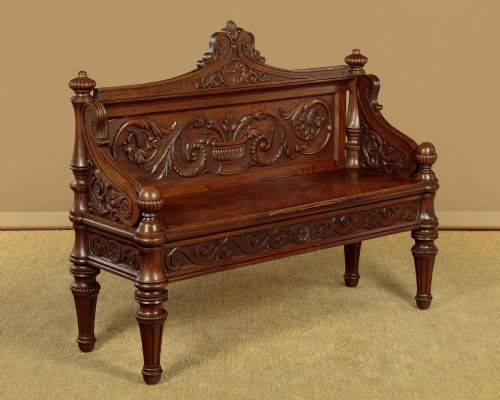
Brown Oak Hall Seat
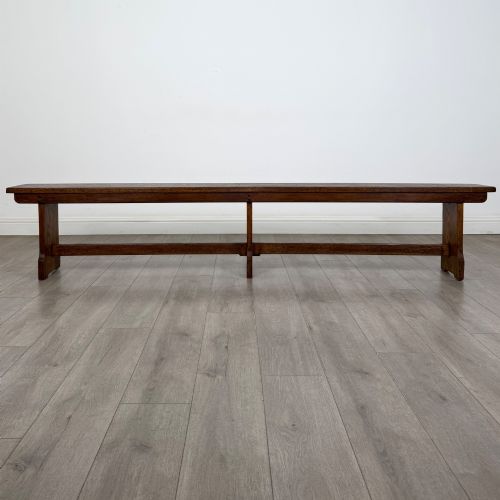
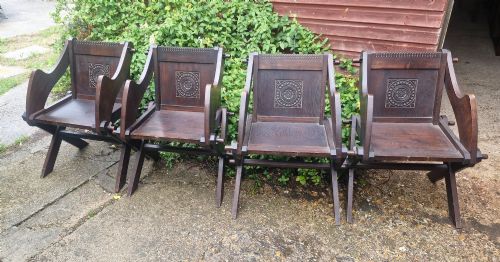
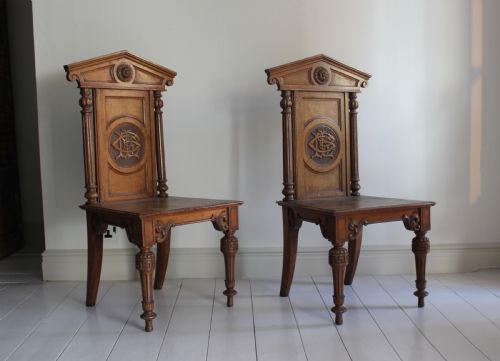
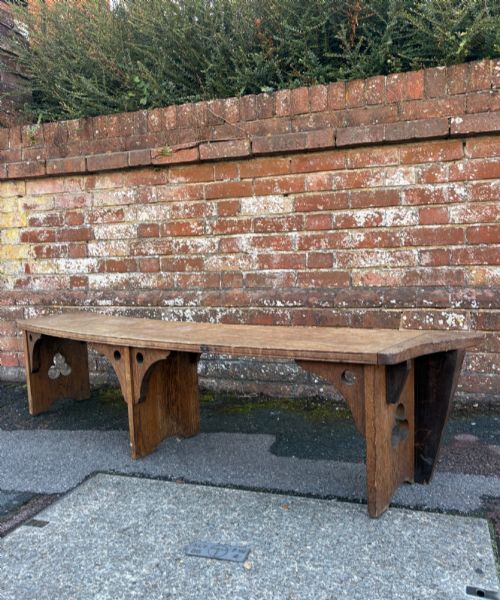
These brown oak hall seat examples bring solid timber and sturdy seating to an entranceway, spanning centuries of vernacular and revival design.
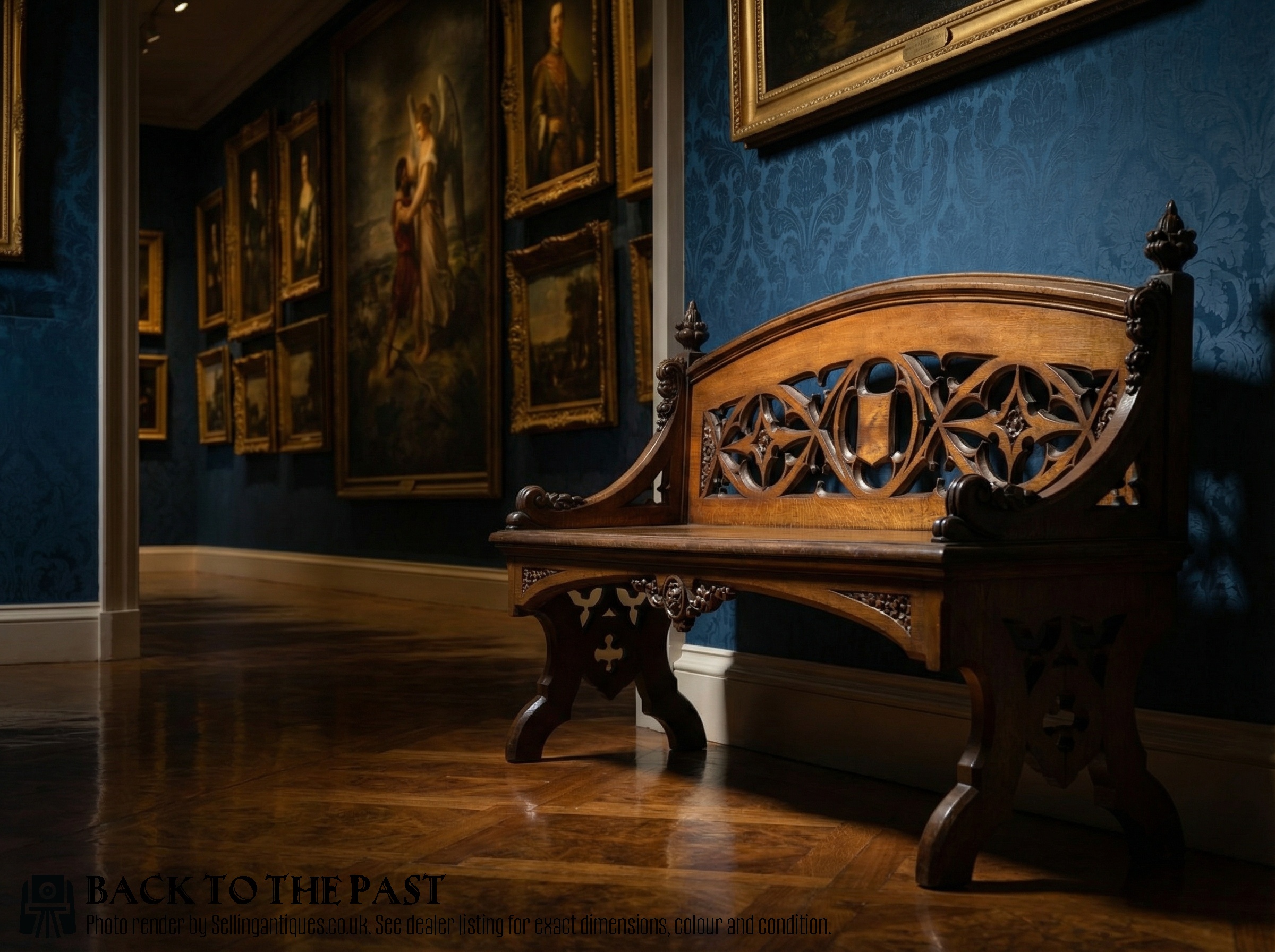
Brown Oak Hall Seat
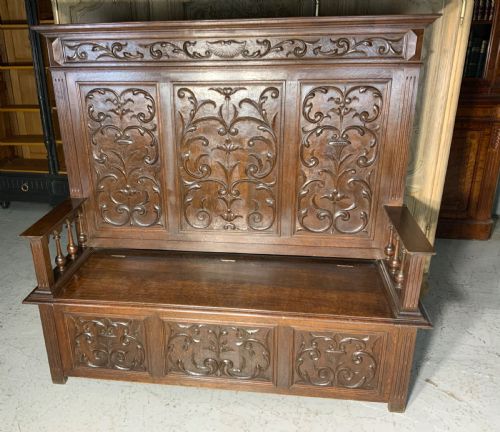
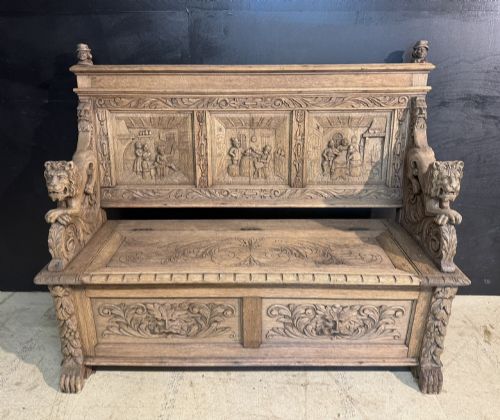
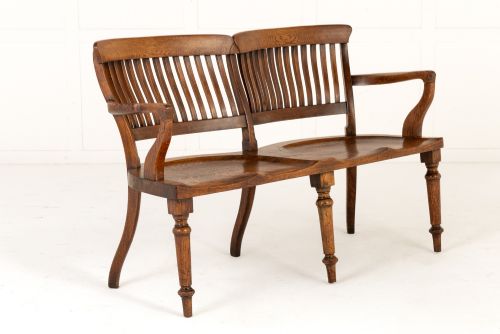
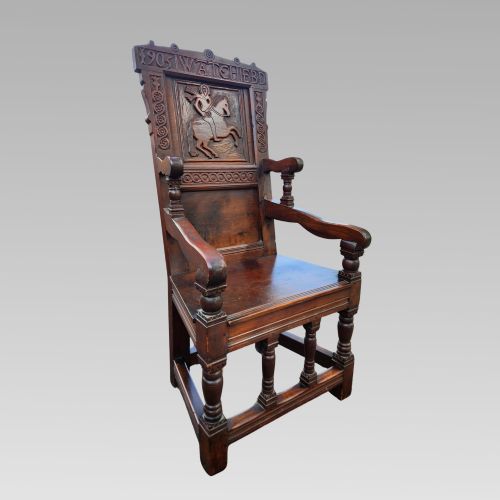
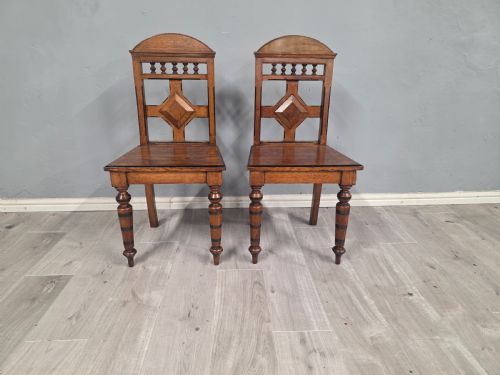
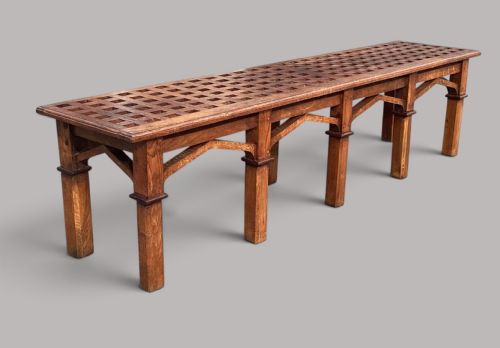
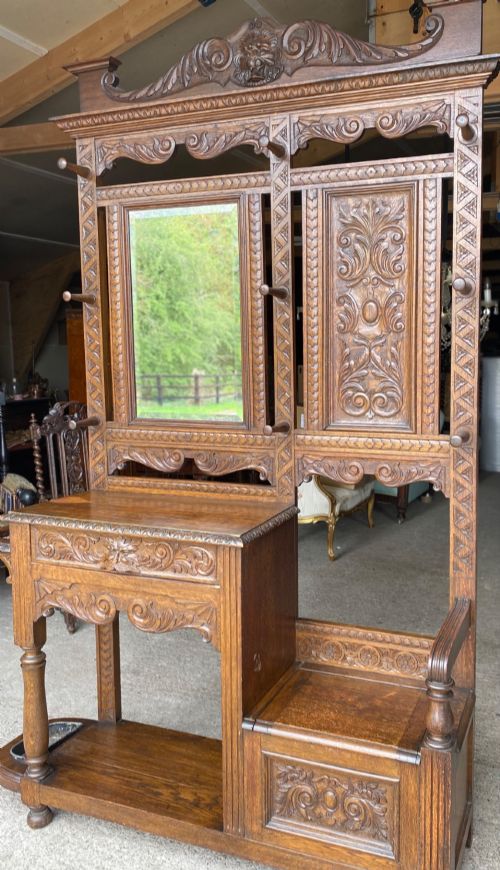
A brown oak hall seat provides practical seating in an entrance hall, vestibule, or reception space using robust timber. These pieces range from simple benches and long tavern seats to high-backed settles and box seats with storage.
The selections on this page appear most frequently in 18th-century, 19th-century, and Victorian periods, often displaying Georgian vernacular or Gothic Revival influences. Many incorporate panelled backs, carved supports, or hinged lids for storage beneath the timber seat.
Makers and workshops of various scales produced these items across England, Scotland, Ireland, and France, utilising sturdy local woods. Buyers encounter everything from utilitarian farmhouse benches to elaborate architectural seating marked by trefoil details.
How they were made
Cabinet makers and vernacular joiners constructed these seats primarily from solid oak, sometimes combining it with ash for structural framing. Metal elements such as iron and brass appear in hinges, brackets, and structural fixings.
Surface details rely heavily on hand carving, panel construction, and pegged joinery rather than applied veneers. Upholstered variants incorporate leather, fabric, or rush seating supported by internal webbing or stuffing.
Brown Oak Hall Seat Retail Price Guide 2026
Typical asking prices for brown oak hall seat among the pieces listed under this phrase on Sellingantiques today, from the lower quarter to the upper quarter. They describe what is for sale here now, not the wider market.
The inventory spans the seventeenth, eighteenth, and nineteenth centuries, including Victorian and Edwardian examples.
What varies in quality
The depth of carved detail and the crispness of architectural motifs, such as Gothic trefoils or tulip decorations, distinguish standard joinery from finer workshop production. Substantial timber thickness and intact original box construction also elevate a piece.
The integrity of the structural frame, original hinges on box settles, and the preservation of the natural oak surface determine the desirability of individual examples.
GIllows·Liberty·James Shoolbred and Co
The Brown Oak Hall Seat Glossary
- Settle
- A wooden bench with a high back, solid arms, and often a closed base or box compartment beneath the seat. This form kept draughts away from people sitting near hallway entrances.
- Box settle
- A form of seating featuring a hinged lid that opens to reveal storage space inside the base. It combines furniture utility with container storage.
- Gothic Revival
- A style drawing on medieval architectural forms, visible in pointed arches, trefoil carvings, and heavy framing. It appears frequently on nineteenth-century benches and chairs.
- Vernacular
- Furniture made by local tradesmen using regional traditions rather than following strict high-style pattern books. These pieces prioritize function and local material availability.
Brown Oak Hall Seat: Frequently Asked Questions
What is a brown oak hall seat?
A brown oak hall seat is a wooden bench, settle, or box seat designed for placement in a hallway or entranceway. These items provide functional seating while utilising durable timber suited to high-traffic areas.
Designs range from plain eighteenth-century farmhouse benches to highly carved Victorian Gothic Revival seating with integrated storage compartments.
How do I date an antique oak settle?
Dating relies on construction methods, timber patination, and stylistic markers such as panel thickness and joint types. Early pieces from the seventeenth century often show pegged mortise and tenon joints with simpler, heavier proportions.
Later Victorian and revival pieces frequently incorporate machine-sawn elements and decorative motifs like trefoils or linenfold carving that mimic earlier historical periods.
Where were hall benches used historically?
Historically, these seats stood in the grand halls, reception rooms, and boot rooms of country houses, farmhouses, and civic buildings. They offered visitors a place to remove outerwear or wait before entering main rooms.
Box variants also served to store blankets, muddy boots, or household sundries away from view.
How do I care for antique oak furniture?
Preserving these pieces involves maintaining stable indoor humidity levels and keeping timber away from direct heat sources and strong sunlight. Regular dusting with a dry, soft cloth protects the surface patination.
Application of appropriate wax polish helps nourish dry oak without building up heavy residues over time.