

Victorian Gothic Chairs
Victorian gothic chairs bring medieval architectural drama to domestic interiors through pointed arches, heavy timber, and solemn carved details.
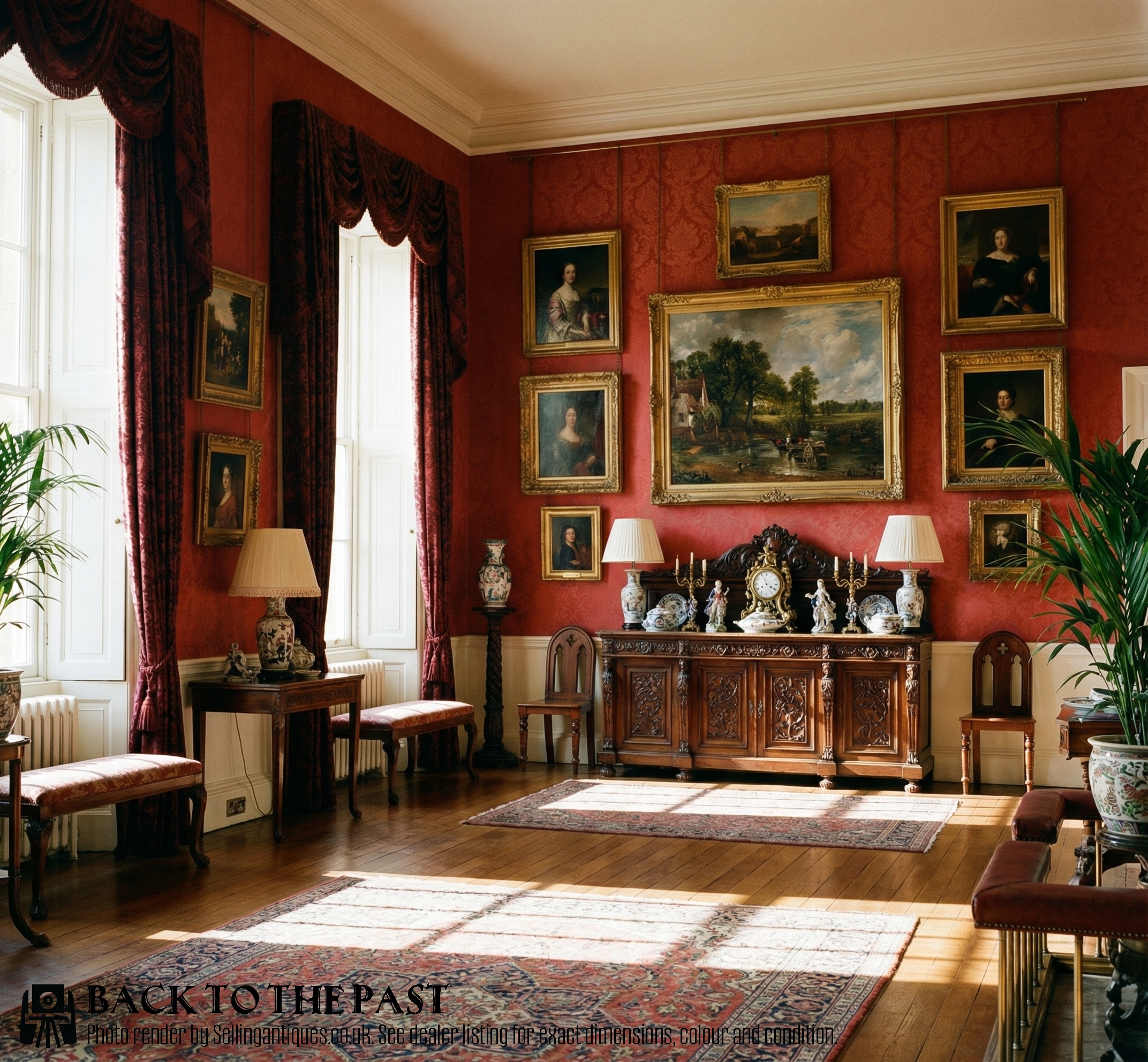
Victorian Gothic Chairs
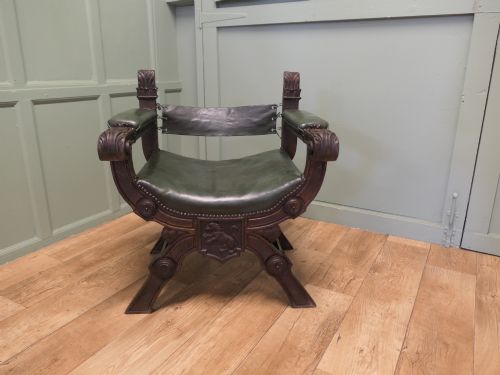
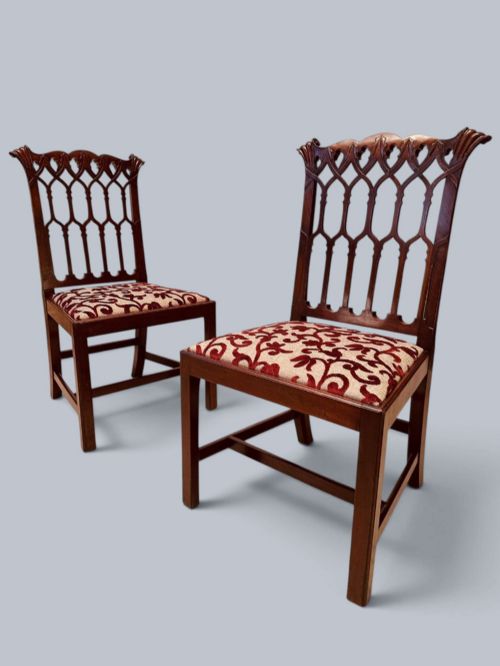
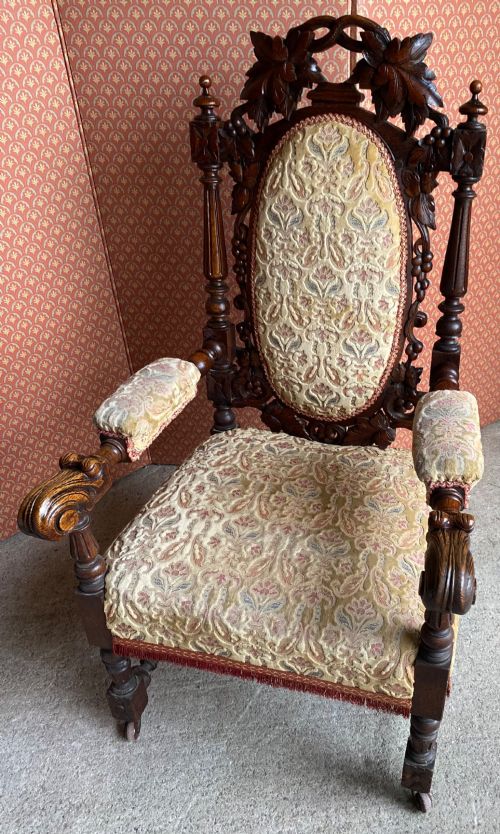
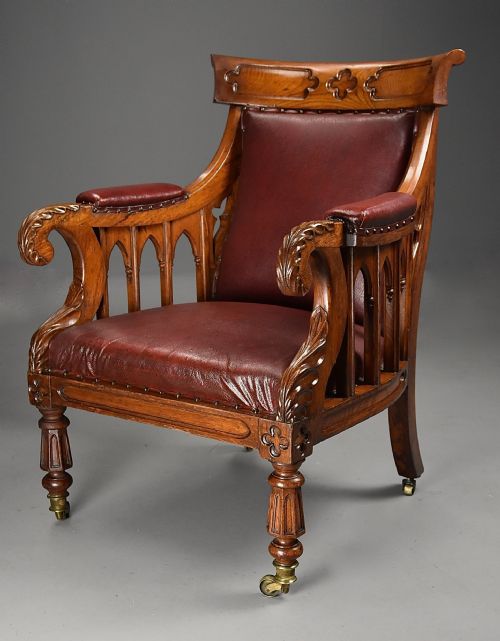
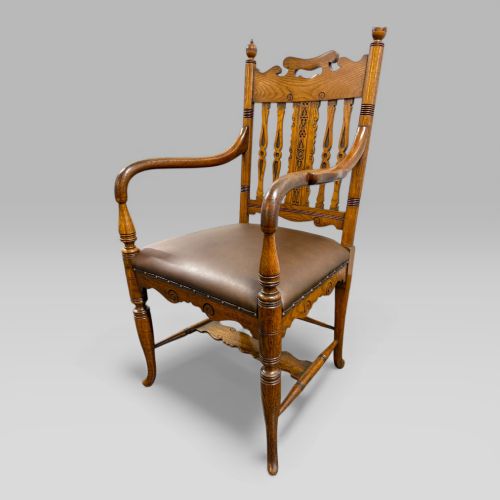
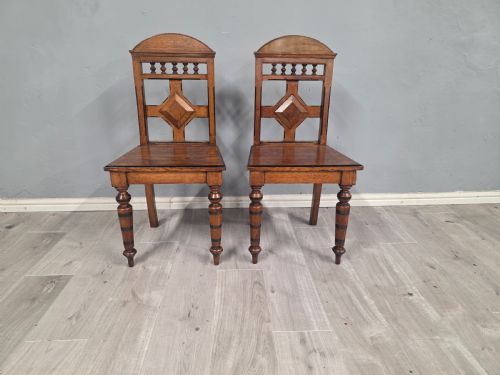
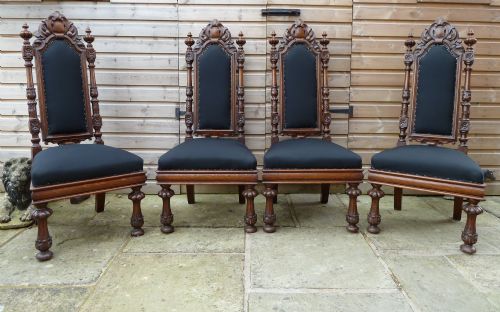
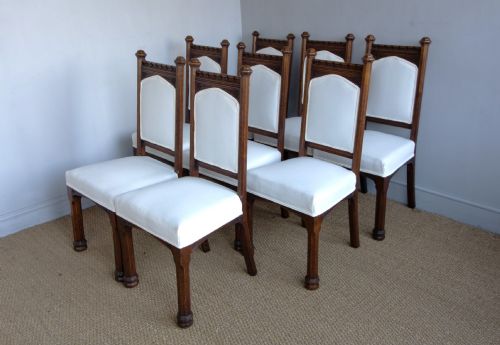
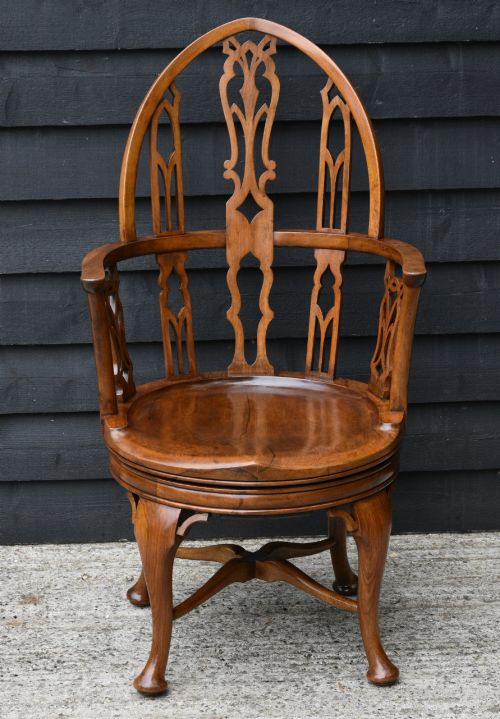
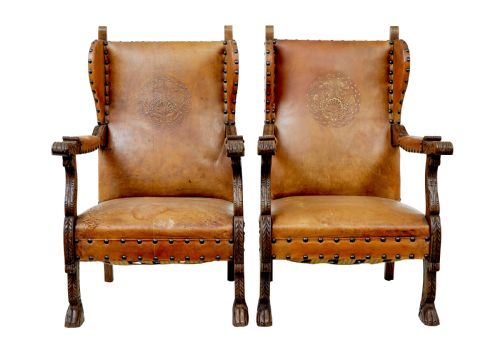
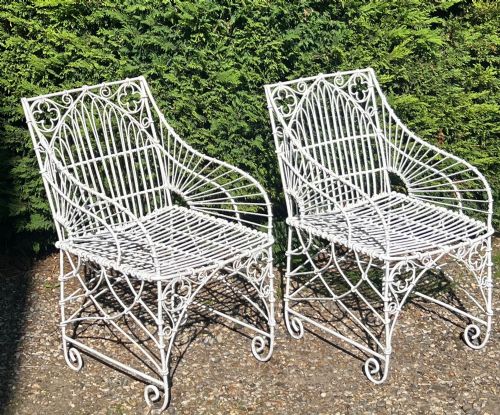
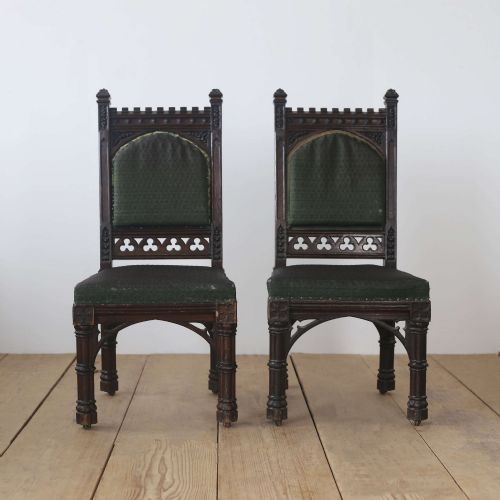
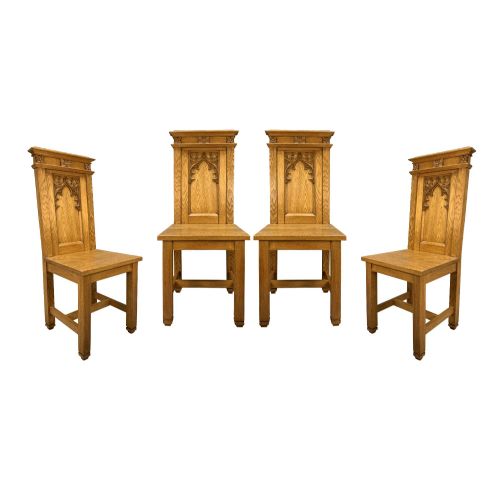
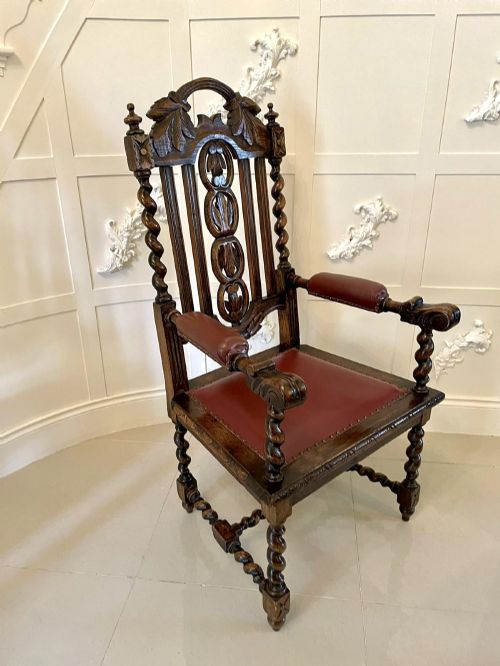
When searching for victorian gothic chairs, buyers encounter a robust array of seating designed during the nineteenth century under the influence of medieval revivalism. The items appearing most frequently on this page include sturdy oak dining chairs, hall chairs with heraldic or architectural shielding, and substantial armchairs like the X-framed Glastonbury form.
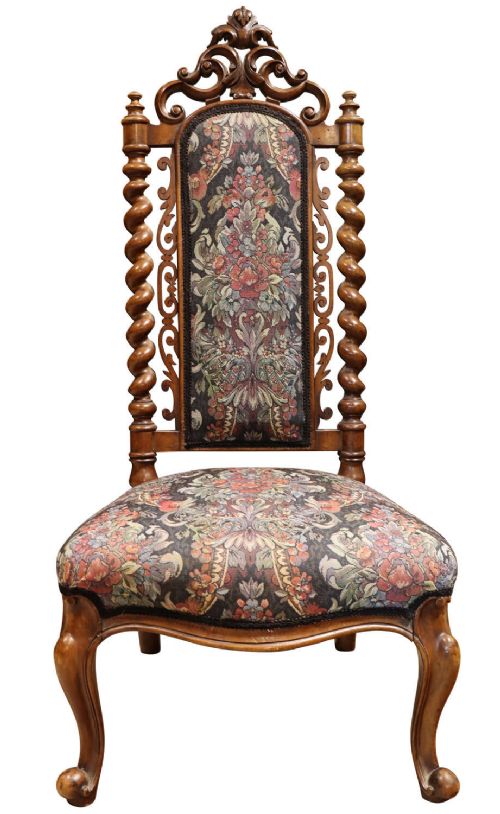
Makers adapted ecclesiastical motifs for domestic settings, producing high-back chairs alongside revolving desk variants and occasional pieces in rosewood or walnut. These seating forms served functional roles in libraries, halls, and dining rooms while projecting a serious, historicised aesthetic.
Assessing Quality and Craftsmanship
Quality rests upon the crispness of the architectural carving and the selection of timber, where dense, figured oak or exotic rosewood indicates higher ambition from the workshop. The integration of structural elements, such as pinned mortise and tenon joints, determines whether a piece maintains its rigidity.
The sophistication of the design dictates distinction within the range, moving from plain utilitarian hall seating up to throne-like armchairs with intricate tracery, linenfold panels, and documented maker provenance.
Victorian Gothic Chairs Retail Price Guide 2026
Typical asking prices for victorian gothic chairs among the pieces listed under this phrase on Sellingantiques today, from the lower quarter to the upper quarter. They describe what is for sale here now, not the wider market.
Listings span the nineteenth and early twentieth centuries, featuring oak, rosewood, walnut, and pitch pine across dining, desk, and garden forms.
W.A. Willcocks·Goodall, Lamb and Heighway
The Victorian Gothic Chairs Glossary
- Glastonbury chair
- A low-backed armchair with an X-frame base and sloping arms, often inscribed with religious texts or gothic tracery. These forms originate from medieval prototypes.
- Hall chair
- A rigid wooden seat placed in entrance halls, typically featuring a solid carved back displaying heraldic shields or architectural motifs. They were designed for brief seating rather than comfort.
- Turners chair
- A heavy round chair constructed entirely from turned wooden spindles and rails, sometimes known as a roundabout or Glastonbury precursor. Their geometry stems from sixteenth-century traditions.
- Tracery
- Openwork ornamentation in stone or wood consisting of interlocking ribwork, frequently mimicked in the carved backs of these seats. It draws directly from cathedral window architecture.
- Jacobean Revival
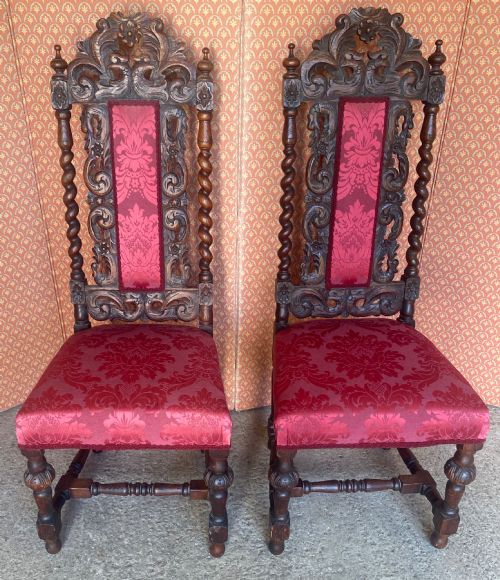
- A nineteenth-century style mimicking seventeenth-century English furnishings through heavy geometric mouldings, strapwork, and sombre timber tones. It often overlaps with gothic design vocabularies.
Victorian Gothic Chairs: Frequently Asked Questions
Where were these chairs placed originally?
These pieces were typically positioned in entrance halls, grand libraries, and formal dining rooms where their austere architectural presence could impress visitors.
Domestic interiors of the period utilised them to establish a solemn, historic atmosphere that reflected medieval or ecclesiastical grandeur.
How do I care for antique wood and leather?
Maintain the timber by applying traditional wax sparingly and keeping the surface away from direct heat sources and sunlight.
Leather seats benefit from gentle conditioning to prevent cracking, while the underlying joinery should remain undisturbed by excessive movement.
Are these seats comfortable for daily use?
Many examples prioritize rigid architectural form and upright posture over ergonomic comfort, particularly the high-backed hall chairs.
Upholstered armchairs and dining variants offer softer seating through padded leather or textile pads, though they remain firm compared to modern furniture.
How do I distinguish regional styles?
Distinctions often emerge through the choice of timber and regional workshop habits, such as Channel Islands makers utilising rosewood while mainland English shops favoured oak.
Carving motifs also shift between strict gothic revivalism and heavier seventeenth-century Jacobean revival interpretations.