


Gothic Revival Seating
Gothic revival seating combines architectural forms with sturdy timbers, offering functional history for a modern room.
Gothic Revival Seating
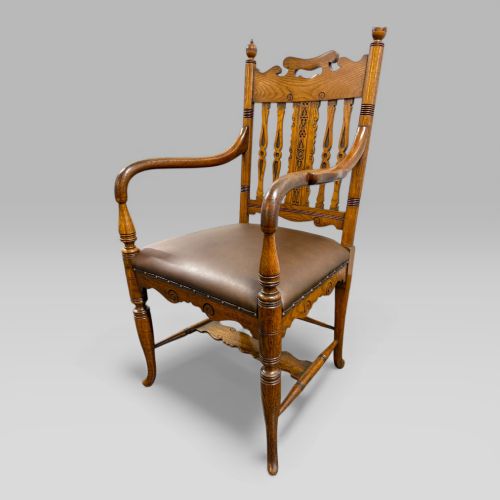
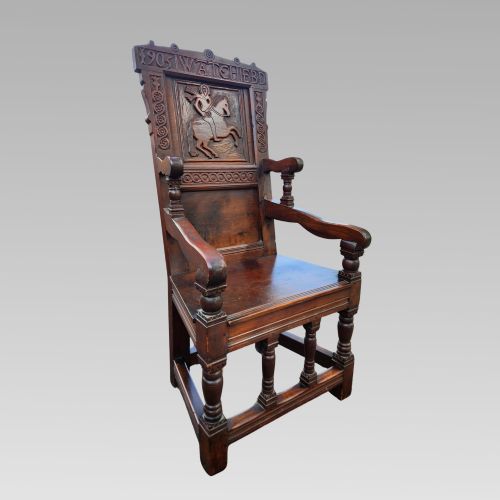
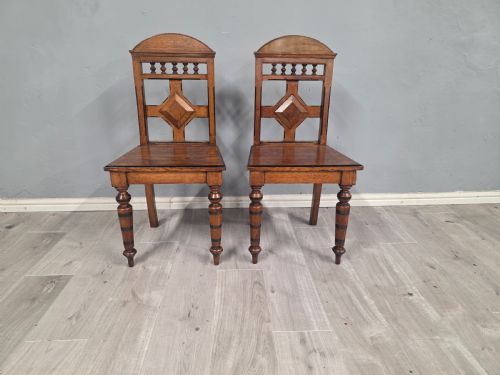
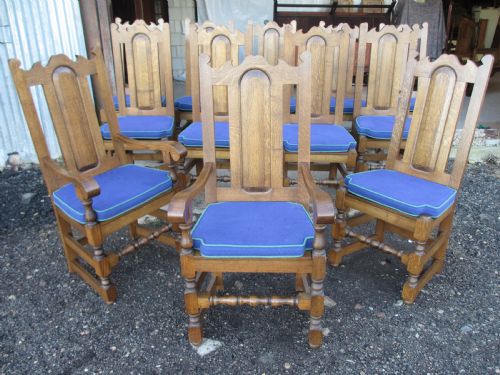
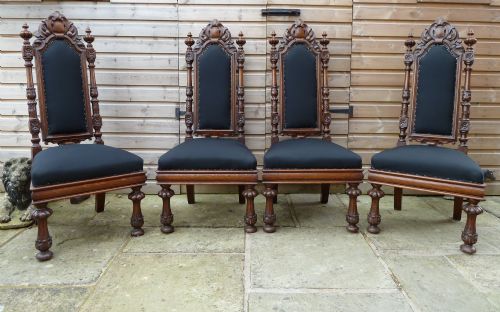
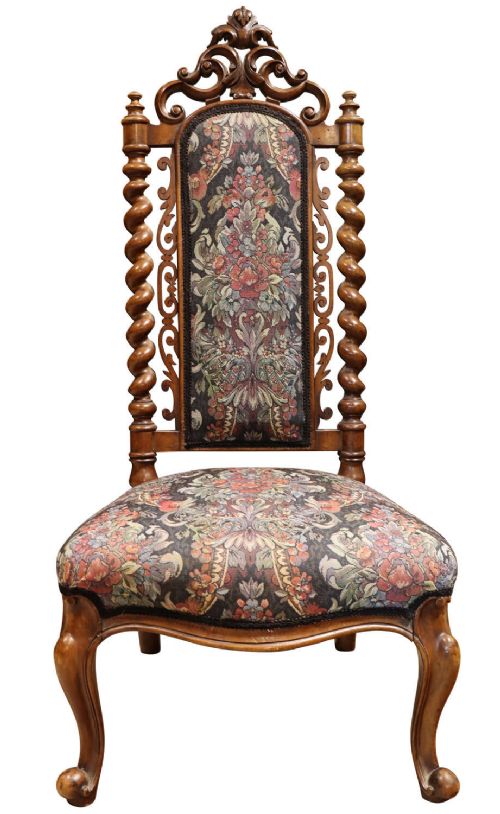
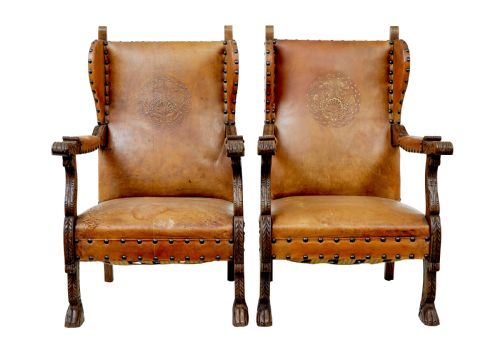
These items encompass armchairs, hall chairs, dining chairs, benches, side chairs, and desks chairs shaped by architectural movements of the nineteenth century.
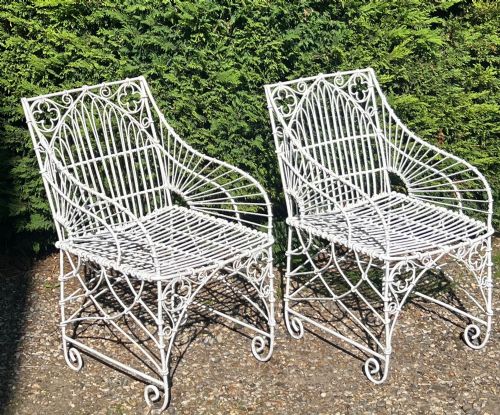
The selections span dining sets, single hall seats, and garden benches from Victorian and Edwardian periods.
Origins include English workshops, Scottish Baronial designs, and continental European influences.
Materials and construction methods
Makers utilised solid oak, pitch pine, rosewood, and walnut, often joined with robust pegging for heavy daily use.
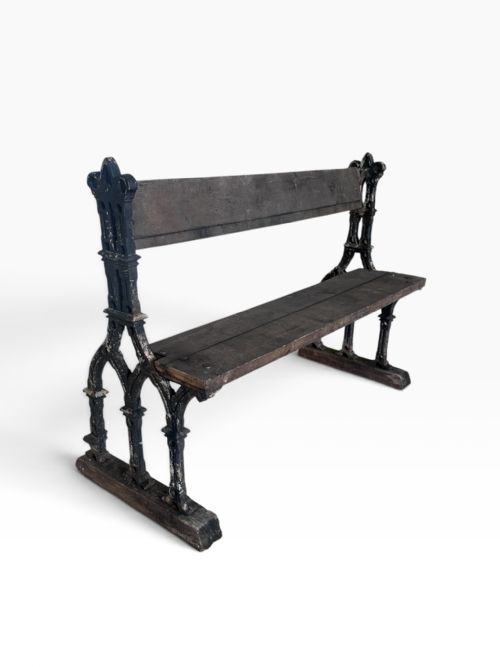
Metalwork appears in cast iron and wrought iron garden pieces, alongside brass detailing.
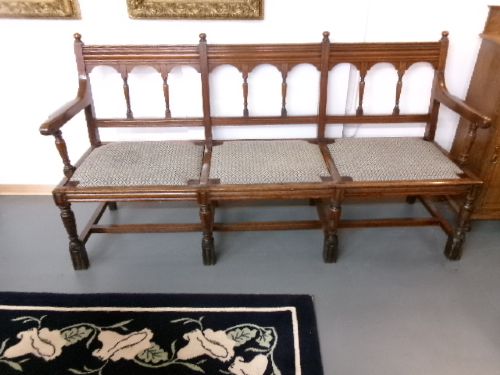
Upholstery relies on embossed leather, tapestry fabrics, and supportive cane or timber slats.
Gothic Revival Seating Retail Price Guide 2026
Typical asking prices for gothic revival seating among the pieces listed under this phrase on Sellingantiques today, from the lower quarter to the upper quarter. They describe what is for sale here now, not the wider market.
Object types range from church pews and hall benches to revolving desk chairs.
Assessing quality in construction
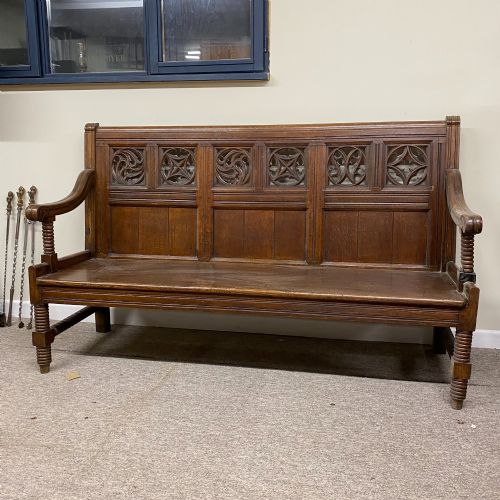
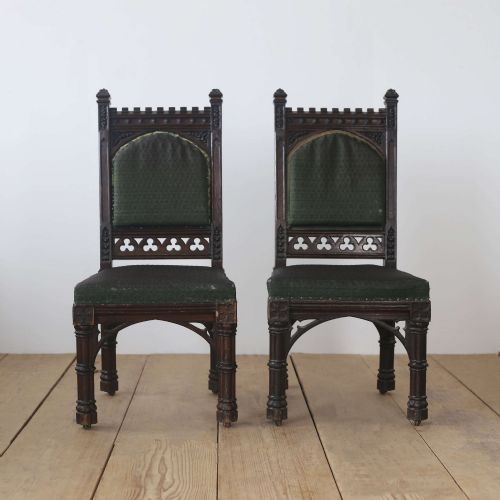
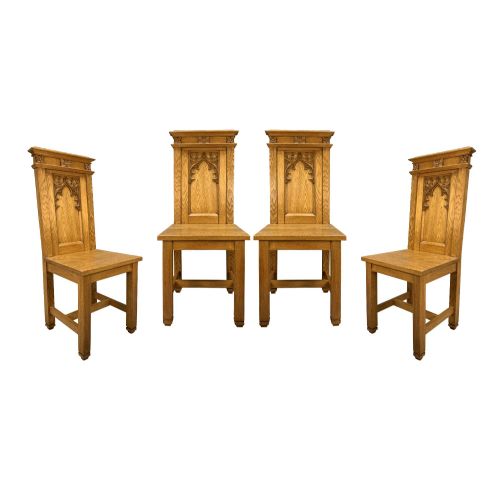
Depth and crispness of timber carving define finer examples, particularly where trefoil motifs and tracery appear.
Structural integrity depends on the original timber joints remaining tight without excessive modern intervention.
Materials selection elevates certain pieces, such as dense rosewood or heavy architectural oak over simpler pine.
GIllows·W.A. Willcocks
The Gothic Revival Seating Glossary
- Trefoil
- A three-lobed ornamental design resembling clover leaves, frequently pierced through chair backs and bench supports.
- Glastonbury chair
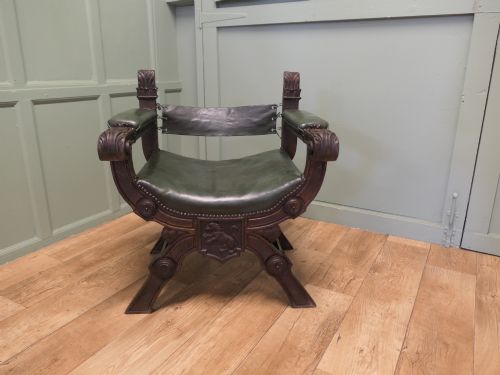
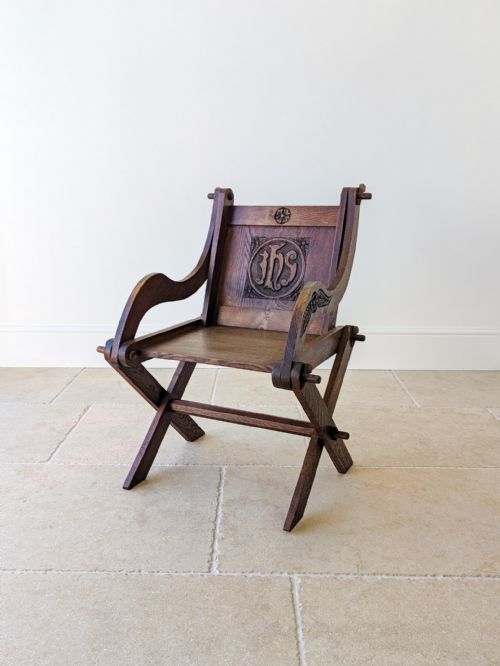
- A pegged wooden armchair with an X-framed base and a sloping panel back, associated with ecclesiastical seating.
- Scottish Baronial
- A heavy architectural style featuring crow-stepped lines and martial motifs reminiscent of northern castles.
- Jacobean Revival
- A seventeenth-century design revival incorporating turned legs and geometric panel carving.
Gothic Revival Seating: Frequently Asked Questions
Where were these chairs used?
Many of these pieces served in domestic halls, libraries, and formal dining rooms of nineteenth-century homes. Others furnished ecclesiastical spaces and institutional buildings.
Sturdier iron and timber variants were also built for outdoor gardens and conservatory settings.
How do I identify a Glastonbury chair?
Glastonbury chairs are recognised by their characteristic X-shaped folding base and sloping panel backs. They draw on medieval church furniture models.
Constructed mainly from oak or pitch pine, they feature pegged joints and trefoil cut-outs.
Are these seats comfortable for daily use?
Many styles feature upright timber backs designed for formal posture rather than lounging. Examples with upholstered leather or tapestry seats offer more cushioning.
Dining chairs and armchairs function well for everyday seating around a table.
How do I distinguish oak from pitch pine?
Oak exhibits prominent medullary rays and an open grain with considerable weight. Pitch pine displays a distinct resinous grain pattern with warm yellow tones.
Both timbers provide the structural strength needed for heavy architectural frames.