


Dark Oak Footstool
A dark oak footstool brings honest timber and sturdy vernacular craft into a room, offering low seating that has served English interiors for centuries.
Dark Oak Footstool
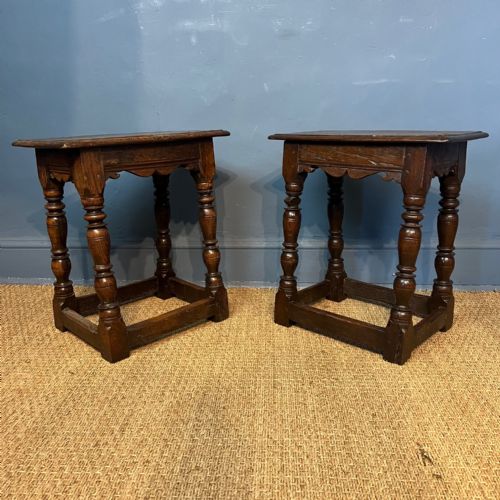
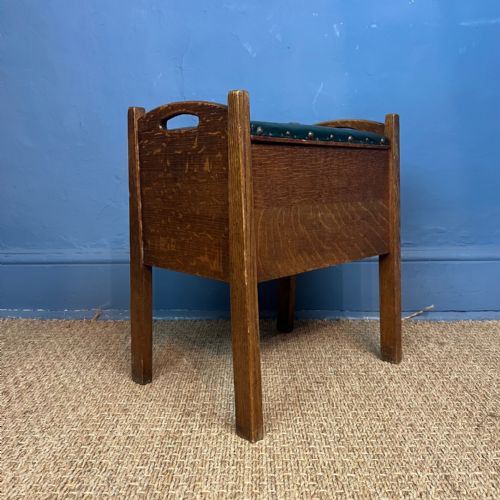
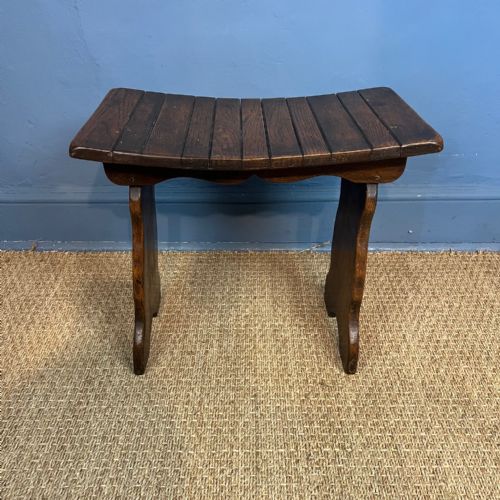
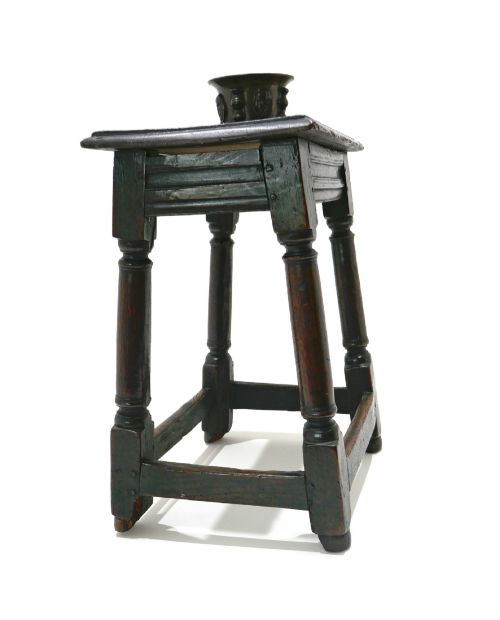
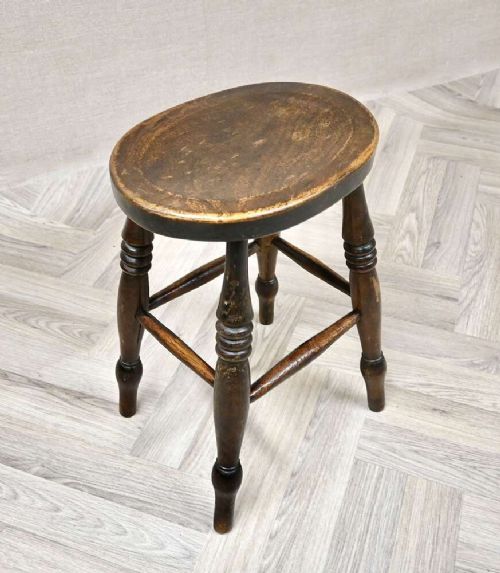
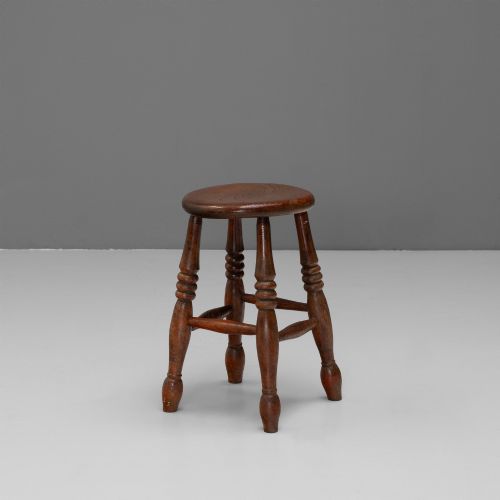
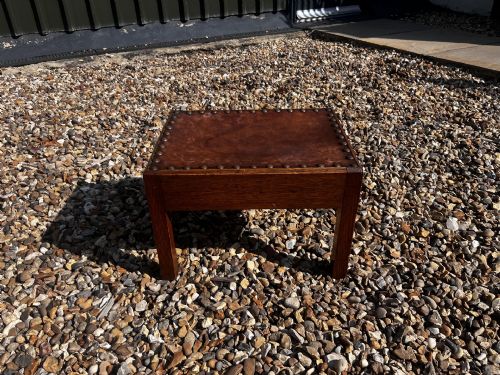
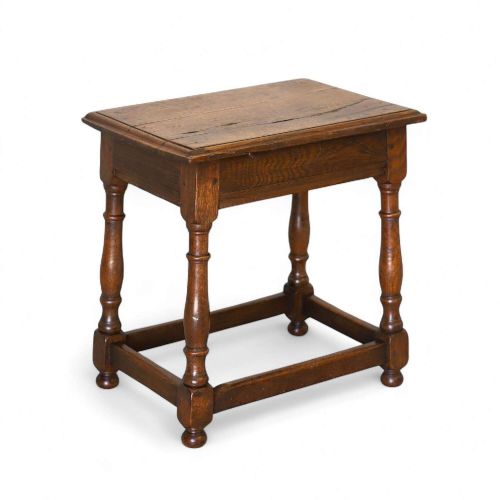
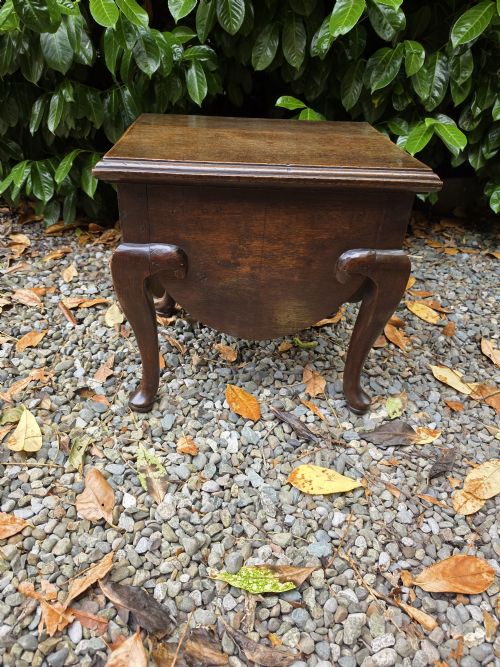
Buyers seeking a dark oak footstool encounter a range of forms spanning from seventeenth-century joint stools to nineteenth-century vernacular seating and Arts and Crafts creations. The selection relies heavily on provincial English craftsmanship, featuring sturdy construction designed for daily utility.
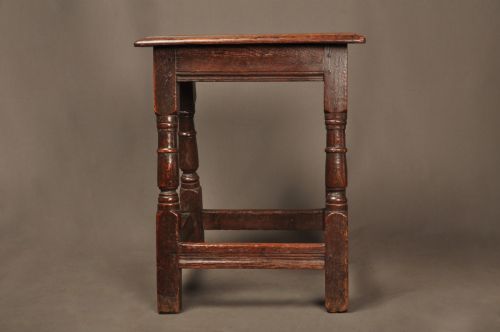
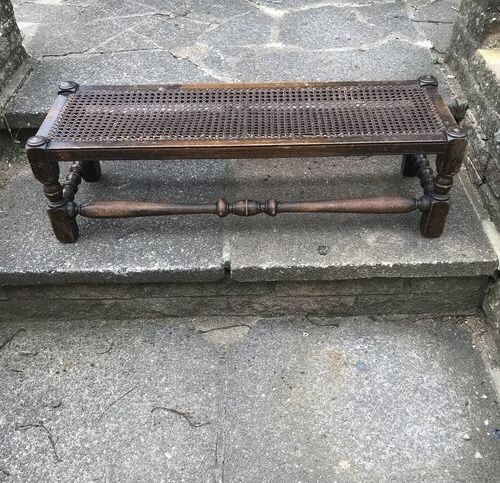
The version most commonly met on this page is the nineteenth-century interpretation of earlier styles, alongside genuine seventeenth and eighteenth-century examples built with pegged joints and solid timber seats. Forms vary from simple three-legged stools to jointed stands and low rectangular benches.
Makers and regional joiners utilised native hardwoods, often combining oak with elm or incorporating rush and leather for seating pads. These pieces reflect historical periods including the Georgian era, the Victorian period, and the Arts and Crafts movement.
Materials and construction methods
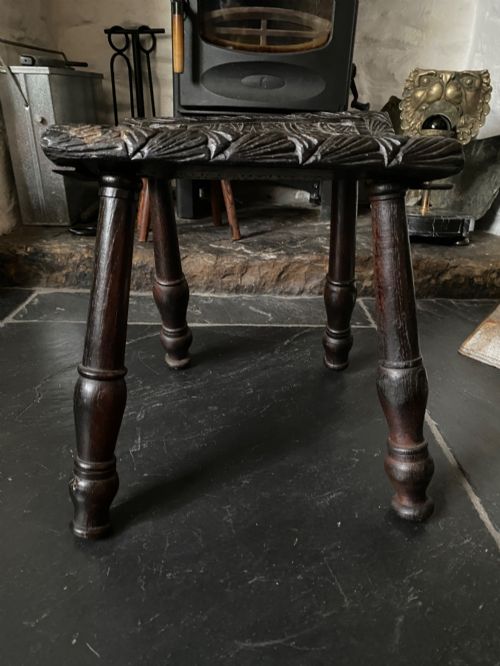
Construction typically centres on solid oak framing, frequently joined using traditional pegged tenons and mortises that provide rigid durability without metal fasteners. Secondary timbers such as elm appear in shaped or sculpted seats, while turned legs demonstrate lathe work from various centuries.
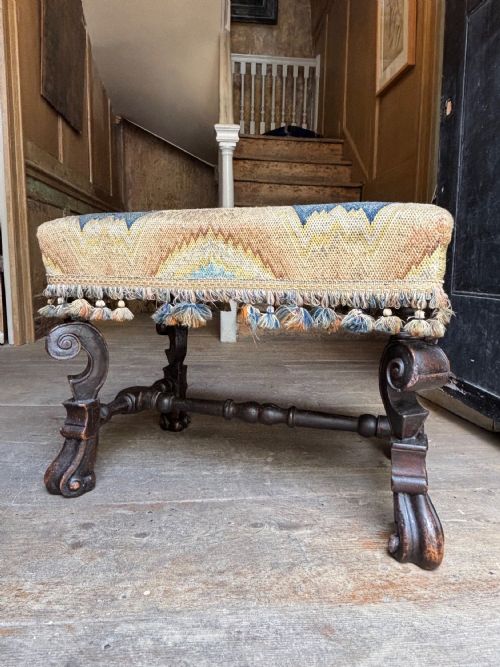
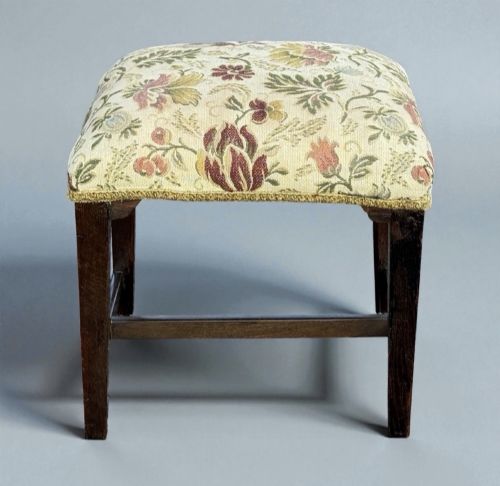
Surface treatments rely on natural wax finishes and centuries of handling to build a deep patina over the hardwood. Upholstered variants incorporate fabric, leather, or tapestry stretched over internal frames, sometimes complemented by brass detailing or carved decoration.
Dark Oak Footstool Retail Price Guide 2026
Typical asking prices for dark oak footstool among the pieces listed under this phrase on Sellingantiques today, from the lower quarter to the upper quarter. They describe what is for sale here now, not the wider market.
Some diminutive stools were built simply for nursery hearths, keeping little feet warm while grown-ups talked politics.
Quality factors in traditional seating
The standard of a dark oak footstool depends upon the integrity of its joinery and the preservation of its original timber components. Pieces retaining their initial pegged construction and unmodified surfaces demonstrate superior historical authenticity.
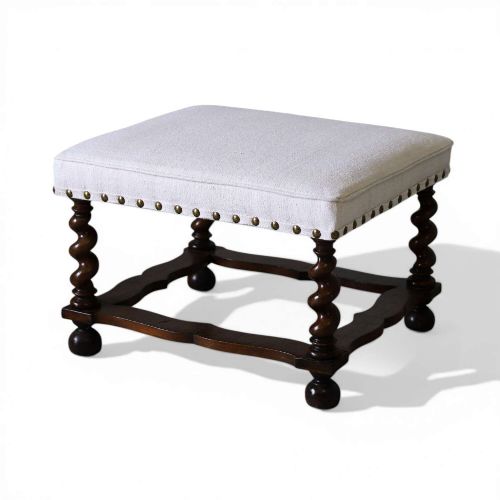
Proportion and execution distinguish provincial work from more refined interpretations, such as carved baroque details or balanced barley-sugar turnings. The depth of the timber's natural colour and the crispness of surviving hand-carved elements further separate standard examples from finer specimens.
Arthur Simpson Of Kendal·Jack Grimble·Liberty
The Dark Oak Footstool Glossary
- Joint stool
- A low wooden stool constructed with mortise and tenon joints, pegged together for stability rather than relying on glue. These sturdy items served multiple domestic purposes in early households.
- Carolean
- Pertaining to the reign of King Charles II, characterised by exuberant baroque forms, rich carvings, and turned legs. Furniture from this period exhibits a decorative flair distinct from earlier utilitarian designs.
- Vernacular
- Everyday objects made by local tradespeople following regional traditions rather than high-style academic designs. These pieces prioritise practical utility and local material availability.
- Pegged construction
- A method of joining wooden components by driving wooden pins through overlapping joints to secure them. This technique avoids metal nails and accommodates the natural movement of timber.
- Rush seat
- A seating surface woven from dried marsh plants, commonly utilised in country chairs and stools. This traditional method provides a flexible and durable platform.
Dark Oak Footstool: Frequently Asked Questions
How do I date a dark oak footstool?
Dating relies upon examining the construction techniques, tool marks, and style of the woodwork. Pegged joints, hand-turned legs, and the type of timber preparation provide clear indications of the period.
Secondary clues include the wear patterns on the feet and the depth of the patina accumulated on the oak over generations.
Were these originally used as footstools?
Many early forms started as low joint stools or seating for domestic tasks rather than dedicated rests for feet. Over time, changing living habits adapted these sturdy low pieces into footstools.
Shorter vernacular stools and upholstered benches naturally suited placement beside larger chairs for resting feet.
How should I care for antique oak furniture?
Maintaining these pieces involves keeping them away from direct heat sources and sudden humidity changes to prevent the timber from splitting. Applying a quality beeswax occasionally nourishes the dry wood.
Avoid modern liquid polishes that can build up a residue and dull the natural patina developed over the centuries.
What is the difference between a joint stool and a regular stool?
A joint stool is built by professional joiners using strict frame construction and pegged mortise and tenon joints. This method creates a rigid platform strong enough to stand upon as well as sit.
Regular country stools often employ simpler or vernacular methods, sometimes featuring three legs socketed directly into a solid wooden seat.