



Green Leather Stool
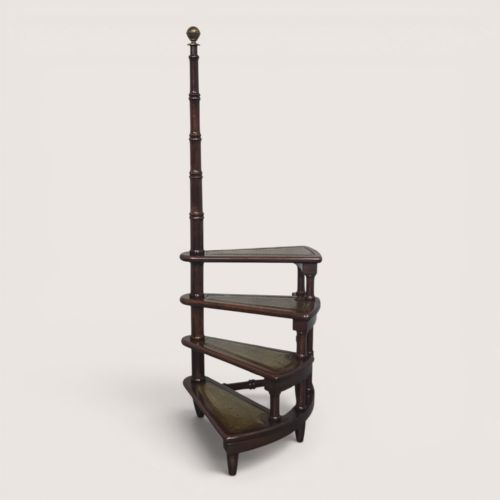
These green leather stool examples range from Regency library steps to Victorian buttoned footstools, offering period character and practical low seating.
Green Leather Stool
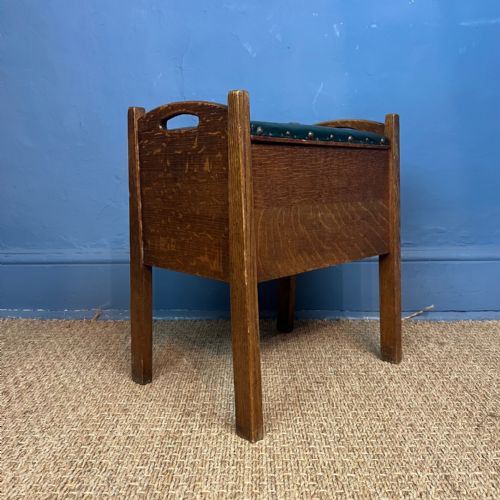
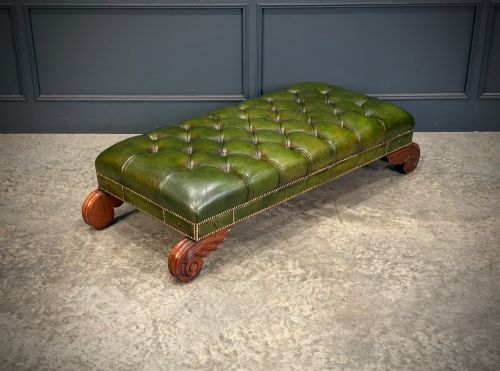
A green leather stool combines a sturdy timber frame with a leather top, functioning as a footrest, window seat or low bench. When you search for a green leather stool, you encounter varied forms spanning the Georgian, Regency and Victorian eras.
The selection frequently includes mahogany frames with buttoned upholstery, oak joint stools, and specialised metamorphic pieces such as gout stools and library steps. These items serve multiple domestic roles across different historical periods.
Originating mostly from the nineteenth century, these pieces demonstrate traditional craftsmanship through timber selection and upholstery methods. Each variation reflects the prevailing style of its decade, from Gothic Revival to Edwardian simplicity.
Materials and construction
Frames rely primarily on solid timbers such as mahogany, oak and walnut, joined using traditional cabinetmaking techniques. These woods provide the structural integrity required for frequent use.
Upholstery involves stretched leather secured with metal studs, often featuring deep buttoning or plain surfaces. Certain pieces incorporate brass hardware, grapevine details or faux bamboo framing.
Green Leather Stool Retail Price Guide 2026
Typical asking prices for green leather stool among the pieces listed under this phrase on Sellingantiques today, from the lower quarter to the upper quarter. They describe what is for sale here now, not the wider market.
Some Victorian piano stools come prepared to swivel while you practice your scales.
Assessing quality and craftsmanship
The grade of timber and the precision of the joinery determine the overall standard of a piece. Finer examples show careful carving, fluted legs or cabriole shaping rather than plain structural framing.
The condition and handling of the leather upholstery significantly affect the character of the item. Superior examples retain patinated leather that complements the aged timber frame harmoniously.
The Green Leather Stool Glossary
- Gout stool
- An adjustable footstool designed to elevate and support a foot afflicted by gout. These metamorphic items often feature ratcheted mechanisms.
- Joint stool
- A solid oak seating form constructed with mortise and tenon joints. These sturdy pieces date back to earlier revival styles.
- Buttoned leather
- Upholstery pulled into depressions and secured with pleats and tacks. This technique creates a distinctive geometric pattern across the seat.
- Metamorphic
- Furniture designed to transform into another functional object, such as library steps turning into a seat. This ingenuity characterises specific period pieces.
- Cabriole leg
- A furniture leg featuring a double curve resembling the legs of an animal. It typically terminates in a pad or carved foot.
Green Leather Stool: Frequently Asked Questions
Were these stools used in libraries?
Certain forms, particularly library steps and metamorphic seating, were specifically designed for book rooms. They allowed access to high shelves while doubling as functional seats.
Other variations served general domestic purposes in parlours, bedrooms and music rooms. Their compact size made them versatile additions to period homes.
How should I clean green leather?
Maintenance requires gentle dusting and occasional treatment with appropriate leather conditioners to prevent drying. Avoiding harsh chemicals preserves the historical patina.
Keeping the leather away from direct heat sources prevents cracking. Regular care ensures the surface remains supple over time.
What is a gout stool?
A gout stool is an adjustable rest designed to elevate the leg at a comfortable angle. These pieces often incorporate mechanical ratchets to alter the height.
They represent a specialised form of nineteenth-century domestic comfort. Their clever design makes them sought-after collector pieces today.
Are these stools sturdy enough for daily use?
Solid timber construction and traditional joinery make these pieces remarkably durable for everyday seating or footrests. Mahogany and oak frames provide lasting structural strength.
Care should be taken with antique mechanisms on metamorphic items. Gentle handling preserves both the timber and the upholstery.