


Carved Wooden Ottoman
These carved wooden ottoman pieces and related low seating combine solid timbers with intricate regional ornamentation to anchor a room.
Carved Wooden Ottoman
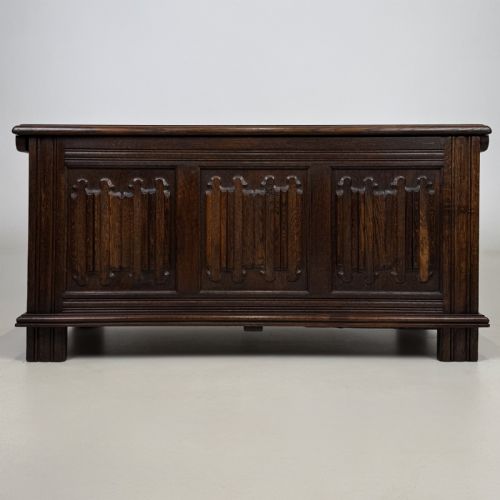
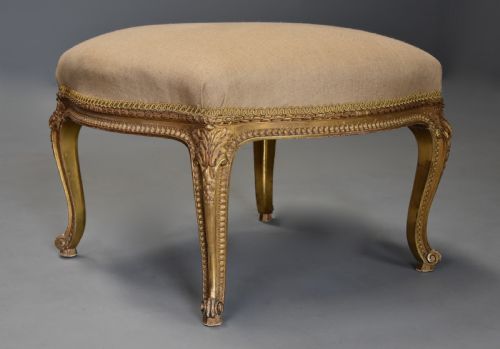
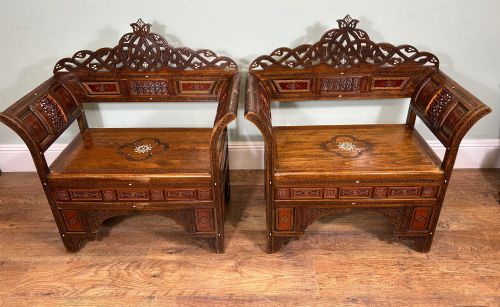
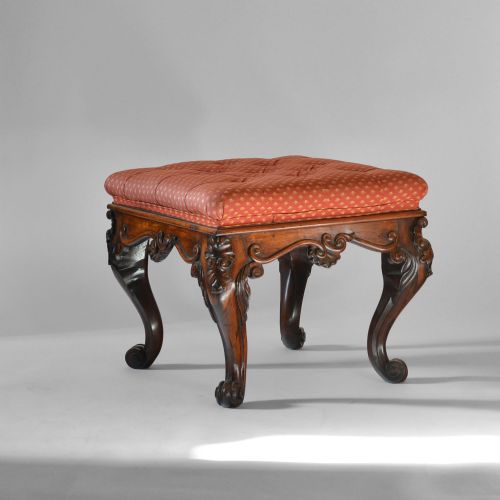
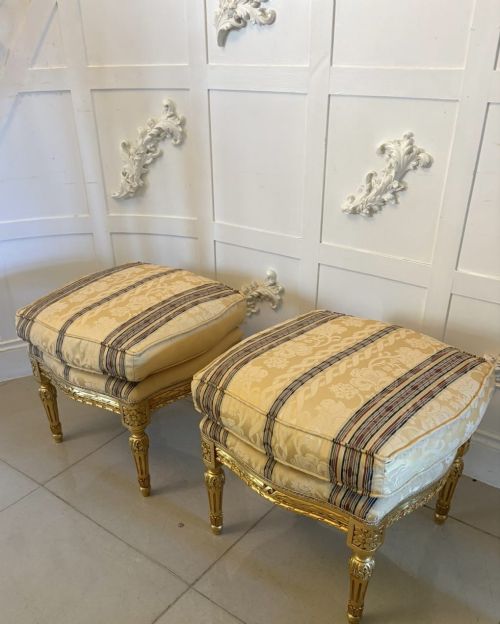
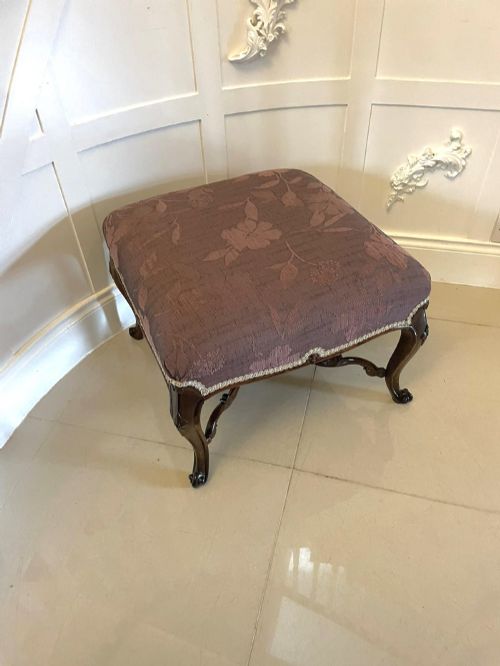
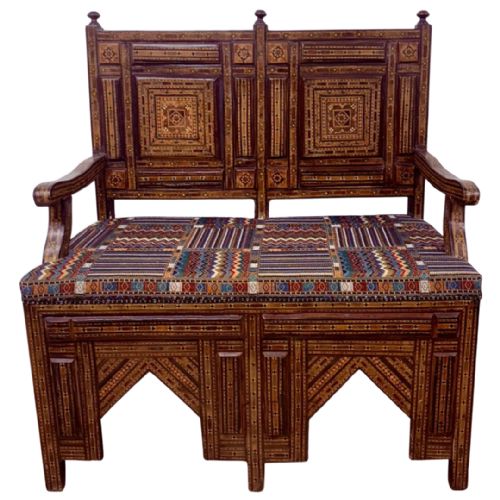
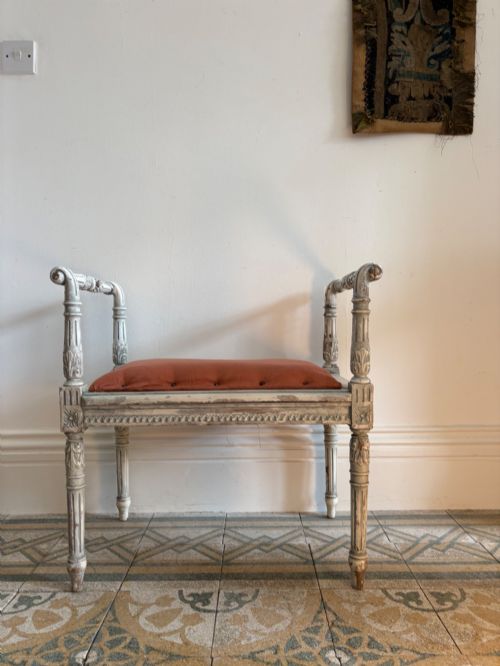
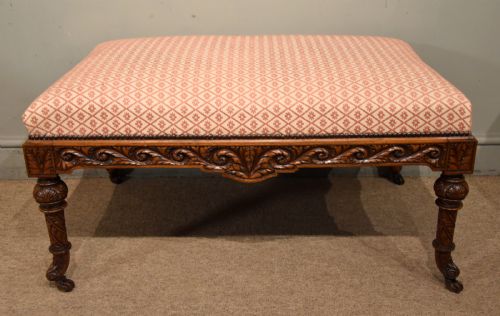
A carved wooden ottoman search brings up a diverse range of low seating, footstools, window seats, benches, and trunks produced across various periods including the nineteenth century and the early twentieth century. Buyers encounter forms drawing on diverse design traditions, from Anglo-Indian and Syrian workmanship to Victorian, Georgian, and French styles.
The pieces appearing on this page most frequently take the form of low stools, window seats, and storage chests rather than strict traditional ottomans, reflecting how makers adapted functional seating across different regions and workshops. Solid hardwoods such as walnut, mahogany, and rosewood underpin these forms, often paired with upholstered pads in fabric, tapestry, or silk.

How they were made
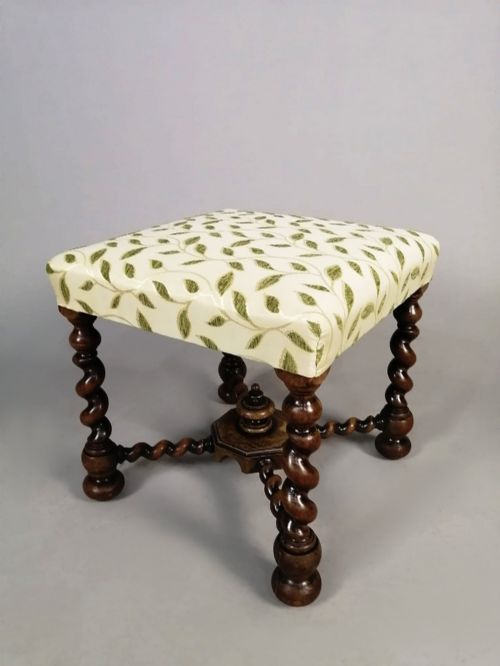
Craftsmen utilised dense woods like walnut, mahogany, rosewood, and general hardwood as the structural foundation for carving and joinery. Artisans shaped these timbers into frames utilising traditional methods, frequently incorporating turned supports, cabriole legs, or folding X-frames.
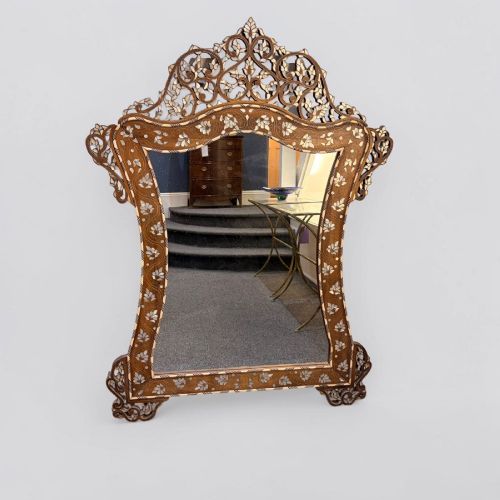
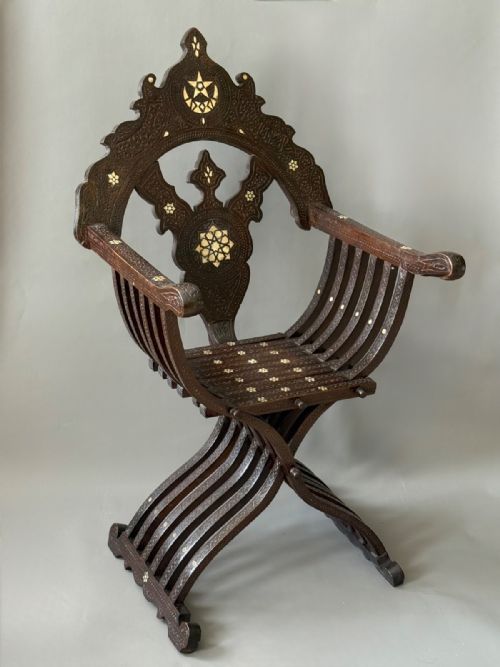
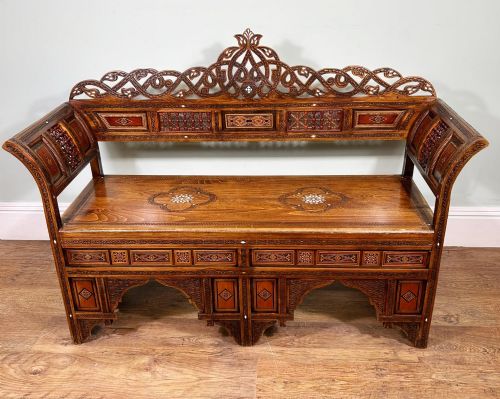
Surface decoration defined many regional variants, with Syrian and Middle Eastern workshops embedding mother of pearl and bone into hardwood surfaces to create geometric motifs. Upholstery followed structural completion, utilising materials such as silk, tapestry, and linen secured over padding for seating surfaces.
Carved Wooden Ottoman Retail Price Guide 2026
Typical asking prices for carved wooden ottoman among the pieces listed under this phrase on Sellingantiques today, from the lower quarter to the upper quarter. They describe what is for sale here now, not the wider market.
The inventory includes seating and storage forms ranging from French footstools and Gothic window seats to Damascus tables and Moorish ottomans.
What varies in quality
The precision and depth of the timber carving set different examples apart, where hand-tooled execution displays sharper relief and greater fluidity than simpler production work. Intricate inlay work, particularly involving mother of pearl or bone on Syrian and Middle Eastern pieces, relies on tight geometric fitting and minimal adhesive gaps to maintain visual coherence.
Structural integrity within the hardwood frame and the retention of original upholstery components, such as period textiles or appropriate needlework, influence the overall character of an item. The quality of the timber selection itself, from figured walnut to dense rosewood, dictates the weight and physical presence of the furniture.
Miles & Edwards
The Carved Wooden Ottoman Glossary
- Mashrabiya
- A traditional architectural element of turned wood intersecting to form geometric lattices, frequently adapted for furniture panels and decorative screens. This technique appears on tables and storage pieces originating from Damascus and surrounding regions.
- Curule
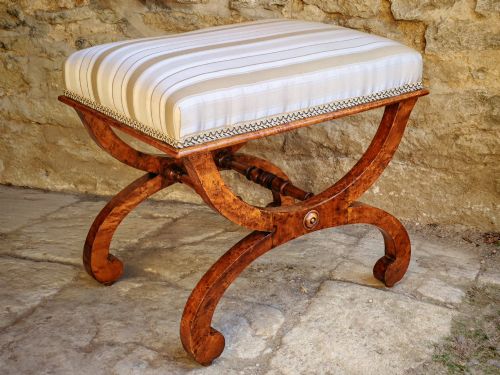
- A form of X-shaped stool or chair derived from ancient Roman magistrate seats. These folding or fixed frames provide stable support with curved legs crossing beneath the seat.
- Anglo-Indian
- A designation for furniture made in India during the British period, combining British furniture forms with traditional Indian carving and dense native timbers like rosewood. These objects often feature dense floral or foliate relief work.
- Gustavian
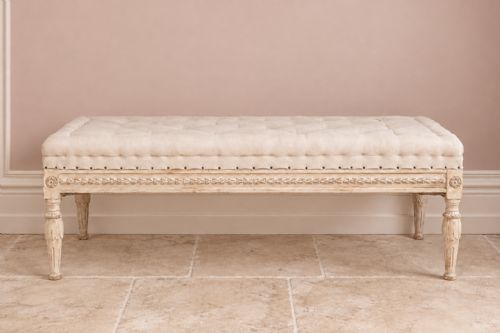
- The Swedish interpretation of Neoclassical design, characterised by light painted finishes, restrained carving, and symmetrical lines. Pieces from this tradition often feature pale upholstery and subtle fluting.
- Cabriole
- A furniture leg that curves outward at the knee and inward at the ankle, ending in a pad or foot. This form derives from classical furniture design and appears frequently on walnut and mahogany seating from the eighteenth and nineteenth centuries.
Carved Wooden Ottoman: Frequently Asked Questions
How do I date a wooden stool?
Dating a wooden stool involves examining the timber species, joinery techniques, and decorative styles visible across the frame. Victorian and Georgian pieces display distinct turning patterns and wood preparations unique to their manufacturing periods.
Construction marks, hand-cut joinery, and the style of any surface inlay or carving offer further clues regarding age. Comparing the piece to documented regional furniture types helps narrow down the decade of production.
Where were Syrian inlaid pieces made?
Syrian inlaid furniture was primarily produced in workshops centred around Damascus, utilising native hardwoods decorated with geometric patterns. Artisans cut tiny pieces of mother of pearl and bone to fit precisely into hand-carved channels within the timber.
These workshops exported folding tables, chairs, and storage trunks internationally during the late nineteenth and early twentieth centuries. The resulting items combine local joinery methods with intricate surface ornamentation.
How should I clean carved wood?
Cleaning carved wooden furniture requires gentle dusting with a soft brush to remove debris from deep recesses without damaging the timber surface. Avoid harsh chemical cleaners or excessive moisture that might compromise old finishes or lift delicate inlays.
Applying a traditional beeswax polish occasionally helps nourish hardwood surfaces like walnut and mahogany. Maintaining a stable indoor humidity level prevents the timber and inlaid materials from shrinking or cracking.