
Vintage Dressing Table Stool
A vintage dressing table stool completes a bedroom scheme, offering practical seating shaped by decades of traditional craftsmanship.
Vintage Dressing Table Stool
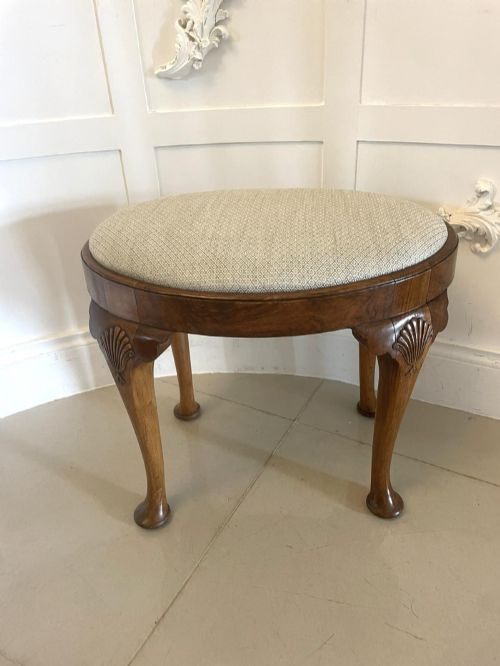
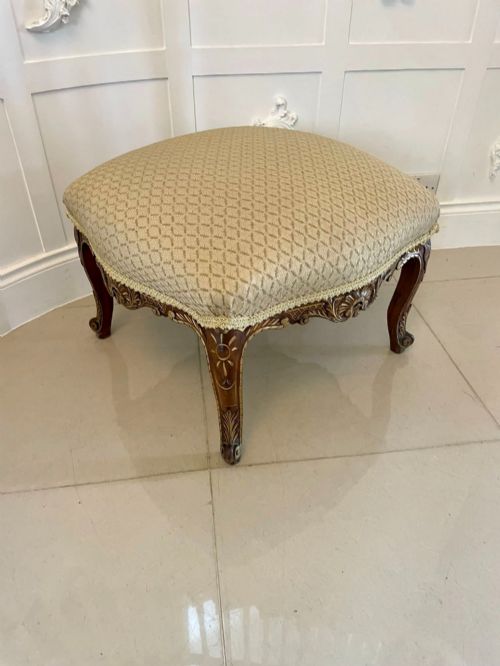
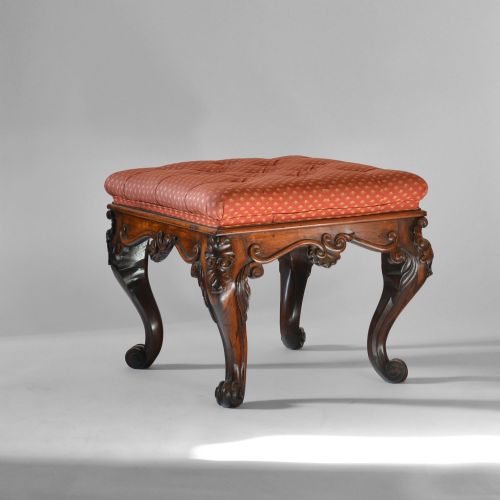
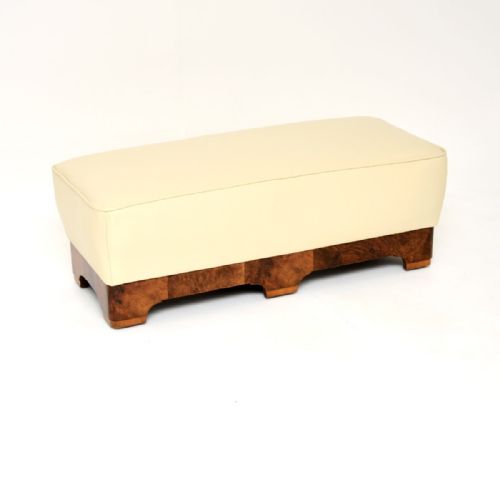
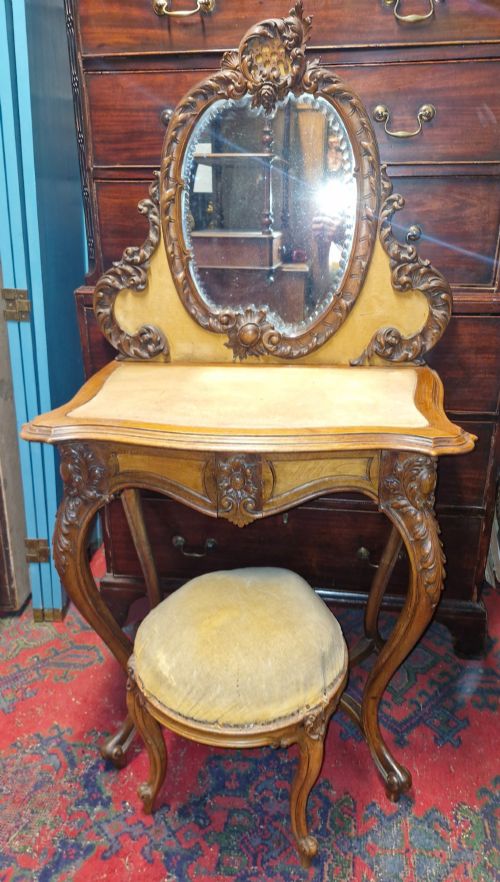
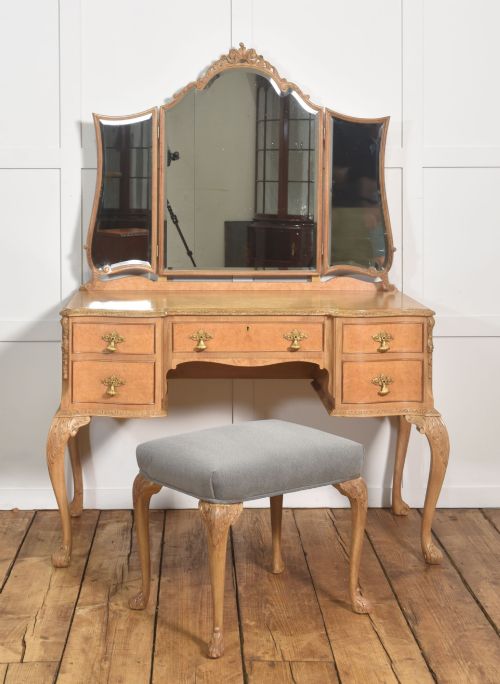
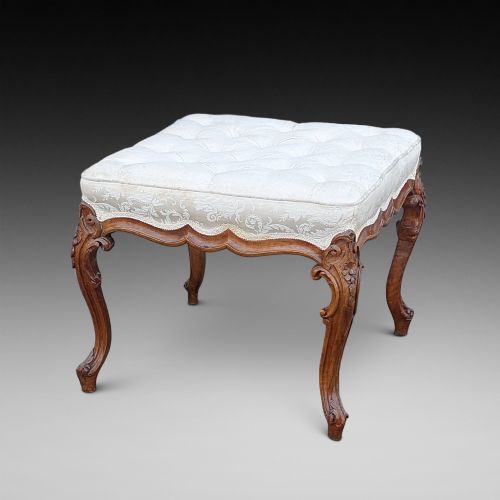
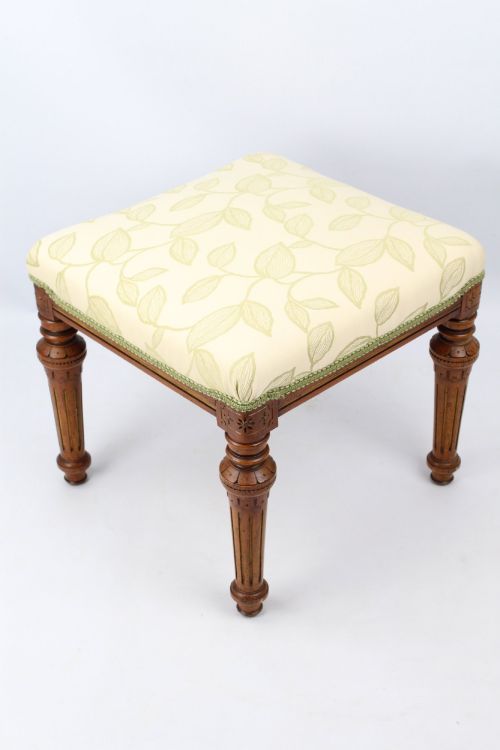
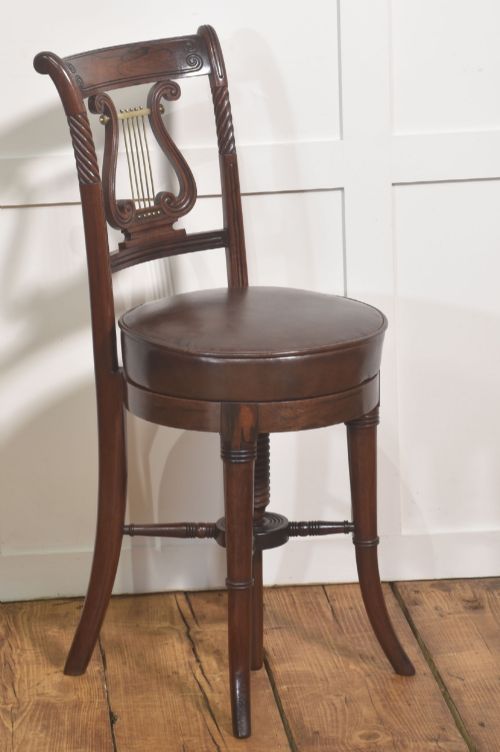
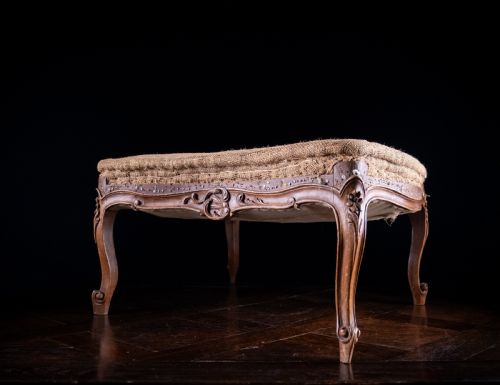
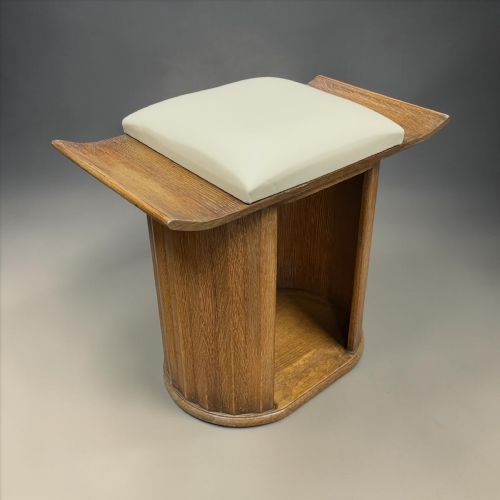
When you search for a vintage dressing table stool, you encounter low seating designed specifically for use at a vanity or dressing chest. These pieces range from Victorian carved wooden frames to streamlined Art Deco designs upholstered in leather or textile.
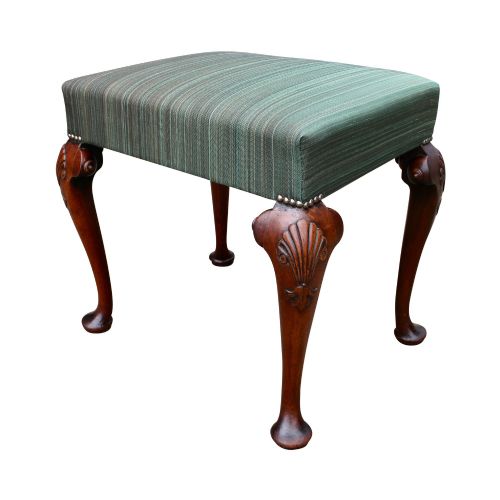
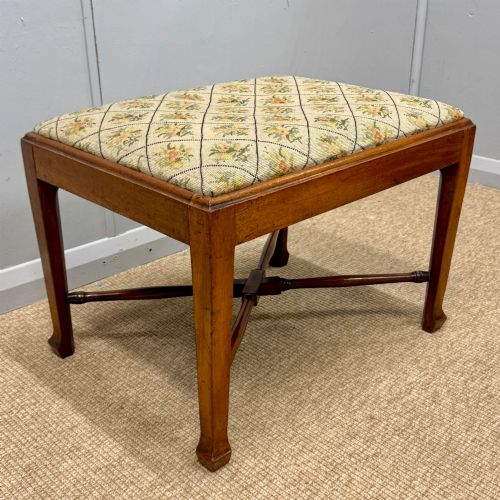
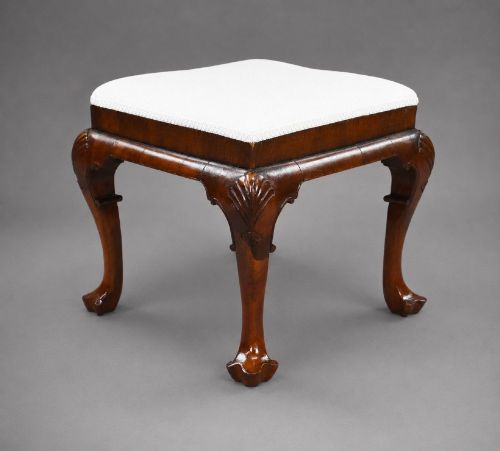
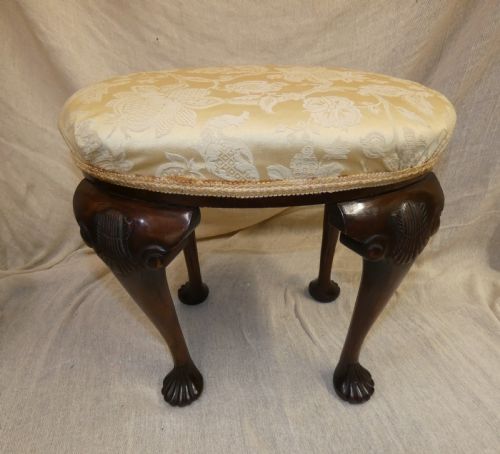
The most common versions on this page date from the nineteenth century through to the nineteen-thirties, frequently constructed from walnut or mahogany with distinct period detailing like cabriole legs or cross stretchers.
How They Were Made
Cabinet makers utilised dense hardwoods such as walnut, mahogany, oak, and sycamore to build sturdy frames, often incorporating intricate hand-carved details or gilt finishes. Selected examples feature specialised veneers like burr walnut or birds eye maple applied to geometric or curved structures.
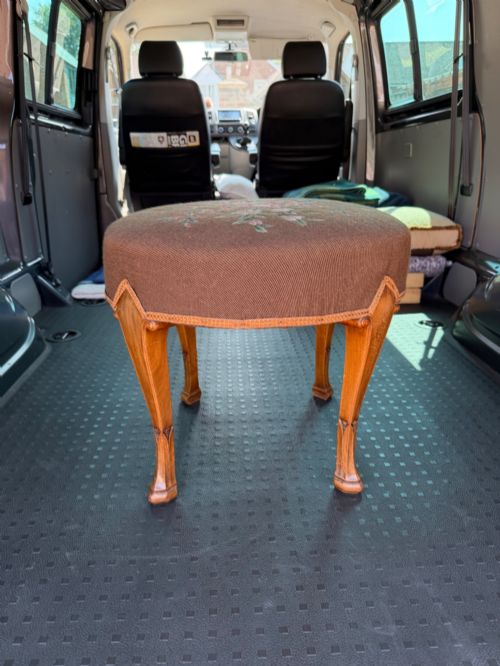
Upholstery techniques varied widely across the eras, utilising traditional horsehair stuffing, needlepoint textiles, velvet, and leather secured over wooden bases. Many surviving examples retain their original padding or have been fitted with new fabric covers to suit contemporary interiors.
Vintage Dressing Table Stool Retail Price Guide 2026
Typical asking prices for vintage dressing table stool among the pieces listed under this phrase on Sellingantiques today, from the lower quarter to the upper quarter. They describe what is for sale here now, not the wider market.
Listings feature items spanning the Victorian era, Edwardian period, and nineteen-thirties Art Deco movement.
What Varies in Quality
The standard of a vintage dressing table stool is determined by the selection of timber and the execution of the joinery within the frame. Pieces featuring figured veneers, solid mahogany or walnut, and finely carved cabriole legs represent a higher tier of craftsmanship than simpler utilitarian workshop output.
Attention to detail in the upholstery foundation and the integration of functional elements, such as adjustable mechanisms or internal storage compartments, further separate standard examples from finer collector pieces.
Harry and Lou Epstein
The Vintage Dressing Table Stool Glossary
- Cabriole leg
- A furniture leg that curves outward at the knee and tapers inward toward the foot, inspired by animal limbs. This form is frequently seen on Victorian and Queen Anne style walnut stools.
- Cross stretcher
- Wooden rails connecting the legs near the base to provide additional structural stability. These components are often shaped or turned on a lathe for decorative effect.
- Burr walnut
- A wood veneer taken from the warted growth of a walnut tree, prized for its complex, swirling grain patterns. It appears prominently on Art Deco dressing furniture.
- Needlepoint
- A form of counted thread embroidery stitched onto a canvas mesh to create durable decorative upholstery. This technique often appears on nineteenth century stool covers.
- Gilt
- A thin layer of gold leaf or gold paint applied to the surface of wood or gesso. It highlights carved ornamental details on Victorian and French style frames.
Vintage Dressing Table Stool: Frequently Asked Questions
What is a vintage dressing table stool used for?
These low seats provide comfortable, proportional seating specifically intended for placement in front of a dressing table or vanity mirror. They function primarily as bedroom seating while contributing to the overall decorative period aesthetic of the room.
Beyond dressing areas, many owners utilise these compact pieces as occasional footstools or piano benches in living spaces and hallways.
How do I identify the period of a stool?
Dating relies heavily on observing the primary wood species, leg profiles, and decorative motifs present in the construction. Victorian examples frequently feature dark mahogany or carved walnut with cabriole legs, whereas nineteen-thirties pieces often showcase geometric lines, sycamore, or figured burr walnut veneers.
Upholstery style and hardware details also provide strong chronological indicators, though many pieces have received replacement fabric covers over time.
Are these stools suitable for daily use?
Most solid hardwood frames from the nineteenth and early twentieth centuries remain structurally robust and well-suited for everyday seating. Checking the stability of the joints ensures the piece can safely handle regular weight.
Pieces with modern upholstery replacements offer clean surfaces ready for daily domestic application without compromising the historical integrity of the wooden framework.
How do I match a stool to my dressing table?
Selecting a complementary stool involves looking for matching wood tones, such as walnut or mahogany, or coordinating stylistic eras like Art Deco or Queen Anne revival. Height is another key consideration to ensure the seat sits comfortably beneath the drawer clearance of the dressing chest.
Contrasting styles can also work effectively if united by a shared finish, such as painted French frames or neutral leather upholstery.