

Antique Tapestry Stool
An antique tapestry stool brings warmth and a tactile textile top to a room, serving as a functional foot rest or low seat.
Antique Tapestry Stool
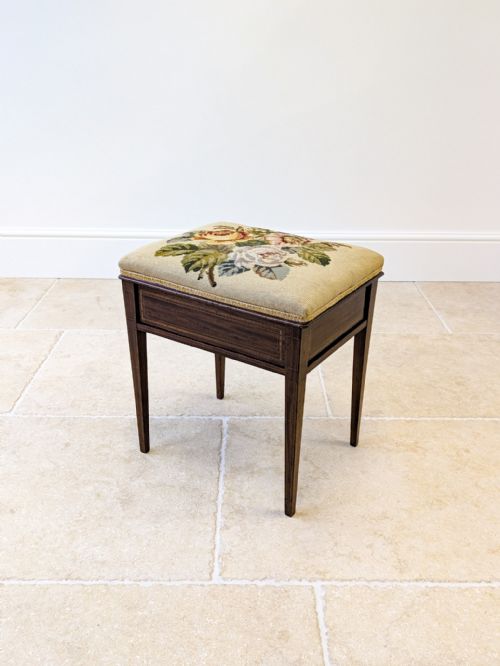
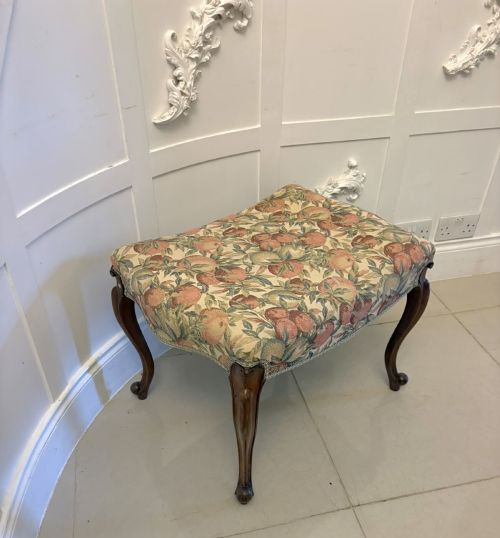
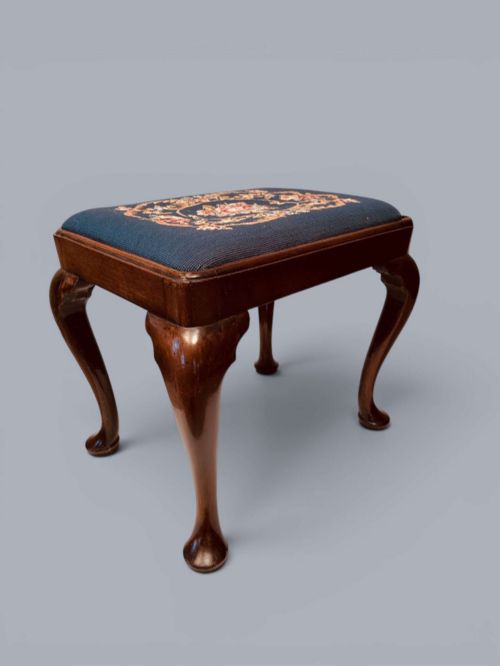
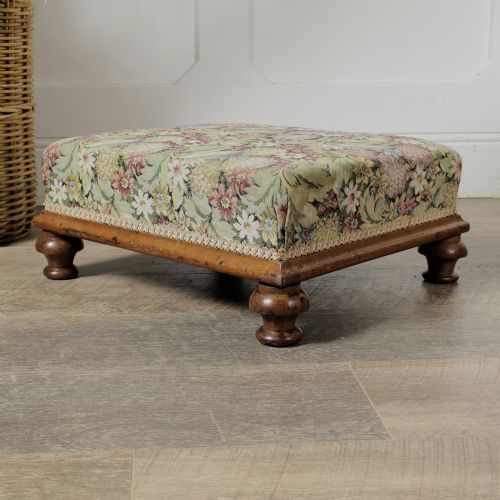
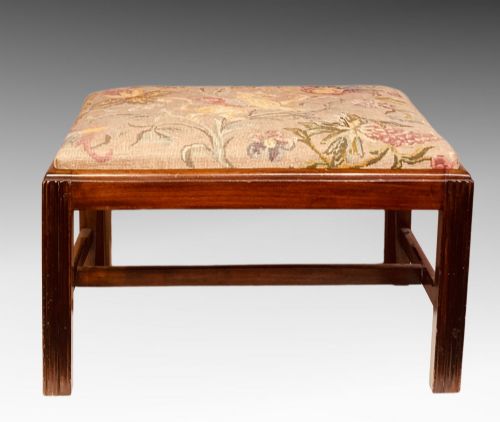
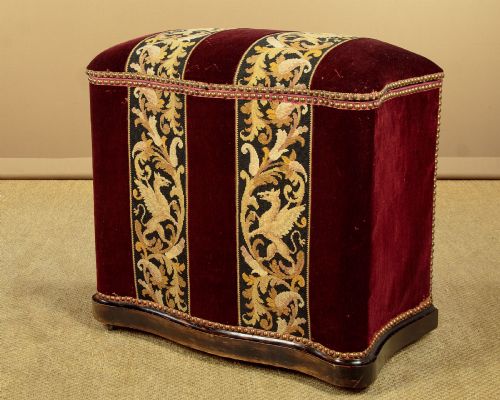
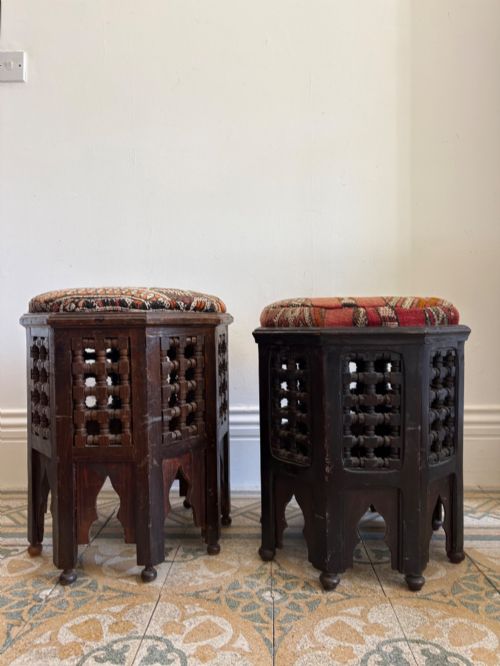
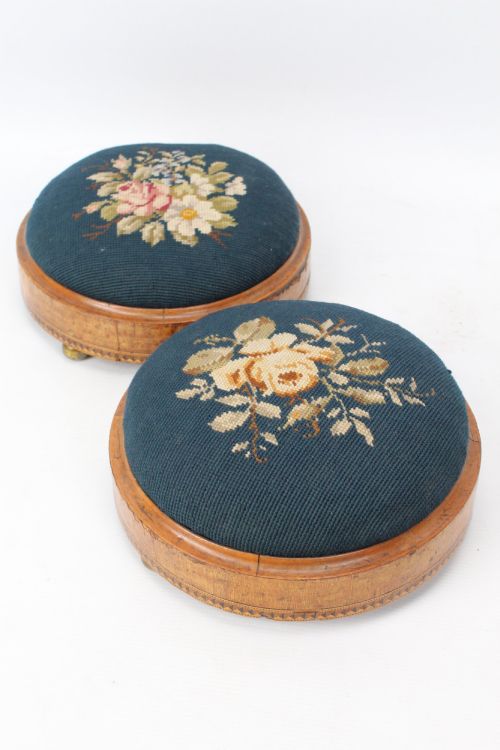
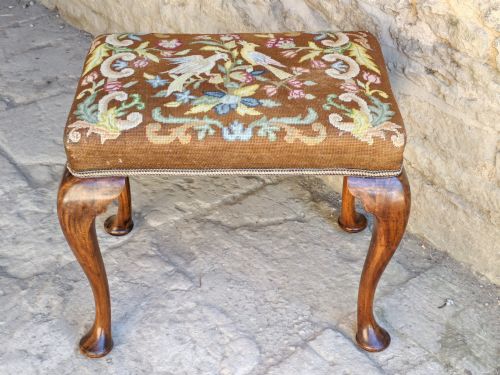
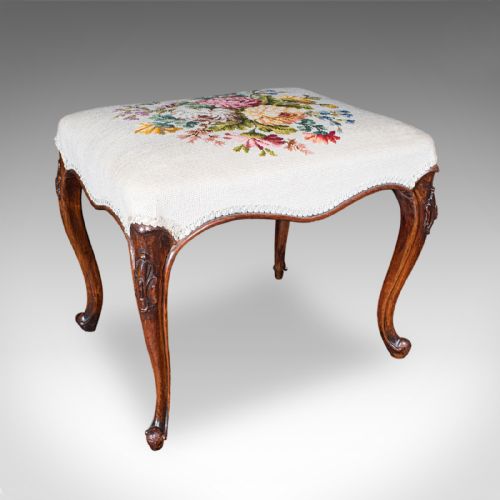
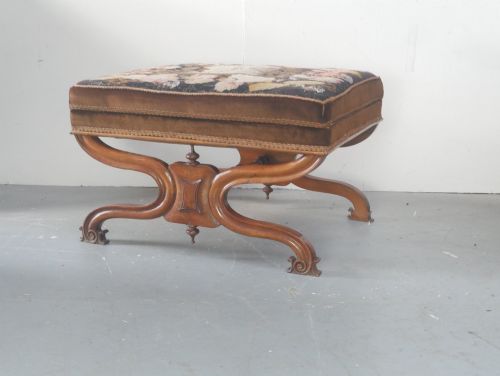
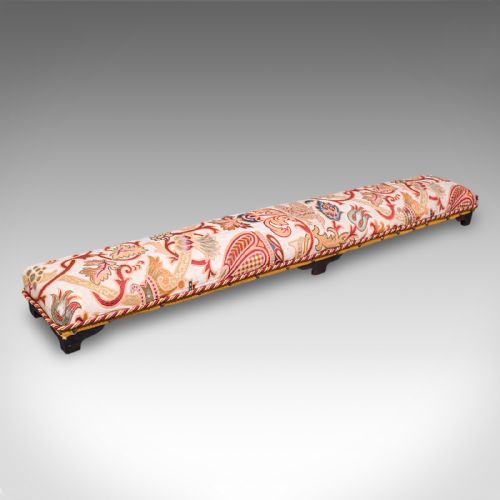
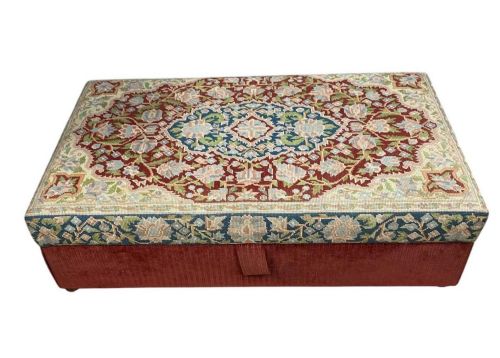
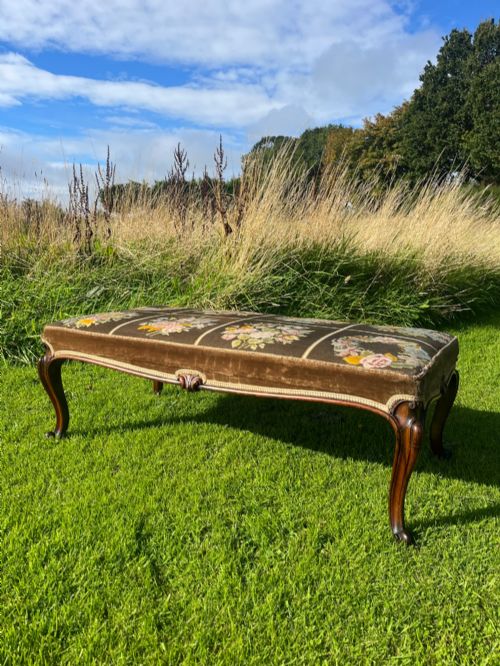
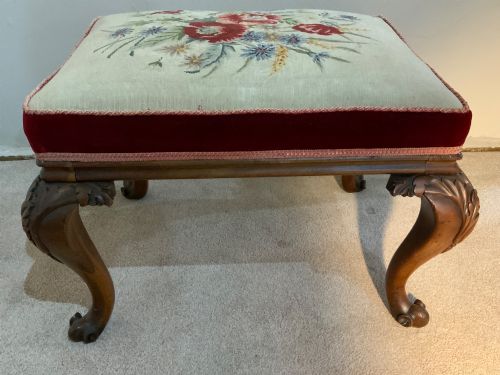
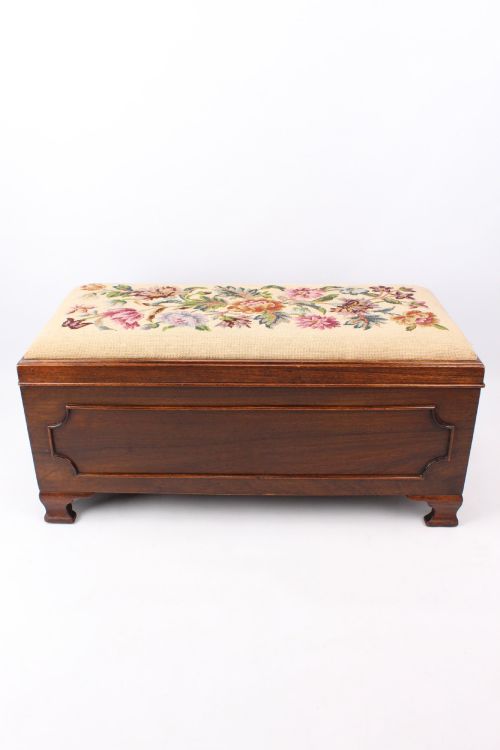
When you search for an antique tapestry stool, you encounter low forms designed to support the feet or serve as compact seats. The examples found here span the Victorian era into the early twentieth century, taking shapes such as circular footstools, long benches, ottomans and piano stools.
Walnut, mahogany and rosewood form the structural timber frames for many pieces, occasionally complemented by painted timber or oak. Tops feature wool needlework, petit point and crewel textiles depicting floral or hunting scenes.
Origins stretch across English and French workshops, encompassing Victorian, Queen Anne and Italian Neoclassical styles. Pieces range from small gout stools and carriage footrests to large dressing stools with hidden storage compartments.
Materials and construction
Craftsmen built timber frames from hardwoods like mahogany, walnut and rosewood, applying carved details, cabriole legs and inlaid decorations. Some variations incorporate beech, oak or painted timber finishes alongside bun feet.
Upholstery relies on hand-worked textile surfaces, specifically wool needlework, petit point and tapestry cloth. These covers are stretched over padded seats supported by the underlying wooden frame.
Antique Tapestry Stool Retail Price Guide 2026
Typical asking prices for tapestry stool among the pieces listed under this phrase on Sellingantiques today, from the lower quarter to the upper quarter. They describe what is for sale here now, not the wider market.
Some tiny Victorian gout stools were built so low they practically hug the floorboards, dedicated entirely to resting tired ankles.
Standards of craftsmanship
Quality depends on the crispness of the timber carving and the density of the hardwood frame, with dense walnut and rosewood marking finer examples. The intricacy of the needlework also distinguishes the range, where fine petit point and detailed pictorial scenes demand greater artisan skill than standard wool work.
Cohesion between the period timber base and the textile top dictates the integrity of the piece. Superior examples retain original needlework surfaces that complement the proportions of the turned legs, cabriole supports or storage chests.
The Antique Tapestry Stool Glossary
- Petit point
- A form of needlepoint worked on fine single-mesh canvas using small stitches to create detailed pictorial designs. This technique allows for complex shading and intricate motifs on stool tops.
- Gout stool
- A specialised low footstool featuring an adjustable inclined top designed to elevate and rest painful feet. They frequently appear in walnut with needlepoint upholstery.
- Cabriole leg
- A furniture leg that curves out and then narrows in, mimicking an animal's leg in motion. This profile appears frequently on Victorian rosewood and walnut frames.
- Crewel
- A type of embroidery using wool yarn on a fabric base. It creates textured, decorative floral and botanical patterns on textile seats.
- Piano stool
- A seat designed for keyboard players, sometimes incorporating a swivel mechanism or a storage compartment beneath the upholstered lid. These often feature mahogany or walnut frames.
Antique Tapestry Stool: Frequently Asked Questions
What is a gout stool?
A gout stool is a low footrest featuring an adjustable inclined top designed to support and elevate the feet. They were popular in the nineteenth century for comfort and medical relief.
These pieces typically combine a solid walnut or mahogany frame with a padded needlepoint tapestry surface. The mechanism allows the user to alter the angle of the rest.
What is needlepoint upholstery?
Needlepoint upholstery is hand-stitched textile work created by pulling yarn through a stiff canvas mesh to form dense patterns. It provides a durable and decorative surface for furniture tops.
Craftsmen stretched these wool panels over padded timber frames on stools and ottomans. Designs often incorporated floral motifs, geometric patterns or pictorial scenes.
Where were these stools made?
These stools originate primarily from English and French workshops spanning the nineteenth and early twentieth centuries. Cabinet makers and upholsterers produced them in various regional styles.
Common origins include Victorian England and provincial France, utilising local timbers such as walnut, mahogany and rosewood. Makers adopted styles ranging from Queen Anne revivals to Italian Neoclassical.
Do tapestry stools have storage?
Certain forms, particularly piano stools and ottomans, include internal storage compartments accessed by lifting the upholstered seat. This cavity held sheet music or small personal items.
Cabinet makers integrated these compartments into mahogany and walnut frames without compromising the seating height. The tapestry lid serves as a functional cover for the hidden space.